Wijnstok bij een boom — History & Facts
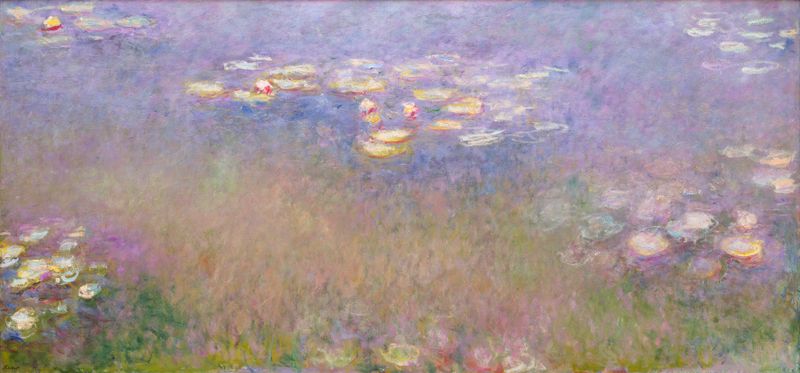
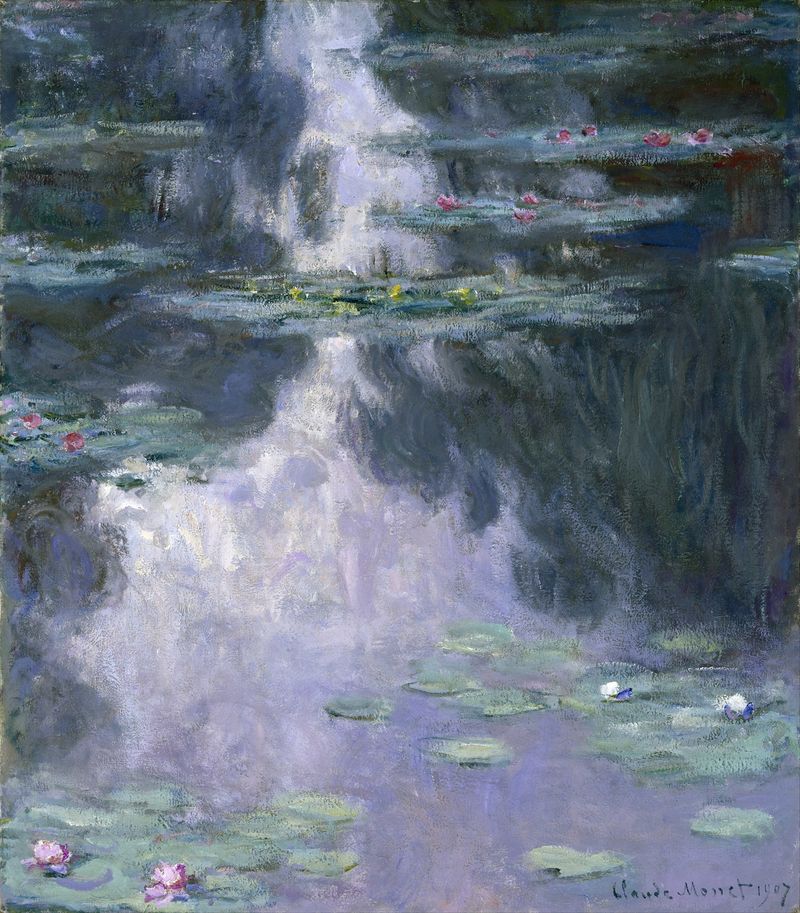
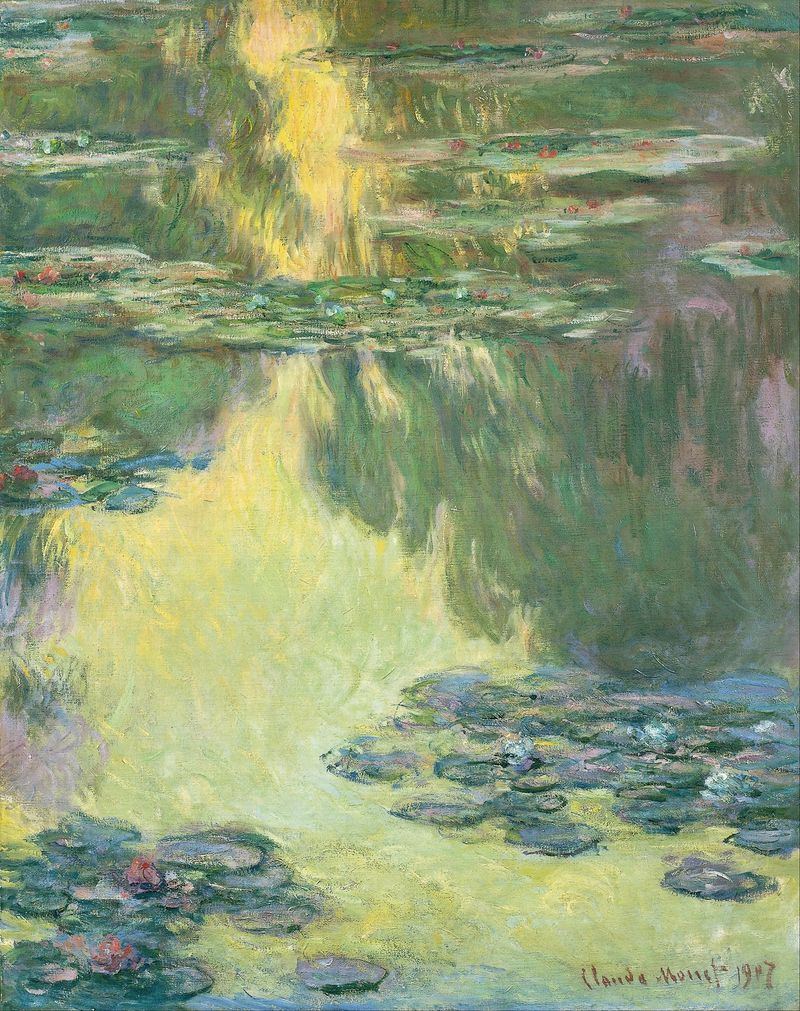
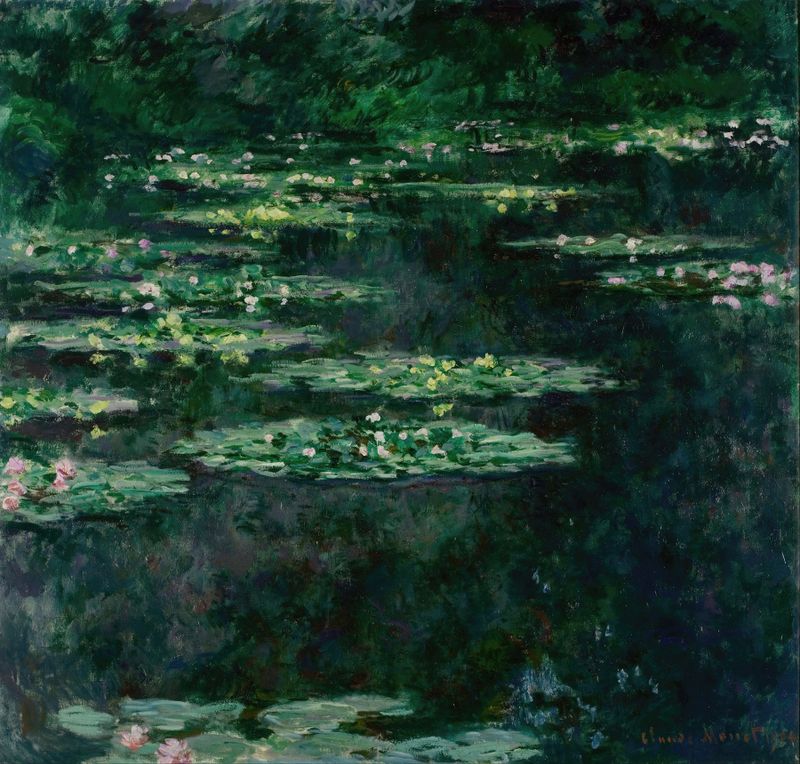
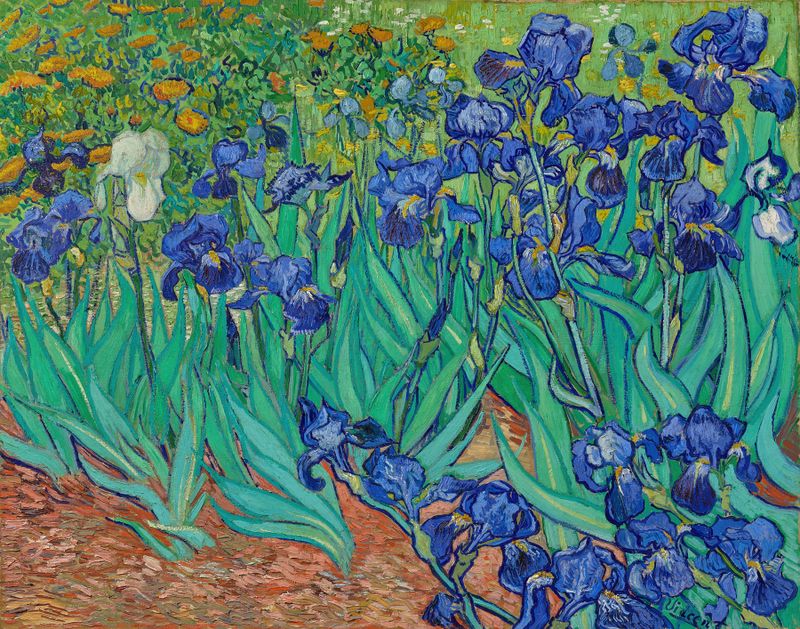
Is this a mirror — or a memory? In Wijnstok bij een boom, the viewer is drawn into an intricate world where reality blurs into obsession, urging us to contemplate our own reflections amidst nature's whispering secrets. Look to the right at the gnarled trunk of the tree, its lines twisting and turning like the thoughts of a mind caught in rapture. The delicate vines weave themselves around the robust bark, their delicate tendrils reaching for the light that dapples through the canopy above. The color palette breathes life into the scene, with vibrant greens contrasting against earthy browns, creating a sense of both growth and decay that mirrors the complexities of desire. The work is imbued with hidden meanings; the intertwining vines suggest a longing for connection, while the sturdy tree stands as a metaphor for steadfastness amidst fleeting moments.
There’s an emotional tension in the juxtaposition of fragility and strength, evoking the duality of human experience. The delicate balance between harmony and chaos invites the viewer to ponder what it means to be consumed by an obsession—both beautiful and perilous. Jacques Callot painted this piece between 1625 and 1629 during his time in France, a period marked by the Baroque styles that celebrated drama and emotion. Having established a reputation for his prints, he sought new expressions in painting, exploring themes of nature and the human condition.
This work reflects his unique approach to capturing the intricacies of life, echoing the artistic currents of his era while revealing his personal fascination with the interplay between nature and human desire.
More Artworks by Jacques Callot
Browse all →
Titelprent voor de prentreeks 'De kleine apostelen' (Het martelaarschap van de apostelen)
Jacques Callot
Kruisiging
Jacques Callot

De doortocht door de Rode Zee
Jacques Callot

De verloren zoon als zwijnenhoeder
Jacques Callot

Annunciatie
Jacques Callot
Village Fight
Jacques Callot

Titelprent voor prentreeks 'Het leven van Maria'
Jacques Callot
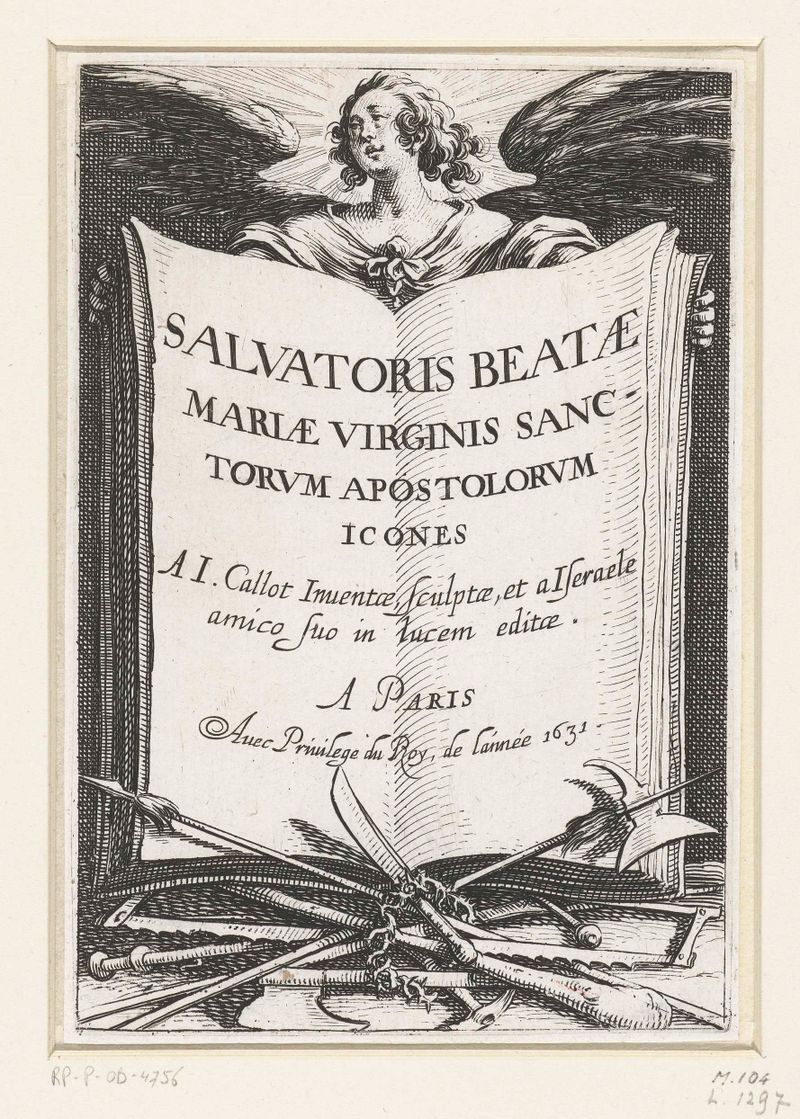
Titelprent voor de prentreeks 'De grote apostelen' (Christus, Maria en de apostelen)
Jacques Callot

Christus aan het volk getoond (Ecce homo)
Jacques Callot
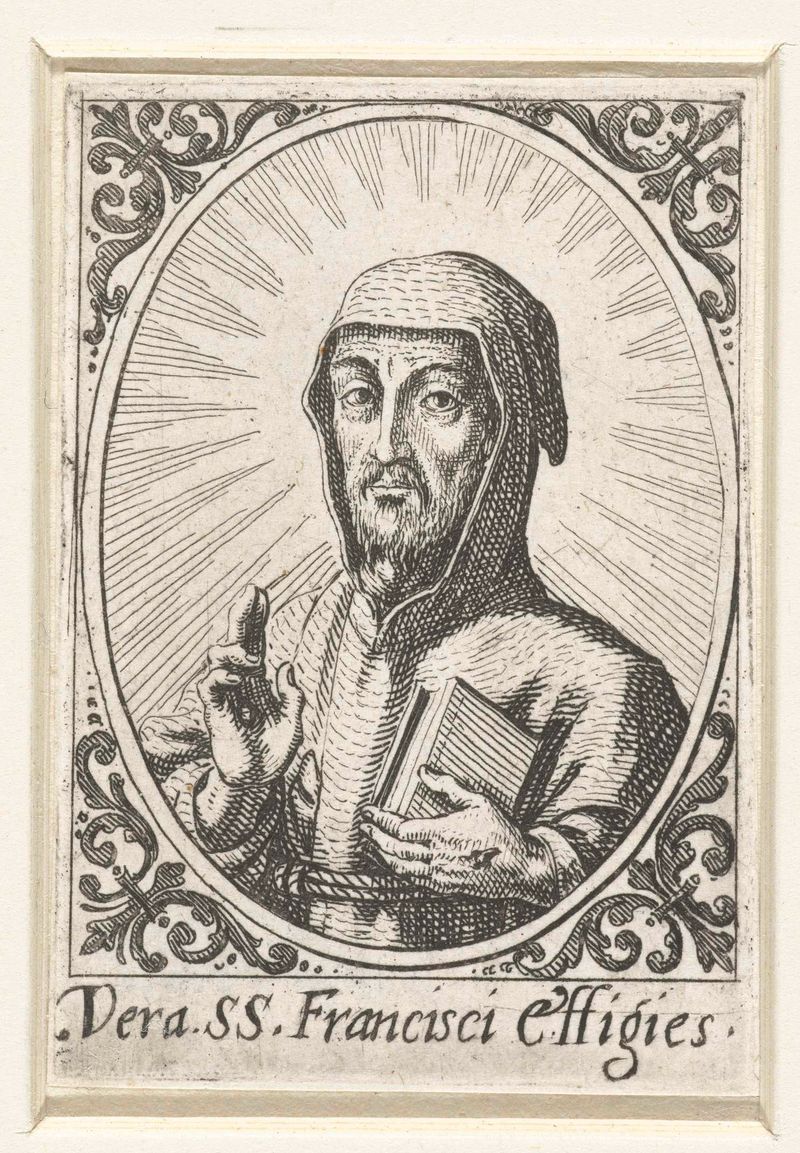
Portret van de Heilige Franciscus
Jacques Callot