Wolkenstudie — History & Analysis
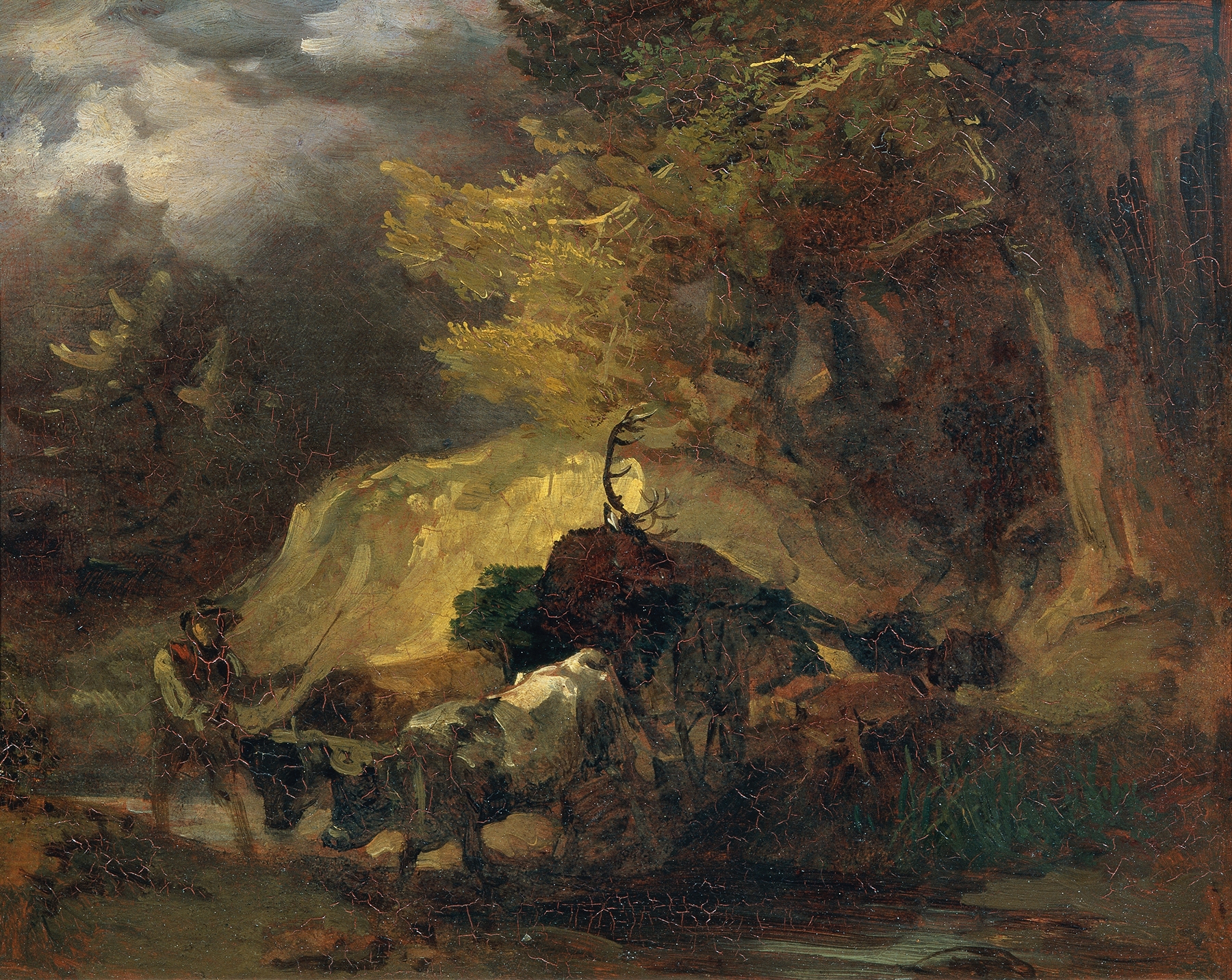
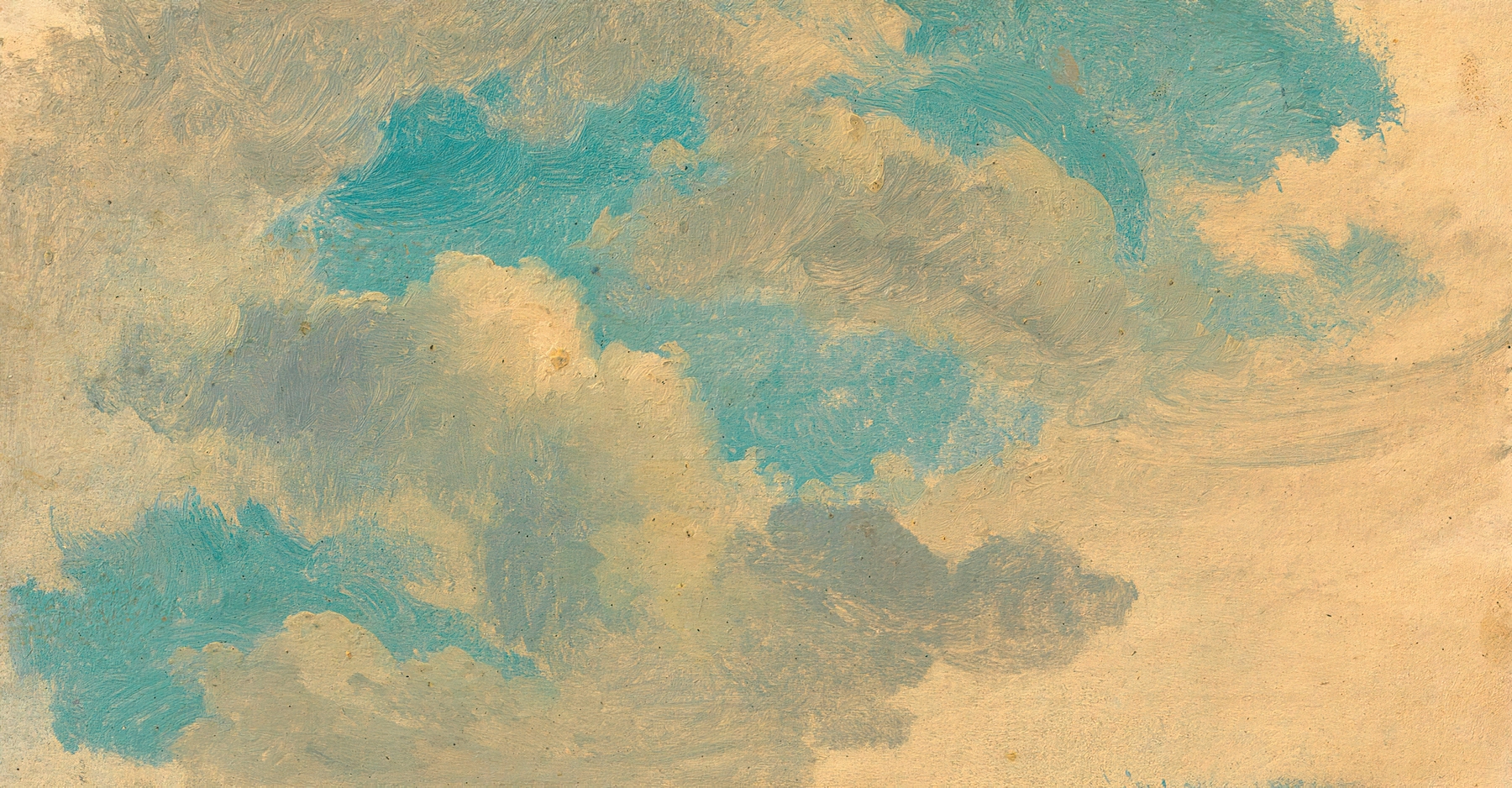
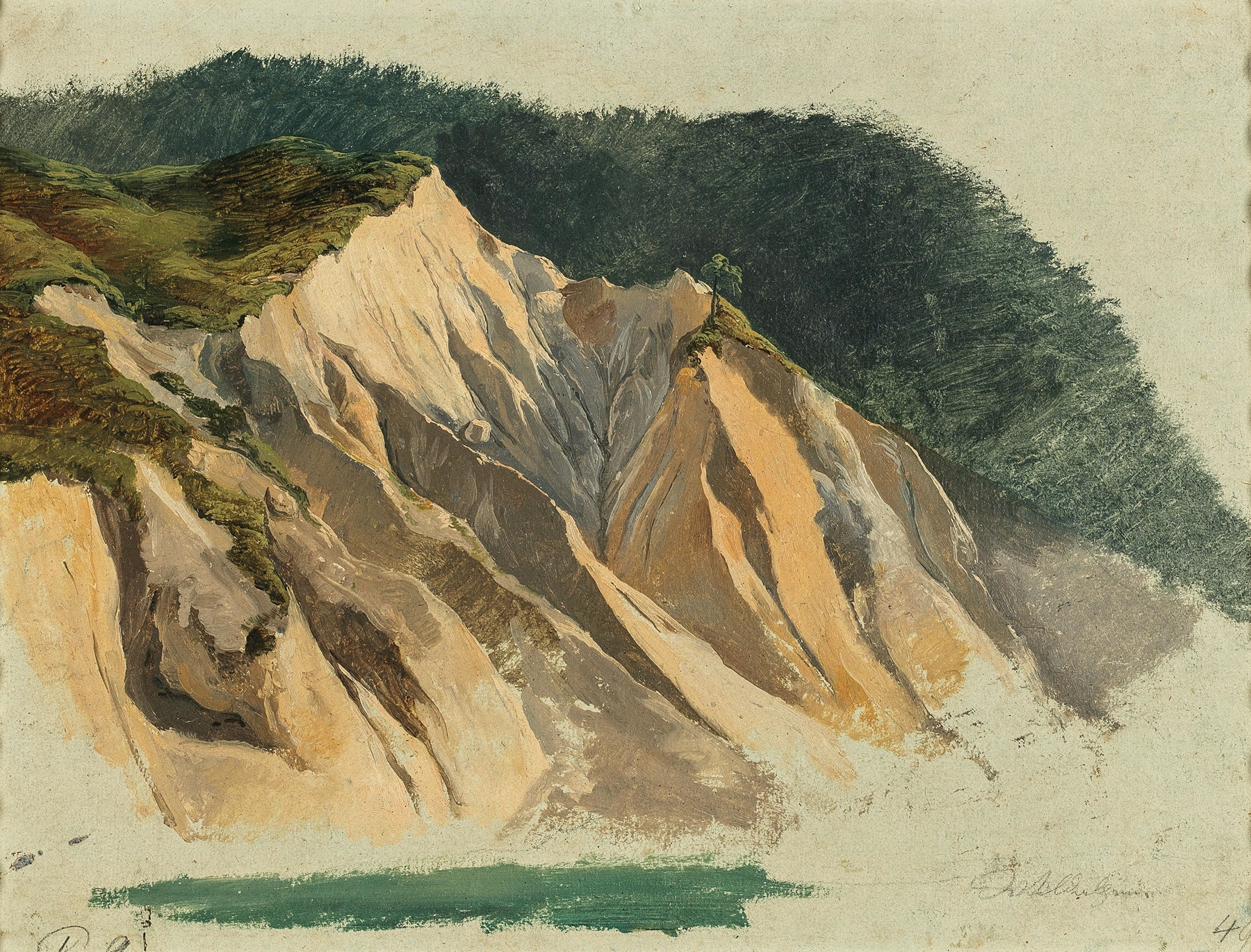
When did color learn to lie? In Wolkenstudie, the sky reveals truths and deceptions, whispering secrets through its ever-shifting hues. The interplay of light and shadow invites contemplation on the nature of perception, urging the viewer to question what lies beyond the surface. Look to the top left, where a cascade of clouds unfurls, their edges tinged with the warm gold of a setting sun. This vibrant interplay against a cool blue backdrop creates a striking contrast, pulling your gaze across the canvas.
The painter employs delicate brushstrokes to convey both movement and depth, capturing the ephemeral beauty of the moment. Notice how the shadows deepen in the lower half, implying the approach of twilight and hinting at an unseen horizon. Beneath the captivating beauty, a deeper tension unfolds. The bright colors suggest hope and vitality, while the encroaching shadows evoke an underlying sense of uncertainty or foreboding. This duality reflects the human experience, where moments of joy are often tempered by the inevitability of change.
The wispy forms of the clouds symbolize fleeting thoughts and emotions, illustrating the transient nature of existence itself. Created between 1830 and 1840, the work emerged during Gauermann's prolific period in Vienna. At this time, Europe was undergoing significant artistic shifts, with Romanticism gaining prominence. The artist was deeply influenced by the natural world and sought to capture its essence, reflecting both the beauty and the complexity of life in his explorations of light and atmosphere.