
Woman carrying a statuette — History & Facts
A single face, split in two by a mask-like statuette, draws the viewer instantly into a puzzle of identity and perception. The woman’s gaze, steady and direct, is bisected by the bright yellow profile she holds before her, as if offering both herself and another persona to the world. The geometric rigor of the background—bands of green, purple, and black—frames her in a world of constructed order, while the undulating lines of the statuette’s hair echo the organic curves of her own.
The palette is restrained but bold, with the yellow of the statuette demanding attention and setting a rhythm against the earthier tones of the woman’s dress and skin. Every element is placed with intention: the hands, rendered with almost mechanical solidity, grip the base of the statuette as if anchoring the entire composition in place. Painted in 1925, this work by Fernand Léger stands at the crossroads of the postwar Parisian avant-garde, where the boundaries between person and object, art and artifact, were being redrawn. Léger, a key figure in the Cubist and later Purist movements, was fascinated by the machine age and the new visual language it demanded.
In this painting, the woman and the statuette are nearly interchangeable—her own features echo the stylized, abstracted form she carries, blurring the line between subject and symbol. Such works were not made for private devotion or aristocratic display, but for a modern audience hungry for new ways of seeing. The era’s fascination with African and ancient art, filtered through the lens of Parisian modernism, pulses through the image, inviting the viewer to look again and question where the human ends and the object begins.
More Artworks by Fernand Léger

The Tugboat Bridge
Fernand Léger
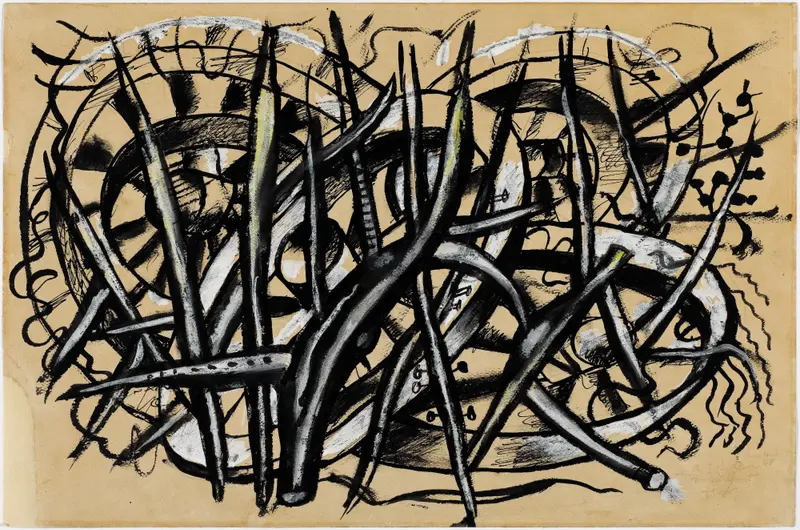
The Wheels
Fernand Léger

Le Cirque Médrano
Fernand Léger
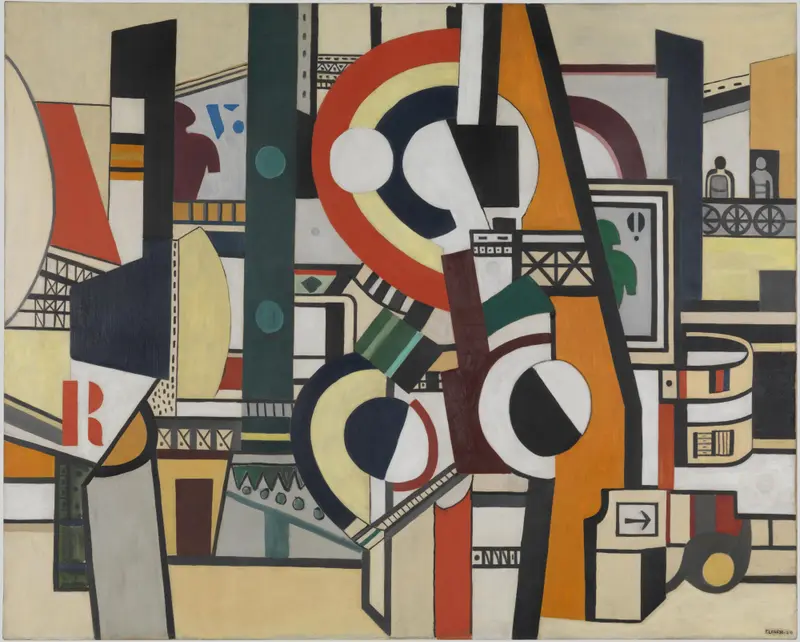
The Disks in the City
Fernand Léger
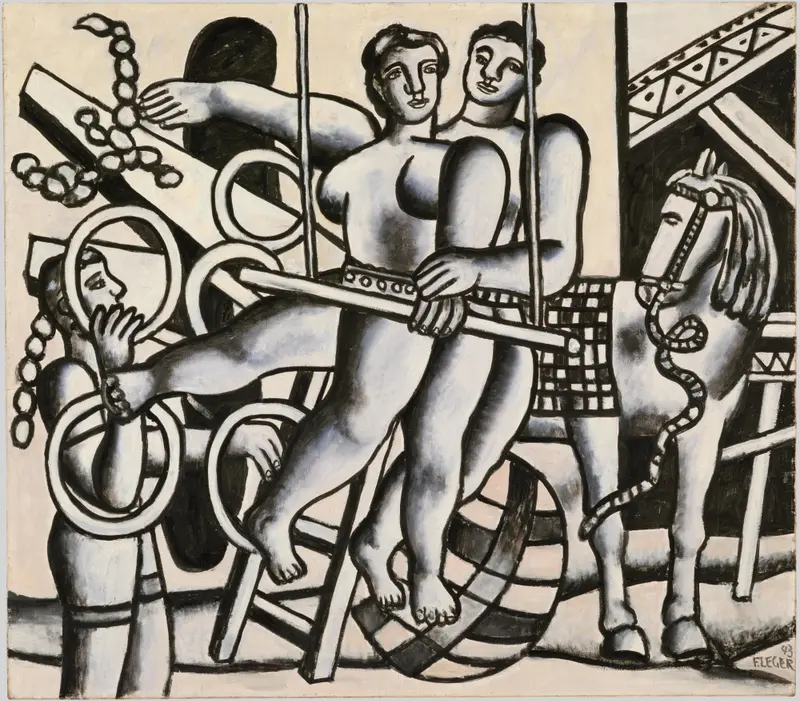
Le Jongleur et les acrobates
Fernand Léger
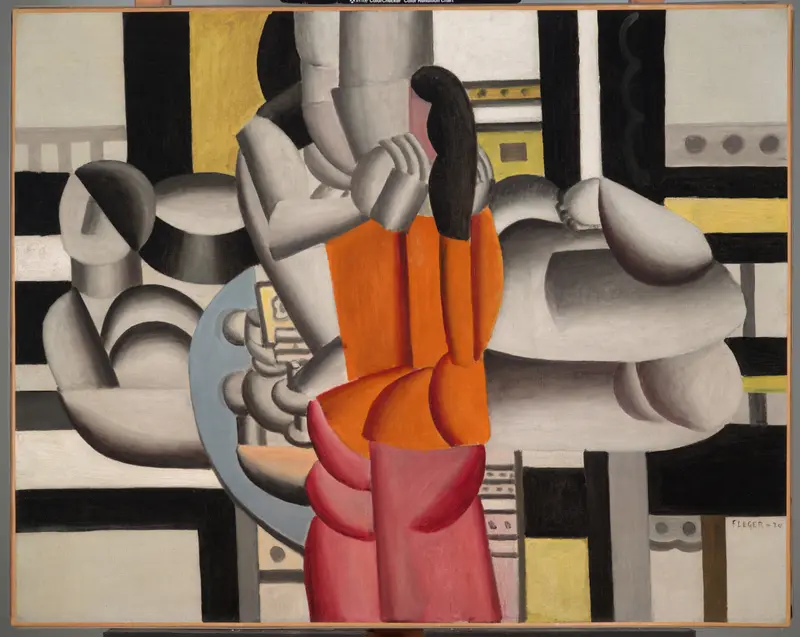
Three Women and Still Life (Déjeuner)
Fernand Léger
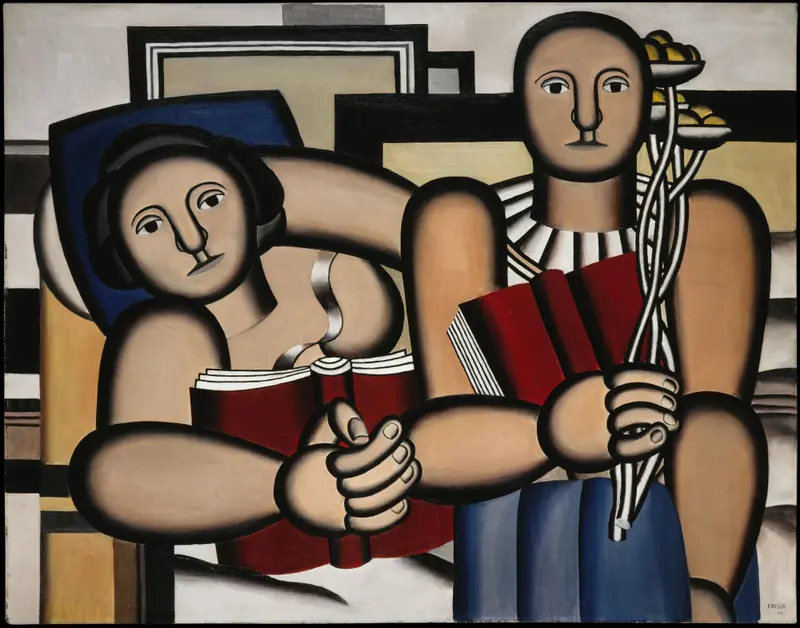
Reading
Fernand Léger
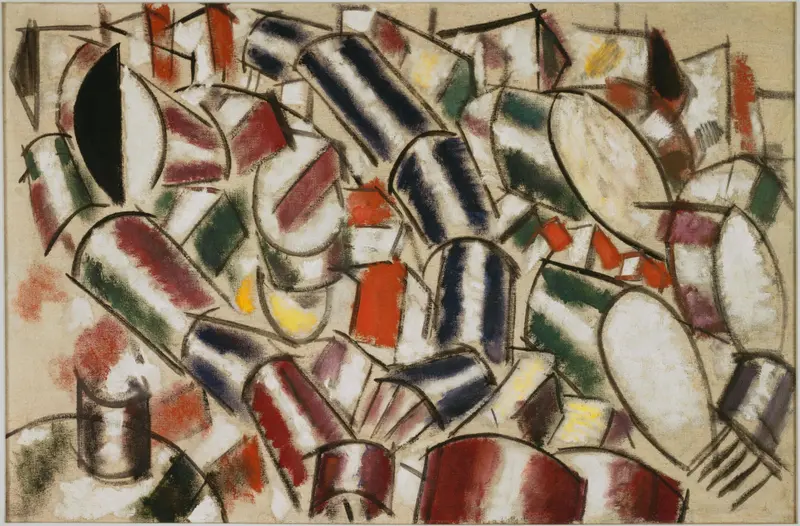
Femme couchée
Fernand Léger
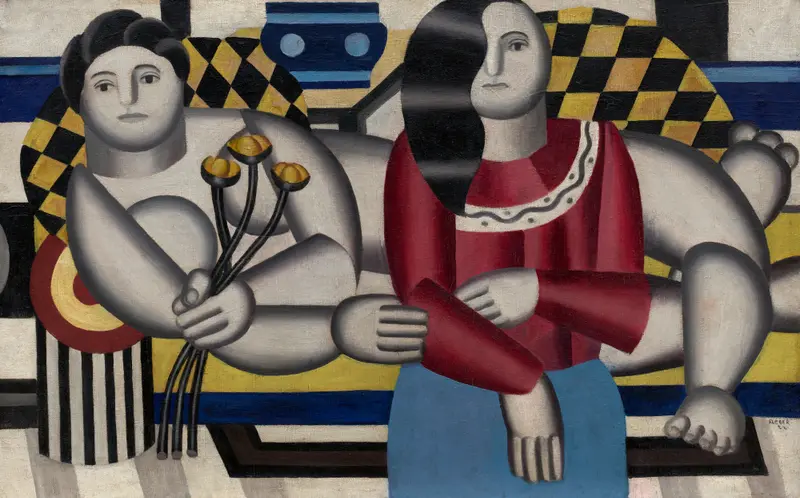
Woman holding flowers
Fernand Léger
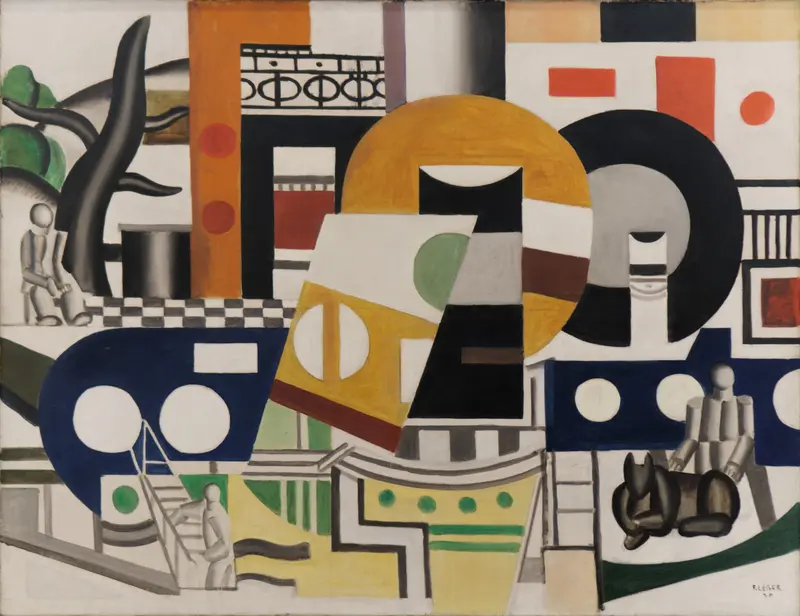
The Tug
Fernand Léger





