
Woman Selling Herrings — History & Facts
No one knows for certain when Godfried Schalcken painted Woman Selling Herrings, but its subject—a humble fishmonger—was so popular in Dutch art that versions of this scene appeared in collections across 17th-century Europe. The painting’s fame lies partly in a curious ambiguity: while Schalcken was celebrated for his candlelit interiors, here he turns his attention to the bustling world of street vendors, a theme more often explored by his contemporaries. The work stands out because it blurs the line between genre painting and portraiture, inviting viewers to wonder whether the woman depicted is a real individual or an idealized figure from daily life. At the heart of the scene, a woman leans over her stall, herrings laid out in neat rows, her gaze direct and unflinching.
Schalcken’s careful rendering of the fish—glistening, silver-skinned—contrasts with the rough textures of her clothing and the weathered wood of the stall. The light, soft and natural, falls across her face and hands, drawing attention to her honest labor. Unlike the boisterous market scenes of Jan Steen, Schalcken’s composition is intimate and restrained, focusing on the dignity of solitary work rather than the chaos of the crowd.
The woman’s steady posture and the simple arrangement of her wares suggest a quiet pride, elevating her from a mere vendor to a symbol of industriousness. The precise origins of Woman Selling Herrings remain uncertain, as do details of its early ownership, but it is generally agreed to be a product of the Dutch Golden Age, when scenes of everyday life found eager buyers among the rising middle class. Schalcken, known for his mastery of light and genre subjects, painted this work during a period when he was experimenting with themes beyond his signature candlelit interiors. Today, the painting is recognized as an important example of how Dutch artists celebrated the ordinary, and it continues to capture the attention of viewers in museum collections, though its exact journey from studio to gallery is still a matter for research and debate.
More Artworks by Godfried Schalcken

Young Man and Woman Studying a Statue of Venus, by Lamplight
Godfried Schalcken

Portrait of an Artist in His Studio
Godfried Schalcken
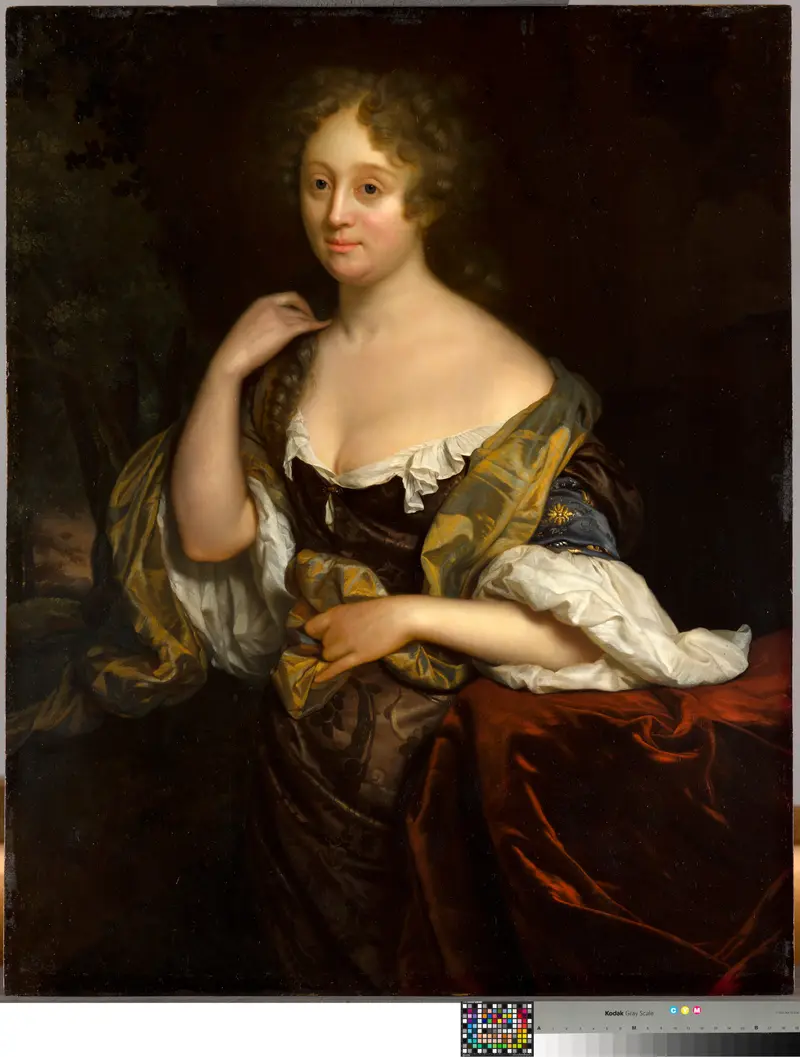
Portrait of Isabella Agneta Deutz
Godfried Schalcken
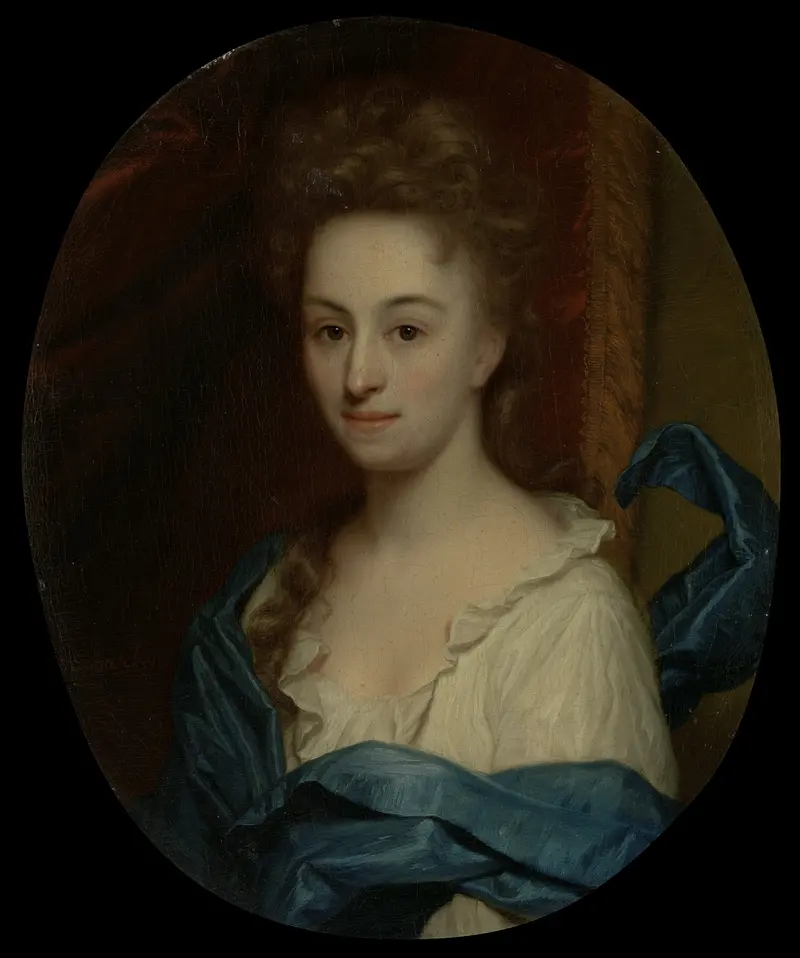
Portrait of Josina Clara van Citters (1671-1753), daughter of Josina Parduyn
Godfried Schalcken
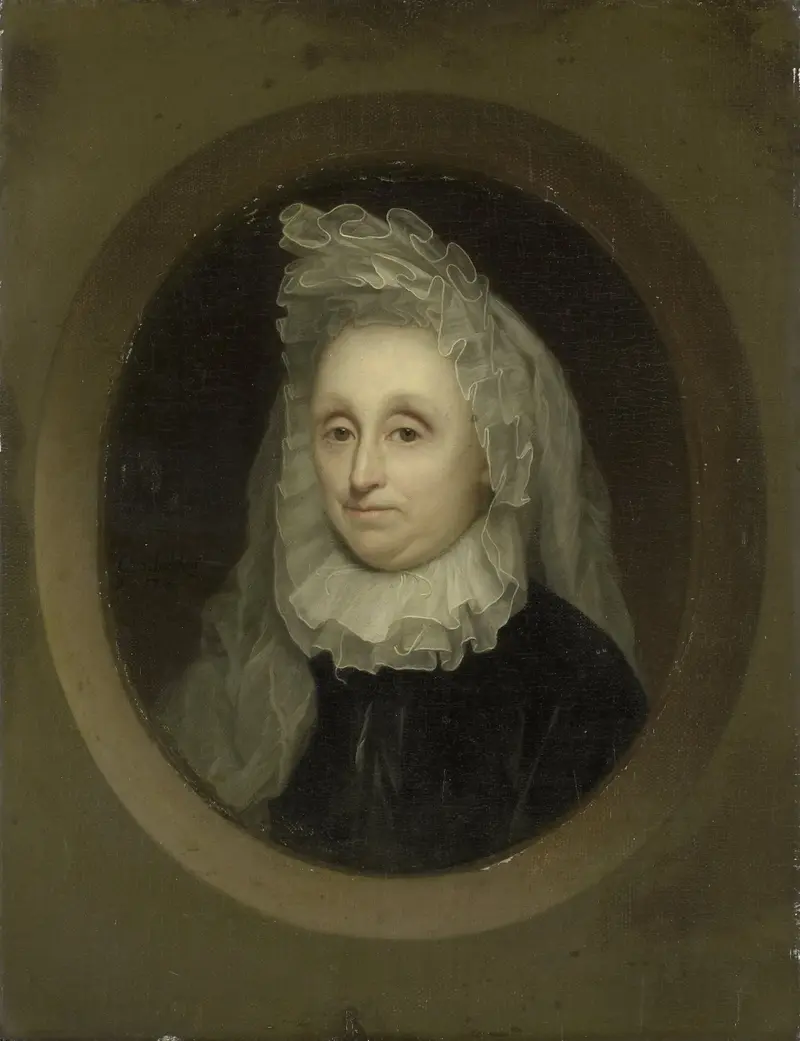
Portrait of Josnia Parduyn (1642-1718), second wife of Aernout van Citters
Godfried Schalcken
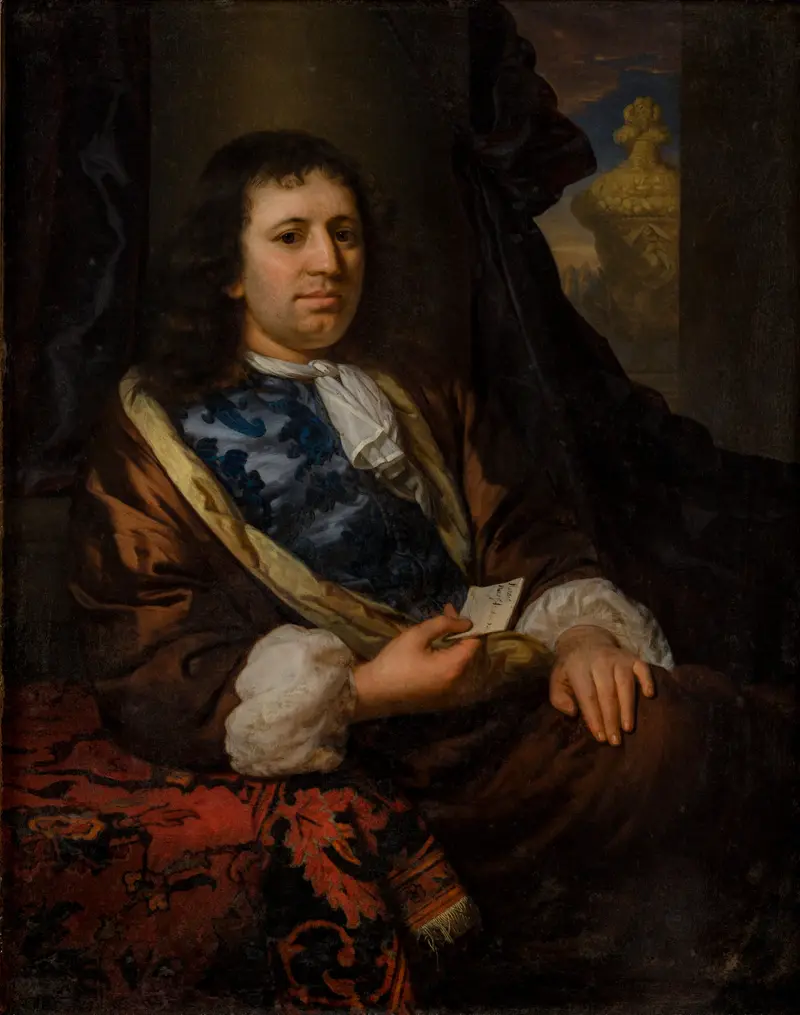
Portret van Johan de Bruin (1678-
Godfried Schalcken
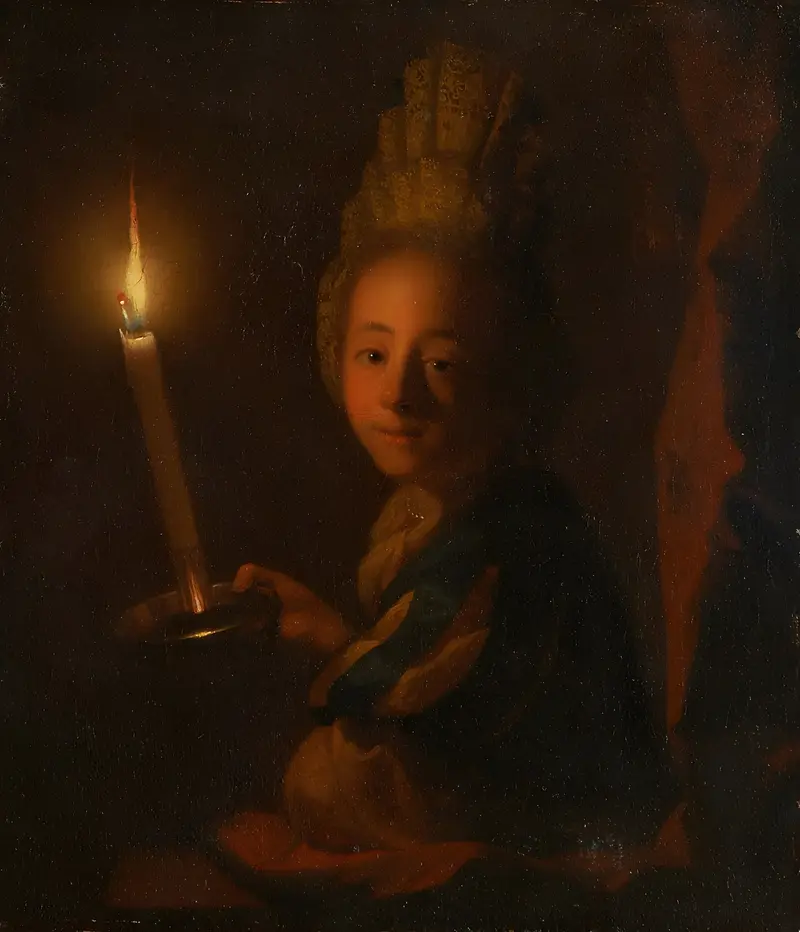
Girl with Burning Candle
Godfried Schalcken
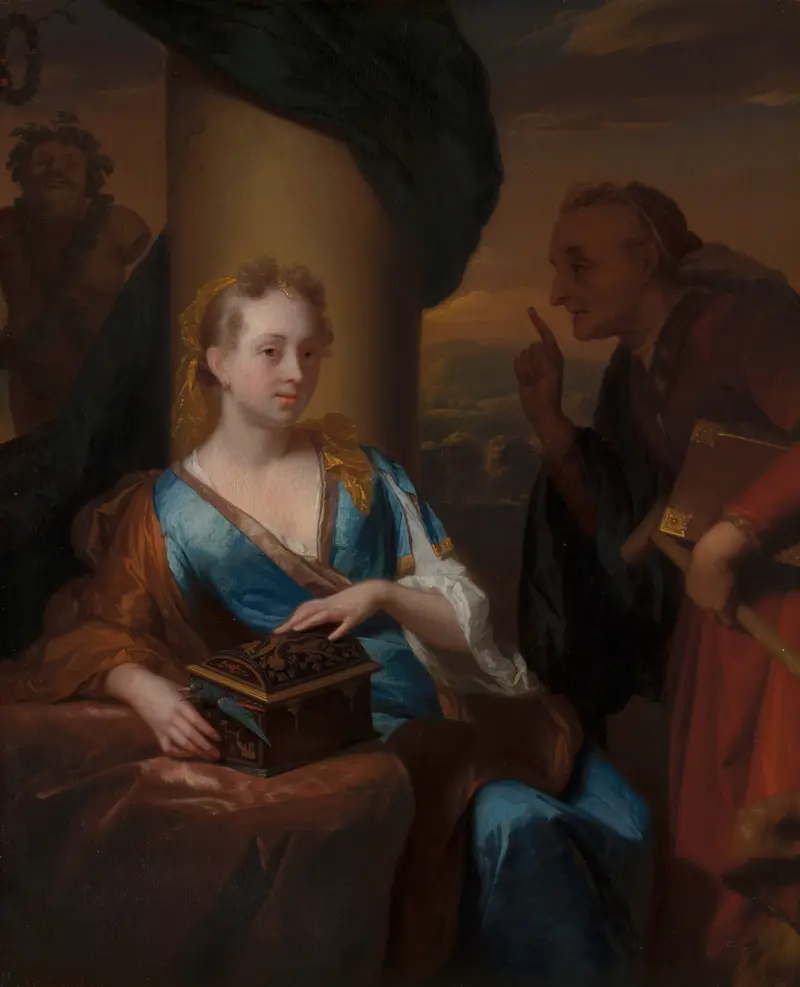
A Useless Moral Lesson
Godfried Schalcken
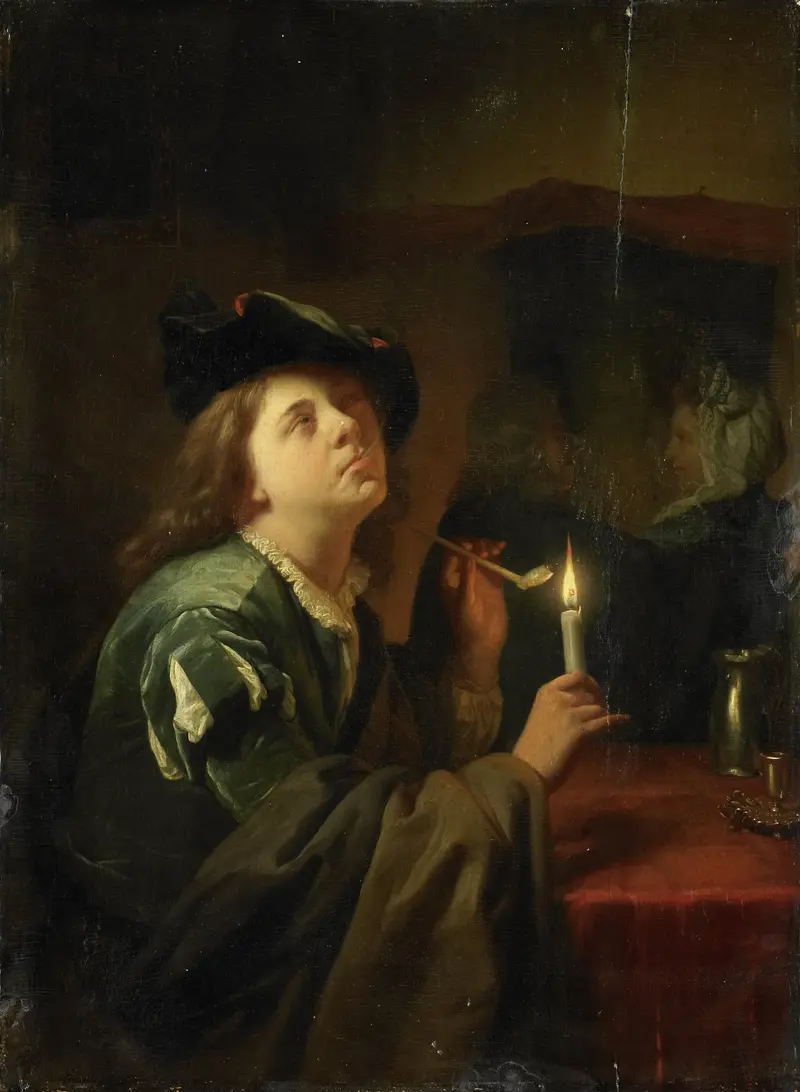
‘Differing tastes’
Godfried Schalcken
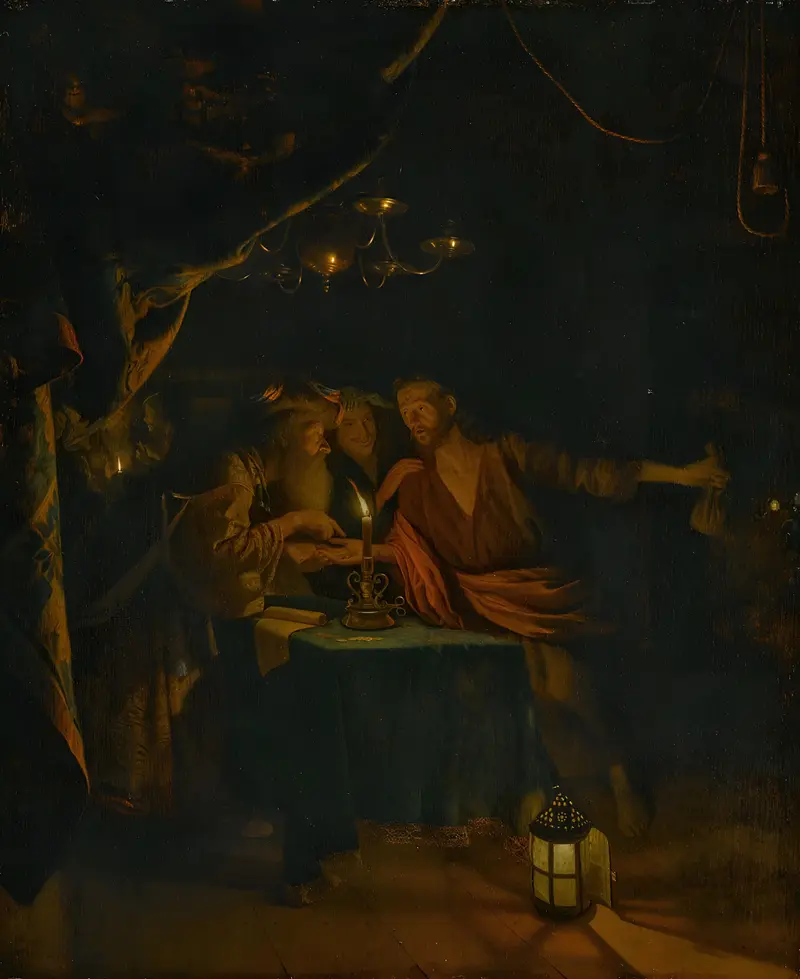
The betrayal of Judas
Godfried Schalcken
More Genre Scene Art

Banquet of the Officers of the St George Civic Guard
Frans Hals

Rembrandt and Saskia in the Scene of the Prodigal Son
Rembrandt van Rijn

Bal du moulin de la Galette
Pierre-Auguste Renoir

Quadrille at the Moulin Rouge
Henri de Toulouse-Lautrec

A Burial at Ornans
Gustave Courbet

When Will You Marry?
Paul Gauguin