
Wonderbare spijziging — History & Facts
Could a single brushstroke hold eternity? In Wonderbare spijziging, Georg Pencz invites us to explore the delicate balance between the mundane and the divine, beckoning us to contemplate the weight of fleeting moments. Look to the center of the composition, where the figures are gathered around a table laden with food. Notice how the rich, warm tones of the feast contrast with the cool shadows that embrace the scene. The meticulous detailing of the fabric draping over the table draws your eye, inviting you to examine the sumptuous textures and patterns woven into each garment.
The light casts soft highlights on the faces of the participants, illuminating their expressions of awe and reverence, while deep shadows underscore the weight of the occasion. Beneath the surface of sumptuous detail lies a profound commentary on the interplay of material and spiritual nourishment. The opulent feast serves not merely as sustenance but as a conduit to transcendence, hinting at the deeper connections forged through shared experience. The juxtaposition of the richness of the banquet with the somber expressions of some attendees creates a sense of tension, suggesting that abundance alone may not lead to fulfillment.
The scene teems with life and longing, urging us to ponder what it means to truly feast on the essence of life. Georg Pencz painted this piece between 1534 and 1535 during a time when Northern Renaissance art was flourishing, characterized by its intricate detail and symbolic richness. Working in Nuremberg, he was influenced by both the humanist ideals of his time and the evolving religious landscape. The painting reflects a bridging of the sacred and the profane, showcasing how artists were navigating their roles in a rapidly changing society.
More Artworks by Georg Pencz
Browse all →
Parabel van de zaaier
Georg Pencz

Parabel van de arbeiders in de wijngaard
Georg Pencz
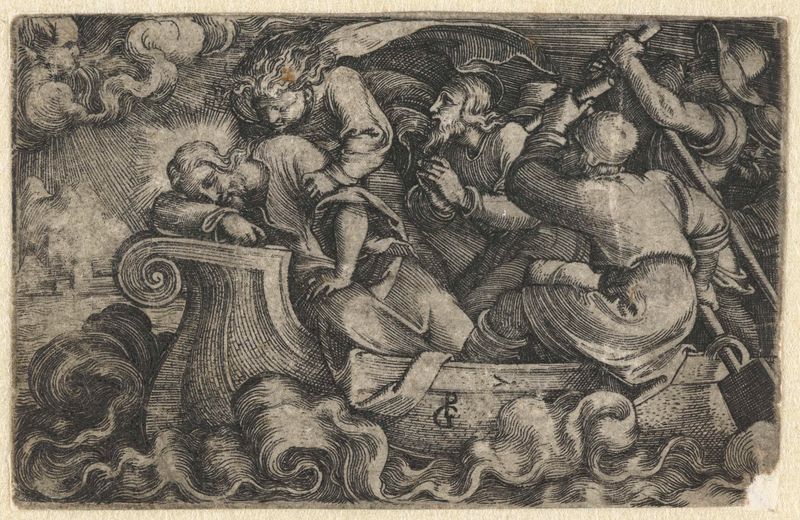
Discipelen wekken slapende Christus tijdens storm op Meer van Galilea
Georg Pencz

Afgunst (Invidia)
Georg Pencz
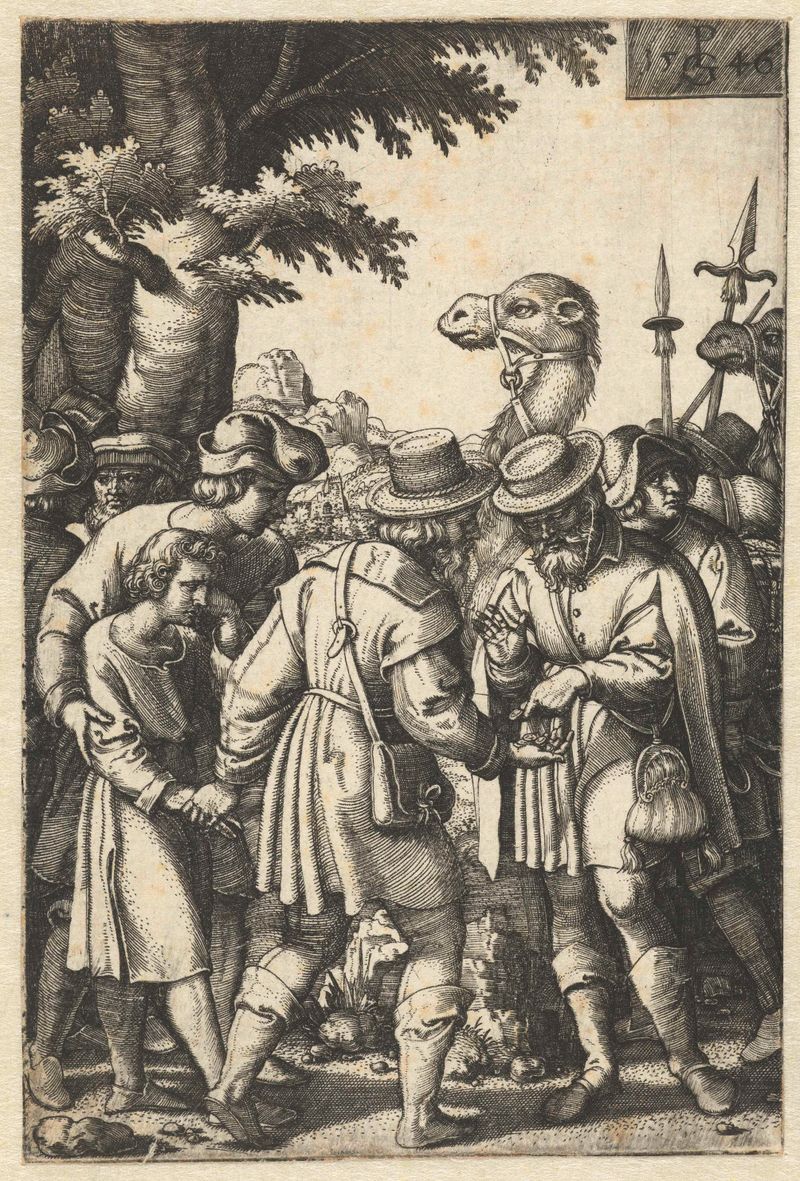
Jozef wordt verkocht aan kooplieden op weg naar Egypte
Georg Pencz

Aanbidding der koningen
Georg Pencz
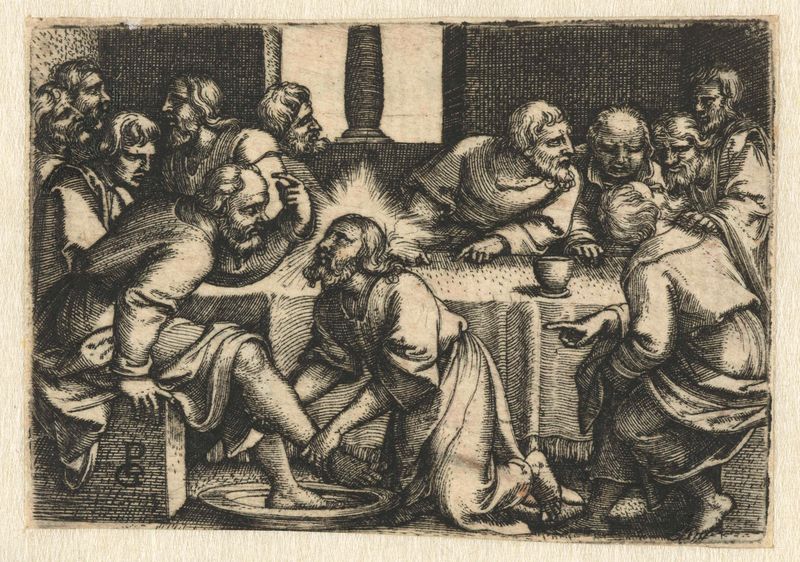
Petrus protesteert als Christus zijn voeten wast
Georg Pencz
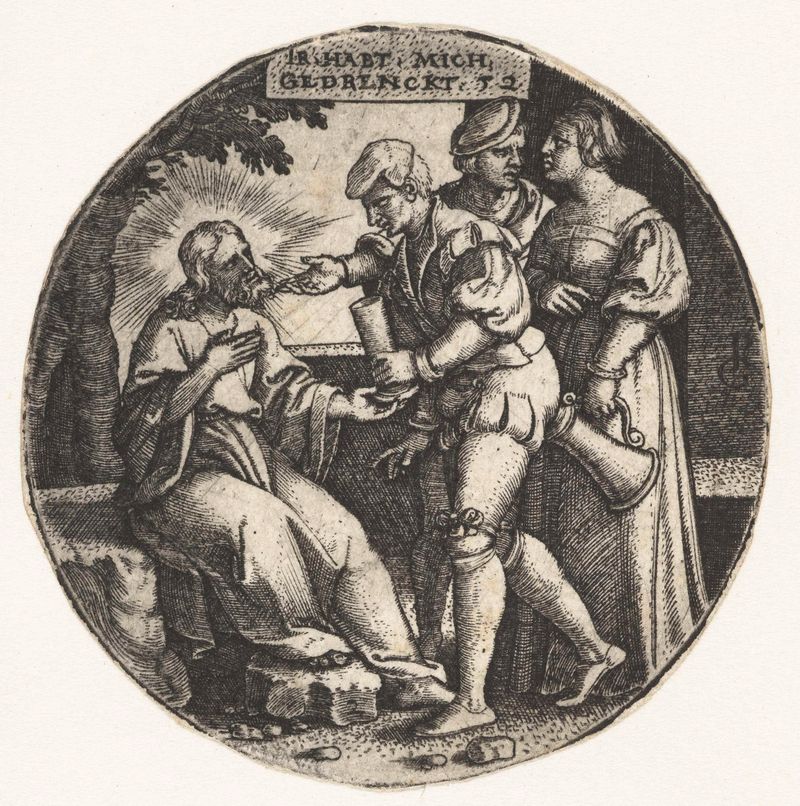
Christus heeft dorst en krijgt drinken aangeboden
Georg Pencz
Ongelovige Thomas raakt wonden Christus aan
Georg Pencz

Offer van Abraham van Isaak
Georg Pencz





