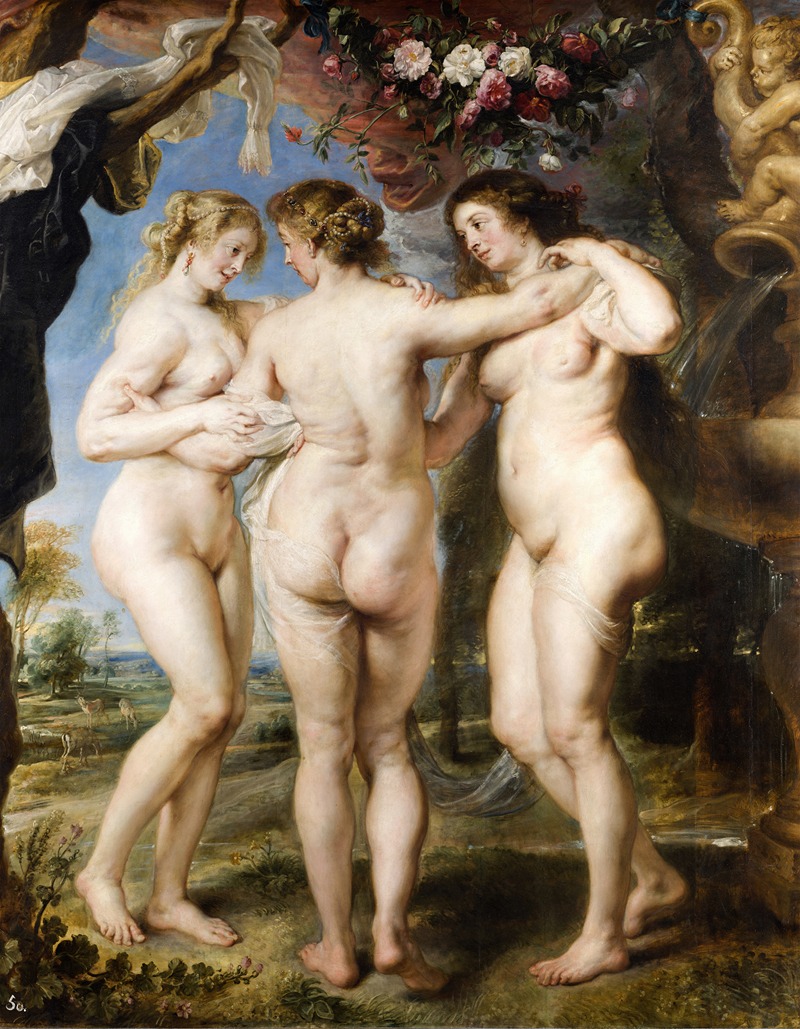
Wooded Landscape with Bathing Nymps — History & Facts
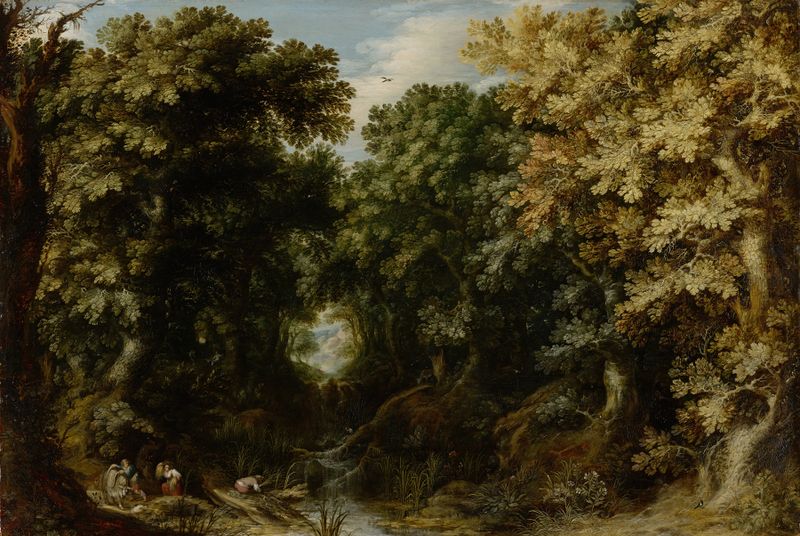
In the hush of a decaying landscape, beauty exists not just in the vibrant greens, but also in the whispers of what is lost. Here, nature breathes on the brink of transformation, and each stroke tells a story of fleeting life and inevitable decay. Focus first on the tranquil water at the center, where the nymphs emerge—a vision of ethereal grace amidst the earthy tones surrounding them. Notice the way the light dances across the surface, illuminating their delicate forms while casting soft shadows that hint at the encroaching dusk.
The intricate details of foliage frame the scene, creating a harmony that balances the serene figures with the wildness of nature, drawing your gaze deeper into the composition. Yet, beneath this idyllic surface lies a tension between beauty and transience. The lush greens are not just vibrant; they carry a hint of withering. Look closely at the edges where the brushstrokes grow more frayed, suggesting a world succumbing to time.
The nymphs, though enchanting, evoke a sense of nostalgia, reminding viewers of youth and vitality that must yield to the relentless march of decay. During the years 1633 to 1636, the artist crafted this work while stationed in the Dutch Republic, amid a flourishing yet tumultuous art scene. This period was marked by the rise of landscape painting as a significant genre, reflecting the shifting cultural values of the time. Keirincx's work emerges from a moment when artists began to explore the complexities of nature, capturing both its beauty and its inevitability—a reflection on the paradox of existence itself.
More Artworks by Alexander Keirincx
Browse all →
River Landscape with Oak Forest
Alexander Keirincx

Wooded Landscape
Alexander Keirincx

Landscape with a Deer Hunt
Alexander Keirincx
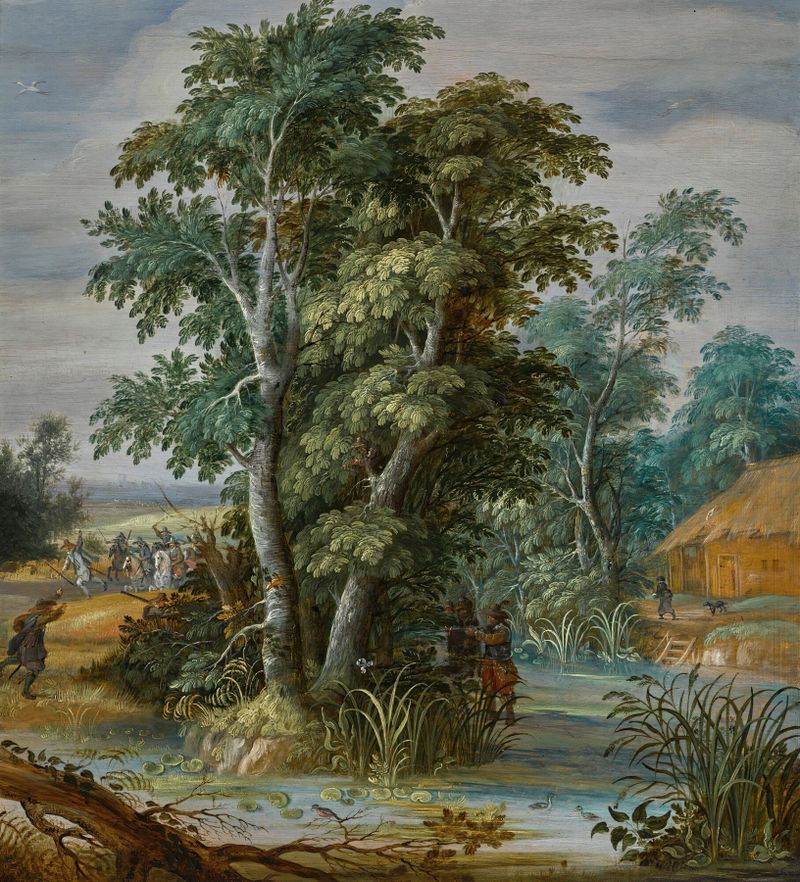
An ambush in a wooded landscape
Alexander Keirincx
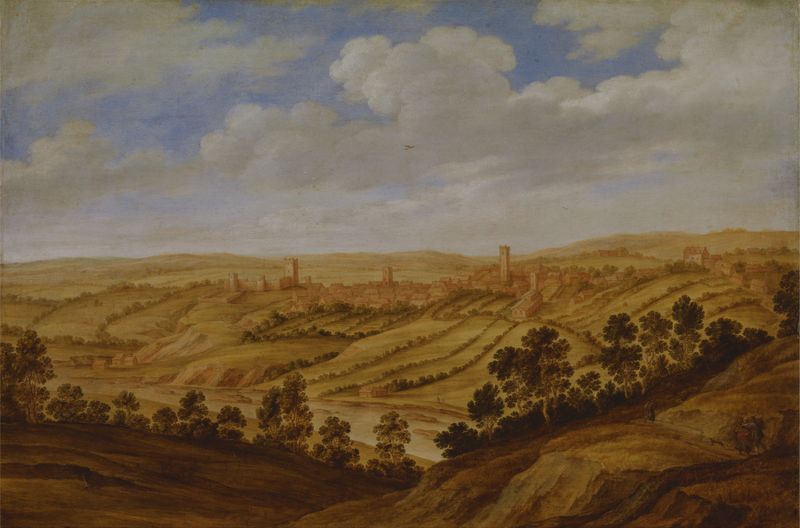
Richmond Castle, Yorkshire
Alexander Keirincx
Deep in the Forest with a Perspective
Alexander Keirincx
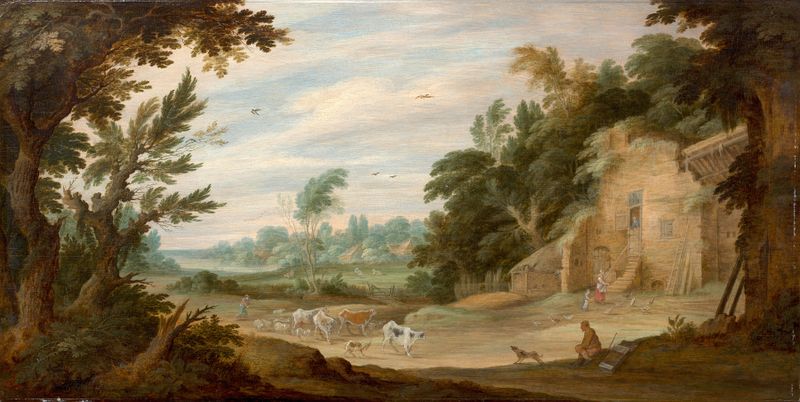
Le retour du troupeau
Alexander Keirincx