
Wooded Landscape with peasants — History & Facts
A shaft of afternoon light cuts through the dense canopy, catching on the thatched roof and the crisp white of a peasant’s sleeve—here, in Wooded Landscape with peasants, the everyday becomes quietly monumental. The eye is first drawn to the towering trees, their leaves rendered with a precision that feels almost tactile, before drifting down to the cluster of figures at work and rest. A cart stands abandoned on the path, its wheels angled as if just arrived, while two peasants stoop over their task, their gestures speaking of routine and resilience.
The cottage, half-swallowed by foliage, anchors the scene in human presence, but it is the play of light and shadow—clouds brooding above, sun breaking through—that gives the landscape its pulse. Works like this, painted in the first half of the seventeenth century, reflect a world in which the land was both a livelihood and a stage for daily ritual. In the Low Countries, artists such as Abraham Govaerts specialized in wooded landscapes, catering to a growing urban class eager for reminders of rural peace and prosperity. These paintings were prized for their detail and their ability to conjure a sense of place, often hanging in city homes as windows onto a quieter, greener world.
While little is recorded about the specific journey of this painting—now documented in a Sotheby’s auction—it stands as a testament to an age when landscape was not just backdrop, but subject in its own right. Notice how the sky’s drama and the sturdy forms of the trees invite you to linger, searching for stories in the shadows.
More Artworks by Abraham Govaerts

Forest landscape
Abraham Govaerts
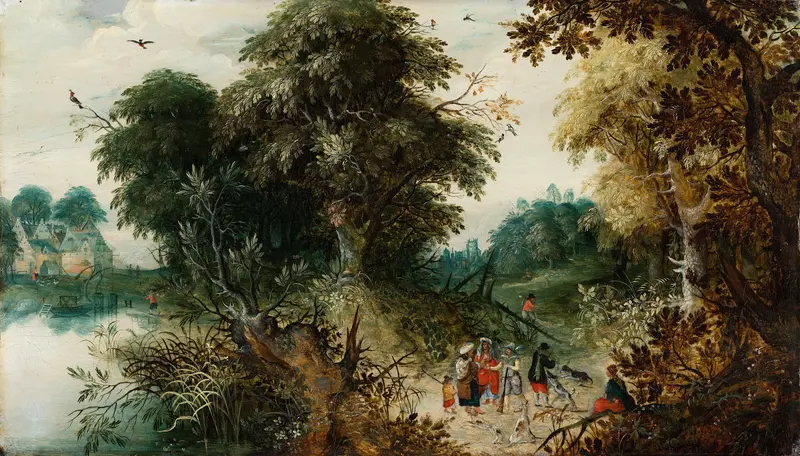
Forest View with Travellers
Abraham Govaerts
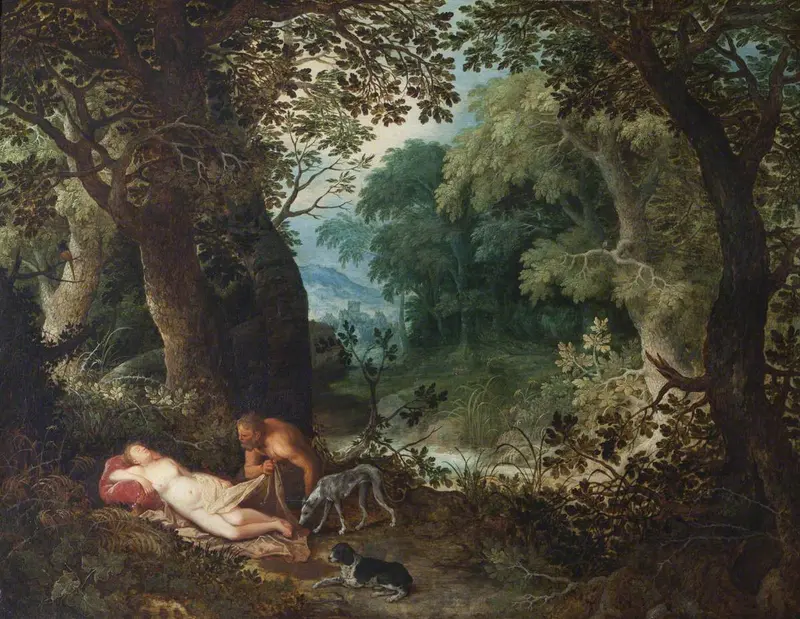
A Nymph and a Satyr
Abraham Govaerts
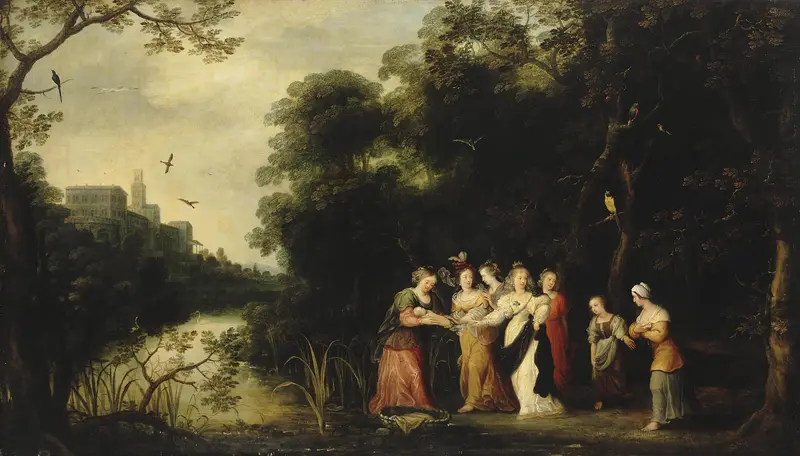
Finding of Moses
Abraham Govaerts
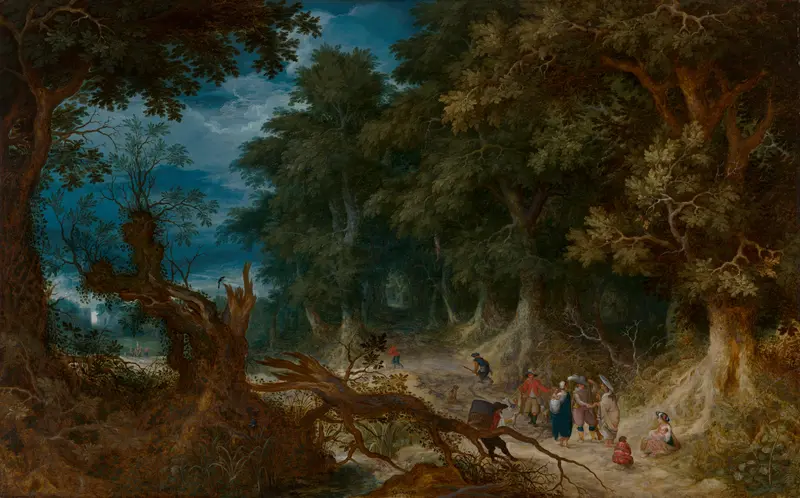
Wooded Landscape with Gipsy Women
Abraham Govaerts
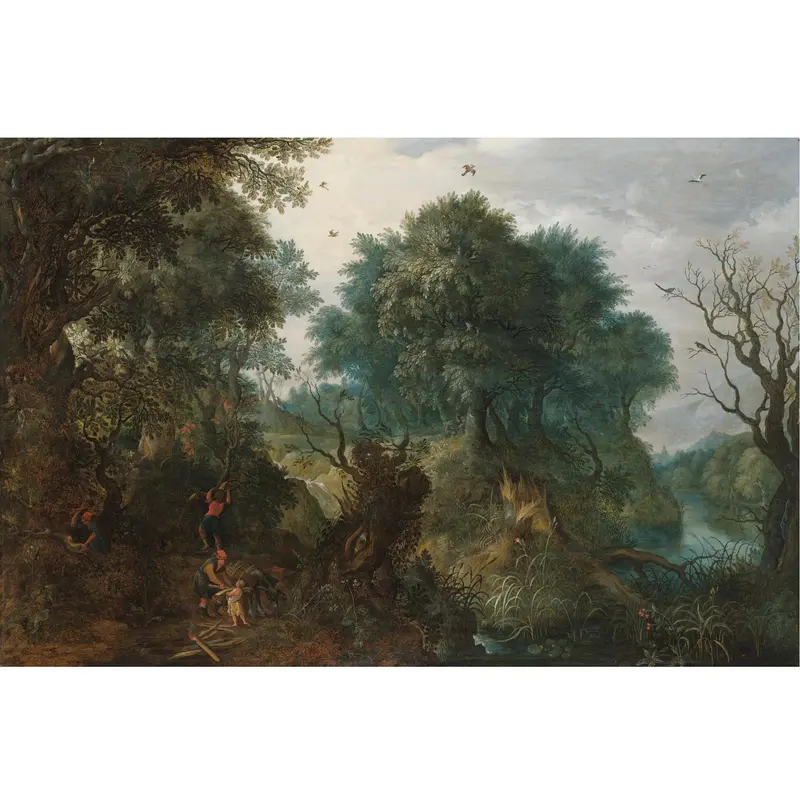
A Wooded Landscape with Woodcutters near a River
Abraham Govaerts
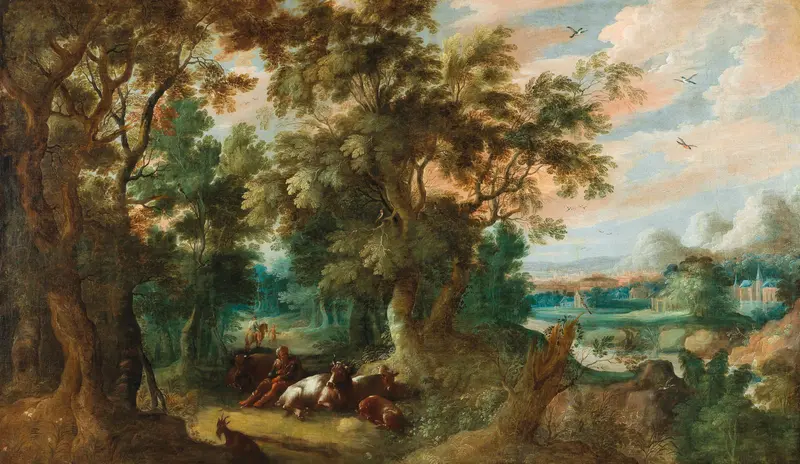
Wooded landscape with shepherds and their flock
Abraham Govaerts
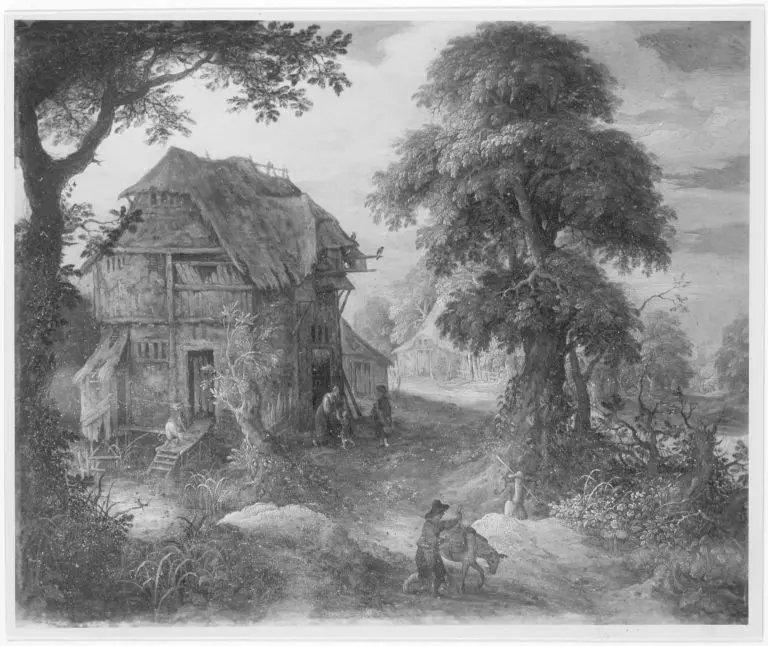
Dorf unter Bäumen
Abraham Govaerts
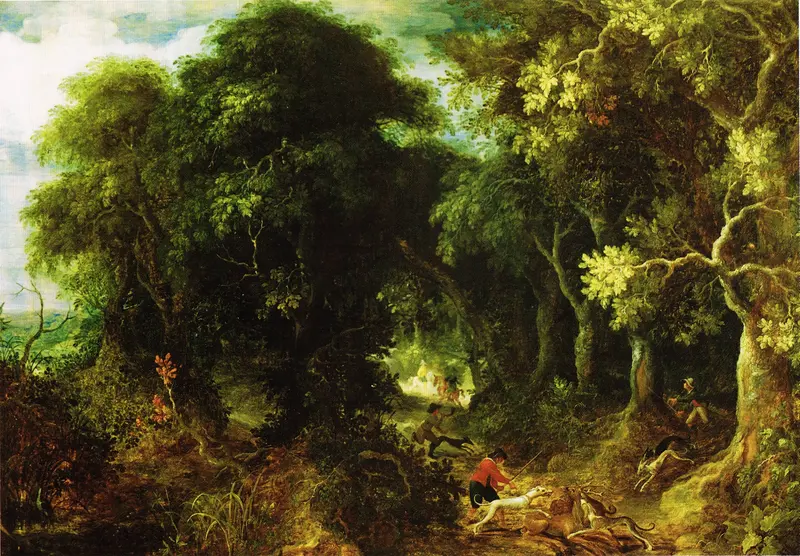
The Eternal Forest / Deer hunting
Abraham Govaerts
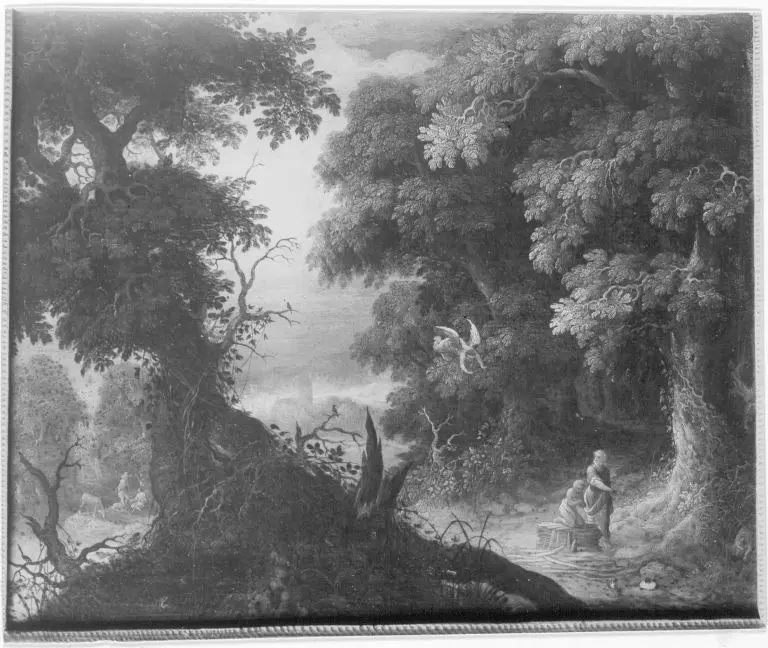
Wooded landscape with the sacrifice of Isaac (Genesis 22)
Abraham Govaerts
More Landscape Art

The Starry Night
Vincent van Gogh

View of Delft
Johannes Vermeer

Water Lilies
Claude Monet

The Grand Canal, Venice, looking north-west from the Ca' Corner to the Ca' Contarini degli Scrigni, with the campanile of Santa Maria della Carità
Canaletto

Windsor Castle
Canaletto

The Grand Canal looking North-East from the Palazzo Dolfin-Manin to the Rialto Bridge
Canaletto