
Young Beckie (Some British Ballads) — History & Facts
What draws the eye first is not the pale, startled figure of the young woman in bed, but the impish, red-clad creature perched with casual boldness at her bedside. The room is a careful stage: the heavy four-poster bed, the patchwork quilt, the slippers neatly set aside, all rendered with Arthur Rackham’s signature line and muted palette. Yet it’s the tension between the two figures that animates the scene—the woman, her hand to her chest, half-risen in alarm or wonder, and the goblin or devil, finger raised as if delivering a warning or bargain.
The soft candlelight and the crown on the bedside table hint at a world where the supernatural can intrude into the domestic, and where innocence meets something far older and stranger. This illustration, created in 1919 for the book Some British Ballads, belongs to a tradition that delighted in bringing old stories to life for new audiences. In the early twentieth century, artists like Rackham were celebrated for their ability to conjure the uncanny and the magical, especially in the context of Britain’s renewed interest in folklore and medievalism. Such works were often commissioned for gift books, intended to enchant both children and adults with their blend of beauty and unease.
While history has kept few traces of the specific journey of this drawing, its place in the world of illustrated ballads is secure—inviting us to linger in the uneasy hush between dream and waking, and to wonder what bargain is being struck in the shadows.
More Artworks by Arthur Rackham
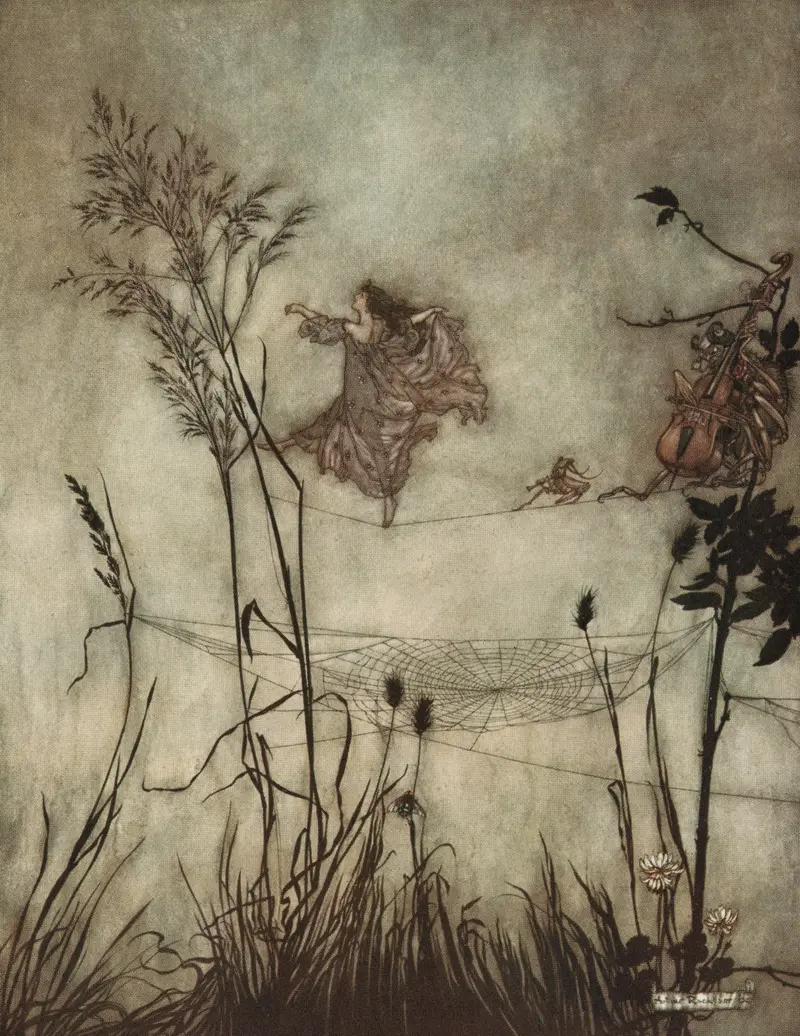
The Fairies Are Exquisite Dancers
Arthur Rackham
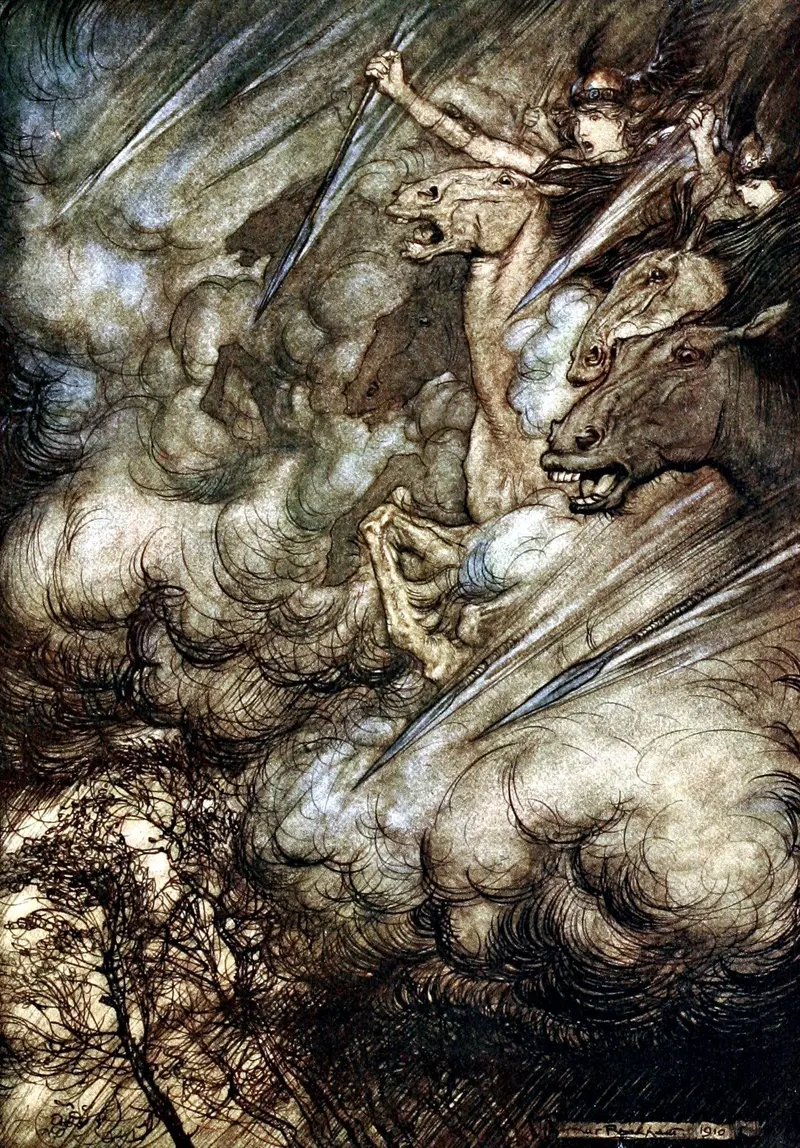
The Ride of the Valkyries
Arthur Rackham

Arthur Rackham ('A Transpontine Cockney')
Arthur Rackham
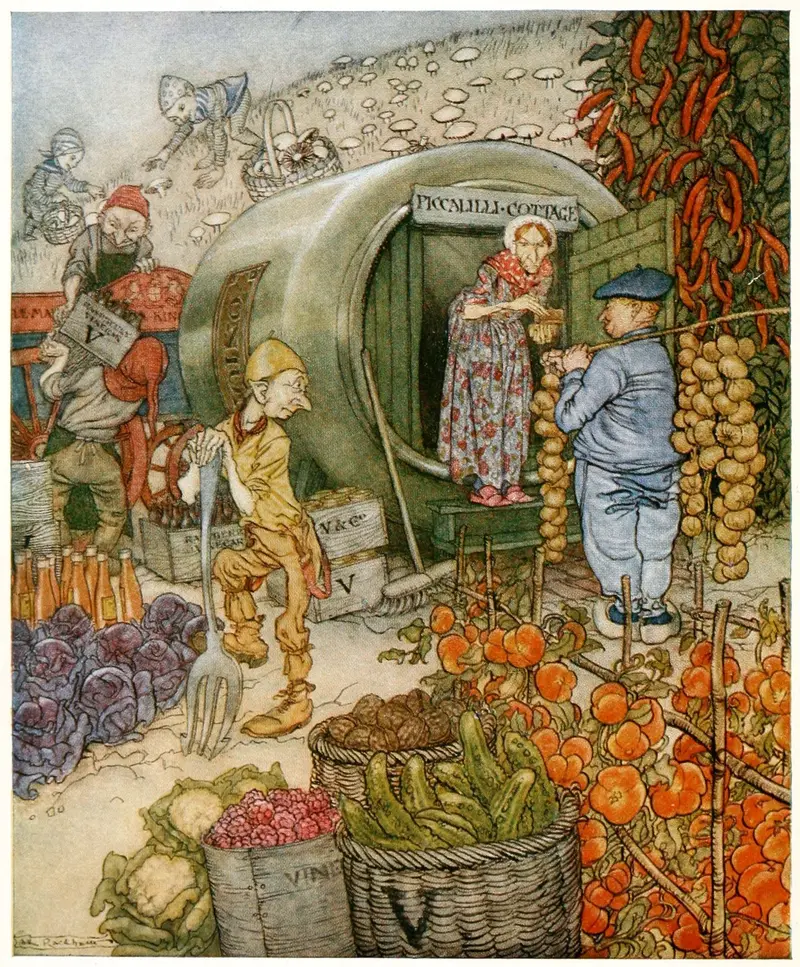
English Fairy Tales (Frontispiece)
Arthur Rackham
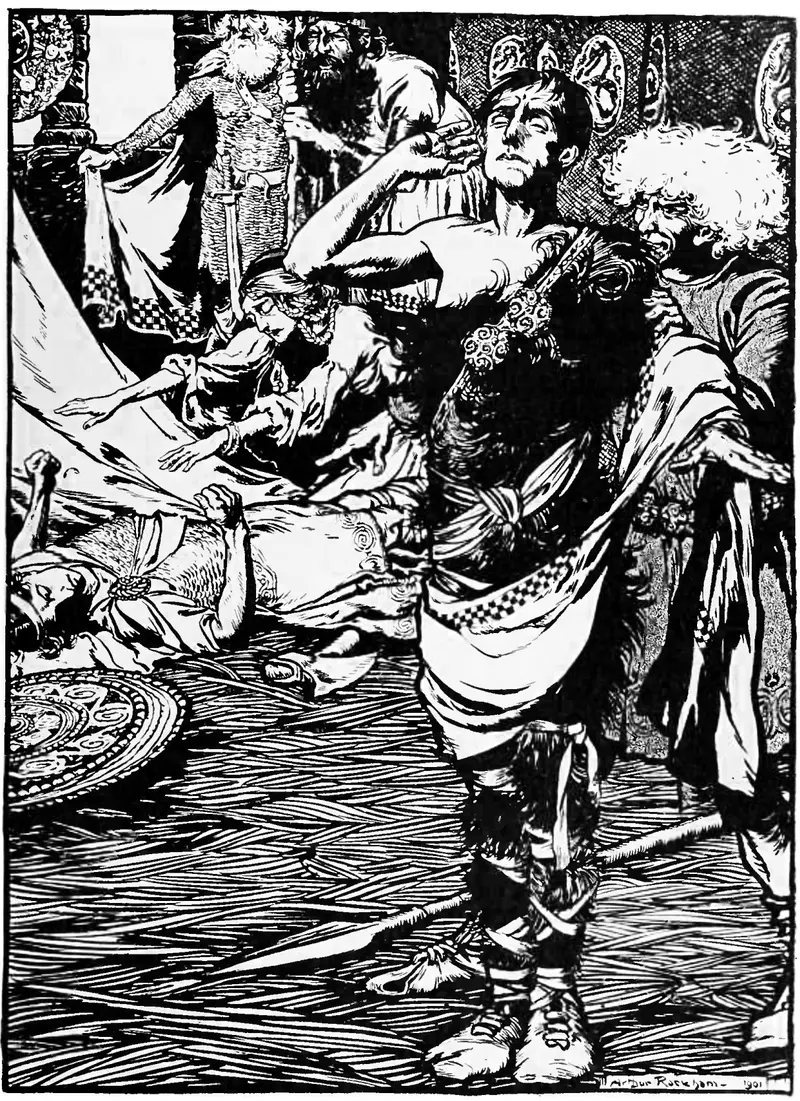
There Broke Forth a Wailing and a Lamentation
Arthur Rackham
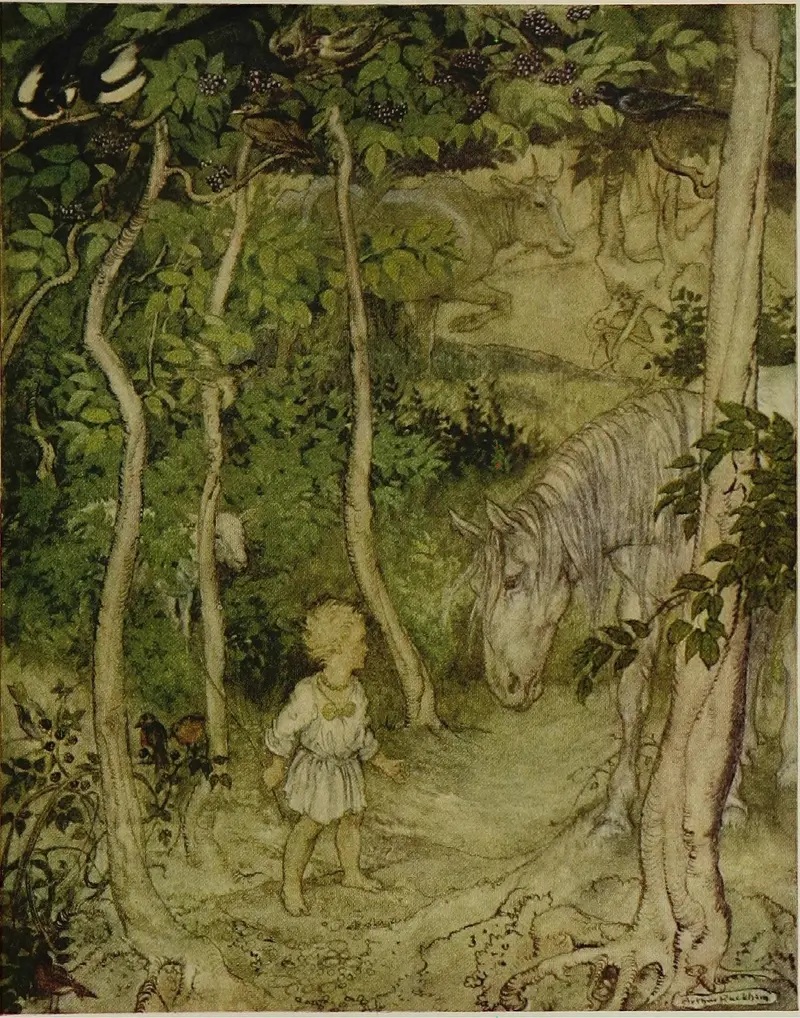
Irish Fairy Tales
Arthur Rackham
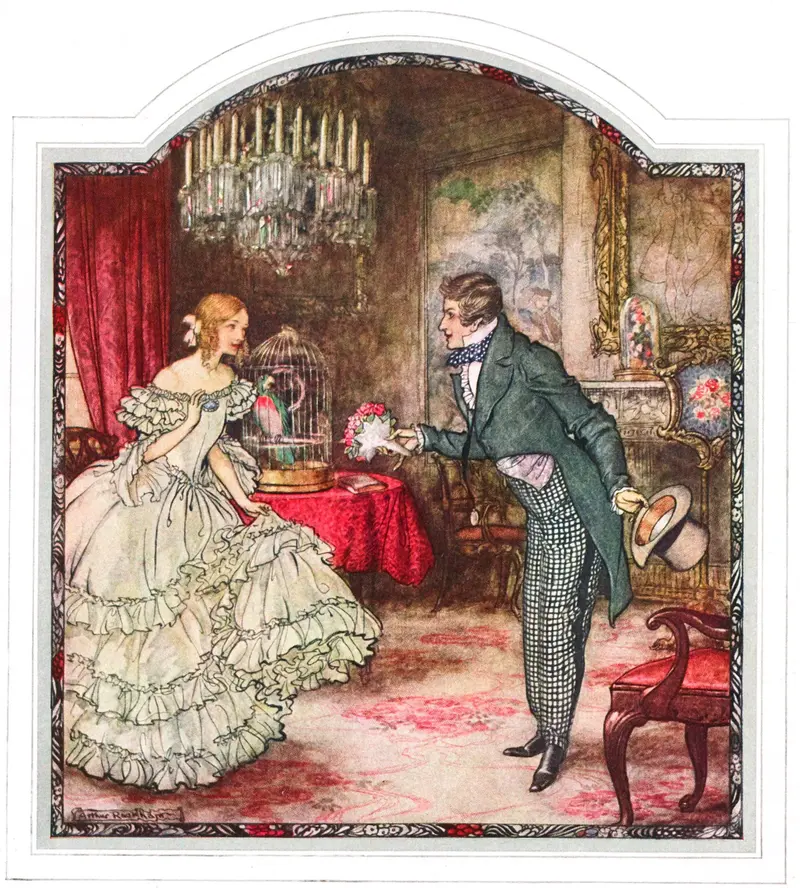
The Bouquet
Arthur Rackham

Mother Goose: The Old Nursery Rhymes
Arthur Rackham
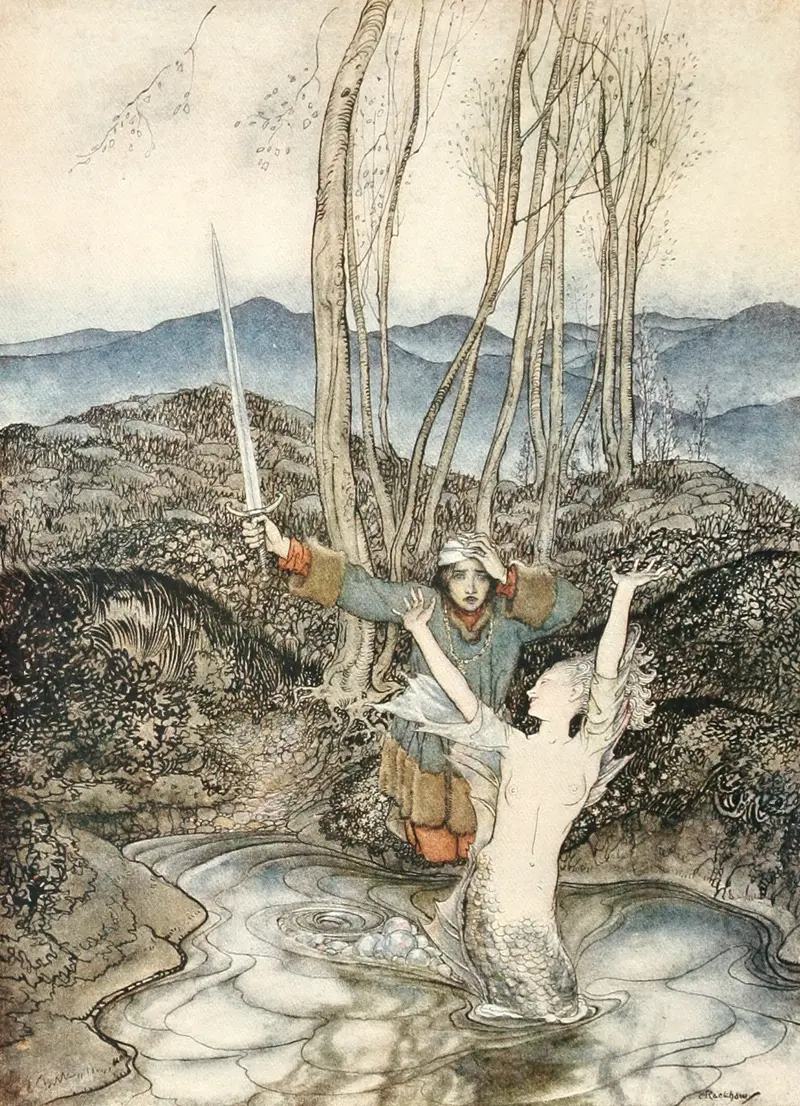
Clerk Colvill and the Mermaid
Arthur Rackham
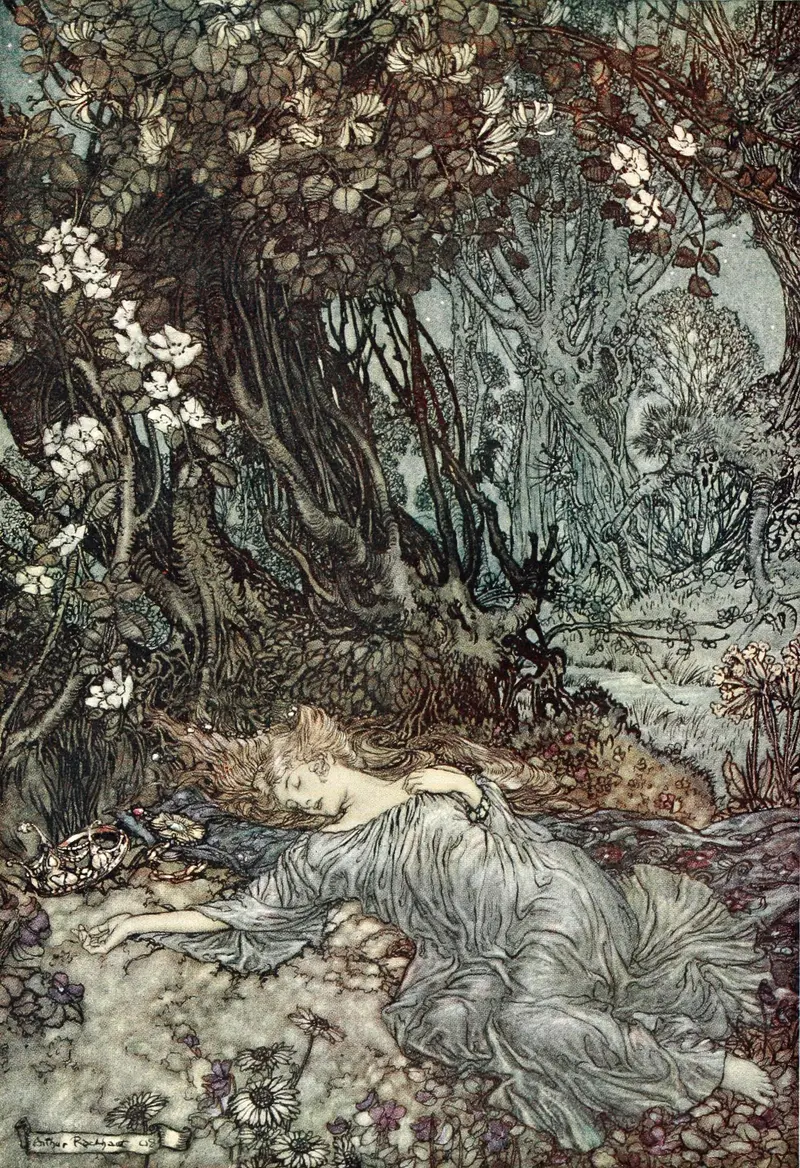
Titania Lying Asleep (A Midsummer Night's Dream)
Arthur Rackham





