
Young Woman and Child — History & Facts
The first thing that catches the eye in Young Woman and Child is the sweep of color that seems to bind the two figures together—a ribbon of red, green, and white that moves like a whisper between them. The woman, poised yet relaxed, leans toward the child, her gaze steady and soft, while the child stands in a vivid orange cloak, the golden hair almost glowing against the muted background. Light pours in from the left, catching on the woman’s dress and the child’s hair, guiding the viewer’s attention to the gentle exchange at the painting’s heart.
The background dissolves into strokes of pink and blue, suggesting a private, domestic world that is both intimate and impressionistic. Every brushstroke feels alive with movement, as if the scene might shift at any moment. Painted in 1894, this work belongs to the late flowering of Impressionism, a movement that prized the fleeting effects of light and the immediacy of modern life. Berthe Morisot was one of the few women at the heart of this artistic revolution, and her paintings often centered on women and children in domestic interiors—subjects rarely granted such attention by her male contemporaries.
This painting, now in the collection of the Yale University Art Gallery, is a testament to Morisot’s ability to capture the quiet drama of everyday life. History has kept few traces of the specific story behind this canvas, but the warmth and immediacy of its brushwork invite us to linger, searching for our own meaning in the exchange between woman and child.
More Artworks by Berthe Morisot

The Harbor at Lorient
Berthe Morisot
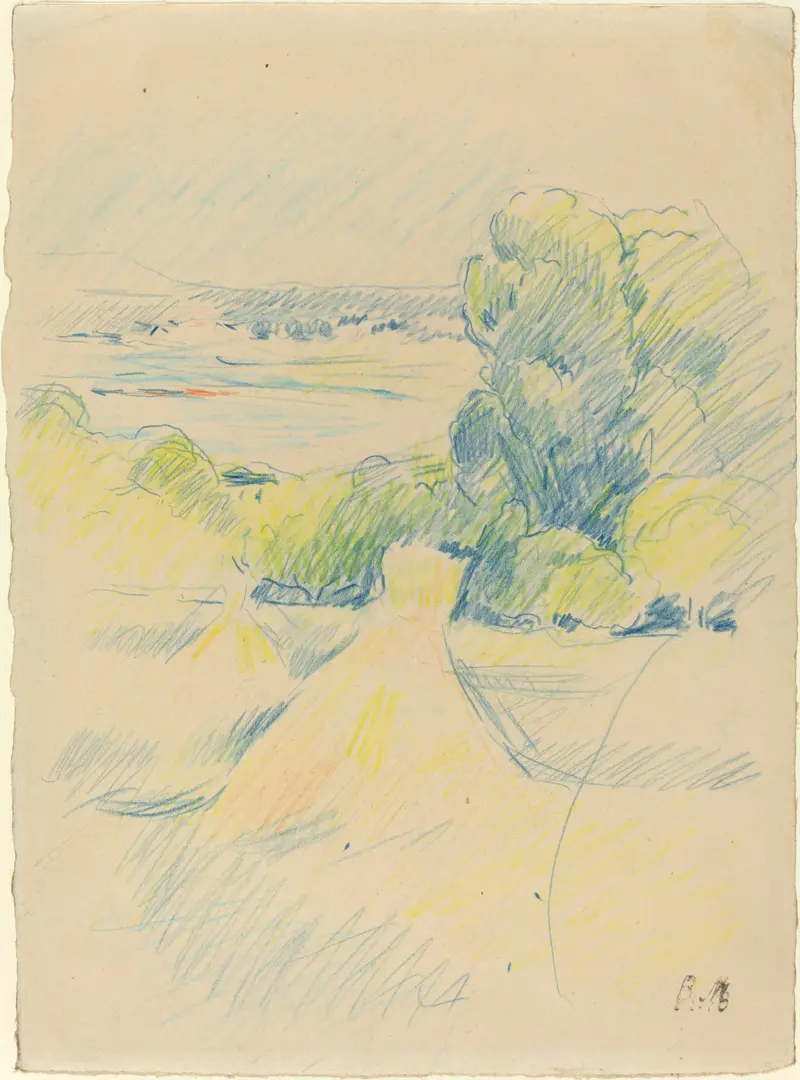
Landscape
Berthe Morisot

Hanging the Laundry out to Dry
Berthe Morisot

Woman in a Garden
Berthe Morisot

Young Girl with Hat
Berthe Morisot
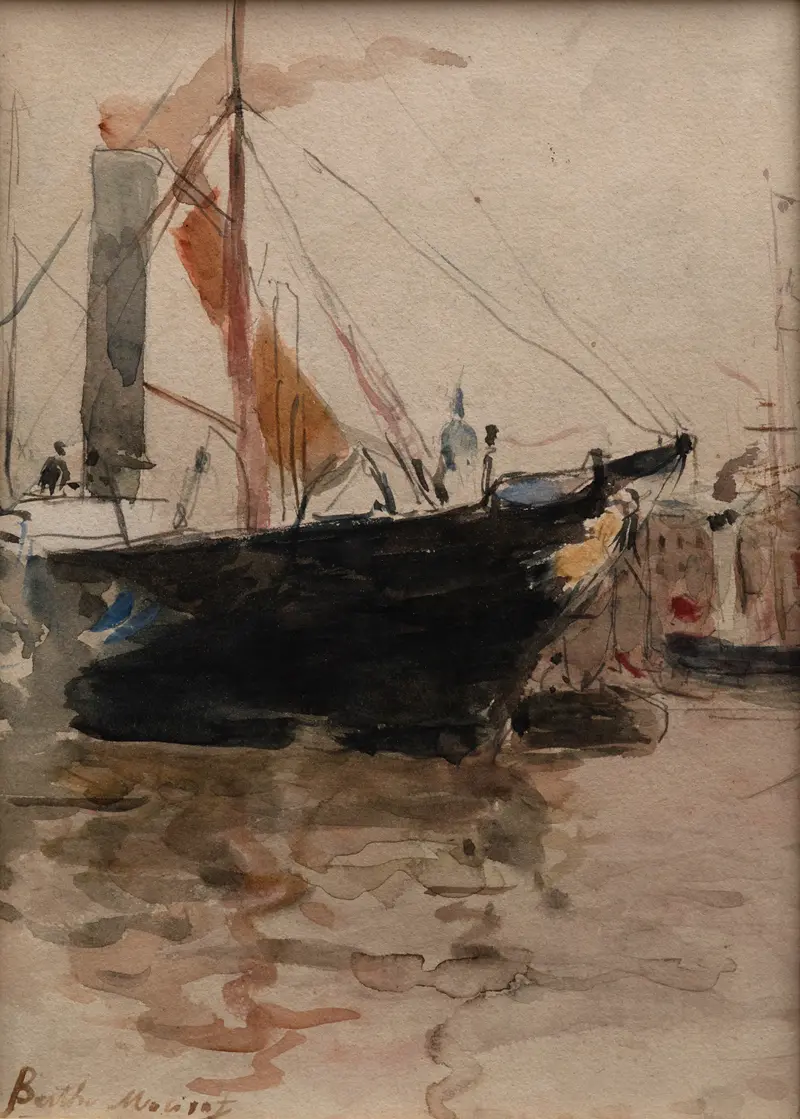
Harbor Scene, Isle of Wight
Berthe Morisot
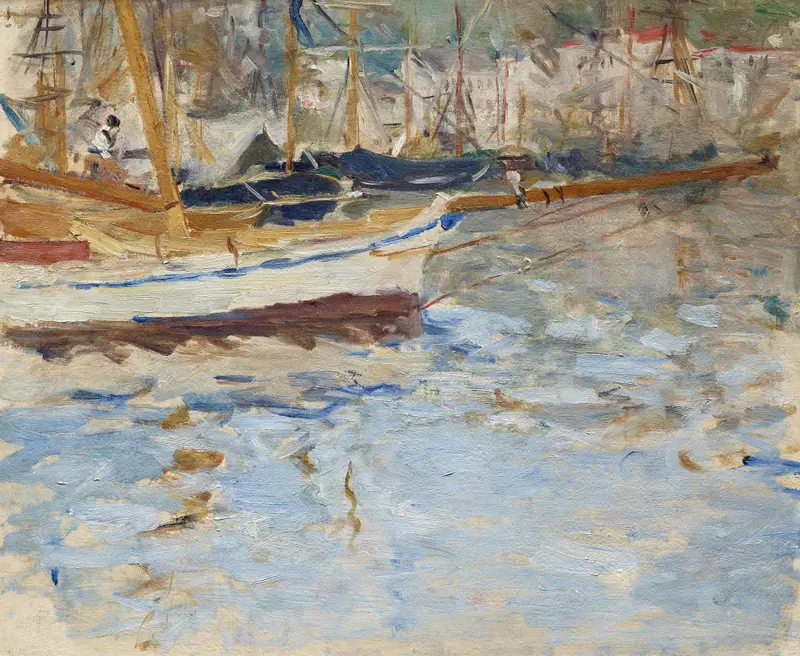
The Port of Nice
Berthe Morisot
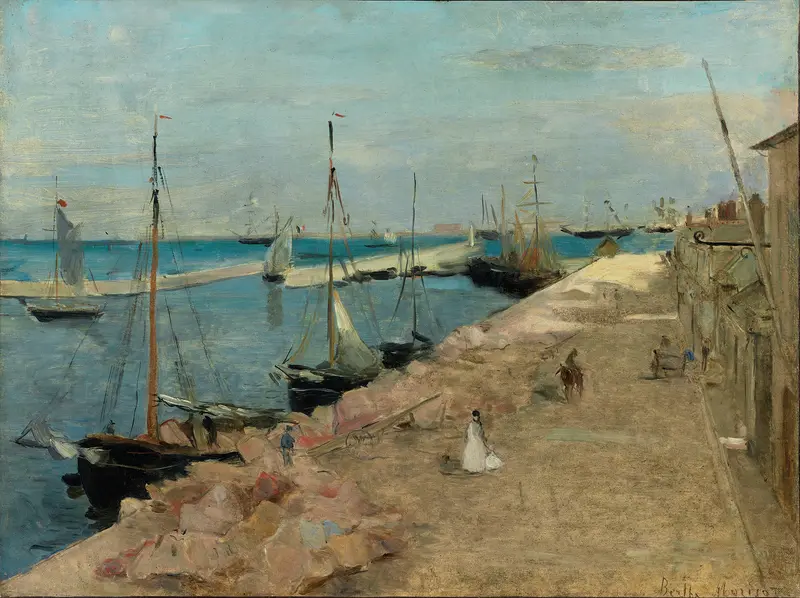
The Harbor at Cherbourg
Berthe Morisot

The Mother and Sister of the Artist
Berthe Morisot
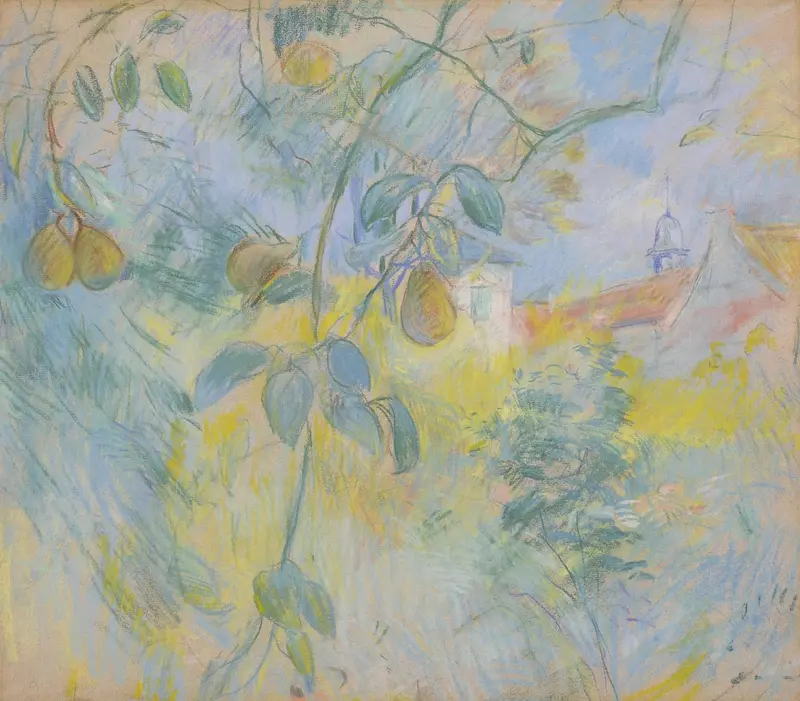
Les Poires
Berthe Morisot
More Genre Scene Art

Banquet of the Officers of the St George Civic Guard
Frans Hals

Rembrandt and Saskia in the Scene of the Prodigal Son
Rembrandt van Rijn

Bal du moulin de la Galette
Pierre-Auguste Renoir

Quadrille at the Moulin Rouge
Henri de Toulouse-Lautrec

A Burial at Ornans
Gustave Courbet

When Will You Marry?
Paul Gauguin