
Yverdon — History & Facts
In Yverdon, the haunting stillness of the landscape speaks volumes about the fragility of existence and the weight of time. The viewer is invited to ponder the transient nature of life, as the serene setting contrasts sharply with the ephemeral journey each soul undertakes. Look to the left at the gentle slopes of the hills, where the muted greens blend seamlessly into soft, atmospheric blues. The artist’s deft brushwork captures a delicate interplay of light and shadow, creating a sense of depth that pulls the viewer into the realm of the painting.
Notice how the clouds hover just above the horizon, their wispy forms echoing the uncertainty of life itself. This composition conveys not only the beauty of nature but also the fleeting moments that define our existence. Delving deeper, one might observe the solitary figure in the foreground, a poignant reminder of the individual's struggle against the vastness of the world. The distance between the figure and the expansive landscape emphasizes mortality—the inevitable journey toward the unknown.
The juxtaposition of vibrant colors with somber tones amplifies the emotional tension, inviting contemplation on the balance of joy and sorrow inherent in every life lived. Johann Friedrich Wagner created Yverdon between 1840 and 1844, during a period of significant artistic exploration influenced by Romanticism. The artist was captivated by themes of nature and the human experience, which mirrored broader movements in art that sought to evoke deep emotional responses. As the world confronted rapid changes and industrialization, Wagner’s work became a sanctuary for reflection—capturing the essence of human existence against the backdrop of a shifting world.
More Artworks by Johann Friedrich Wagner
Browse all →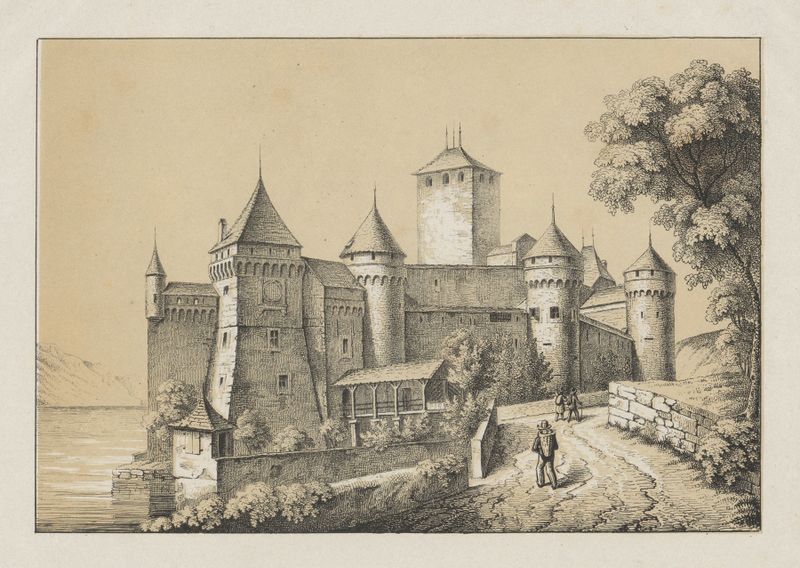
Chillon
Johann Friedrich Wagner

Valangin
Johann Friedrich Wagner
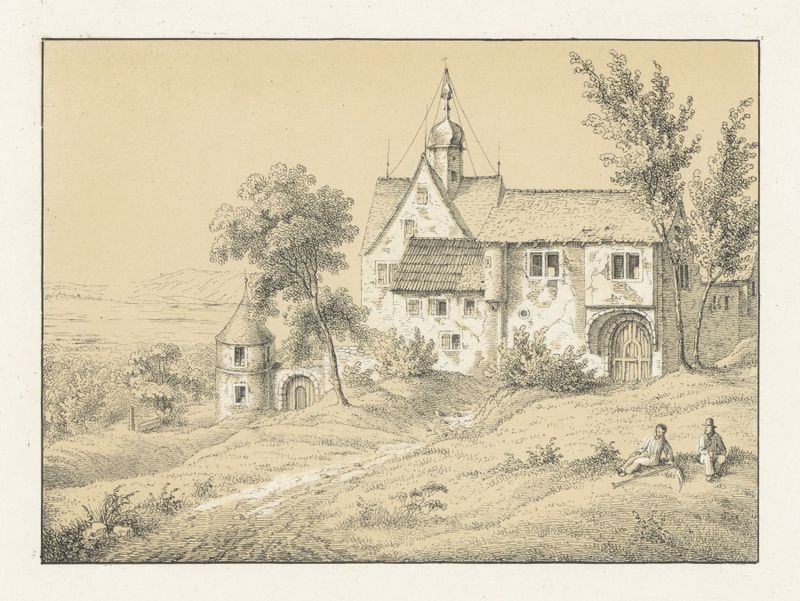
Greifenstein
Johann Friedrich Wagner

Vorburg
Johann Friedrich Wagner
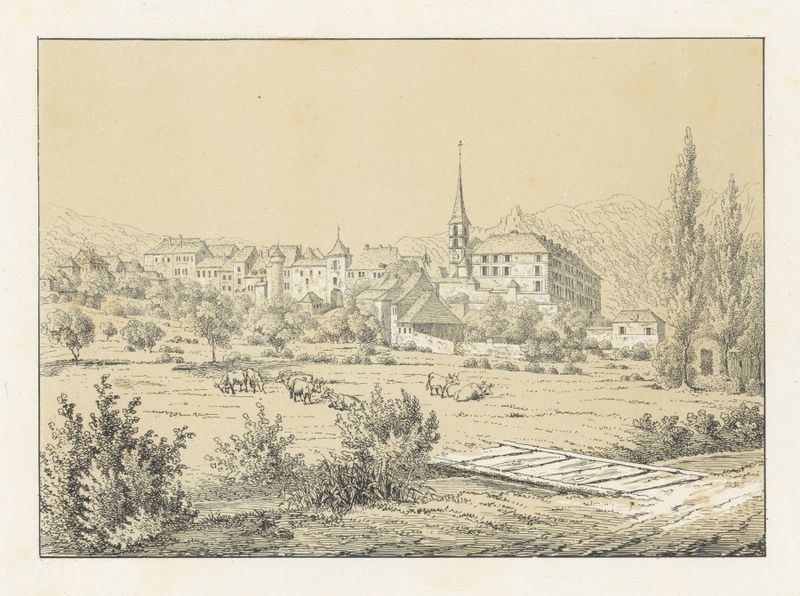
Delémont
Johann Friedrich Wagner

Pleujouse
Johann Friedrich Wagner

Challay
Johann Friedrich Wagner
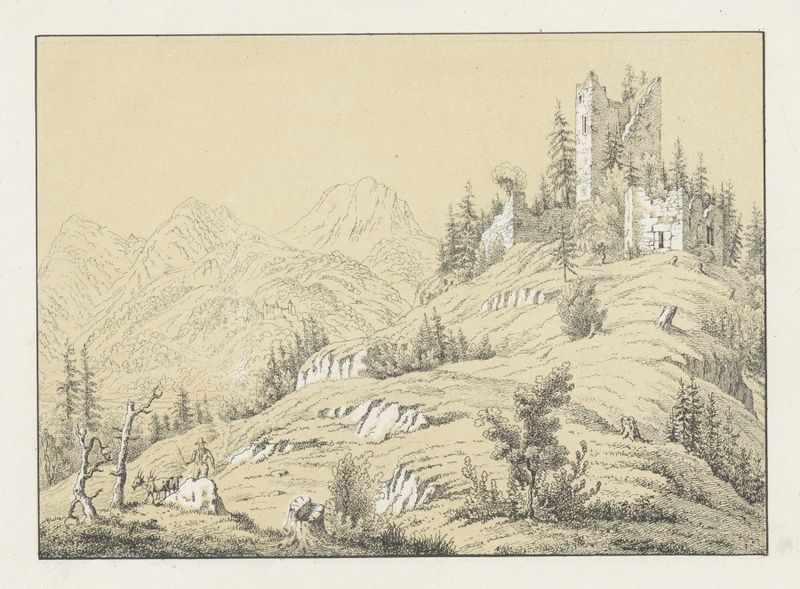
Mont Salvant
Johann Friedrich Wagner
Aha. Od. Untere Burg von Sarnen
Johann Friedrich Wagner
Lausanne
Johann Friedrich Wagner





