
Zelfmoord van Lucretia — History & Facts
Did the painter know this moment would outlive them? In Zelfmoord van Lucretia, the heavy weight of legacy is painted not just in the visceral act before us, but in the very brush strokes that have enshrined this tragic tale for centuries. Focus on the anguished figure of Lucretia at the center, her pale skin contrasting sharply against the deep reds and earth tones surrounding her. The light falls softly on her face, illuminating the teardrops brimming in her eyes, yet casting shadows that hint at the suffocating despair enveloping her. Notice how the dynamic composition draws our gaze from her poised dagger to the flowing fabric of her garments, which ripple as if echoing her turmoil, creating a palpable tension that resonates beyond the canvas. The painting encapsulates a poignant clash between honor and helplessness.
In her moment of choice, Lucretia embodies the struggle of women caught between societal expectation and personal agency. The viewer can sense the furious energy of her defiance coalescing with a resignation that speaks to the broader narrative of sacrifice and tragedy. The use of color—from the vibrant red of her robe to the muted tones that frame her—mimics this duality, emphasizing both the vibrancy of life and the inevitability of death. Lucas van Leyden created this powerful work between 1513 and 1517 in the Netherlands, during a time of significant social and artistic transformation.
The Northern Renaissance was flourishing, and artists were increasingly exploring themes of human emotion and morality. This piece reflects not only his technical skill but also a deep engagement with the moral complexities of his subjects, capturing a moment that would resonate through the ages.
More Artworks by Lucas van Leyden
Browse all →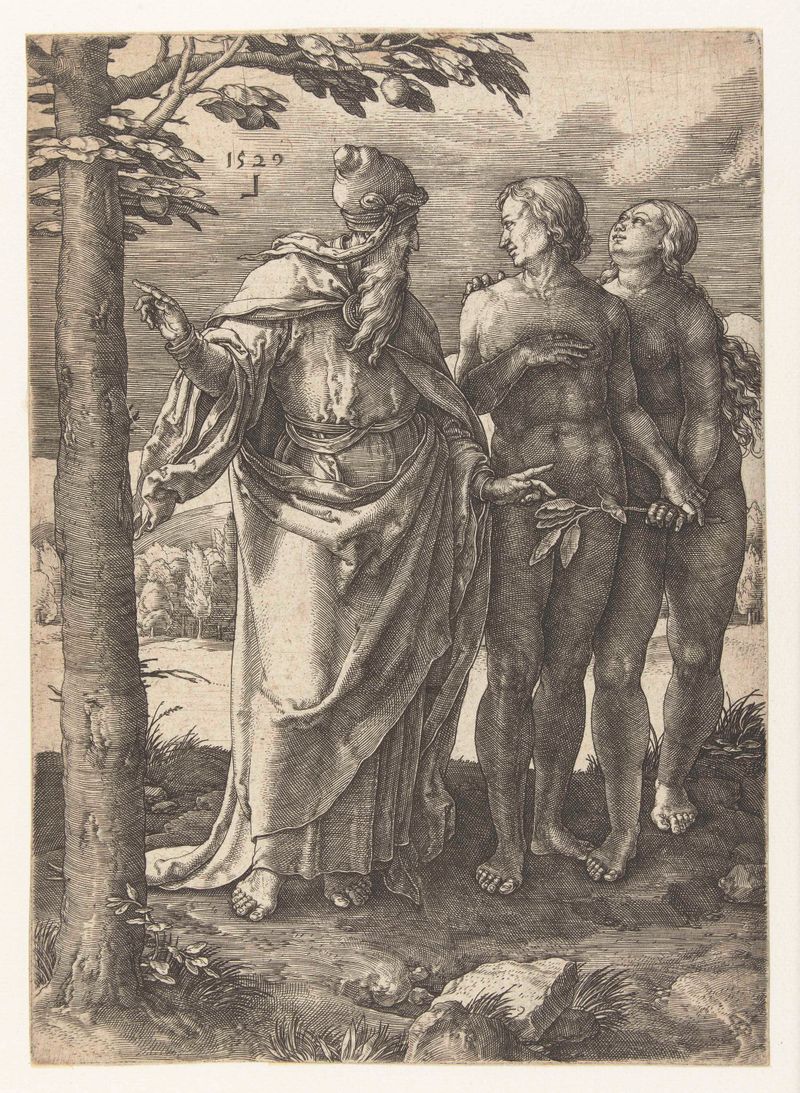
Het eerste verbod
Lucas van Leyden
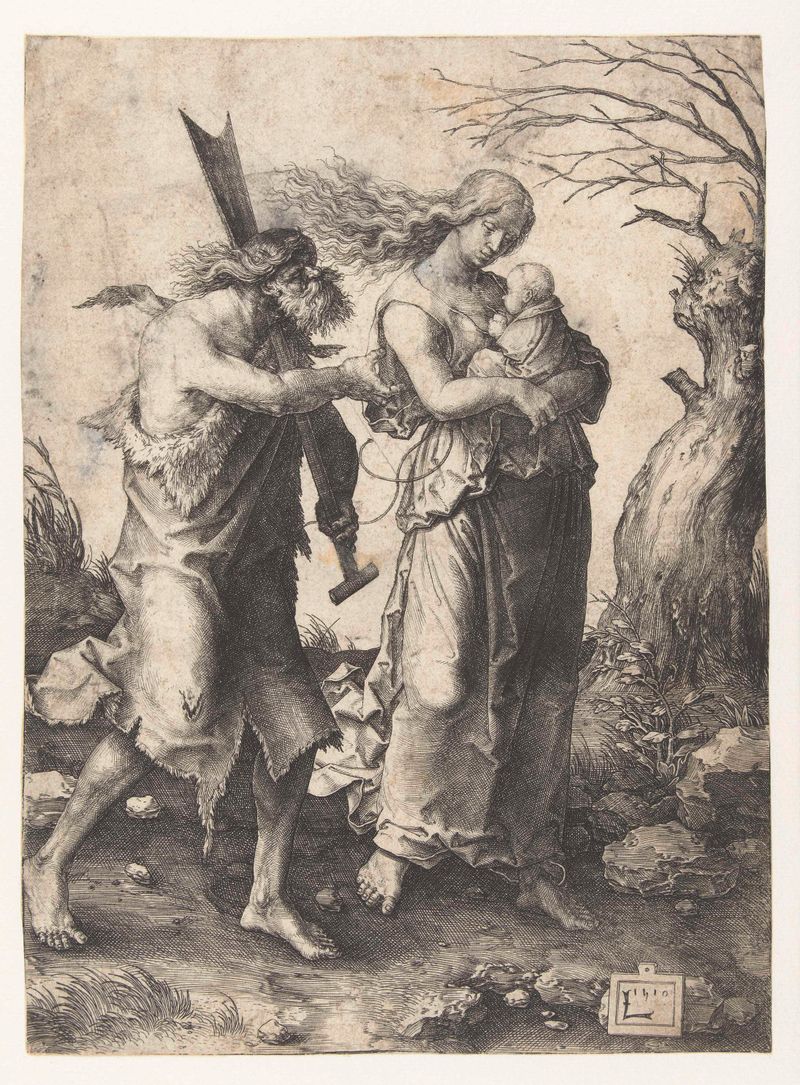
Adam en Eva na de verdrijving uit het paradijs
Lucas van Leyden
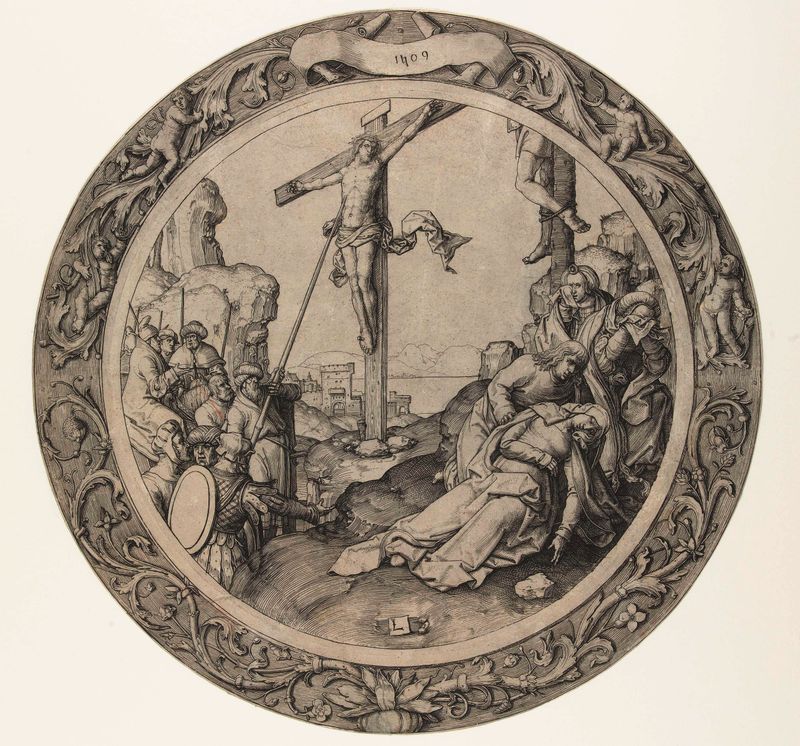
De kruisiging
Lucas van Leyden
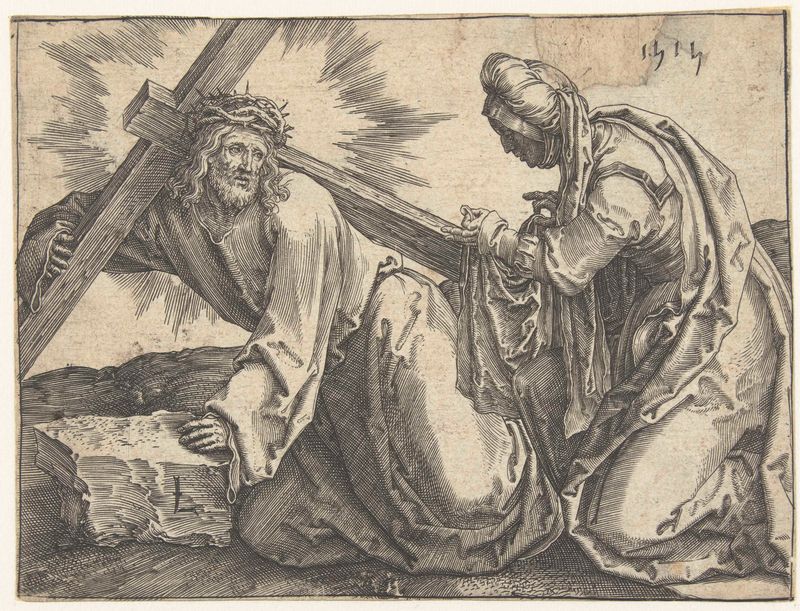
Kruisdraging
Lucas van Leyden
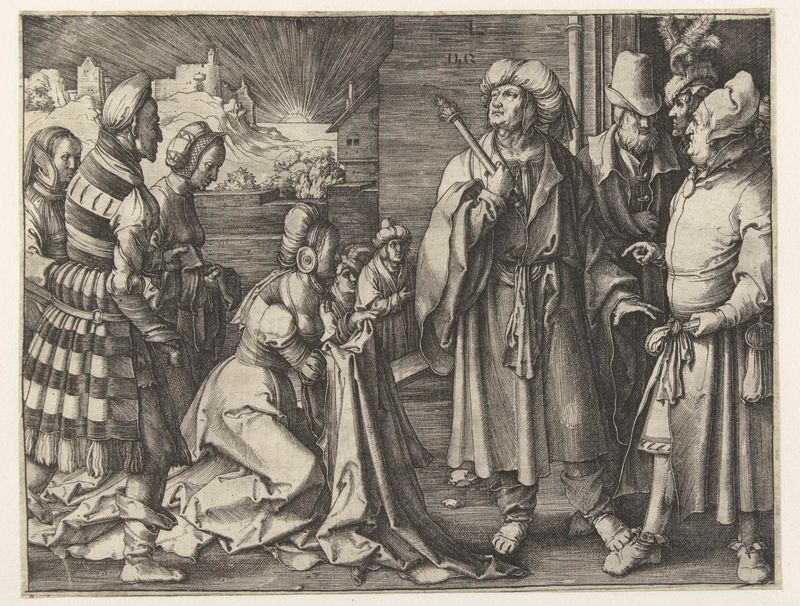
De vrouw van Potifar beschuldigt Jozef
Lucas van Leyden
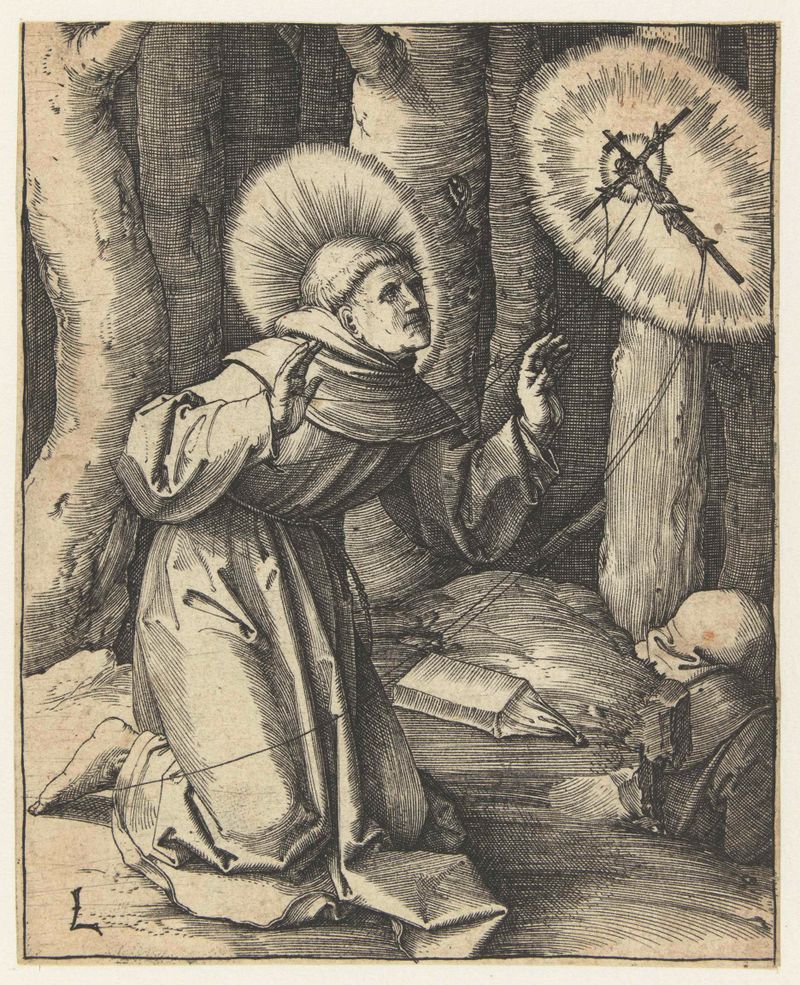
De stigmatisatie van de heilige Franciscus
Lucas van Leyden
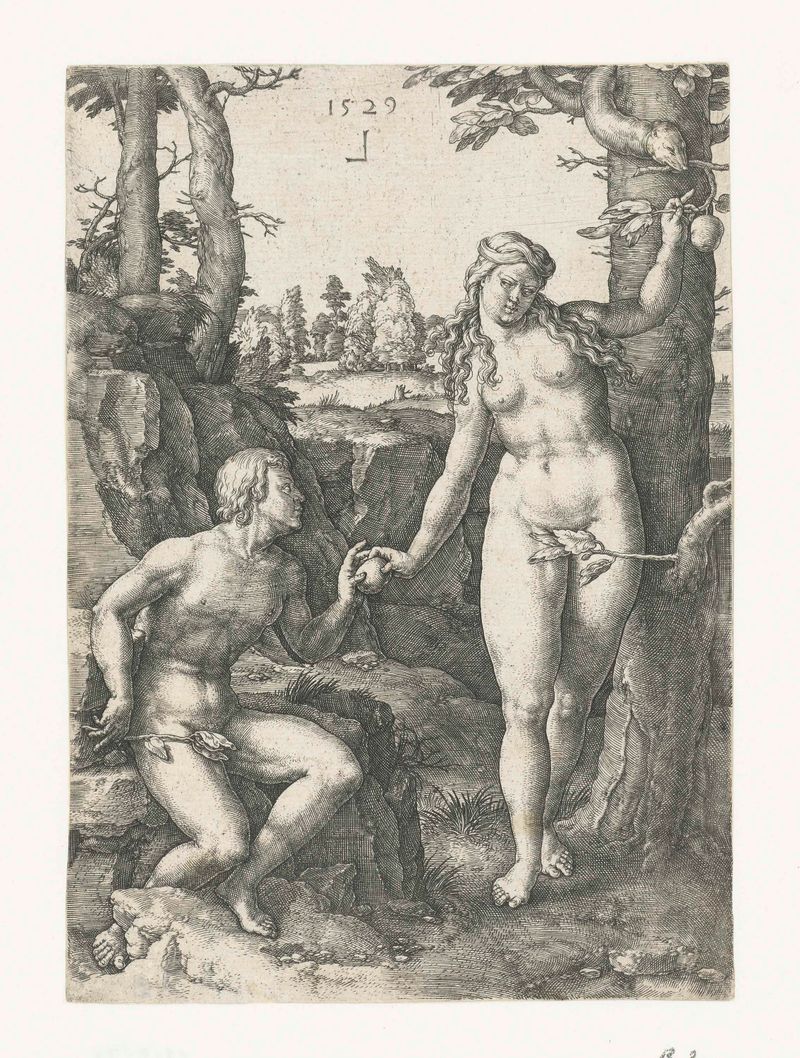
De zondeval
Lucas van Leyden
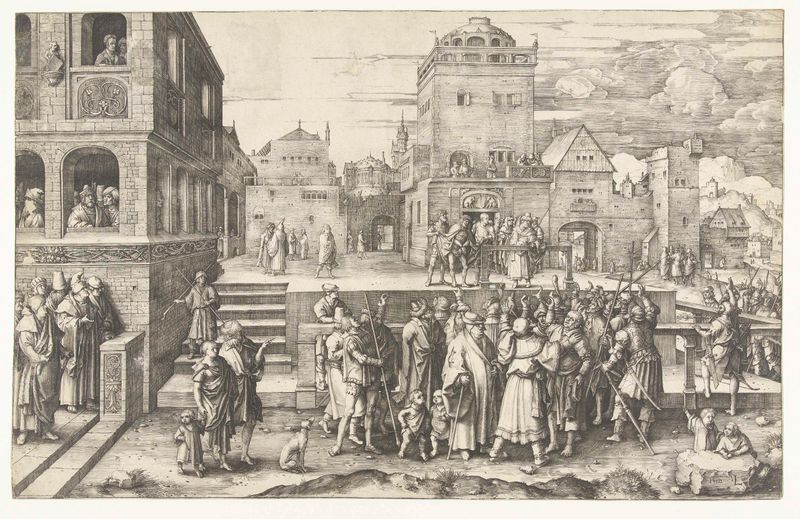
De grote Ecce Homo
Lucas van Leyden
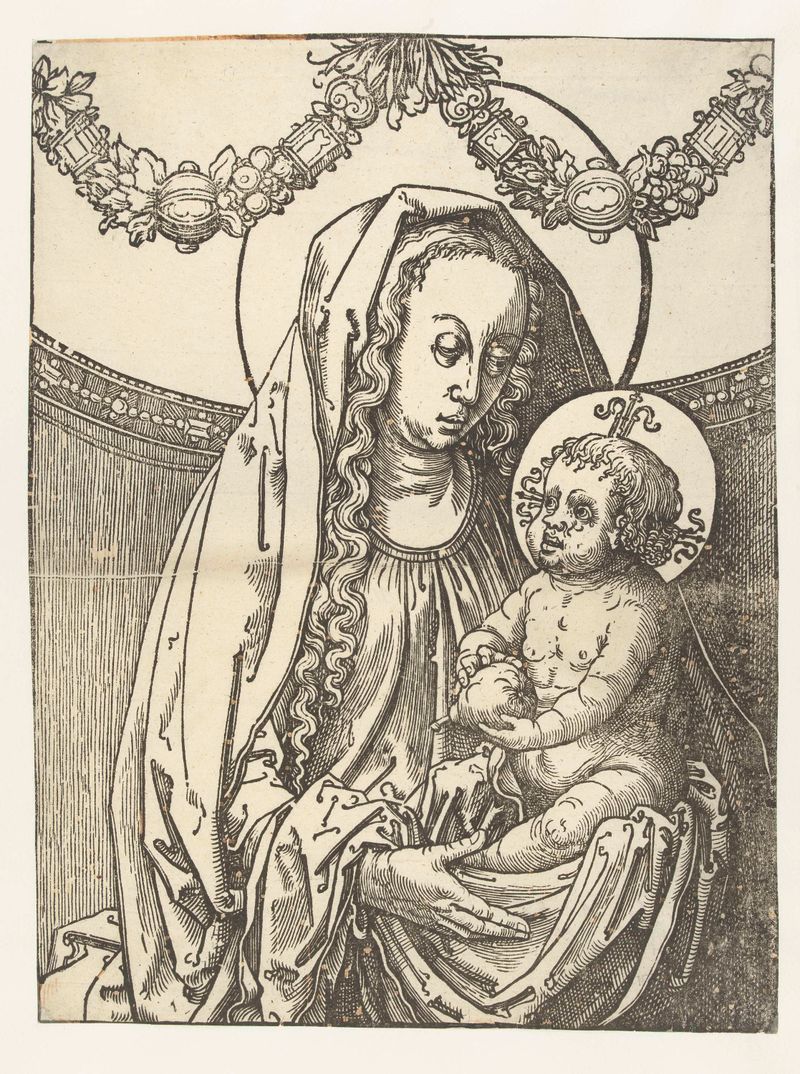
Maria met kind
Lucas van Leyden

Doornenkroning
Lucas van Leyden
More Historical Art
Browse all →
The Night Watch Militia Company of District II under the Command of Captain Frans Banninck Cocq
Rembrandt van Rijn

Lincoln Memorial
Henry Bacon

The Third of May 1808
Francisco de Goya

Isaac and Rebecca, Known as ‘The Jewish Bride’
Rembrandt van Rijn

The Charge of the Mamelukes (1814)
Francisco de Goya

De vier ruiters van de apocalyps
Albrecht Dürer