1. Plafond du Tombeau D’anna (n° 81), 2. Plafond du Tombeau de Thotnofer (n° 80) — History & Facts
What if beauty was never meant to be finished? In the delicate brushstrokes of Plafond du Tombeau D’anna and Plafond du Tombeau de Thotnofer, Gustave Jéquier captures the haunting essence of loneliness, where each intricate detail speaks of a story still waiting to be told. Look closely at the expansive ceiling formed by Jéquier's masterful hand. Notice how the soft, muted colors blend seamlessly, evoking a sense of time suspended. Your eye is first drawn to the ethereal figures, their graceful forms intertwined with elaborate motifs—symbols of life and death converging in a melancholic dance.
The light filtering through the shapes creates an almost ghostly glow, inviting reflection on the contrast between the vibrancy of creation and the inevitability of decay. Delve deeper into the emotional undertones woven into the fabric of the work. The figures, while beautiful, exude a palpable sense of isolation, as if they exist in a realm all their own, disconnected from the world below. Each intricate detail serves as a reminder of the ephemeral nature of beauty and existence—a thoughtful reflection on how solitude can be both a source of inspiration and a profound emptiness.
This interplay between form and feeling encapsulates the duality of human experience, where the allure of art meets the depths of personal longing. Gustave Jéquier created these poignant works in 1911, amidst a period of artistic exploration and innovation. Living in Paris, he was influenced by the surge of symbolism and the quest for deeper meaning in art. At a time when the world was on the brink of great change, Jéquier's focus on beauty intertwined with loneliness resonated deeply, inviting viewers to contemplate their own connections to the ethereal.
More Artworks by Gustave Jéquier
Browse all →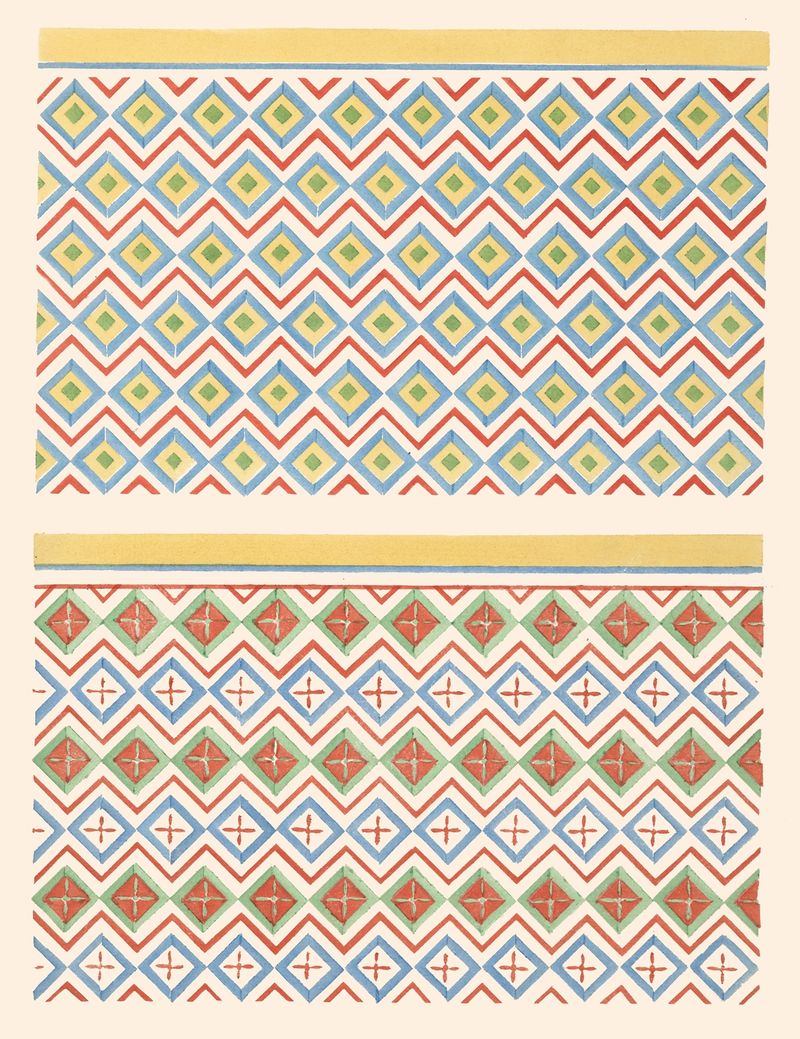
9. Plafond du Tombeau de Hapousenb (n° 67), 10. Plafond du Tombeau D’amounzeh (n° 84)
Gustave Jéquier
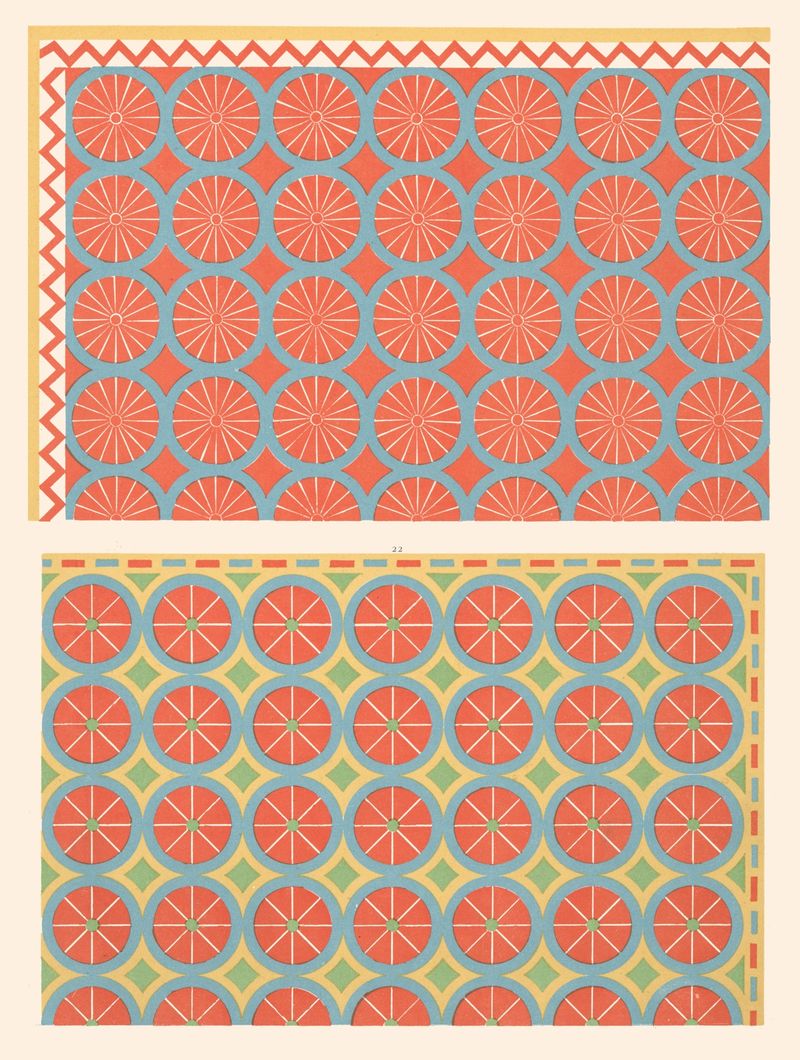
22. Plafond du Tombeau de Hiq-er-Neheh (n°64), 23. Plafond du Tombeau de Tenna (n° 76)
Gustave Jéquier
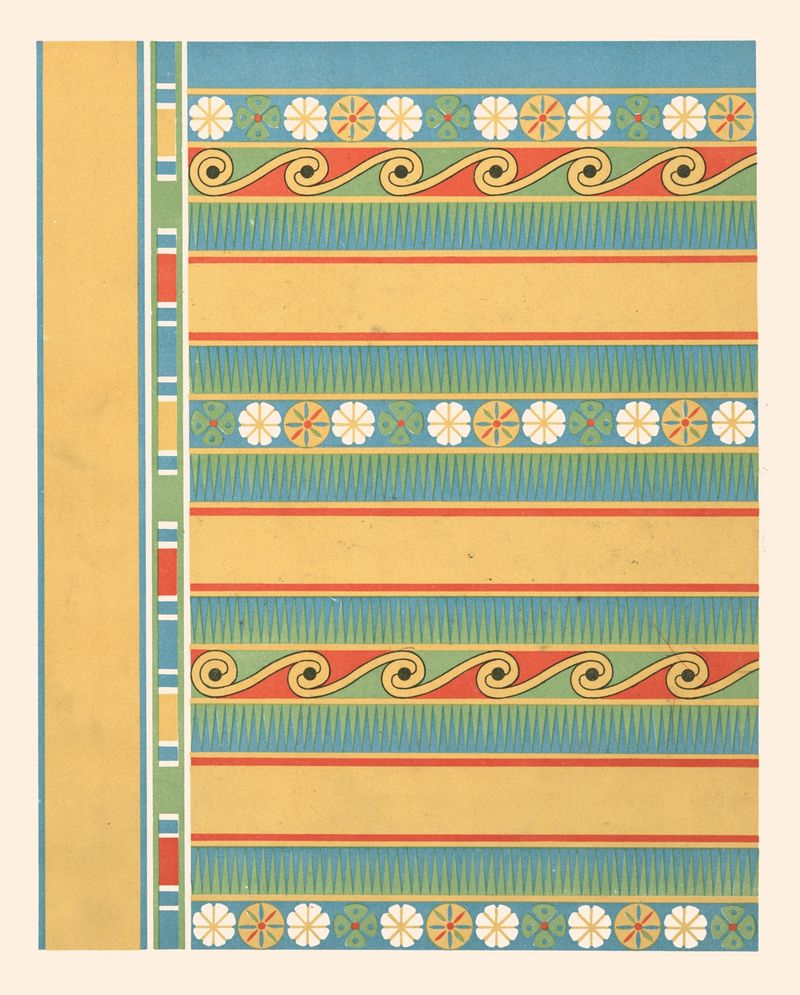
49. Plafond du Tombeau de Nesi-pa-Noferher (n° 68)
Gustave Jéquier
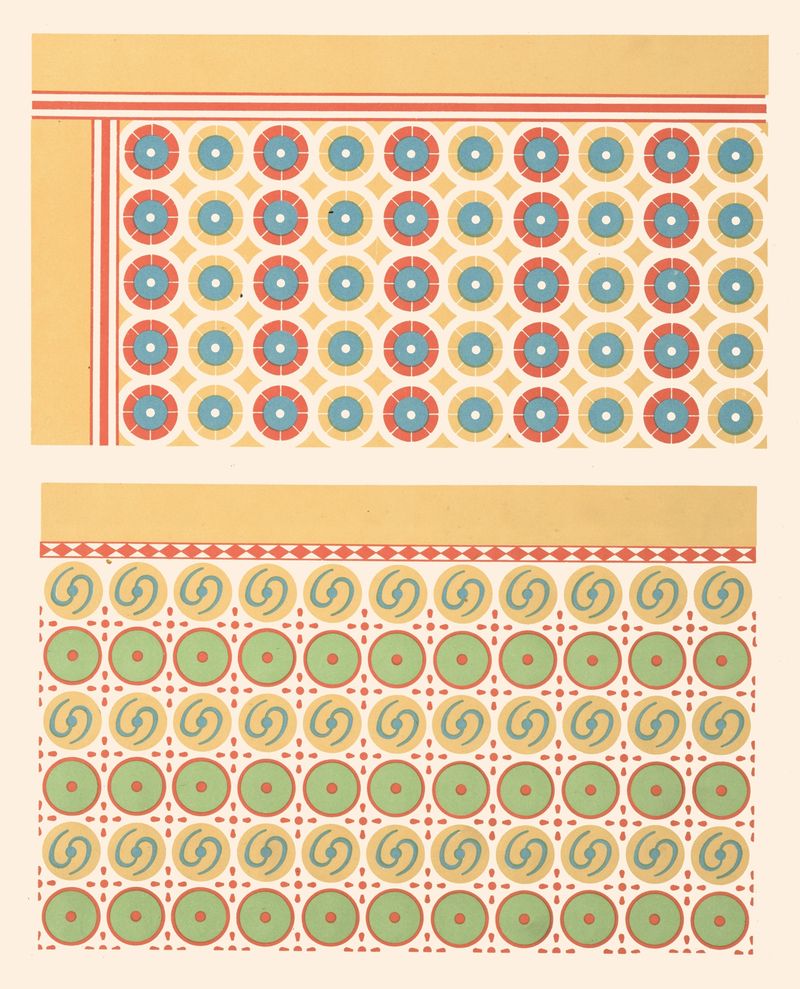
20. Plafond du Tombeau D’amenheb (n° 90), 21. Plafond du Tombeau de Menkheper (n° 79)
Gustave Jéquier
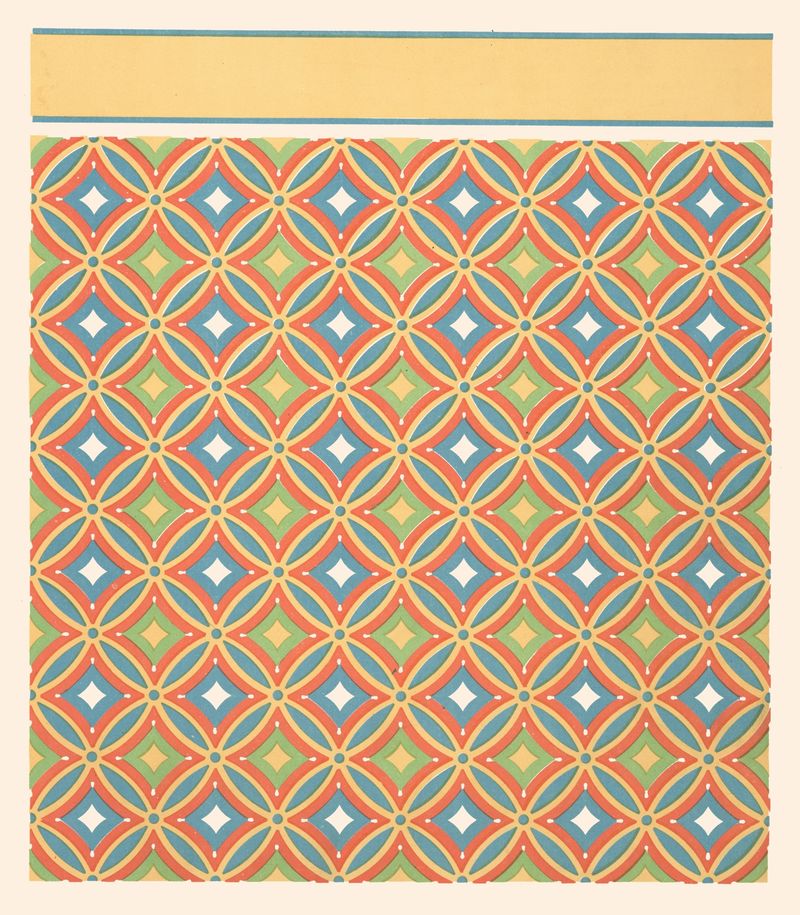
29. Plafond du Tombeau D’amenemhat (n° 82)
Gustave Jéquier
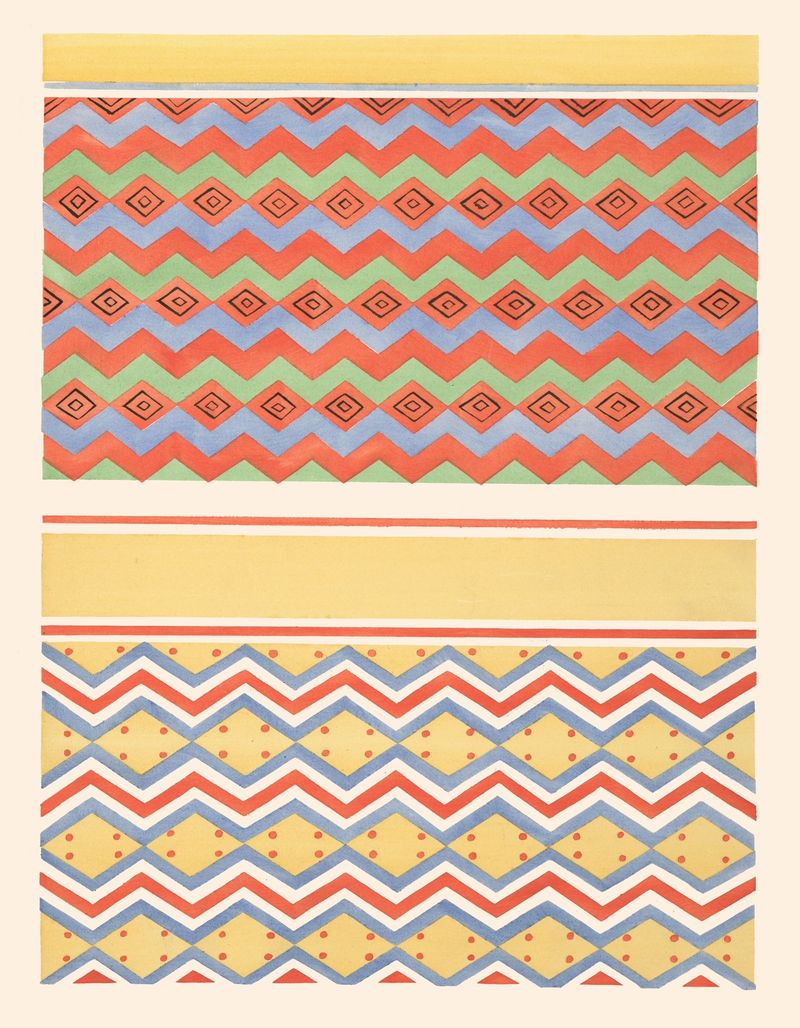
5. Plafond du Tombeau D’amounzeh (° 84), 6. Plafond du Tombeau D’amenemheb
Gustave Jéquier
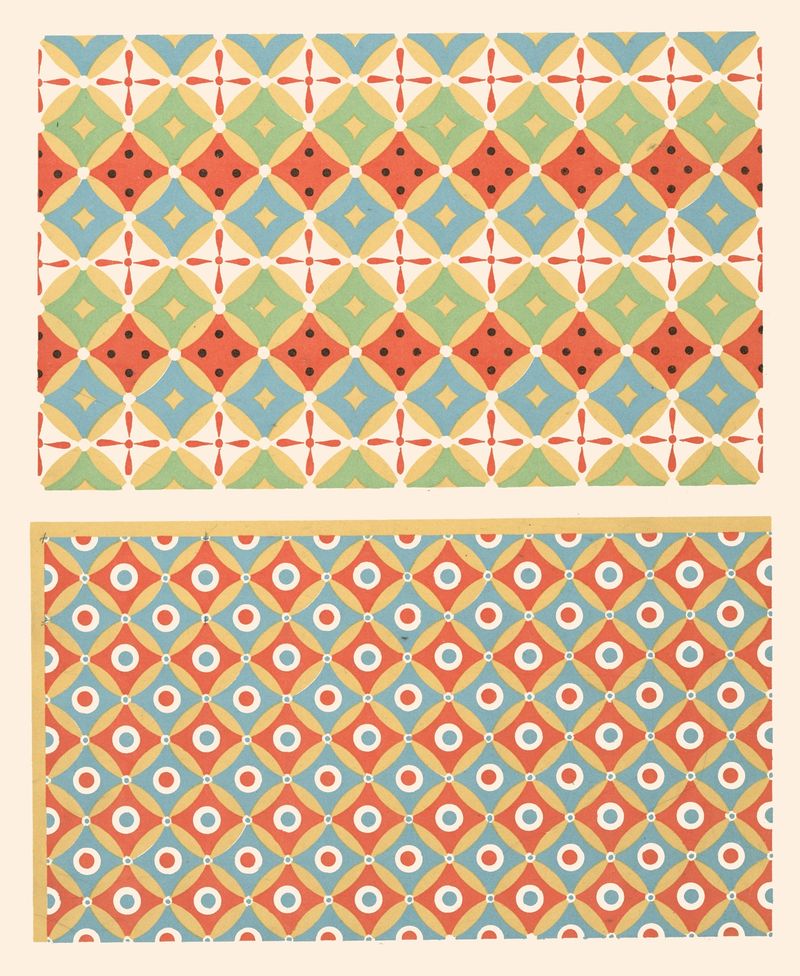
27. Plafond du Tombeau de Nekht-Mîn (n° 87), 28. Plafond du Tombeau n° 91 (Anonyme)
Gustave Jéquier
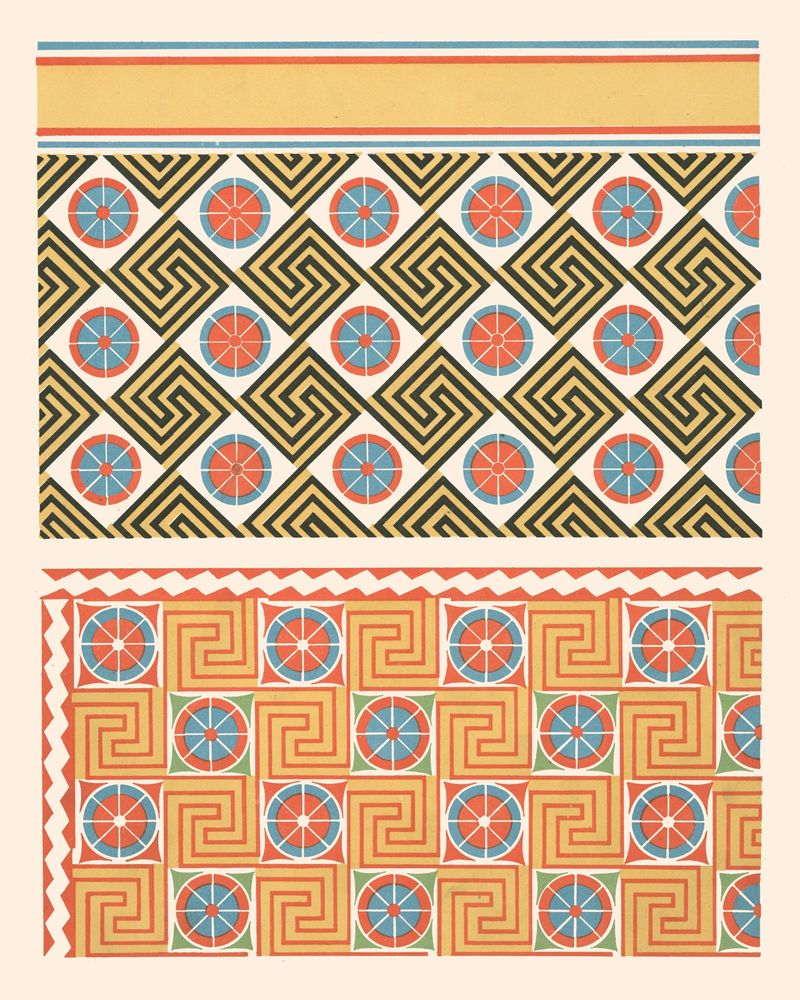
38. Plafond du Tombeau D’anna (n° 81), 39. Plafond du Tombeau de Senmout (n° 71)
Gustave Jéquier
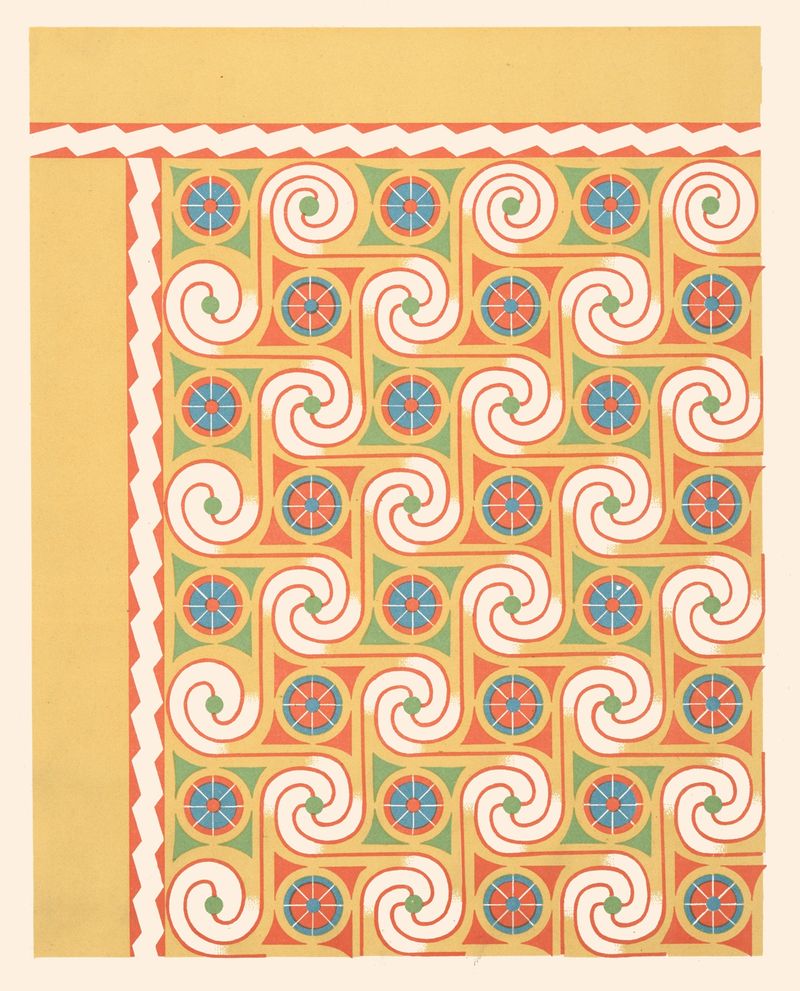
34. Plafond du Tombeau de Senmout (n° 71)
Gustave Jéquier
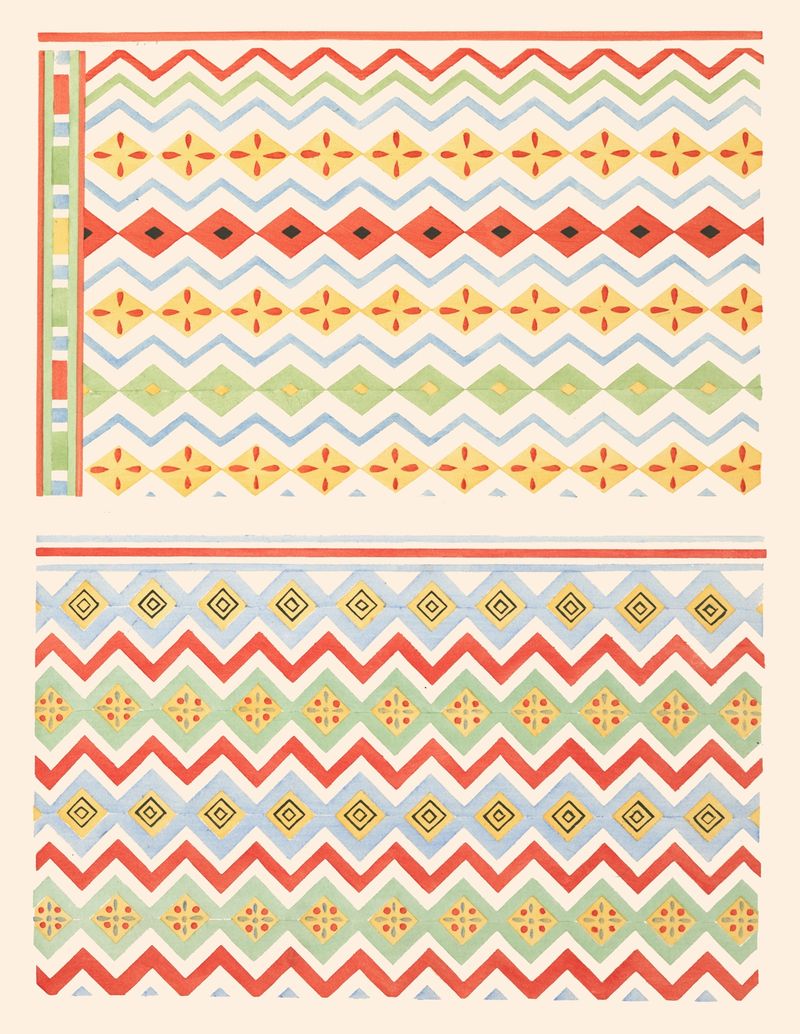
7. Plafond du Tombeau D’amenemant (n° 58), 8. Plafond du Tombeau de Pehsoukehr (n° 88)
Gustave Jéquier