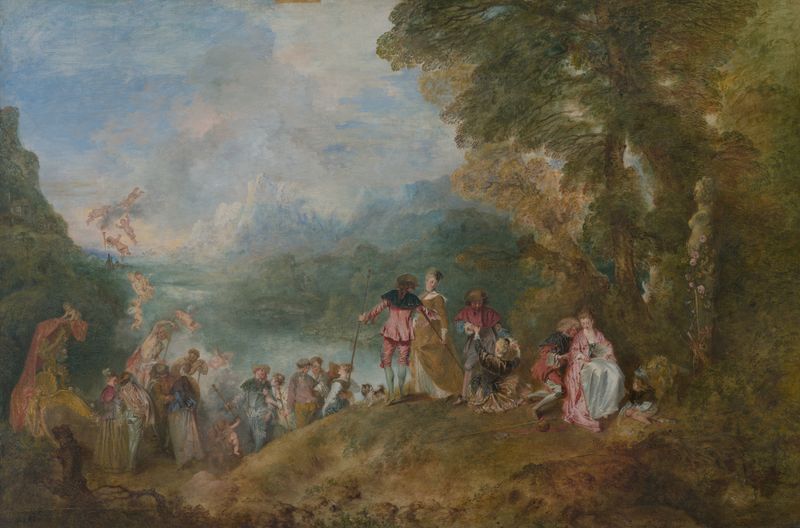
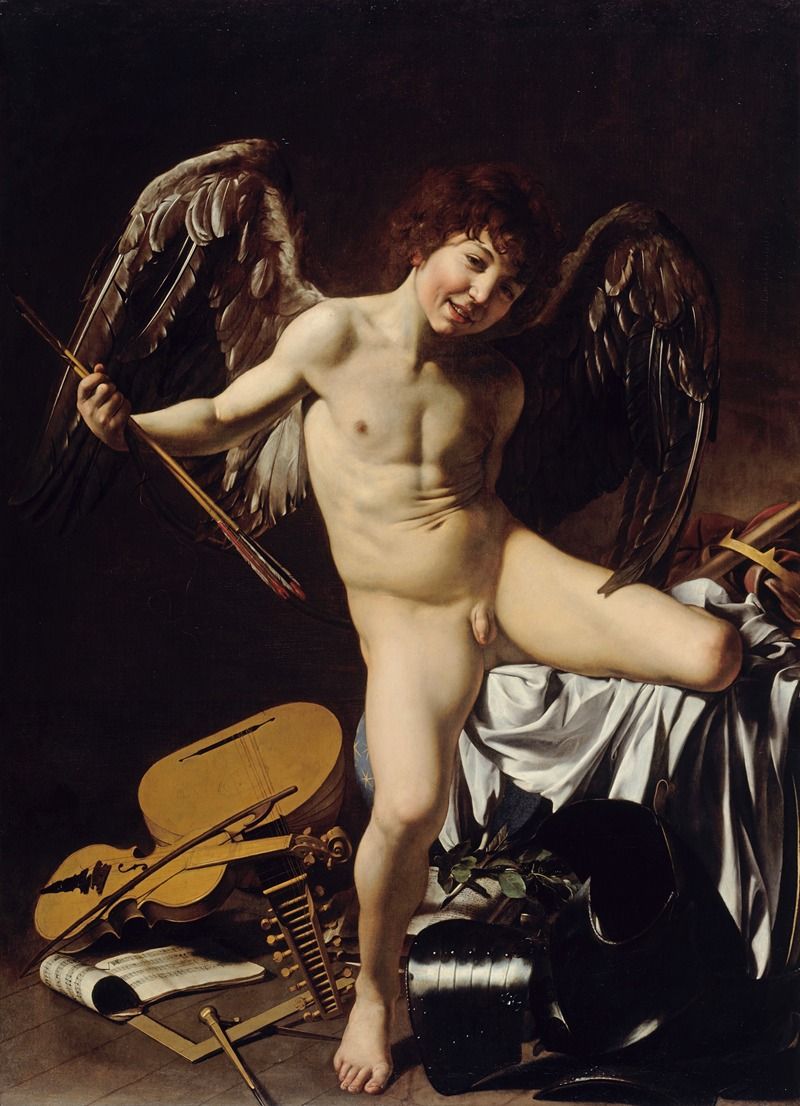
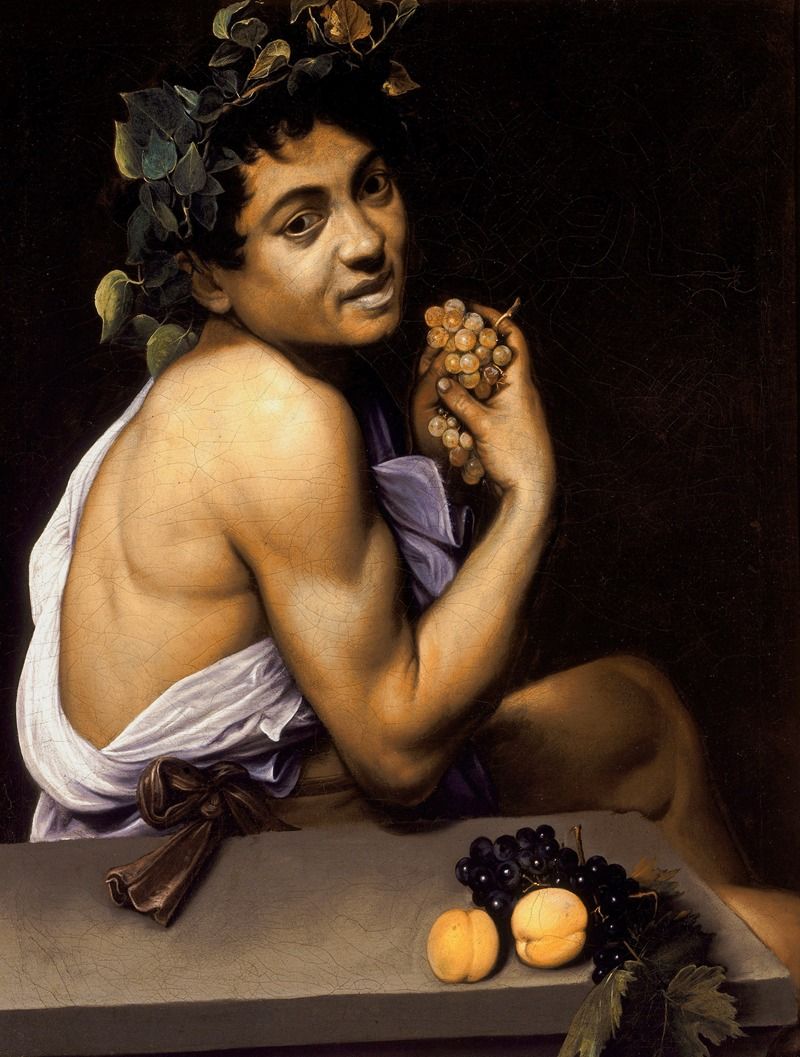
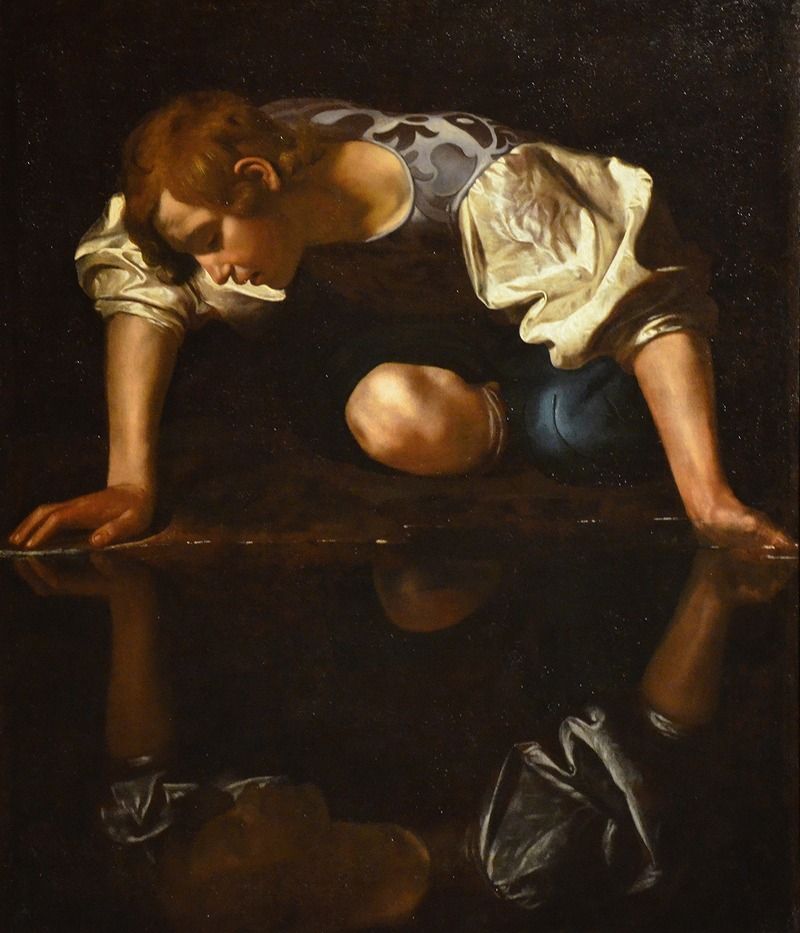
25. Plafond du Tombeau D’amenemant (n° 58), 26. Plafond du Tombeau de Sonnofri (n° 97) — History & Facts
In a world where the fleeting moments of existence often dissolve into shadows, the act of creation becomes a poignant defiance against solitude. Look closely at the sprawling frescoes; your eyes should be drawn to the intricate details of the celestial figures. Each character is imbued with a melancholic grace, their expressions frozen in a timeless dialogue. The color palette, dominated by muted blues and warm ochres, envelops the scene in an ethereal glow, suggesting a melancholic reminiscence.
Notice how the delicate brushwork captures the play between light and shadow, creating a sense of depth that invites viewers to step into the reverie of the past. Beneath the surface of the grandeur lies a profound commentary on loneliness. The celestial beings, while surrounded by opulence, exhibit a sense of isolation that resonates deeply; they are both exalted and detached. This duality reflects the paradox of human experience—where beauty coexists with solitude.
The juxtaposition of vibrant hues against muted tones echoes the emotional tension between life’s splendor and the inherent loneliness that accompanies it. In 1911, Jéquier, a Swiss painter and architect, created these frescoes at the tombs in Egypt, where he sought to revive ancient artistic traditions. This period marked a fascination with Egyptology and a yearning for the past, as artists and intellectuals grappled with modernity’s complexities. Amidst this cultural milieu, he channeled his experiences and thoughts into a work that intertwines the tangible with the ethereal, encapsulating the essence of remembrance against the inexorable passage of time.
More Artworks by Gustave Jéquier
Browse all →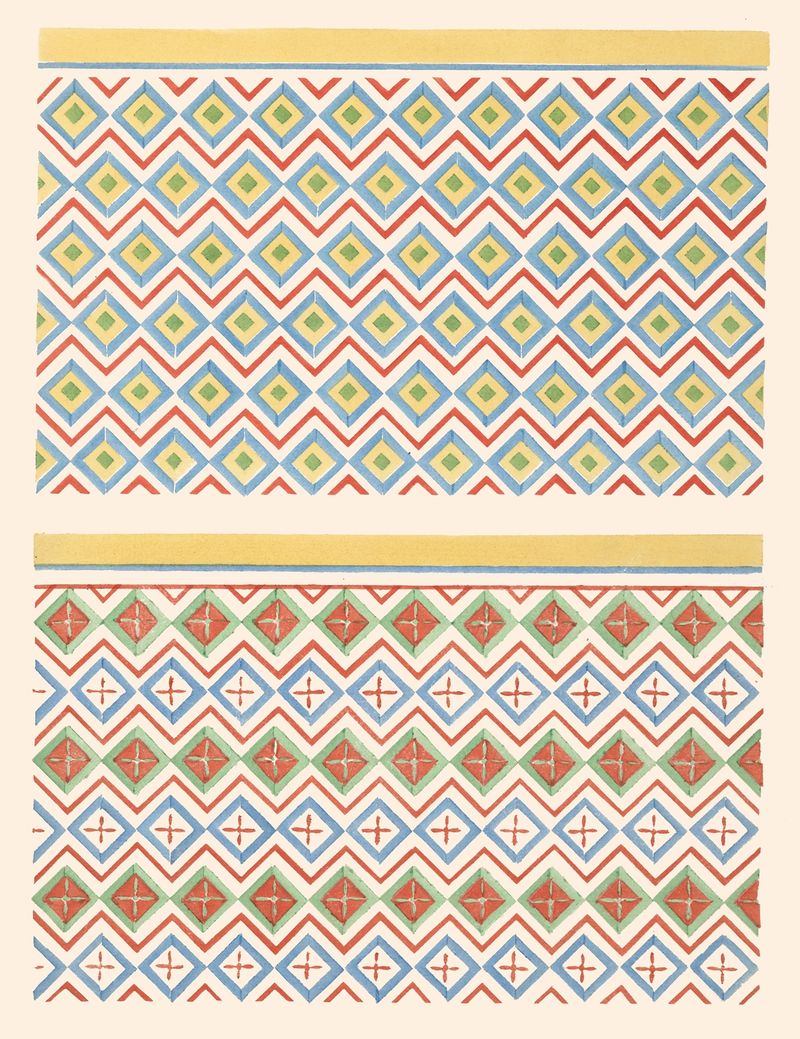
9. Plafond du Tombeau de Hapousenb (n° 67), 10. Plafond du Tombeau D’amounzeh (n° 84)
Gustave Jéquier
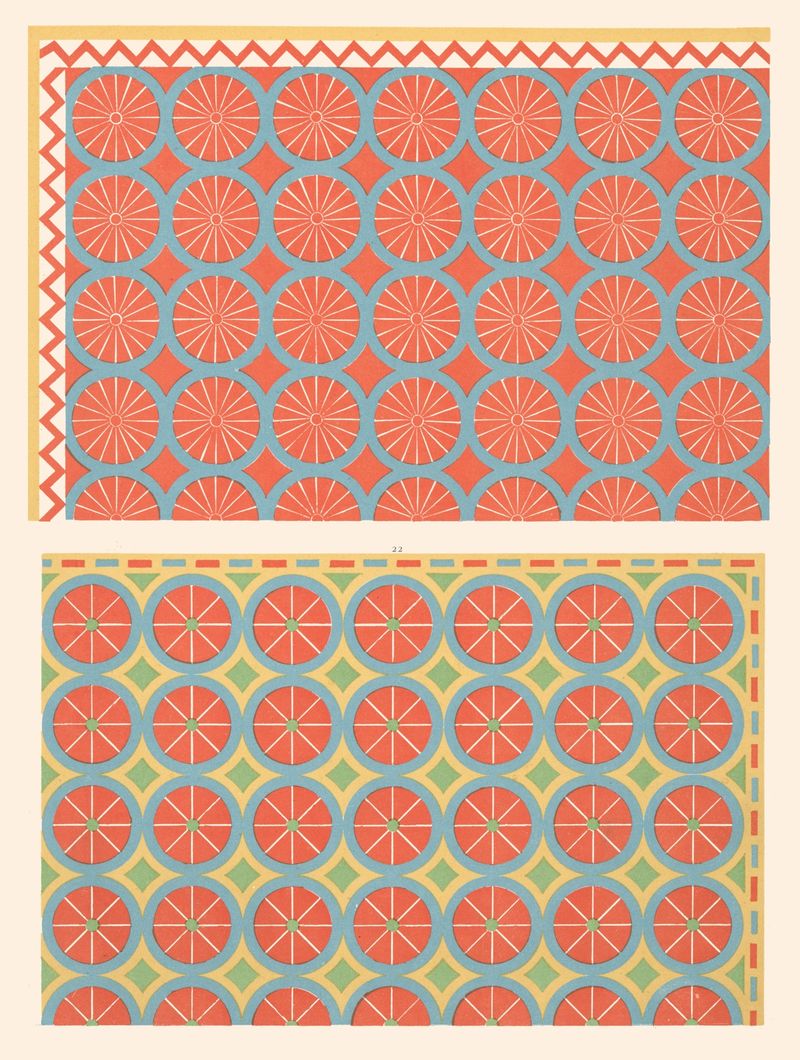
22. Plafond du Tombeau de Hiq-er-Neheh (n°64), 23. Plafond du Tombeau de Tenna (n° 76)
Gustave Jéquier
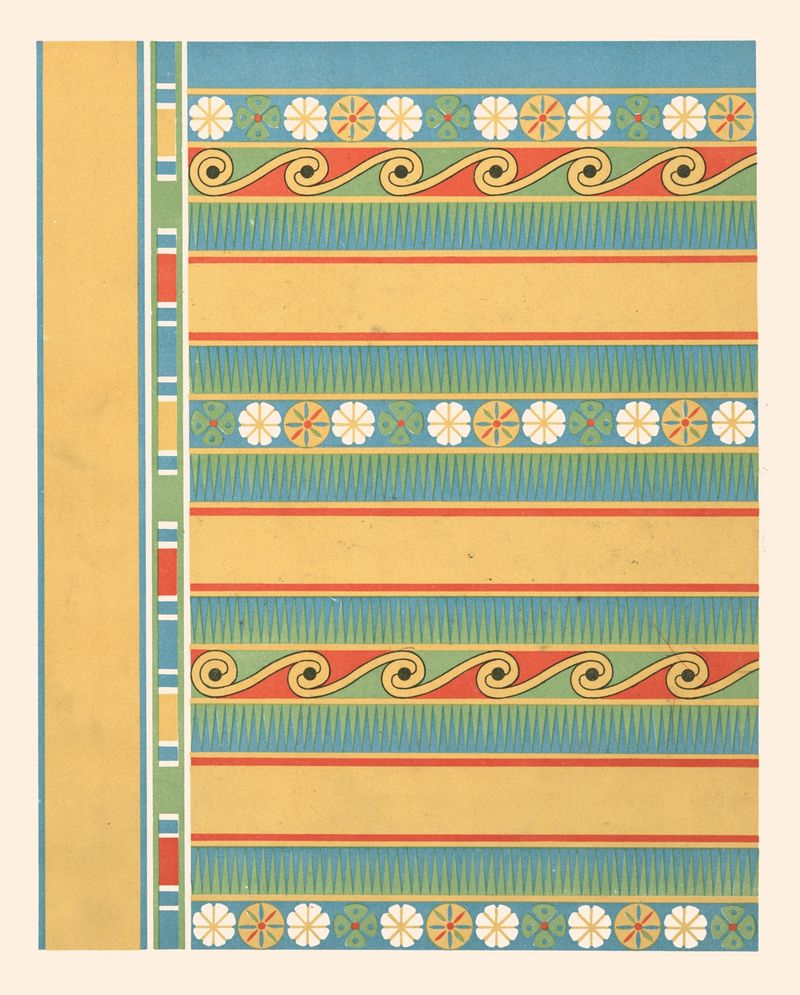
49. Plafond du Tombeau de Nesi-pa-Noferher (n° 68)
Gustave Jéquier
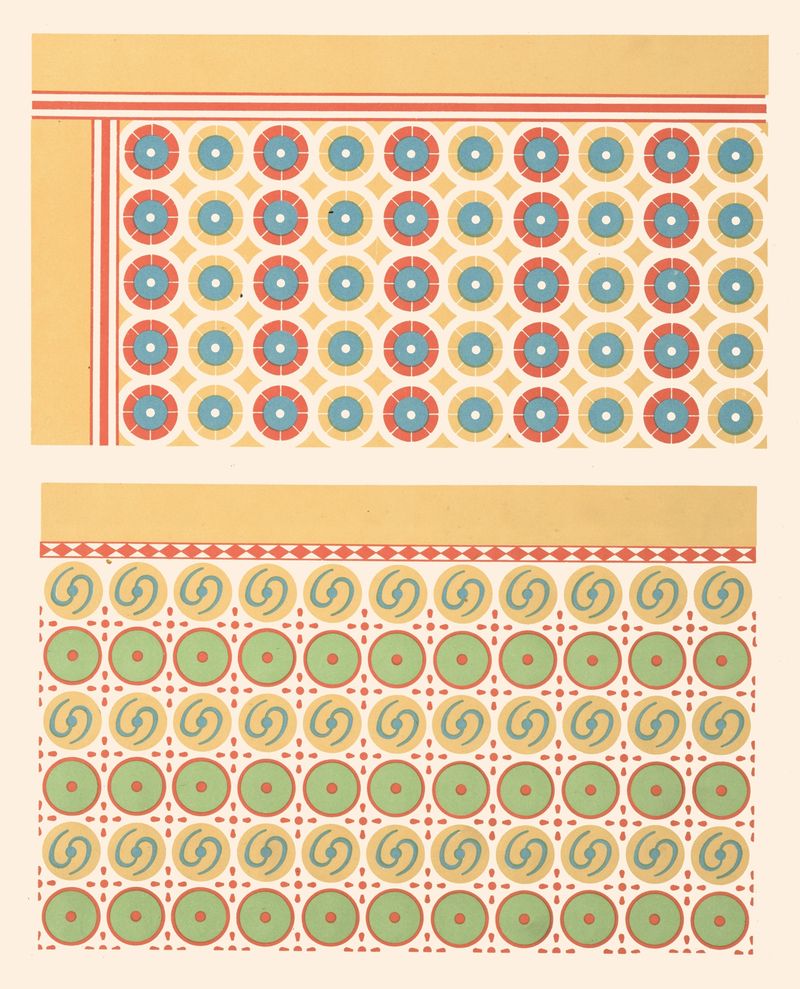
20. Plafond du Tombeau D’amenheb (n° 90), 21. Plafond du Tombeau de Menkheper (n° 79)
Gustave Jéquier
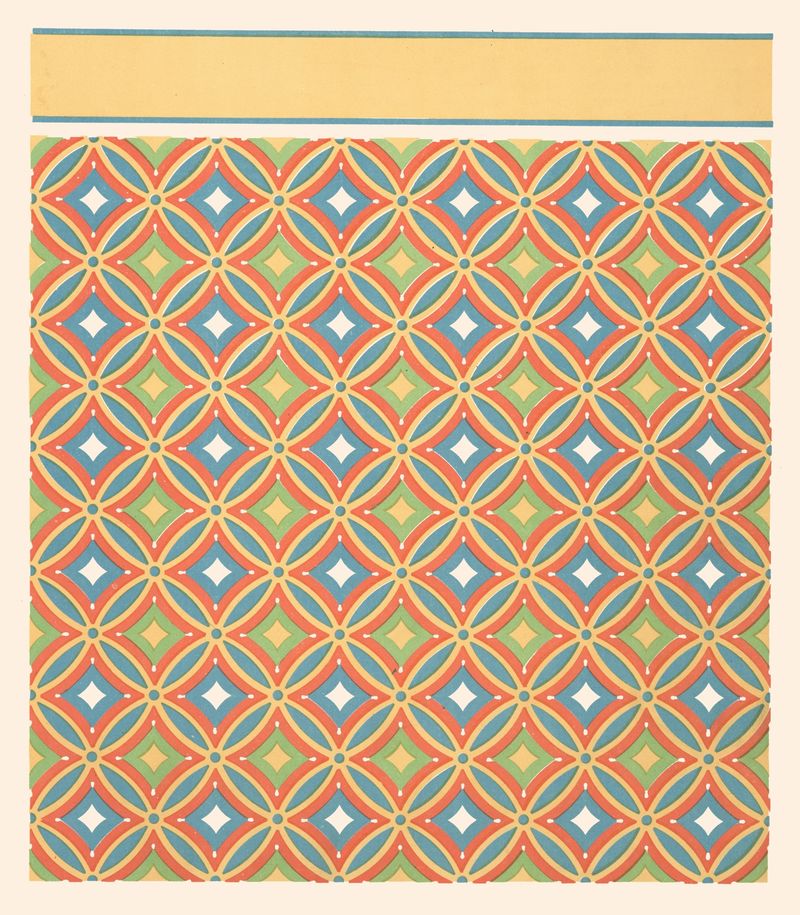
29. Plafond du Tombeau D’amenemhat (n° 82)
Gustave Jéquier
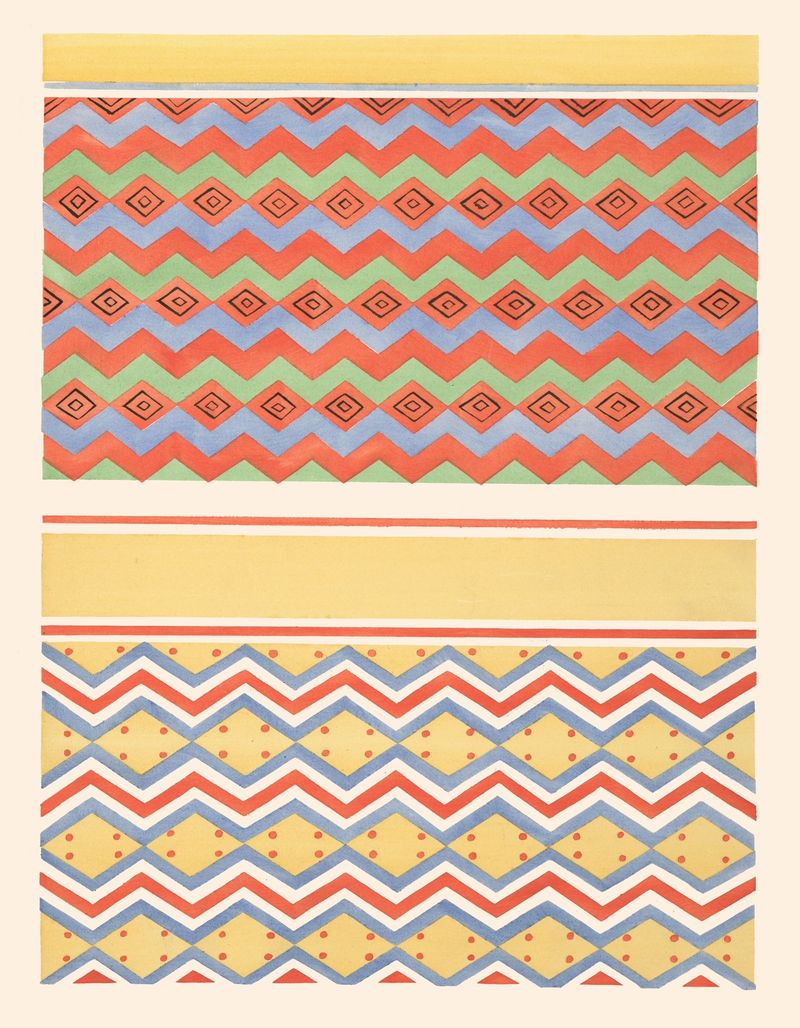
5. Plafond du Tombeau D’amounzeh (° 84), 6. Plafond du Tombeau D’amenemheb
Gustave Jéquier
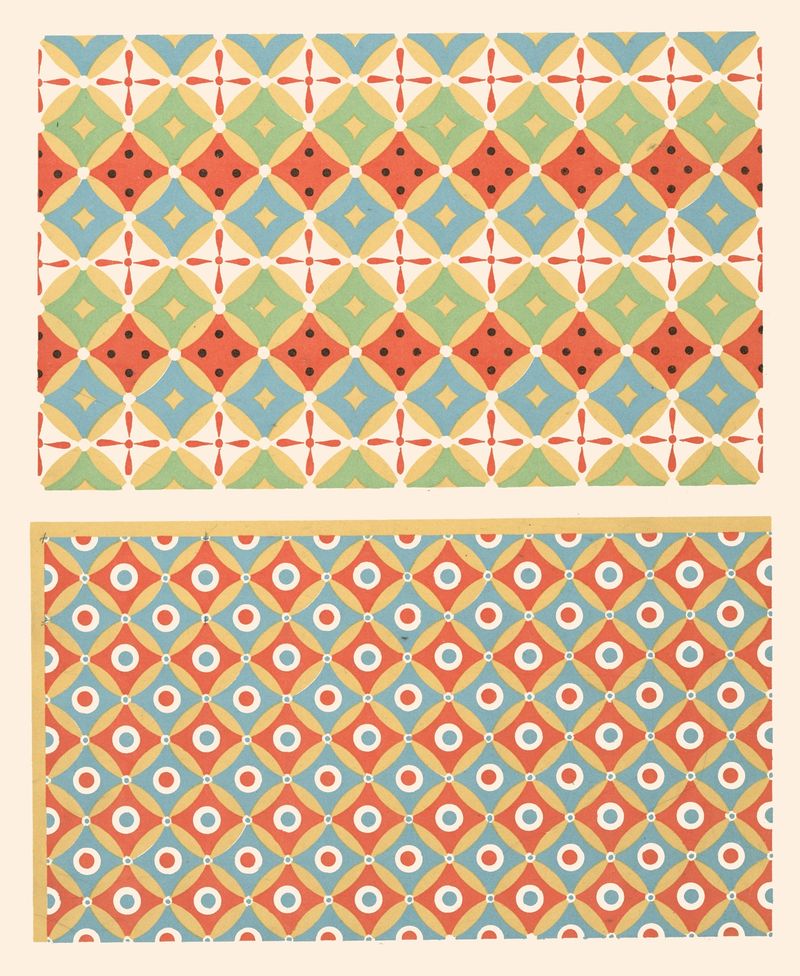
27. Plafond du Tombeau de Nekht-Mîn (n° 87), 28. Plafond du Tombeau n° 91 (Anonyme)
Gustave Jéquier
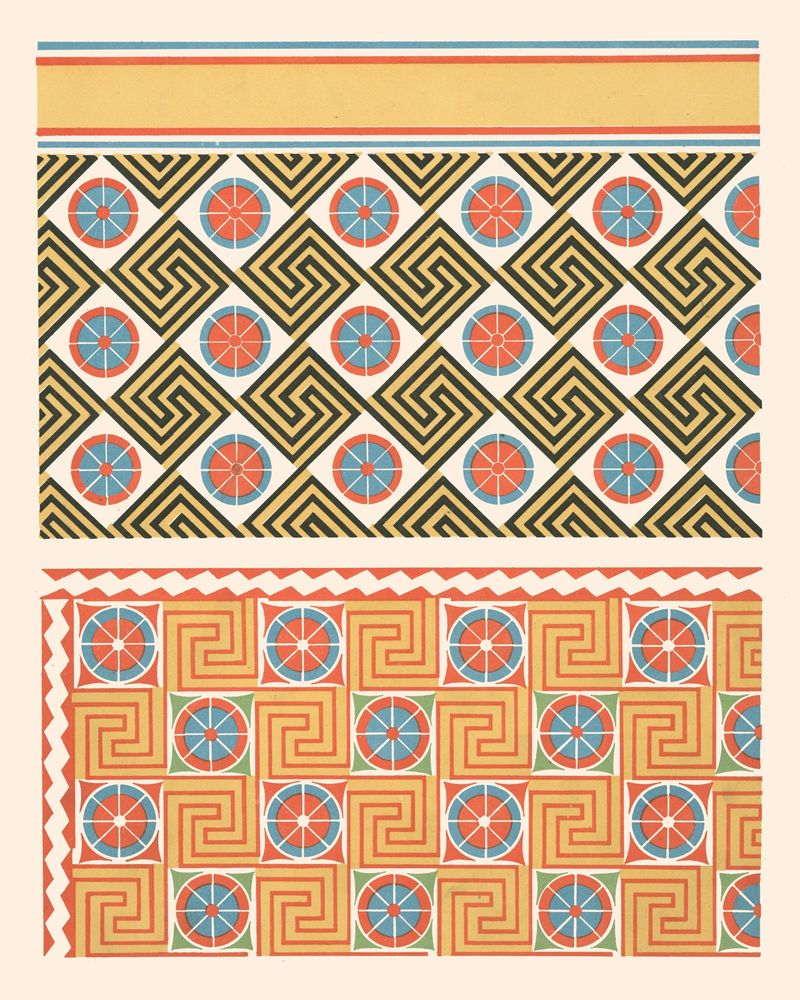
38. Plafond du Tombeau D’anna (n° 81), 39. Plafond du Tombeau de Senmout (n° 71)
Gustave Jéquier
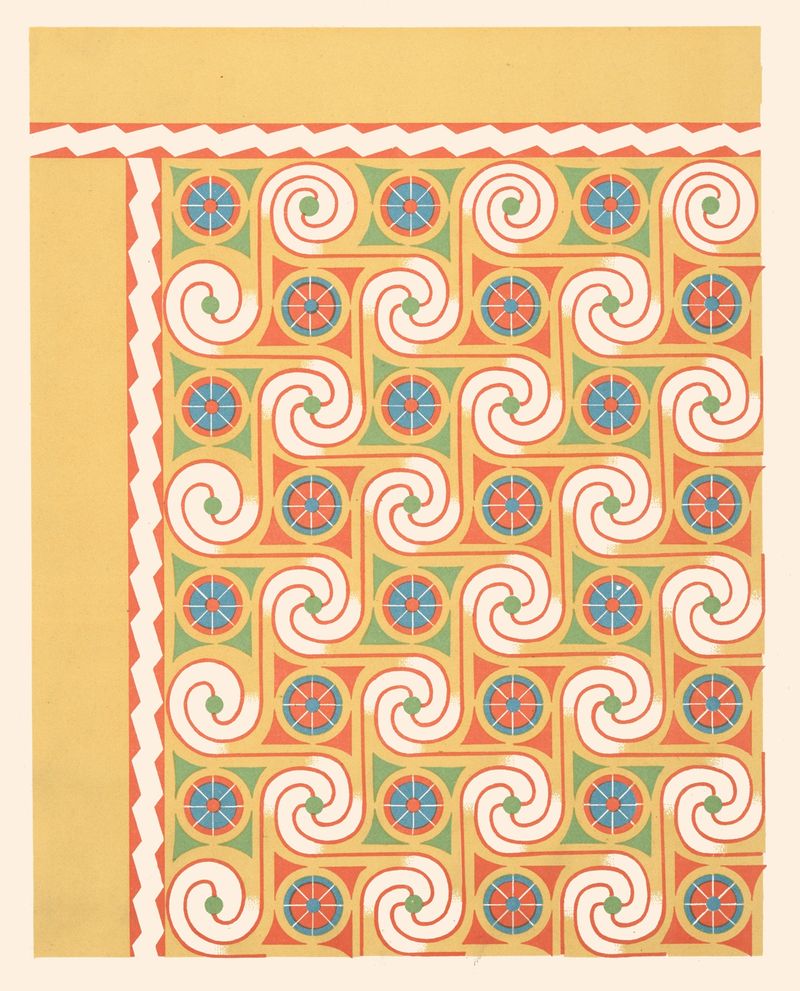
34. Plafond du Tombeau de Senmout (n° 71)
Gustave Jéquier
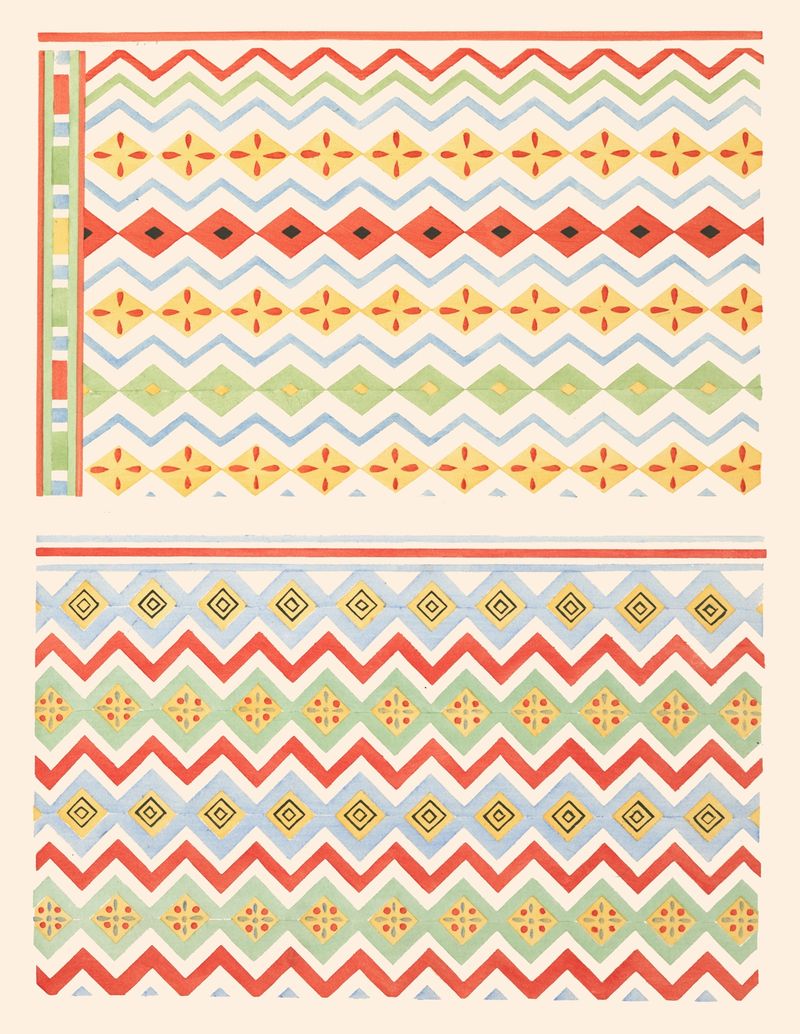
7. Plafond du Tombeau D’amenemant (n° 58), 8. Plafond du Tombeau de Pehsoukehr (n° 88)
Gustave Jéquier