
A Dominican, with the Attributes of Saint Peter Martyr — History & Facts
Few paintings by Giovanni Bellini have sparked as much scholarly debate as A Dominican, with the Attributes of Saint Peter Martyr. For centuries, the sitter’s identity has been questioned: is this a true portrait of a Dominican friar, or an idealized vision of the martyred Saint Peter of Verona? The ambiguity is heightened by the painting’s lack of inscription and the subtlety of its iconography, which has led some to suggest that Bellini was deliberately blending portraiture and devotional image—a rare experiment in Venetian art around 1513. The figure sits quietly, his gaze averted, the white Dominican habit falling in soft folds. On his shoulder, the painter has delicately placed a palm frond—symbol of martyrdom—and a knife rests atop his head, a chilling reference to the weapon that killed Saint Peter Martyr in 1252.
The faint trace of blood at the temple is Bellini’s only concession to violence; the rest is serenity and introspection, the saint’s faith unshaken. Unlike the dramatic, action-filled martyrdom scenes by Titian or Caravaggio, Bellini chooses a moment of stillness after suffering, focusing on inner resolve rather than outward torment. The painting’s early history remains uncertain, as no contemporary records of its commission or original location survive. It likely formed part of a private devotional collection in Venice, where such images were prized for personal meditation.
Over the centuries, A Dominican, with the Attributes of Saint Peter Martyr has passed through several hands, sometimes misattributed to followers of Bellini or even to his workshop, before scholars reaffirmed its autograph status based on its refined technique and psychological depth. Today, it stands as a testament to Bellini’s late style, balancing the clarity of his earlier religious works with the quiet introspection that would influence a new generation of Venetian painters.
More Artworks by Giovanni Bellini
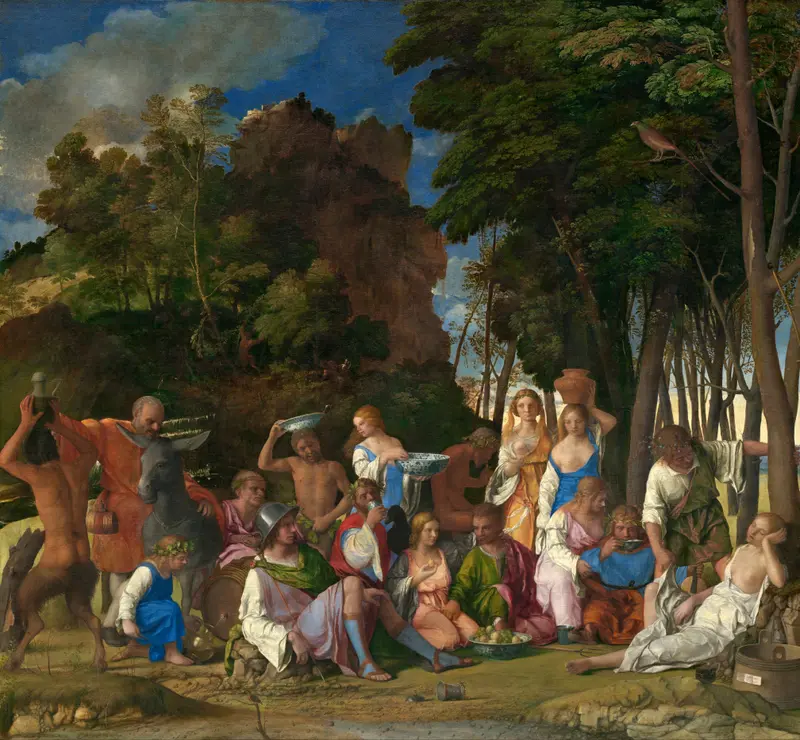
The Feast of the Gods
Giovanni Bellini

Madonna and Child enthroned with Saints and Angels
Giovanni Bellini
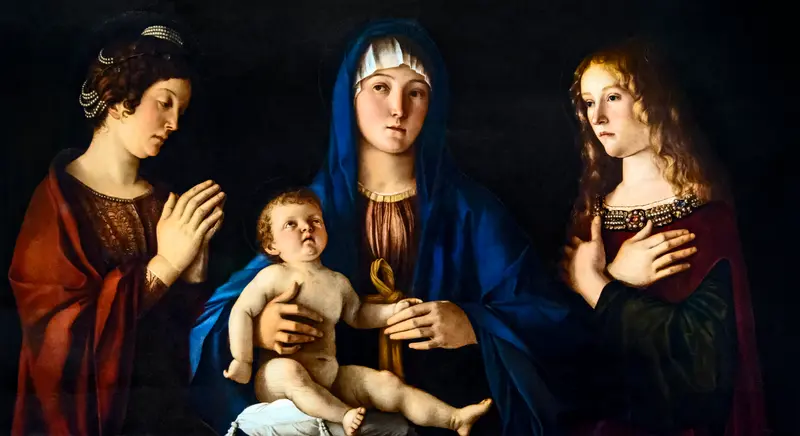
Madonna and Child between Saints Catherine and Mary Magdalene
Giovanni Bellini
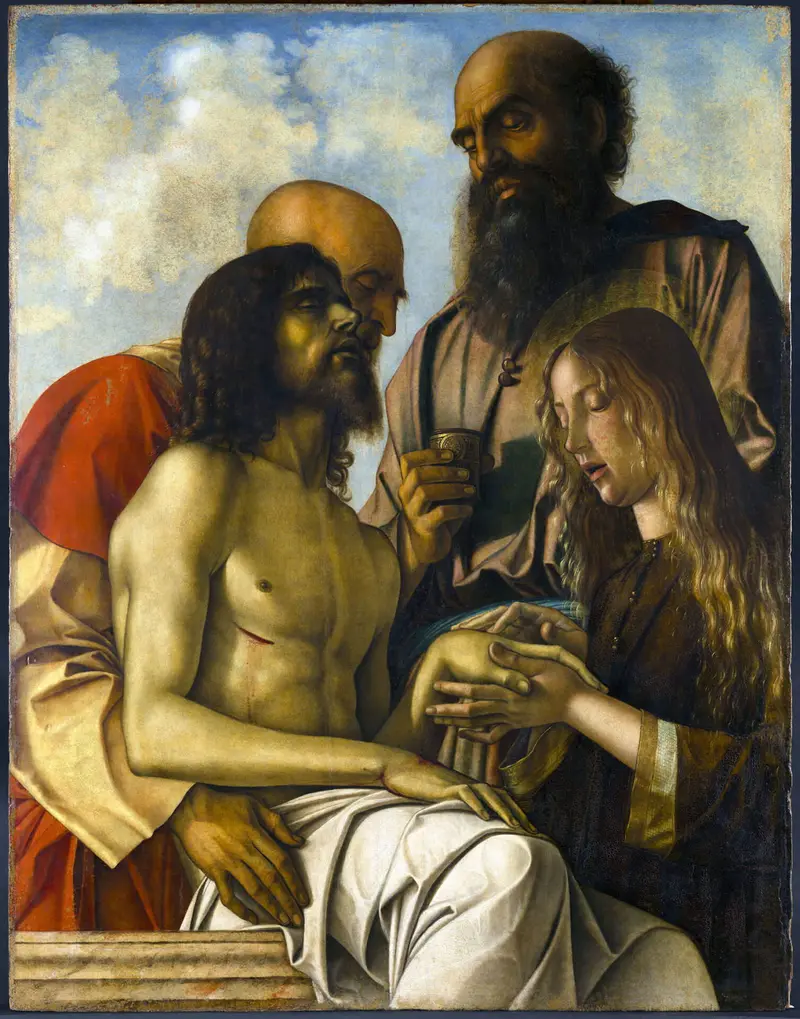
Lamentation over the Dead Christ
Giovanni Bellini
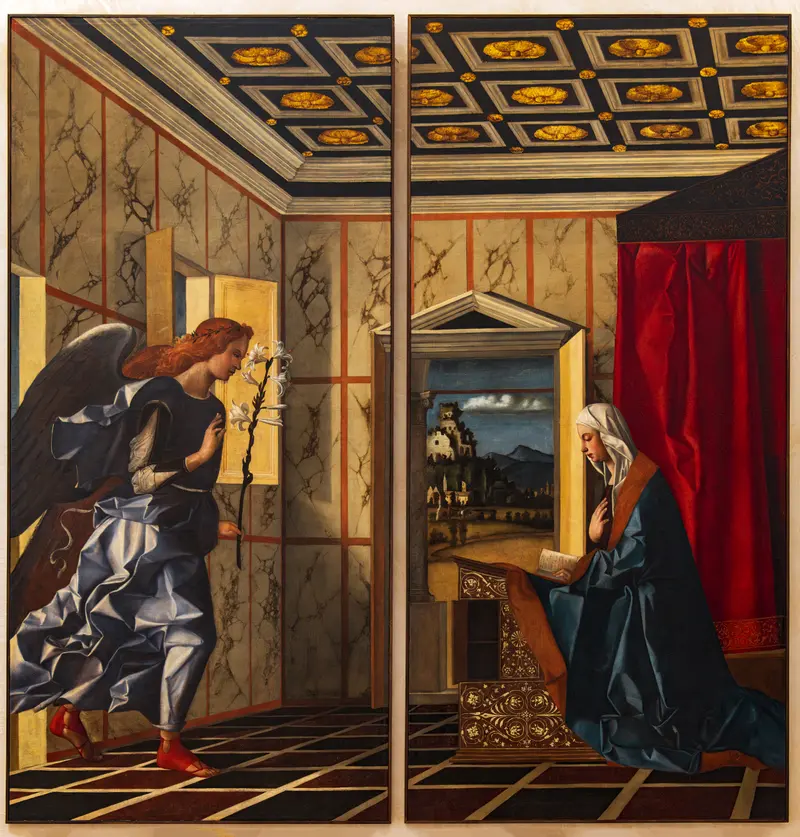
Annunciation
Giovanni Bellini
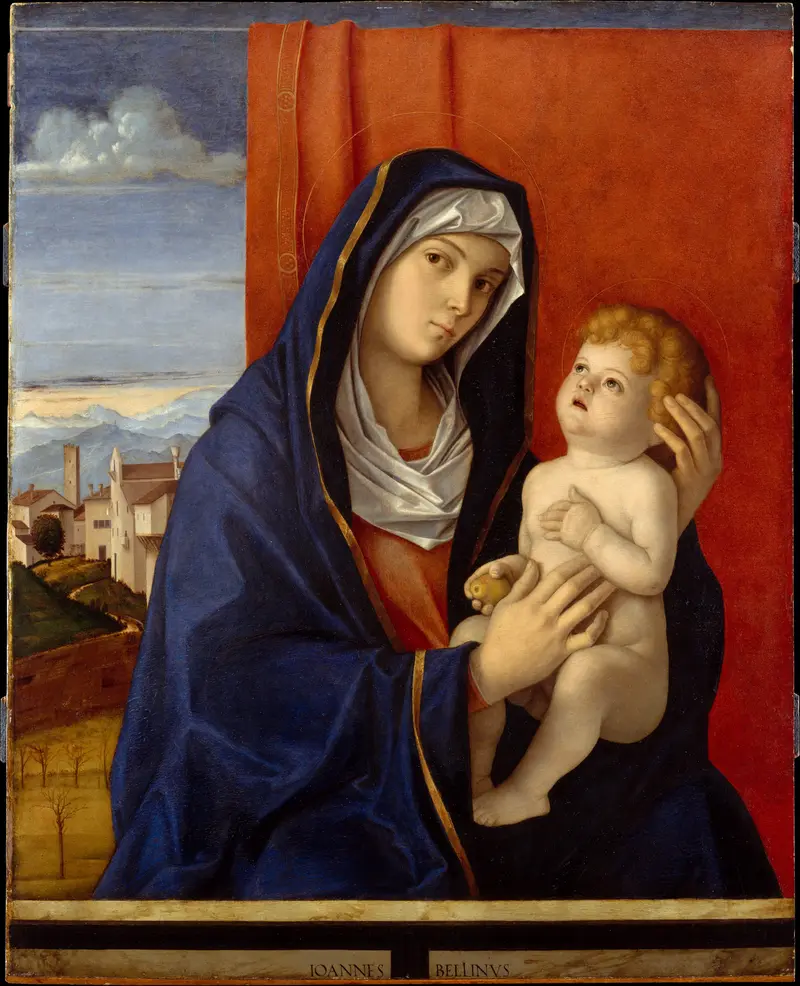
Madonna and Child
Giovanni Bellini
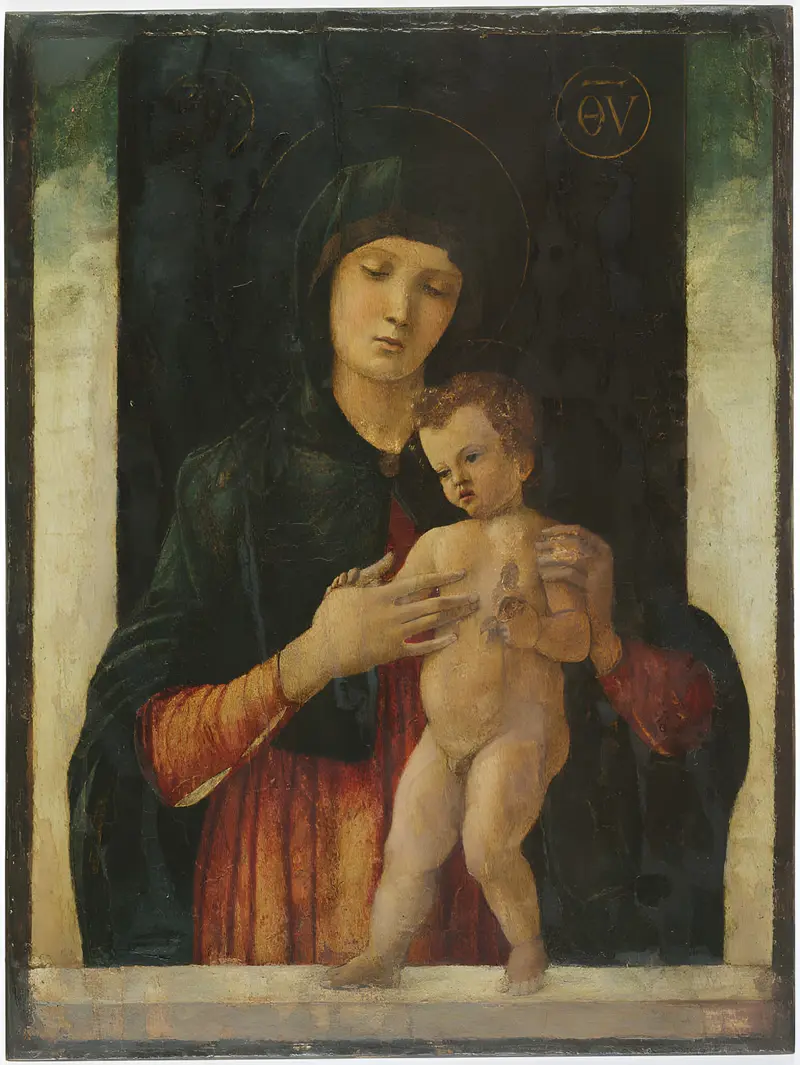
The Virgin and Child
Giovanni Bellini
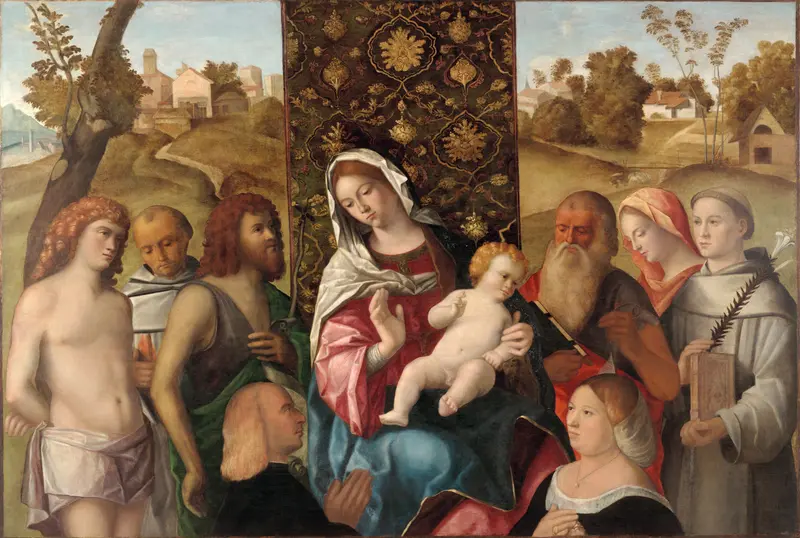
Virgin and Child with Saints Sebastian, Francis, John the Baptist, Jerome, an unidentified female saint, Saint Anthony of Padua and two donors
Giovanni Bellini
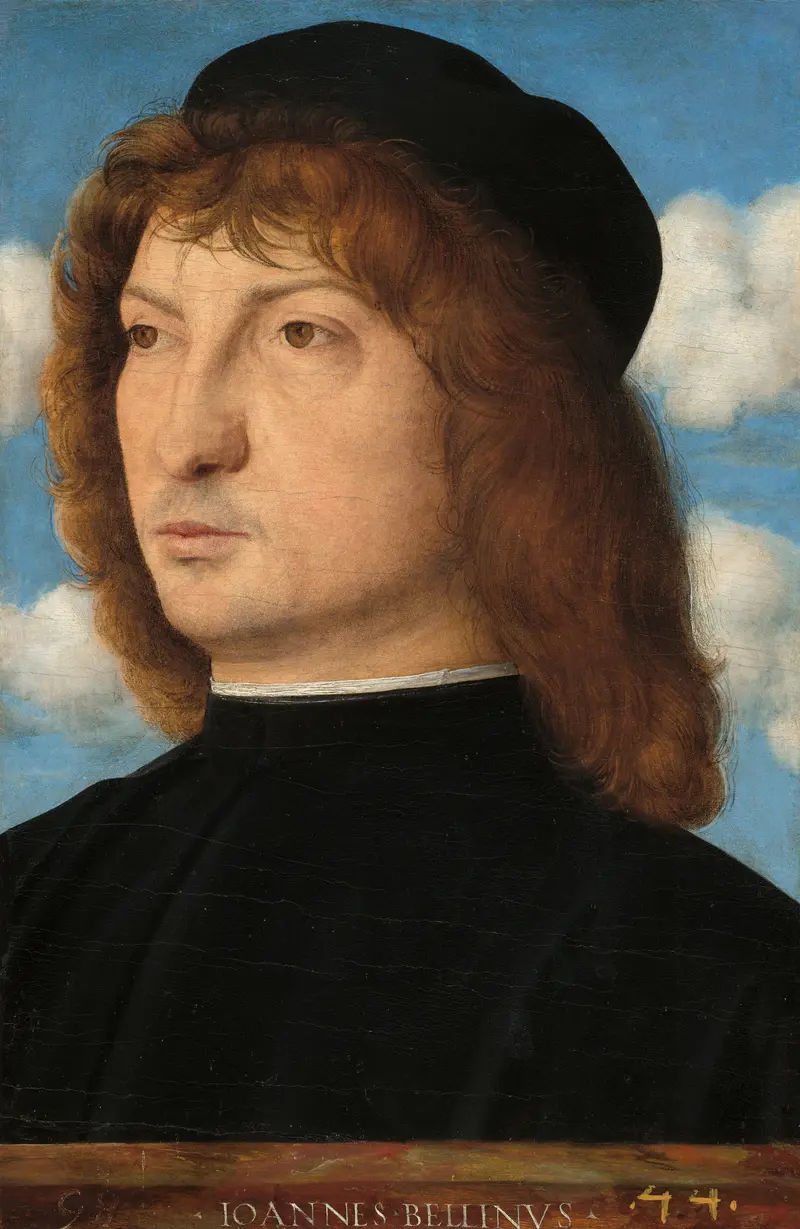
Portrait of a Venetian Gentleman
Giovanni Bellini
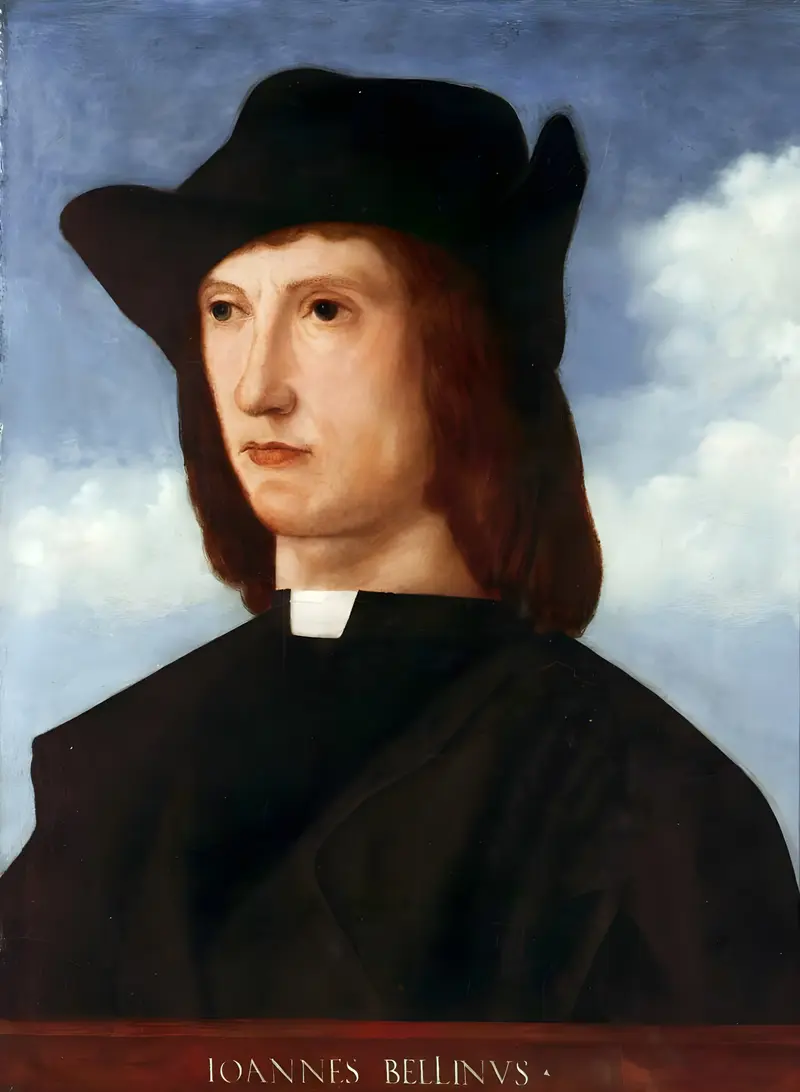
Portrait of a Young Man
Giovanni Bellini





