
A Family of Spanish Poachers — History & Facts
When A Family of Spanish Poachers was first exhibited in 1870, it surprised Parisian audiences with its unvarnished look at rural Spanish life—far from the romanticized visions then popular in France. The artist, Gustave Doré, was already celebrated for his vivid engravings of Don Quixote and Dante, but here he turned his attention to the living, breathing world of contemporary Spain, which he had visited in the late 1860s. Critics noted Doré’s unusual choice to focus not on grand historical events, but on the marginalized figures of society: a family surviving on the fringes of legality.
The painting’s realism and empathy led some to compare it to the works of Courbet and the rising Realist movement. Doré captures his subjects at a tense, suspended moment: a family halts in the scrubby Spanish countryside, their faces wary as they listen for distant hoofbeats—perhaps the approach of the Guardia Civil. The father, rifle in hand, stands protectively before his wife and children, while a netted hare and the glint of a poacher’s trap at their feet reveal their trade. The dusty palette and raking light emphasize the harshness of their world, while the children’s bare feet and patched clothing speak to poverty and resilience.
Unlike Goya’s more theatrical depictions of Spanish peasants, Doré’s approach is direct and unembellished, inviting the viewer’s sympathy without sentimentality. The precise medium of A Family of Spanish Poachers remains uncertain, though Doré was known to work in both oil and watercolor during this period. The painting’s early provenance is unclear, but it is thought to have been part of a series inspired by Doré’s travels in Spain, later dispersed among private collections. Today, the work is valued as a rare example of Doré’s interest in social themes beyond his more famous literary illustrations.
Its honest portrayal of hardship and dignity marks a significant moment in his career, bridging the worlds of illustration and painting, and offering a window into the realities of 19th-century rural Spain.
More Artworks by Gustave Doré

The Deluge
Gustave Doré
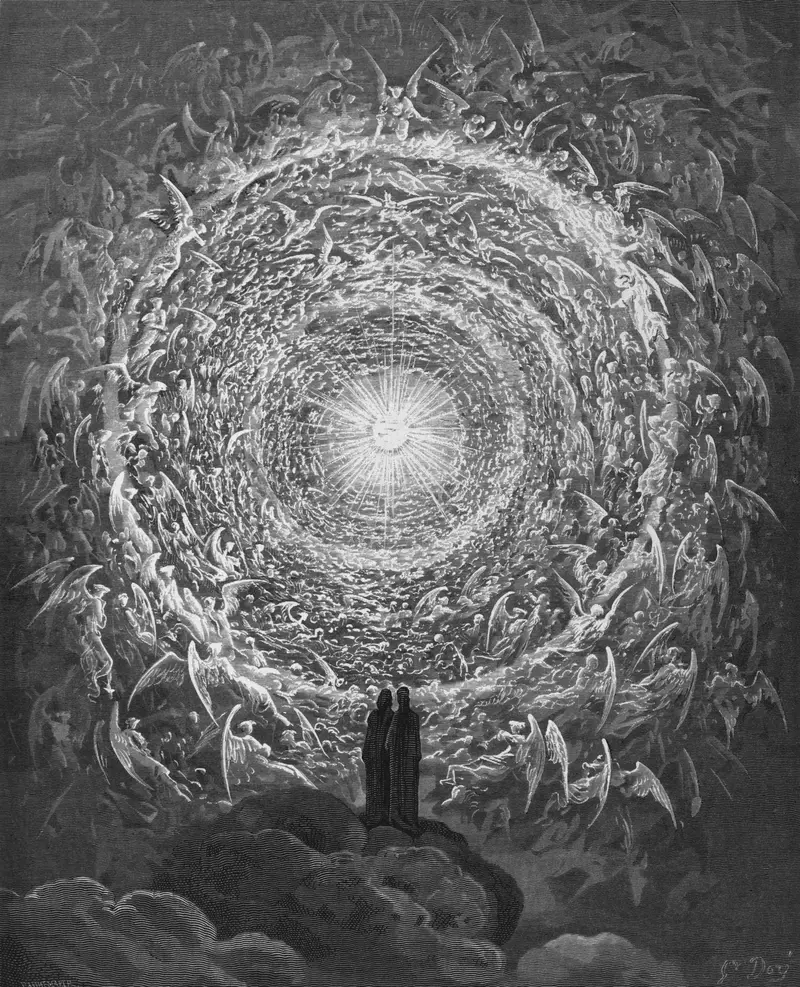
The Empyrean (Paradiso, Canto 31)
Gustave Doré
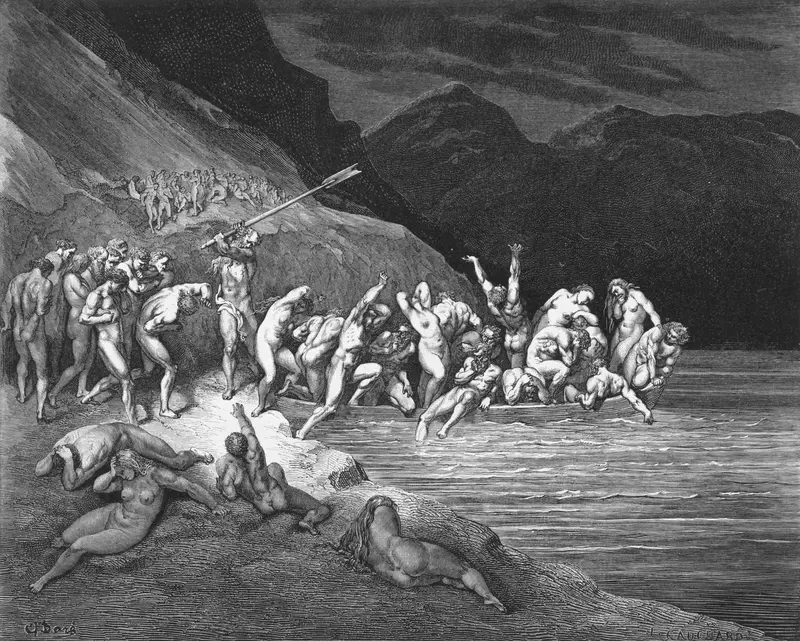
Charon (Inferno, Canto 3)
Gustave Doré
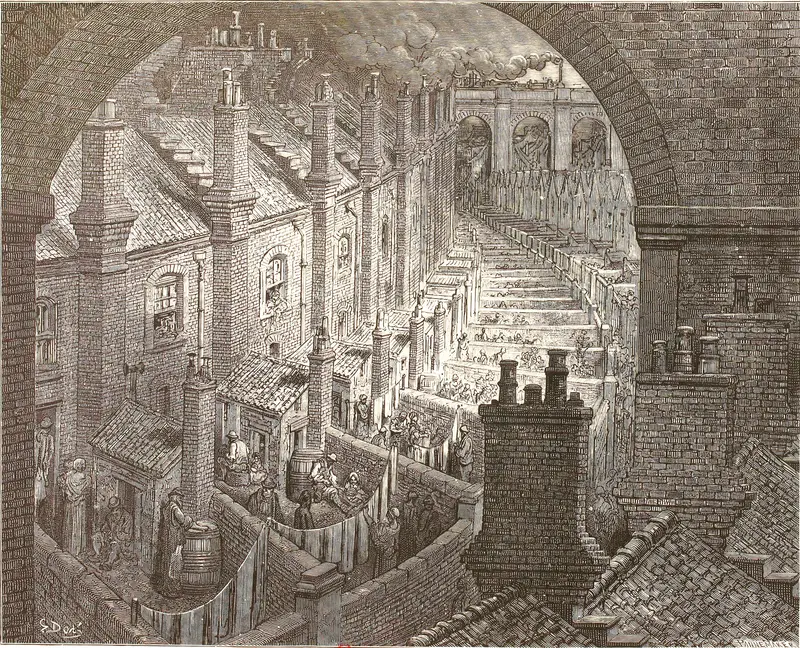
Over London by Rail
Gustave Doré
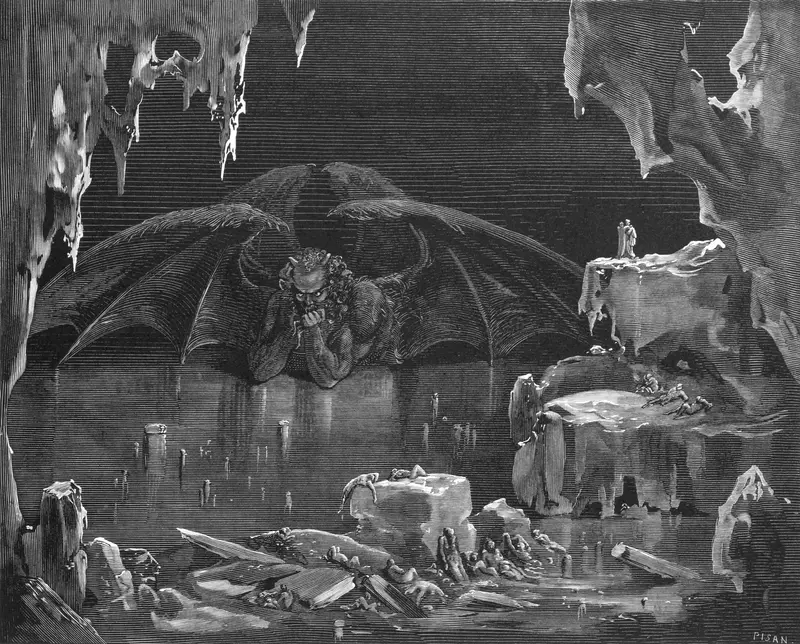
Lucifer, King of Hell
Gustave Doré
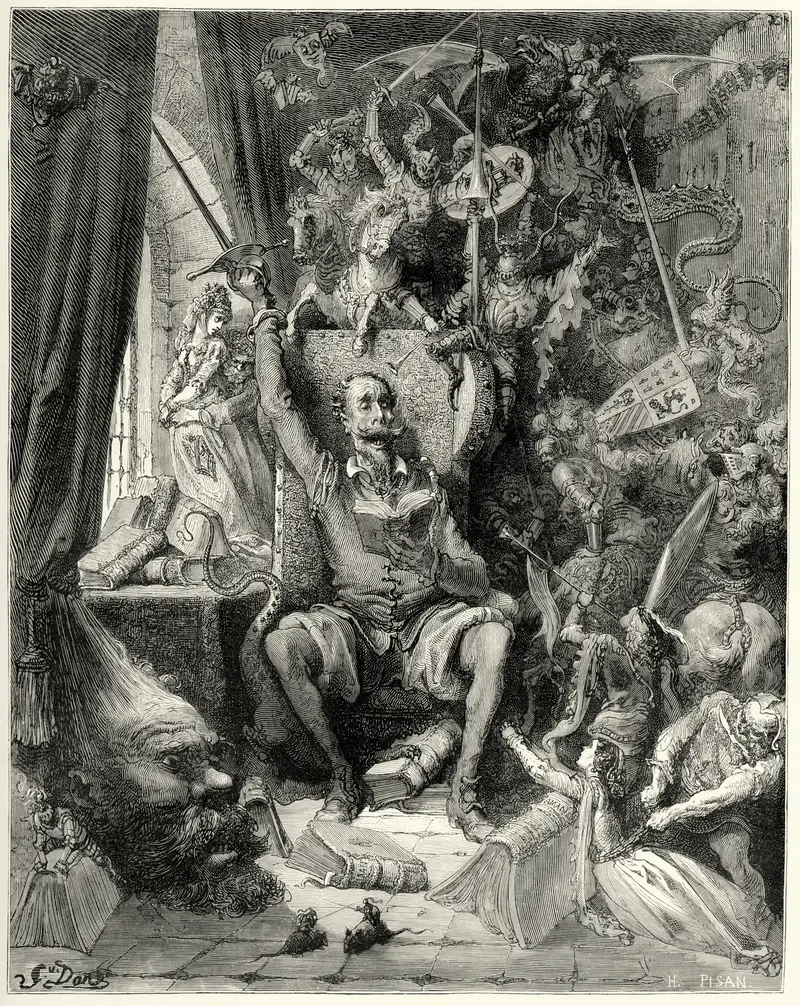
Don Quixote in His Library
Gustave Doré
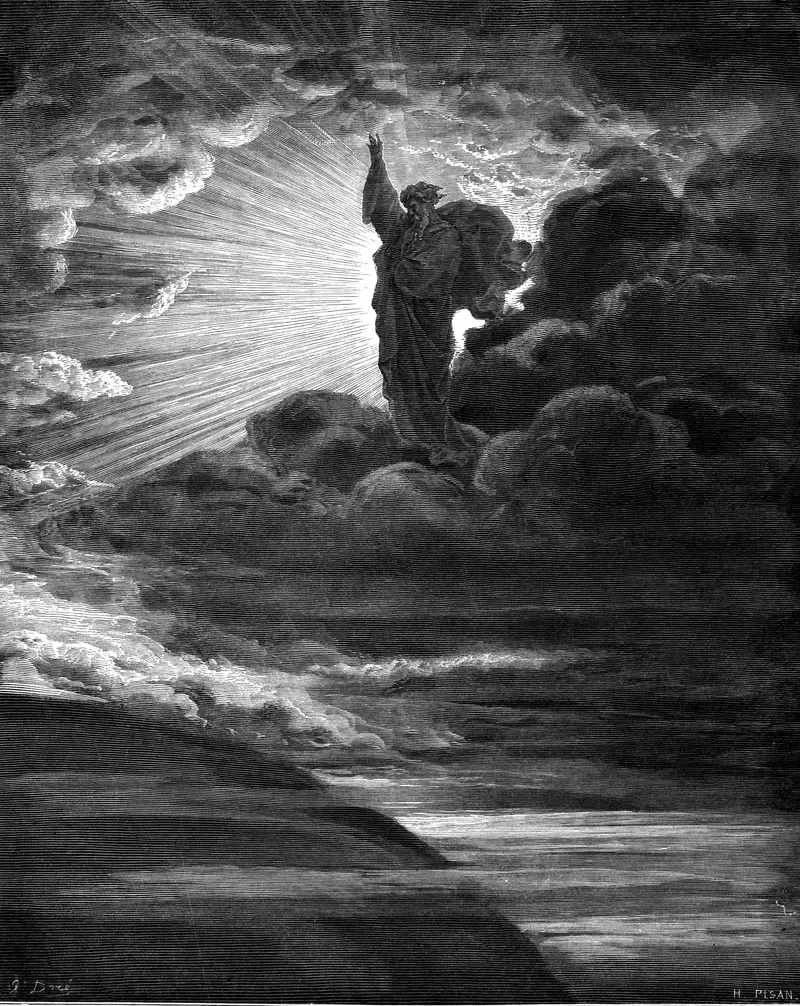
The Creation of Light
Gustave Doré
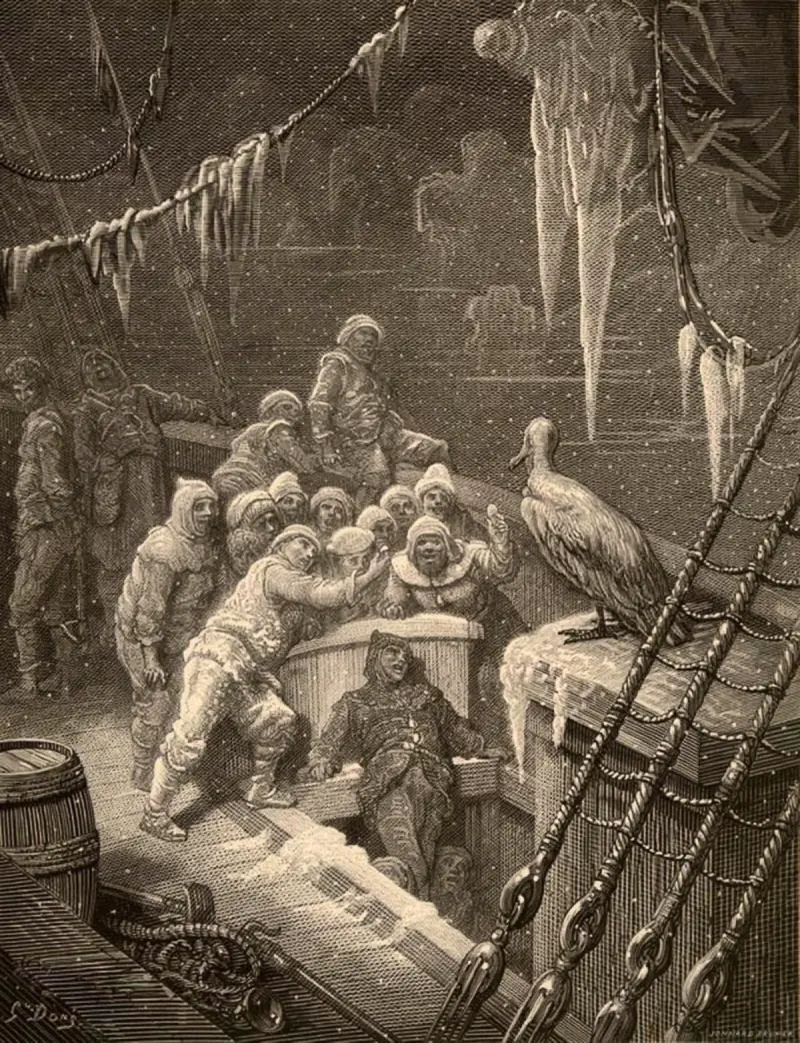
The Albatross (The Rime of the Ancient Mariner)
Gustave Doré
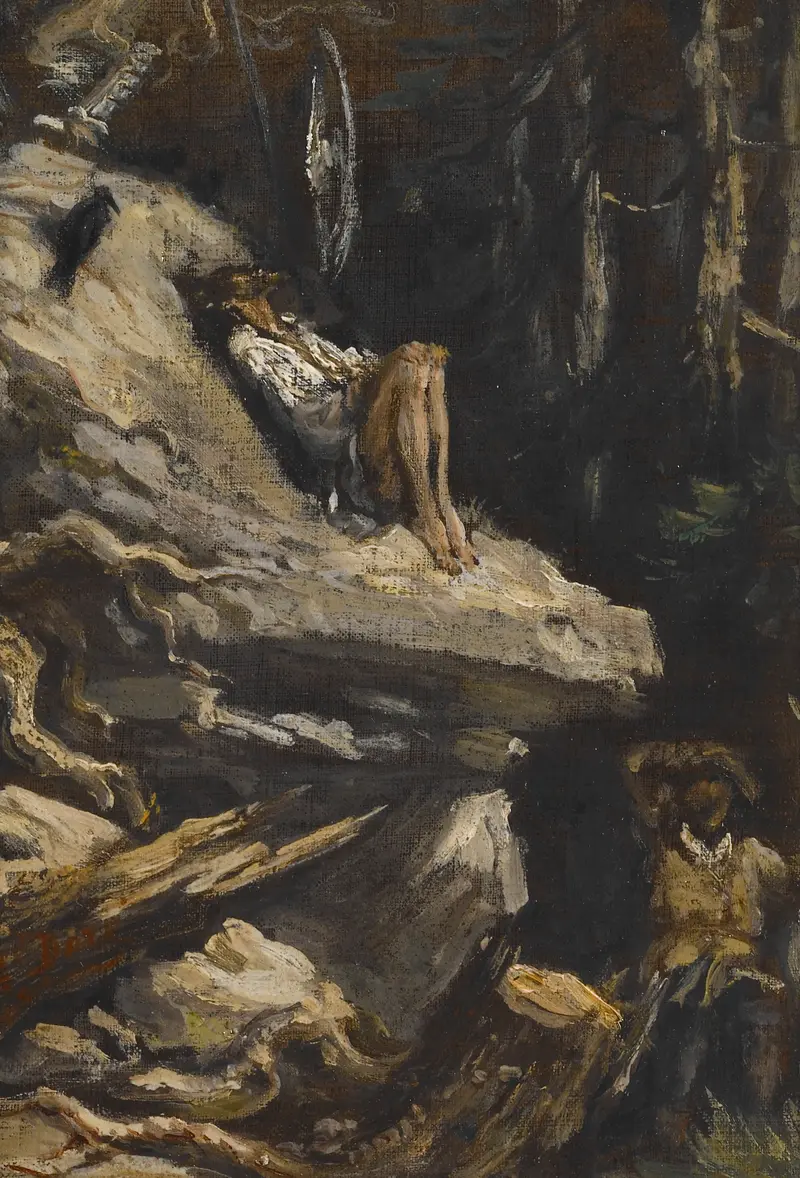
"'Alas!' answered Sancho, 'I found him in his shirt, lean, pale, and almost starved, sighing for his Lady Dulcinea'" from Don Quixote
Gustave Doré
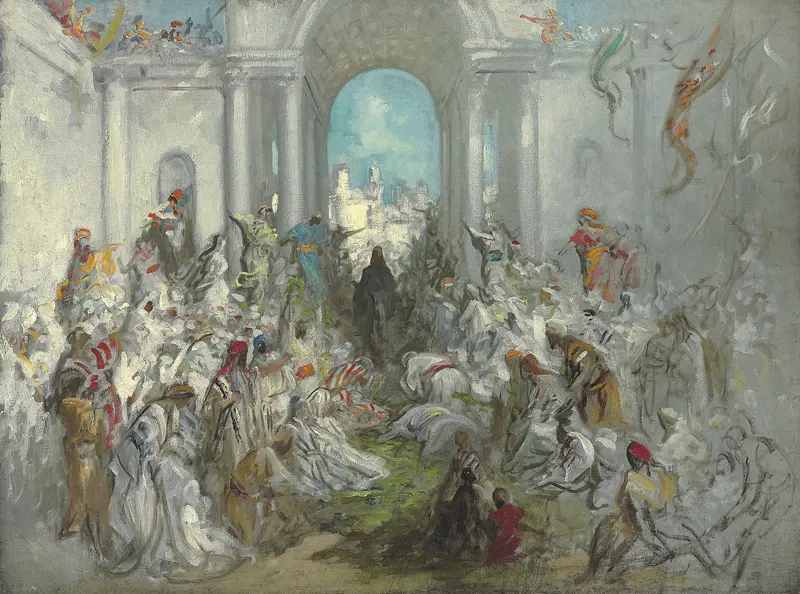
Christ's Entry into Jerusalem
Gustave Doré
More Genre Scene Art

Banquet of the Officers of the St George Civic Guard
Frans Hals

Rembrandt and Saskia in the Scene of the Prodigal Son
Rembrandt van Rijn

Bal du moulin de la Galette
Pierre-Auguste Renoir

Quadrille at the Moulin Rouge
Henri de Toulouse-Lautrec

A Burial at Ornans
Gustave Courbet

When Will You Marry?
Paul Gauguin