
A feast of the gods — History & Facts
The first thing to catch the eye in A feast of the gods is the sheer abundance of bodies and movement, all swept up in a swirling, theatrical dance of myth. Limbs stretch and reach, drapery billows, and the air is thick with the energy of celebration. At the heart of the scene, a cornucopia spills its bounty, signaling not just plenty but the very idea of divine festivity.
Figures recline and gesture in animated conversation, while above them, winged putti and a god in flight draw the viewer’s gaze upward, as if the revelry cannot be contained to earth alone. The palette, rendered in a warm monochrome, unifies the chaos and gives the scene a dreamlike unity, as if we are glimpsing a memory of Olympus through a haze of wine. Painted by Abraham Bloemaert in 1598, this work belongs to a period when Dutch and Flemish artists delighted in mythological banquets and allegories of the gods, often commissioned to decorate the homes of wealthy merchants or humanist collectors. Such paintings were more than decoration: they announced the owner’s learning and taste, and offered a playful escape into stories of love, rivalry, and excess.
The subject here is possibly the wedding feast of Peleus and Thetis—a moment famed in ancient myth for both its joy and its fateful consequences. While history has kept few traces of this particular canvas, its home today in the Mauritshuis invites us to linger among the gods and wonder at the worlds artists like Bloemaert conjured for their patrons. Let your eye wander back into the crowd and see how many stories you can find.
More Artworks by Abraham Bloemaert

Adam and Eve
Abraham Bloemaert
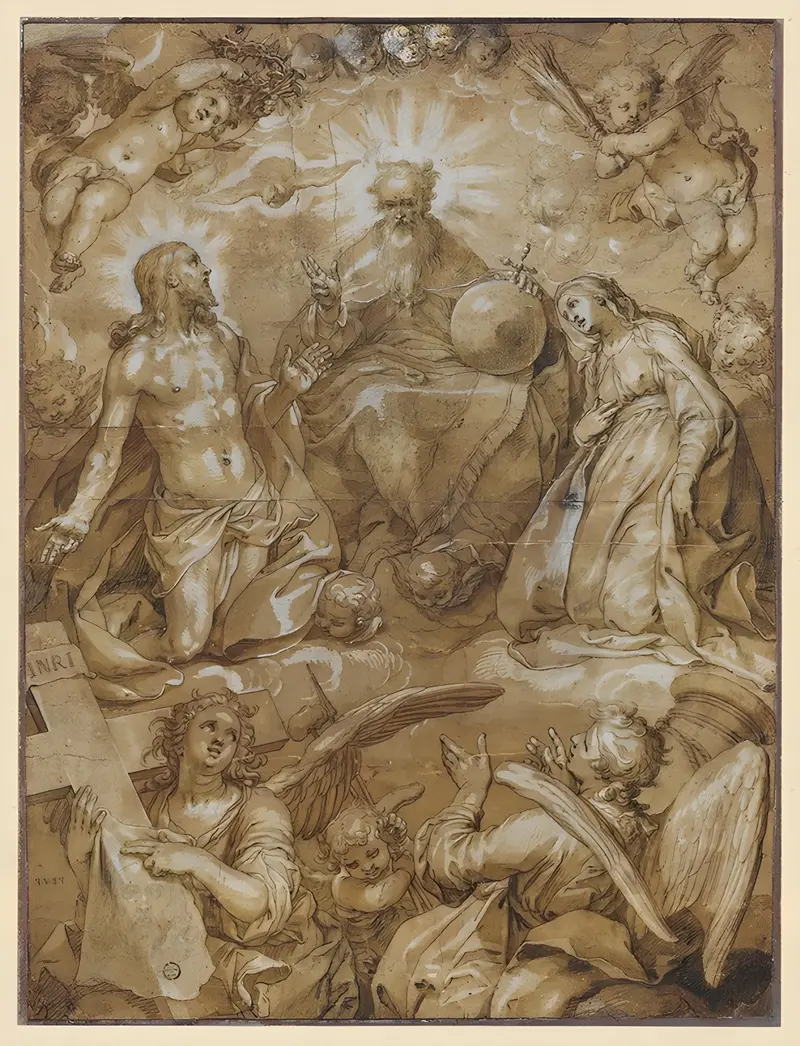
Intercession of Christ and Mary before God the Father
Abraham Bloemaert
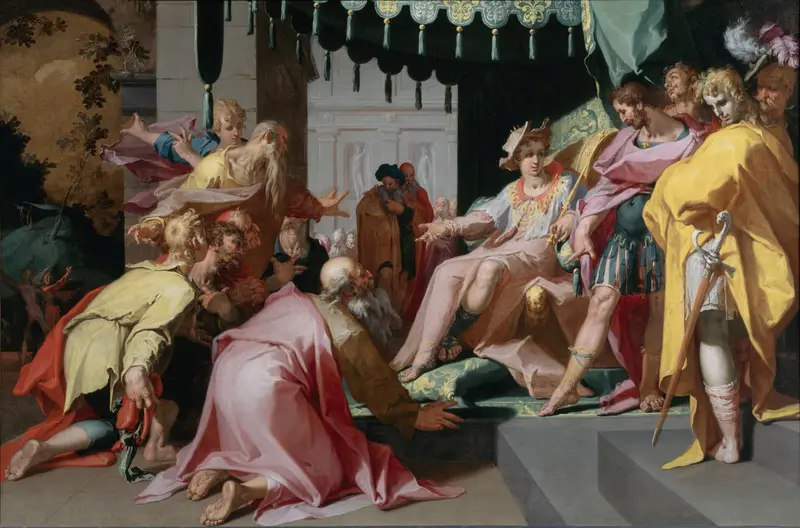
Joseph and his Brothers
Abraham Bloemaert
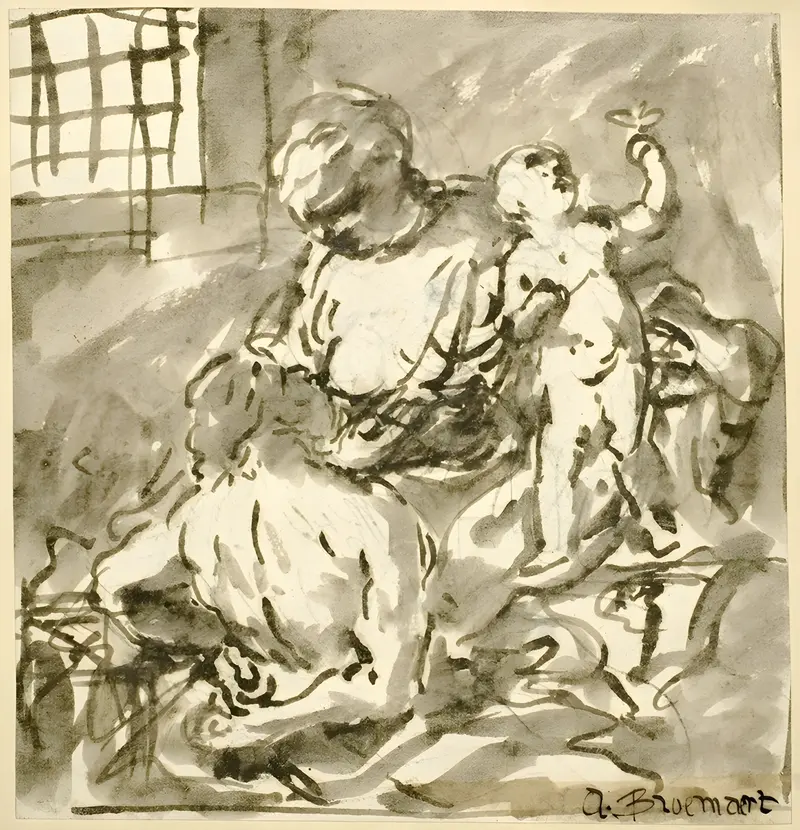
Caritas Romana
Abraham Bloemaert
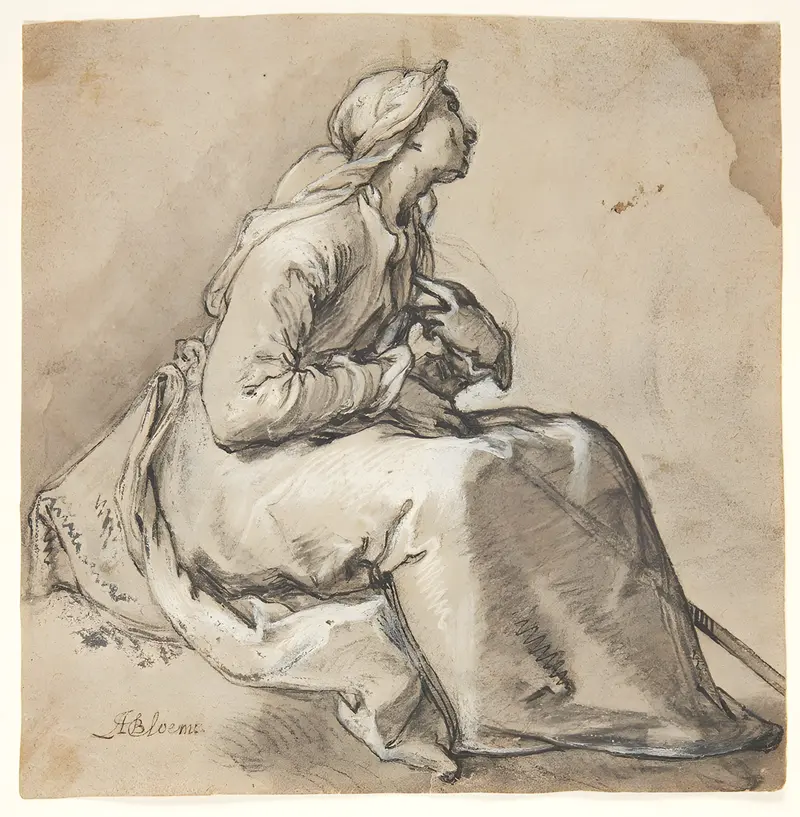
A seated woman facing right
Abraham Bloemaert
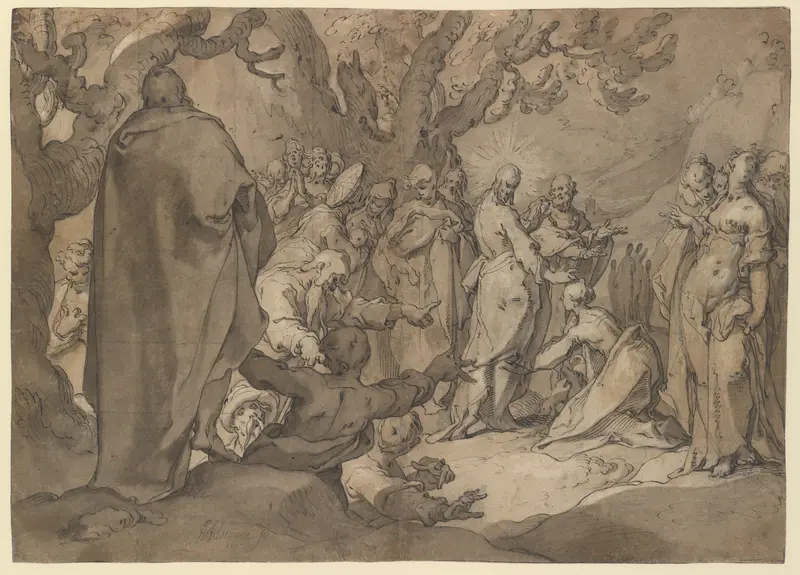
Christ and the Canaanite Women
Abraham Bloemaert
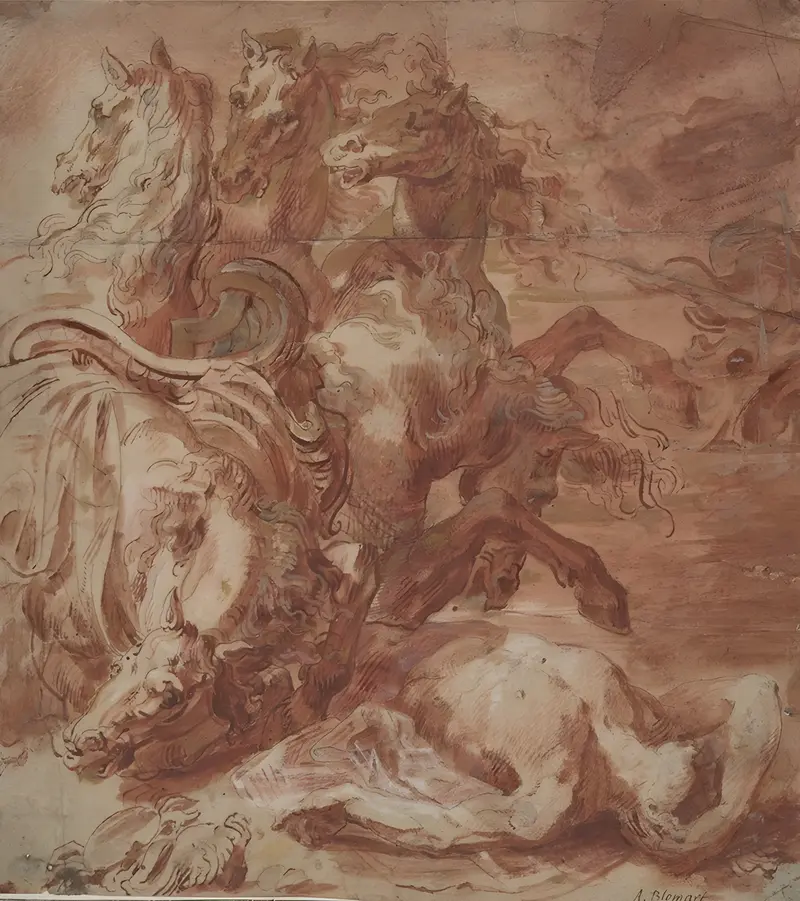
Hippolytus
Abraham Bloemaert
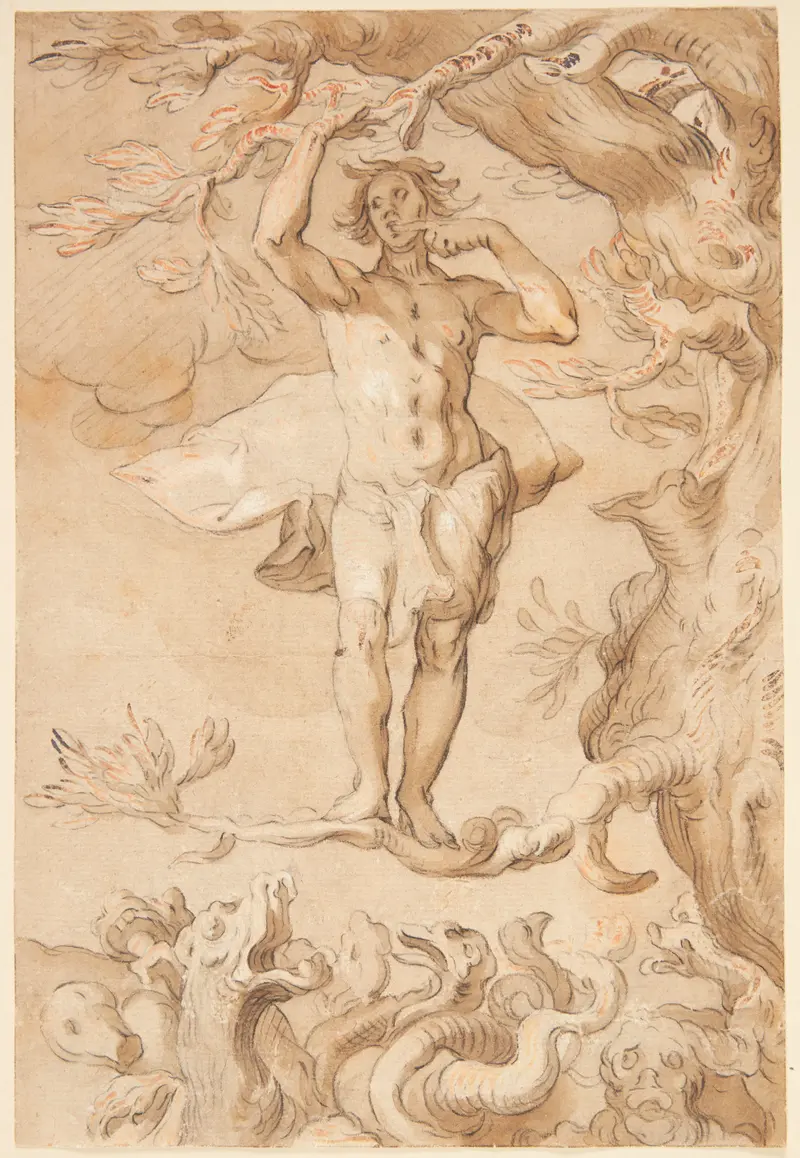
Den menneskelige glædes skrøbelighed En mand, der jages af en drage, klynger sig til en gren, mens han slikker honning af sin finger
Abraham Bloemaert

Moses Striking the Rock
Abraham Bloemaert
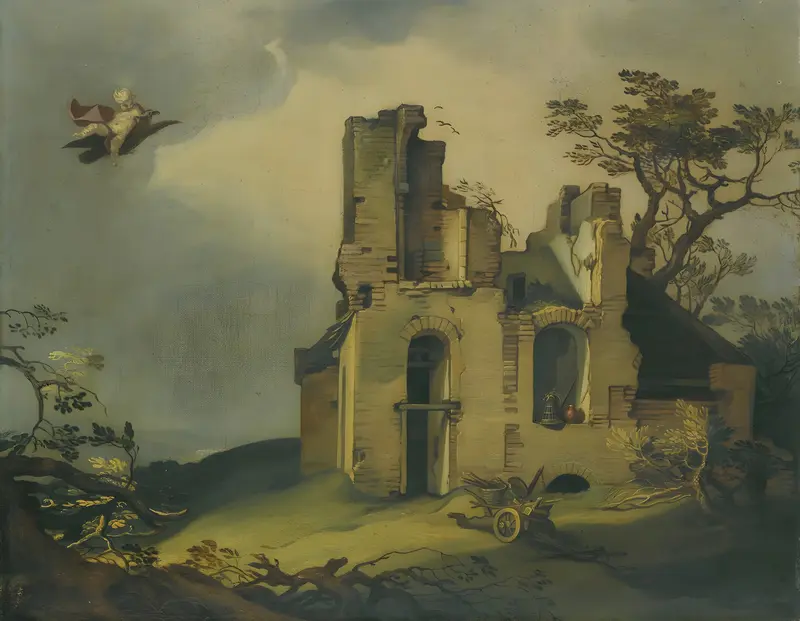
A Landscape With Ruins, With The Rape Of Ganymede
Abraham Bloemaert





