
A Landscape — History & Facts
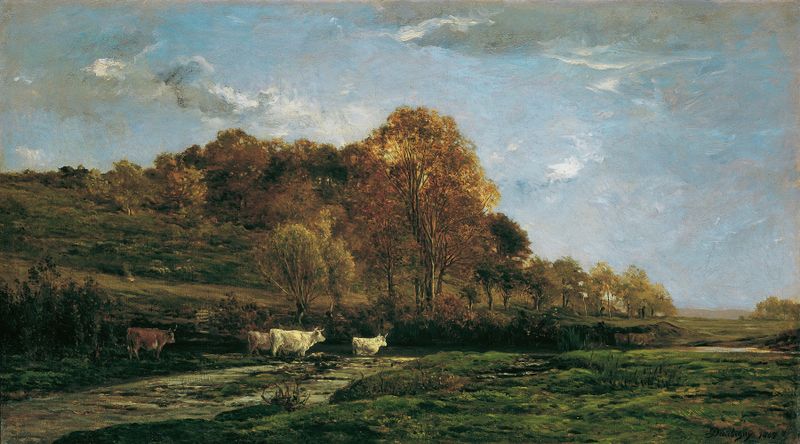
Can beauty exist without sorrow? In A Landscape, Daubigny captures the essence of nature's chaos, intertwining tranquility with an underlying tension that invites contemplation. Look to the horizon where gentle strokes of green and gold blend seamlessly, creating a soft gradient that beckons the eye. Notice how the brushwork vibrates with energy; each blade of grass seems to sway with an unseen wind. The sky, imbued with pastel hues, draws your gaze upward, while the foreground teems with detail, inviting you to explore the tiny figures tucked among the trees.
Daubigny's use of light and shadow emphasizes the contrast between serenity and tumult, suggesting a world that is both peaceful and alive with hidden narratives. Delve deeper into this landscape, and you’ll realize that the chaos is not merely natural; it speaks to the human condition. The juxtaposition of vibrant colors against darker, stormy patches evokes an emotional landscape mirroring our turbulent experiences. Small, seemingly insignificant elements—a solitary bird, a distant boat—hint at lives intertwined within this vast scene, suggesting that happiness and sorrow coexist in every corner of existence. During the years from 1850 to 1878, Daubigny worked amid the shifting tides of the French art world, contributing to the transition from Romanticism to Impressionism.
His explorations of nature were not just a pursuit of beauty; they were influenced by the growing tensions in society and the appreciation for the plein air movement. This painting reflects a time of personal and collective discovery, grounding the viewer in a reality where chaos and beauty intermingle seamlessly.
More Artworks by Charles François Daubigny
Browse all →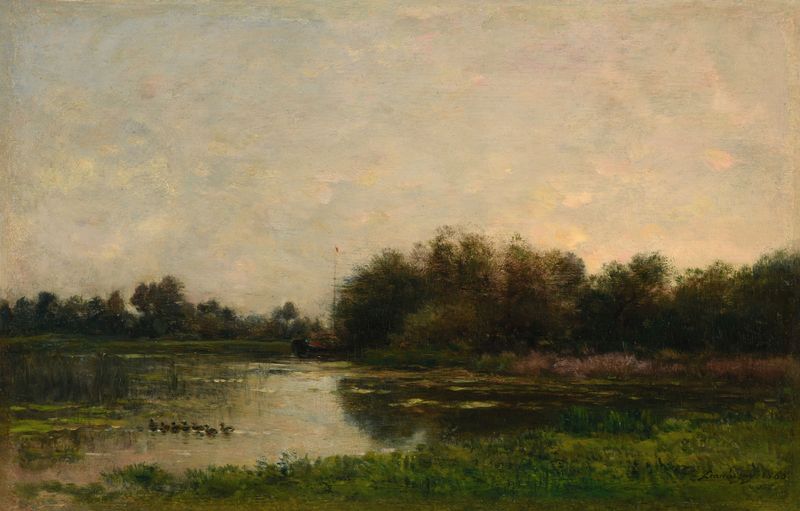
Bords de l’Oise
Charles François Daubigny
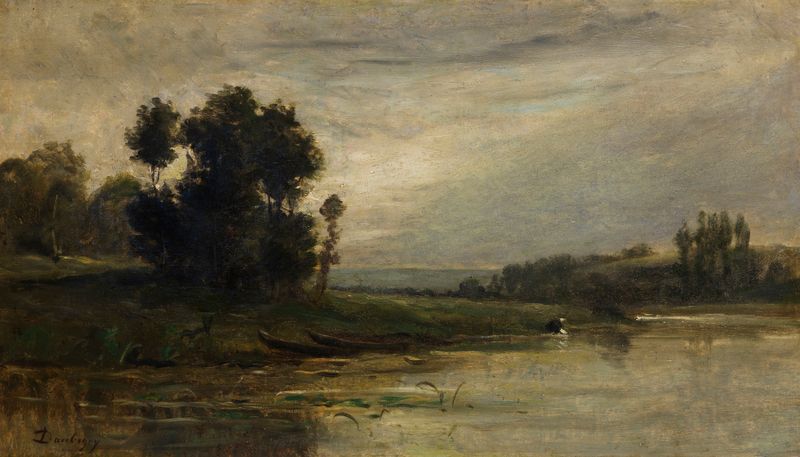
Bords de l’Oise
Charles François Daubigny
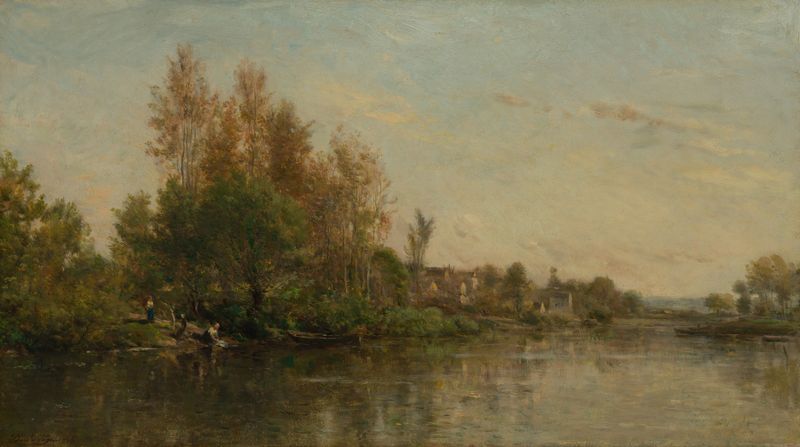
The Banks of the Oise
Charles François Daubigny
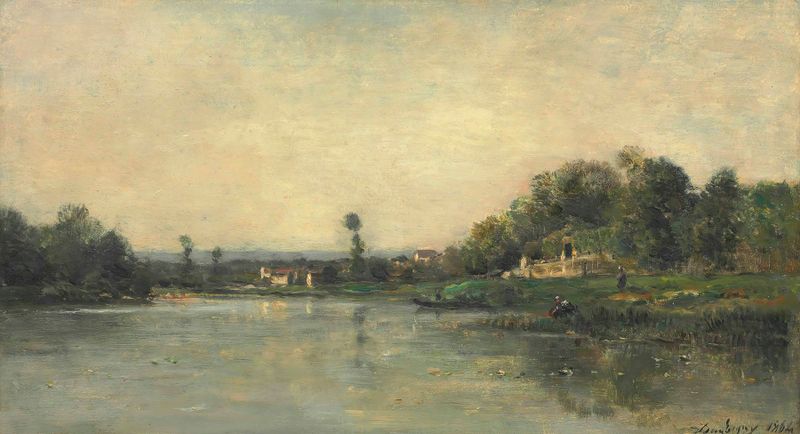
Les Bords De L’oise
Charles François Daubigny
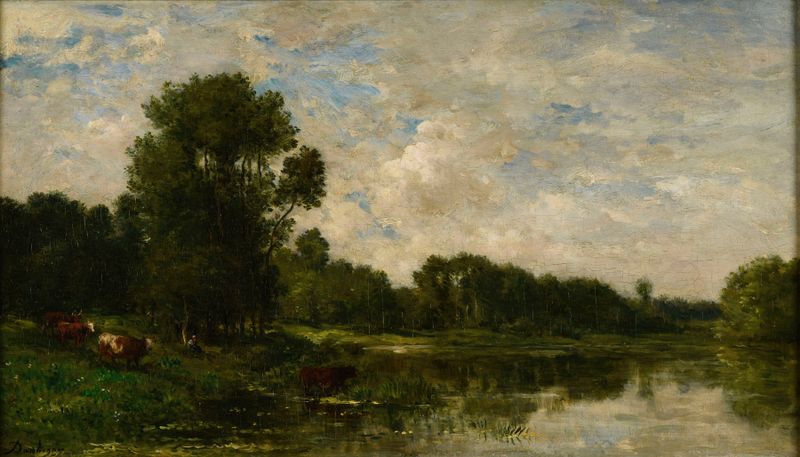
Bords de l’Oise
Charles François Daubigny
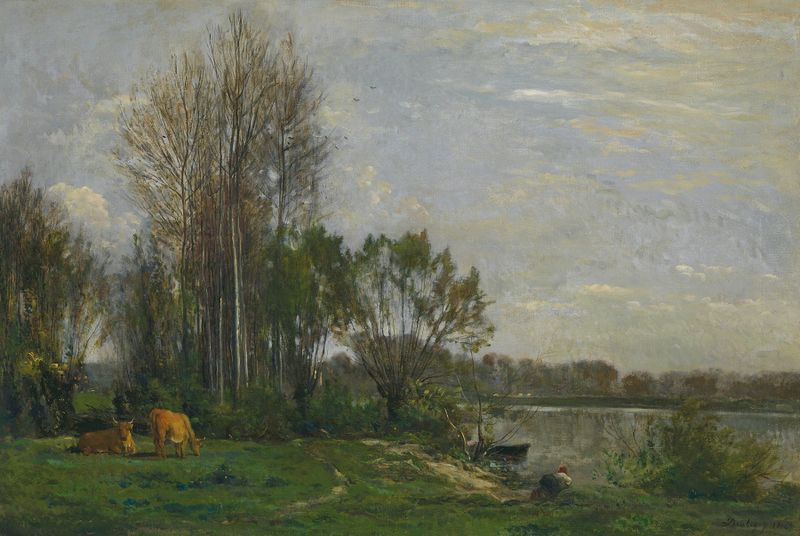
Les Bord De L’oise
Charles François Daubigny
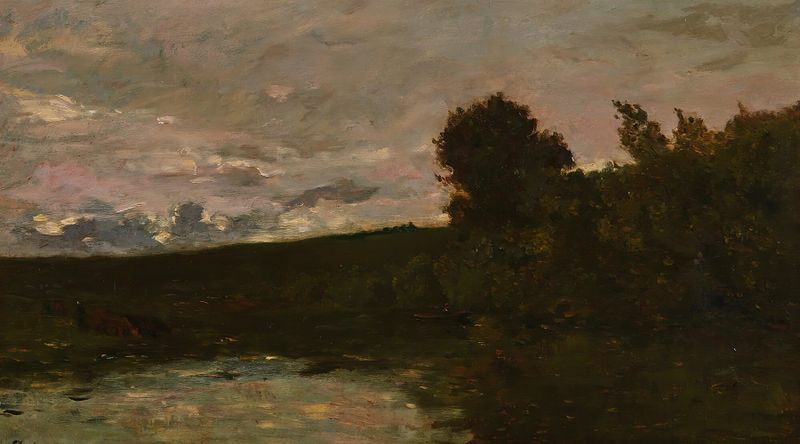
Bord De Riviére
Charles François Daubigny
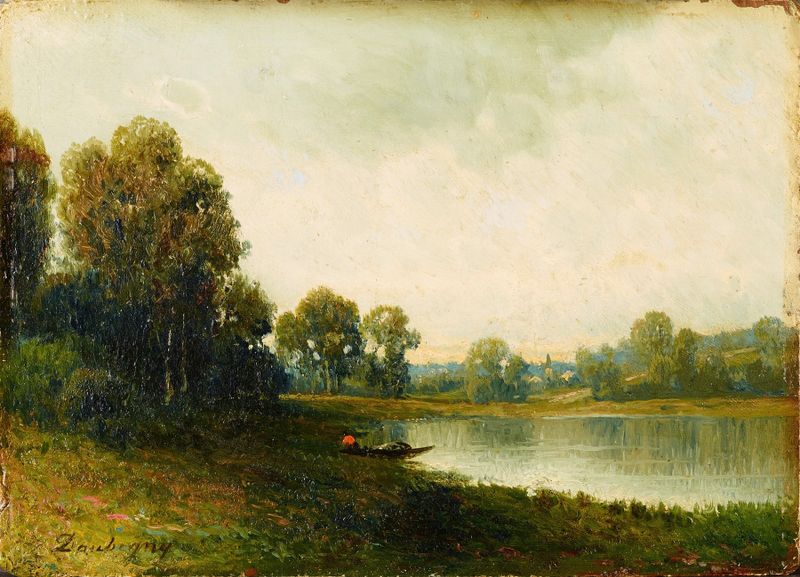
Landscape
Charles François Daubigny
Herbstliche Aulandschaft Abendstimmung
Charles François Daubigny
Landscape near Crémieu
Charles François Daubigny





