
A Peasant Woman Digging in Front of Her Cottage — History & Facts
Is this a mirror — or a memory? In A Peasant Woman Digging in Front of Her Cottage, the essence of movement is captured in every stroke, echoing the relentless rhythm of labor and life. Look to the foreground at the figure of the peasant woman, her body bent in purposeful toil against the earth. Notice how the robust, earthy palette—rich browns and verdant greens—contrasts with the light hues of her cottage, creating a vibrant yet humble scene. The dynamic brushwork conveys the energy of her movements, each stroke suggesting the weight of her labor as she digs into the soil, embodying the resilience of rural life. Delve deeper into the painting, and you’ll discover an emotional tension defined by solitude and strength.
The woman’s slight hunched posture reflects both exhaustion and determination, while the surrounding landscape envelops her in a sense of belonging and isolation. The interplay of light and shadow on her clothes emphasizes her connection to the land, suggesting that her identity is intertwined with her labor. One can almost sense the whispers of generations past, resonating in her every action. Created in the rural heart of Nuenen around 1885, this work reflects a pivotal moment for the artist.
At this time, Van Gogh was immersing himself in the struggles of the working class, seeking to portray their dignity and depth amid a rapidly industrializing world. His commitment to social realism marked a significant departure from his later, more color-driven works, grounding his artistic evolution in the lives of ordinary people.
More Artworks by Vincent van Gogh
Browse all →
Starry Night
Vincent van Gogh
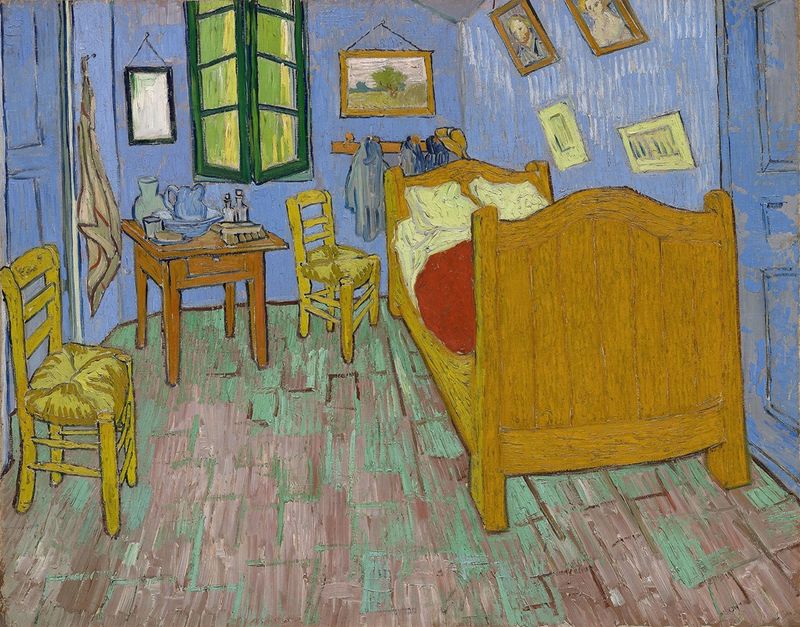
The Bedroom
Vincent van Gogh
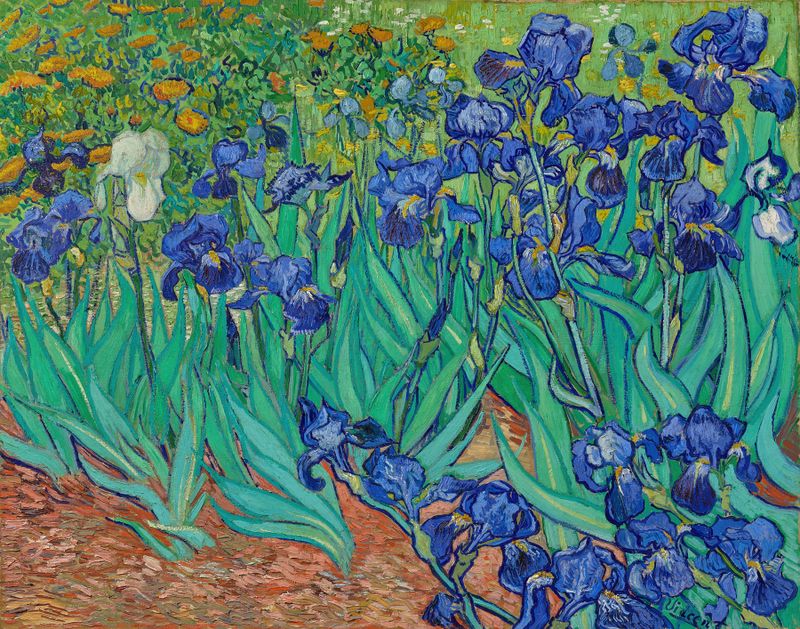
Irises
Vincent van Gogh
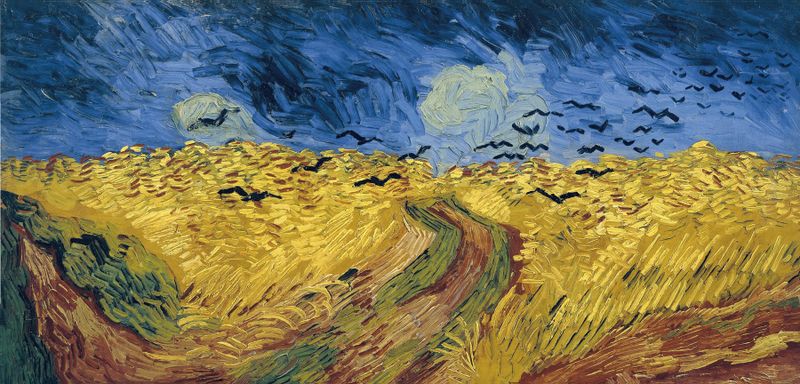
Wheatfield with Crows
Vincent van Gogh
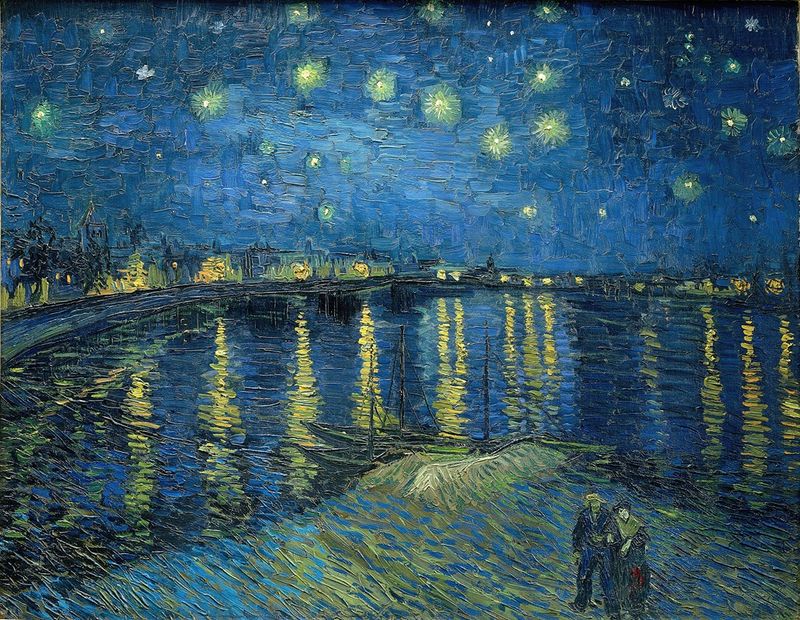
Starry Night over the Rhone
Vincent van Gogh

The yellow house
Vincent van Gogh
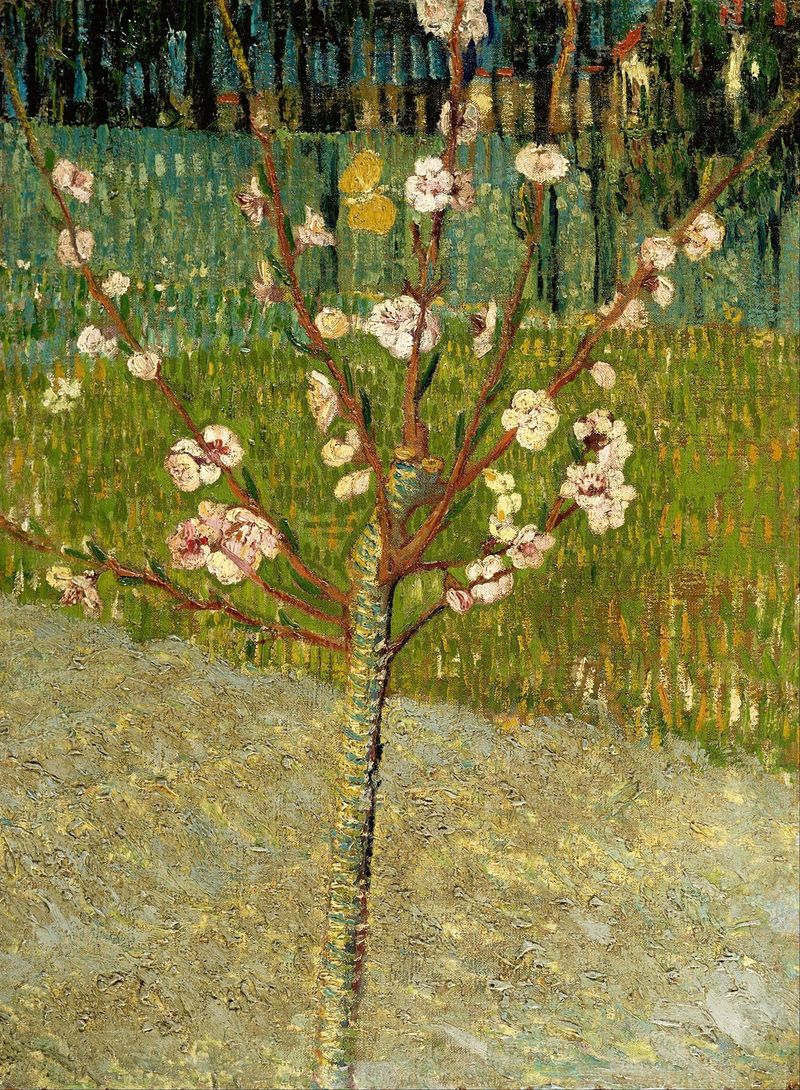
Almond tree in blossom
Vincent van Gogh

Portrait of Dr Gachet
Vincent van Gogh

The Church in Auvers-sur-Oise, View from the Chevet
Vincent van Gogh

Self-Portrait
Vincent van Gogh





