
A Peasant Woman Picking Fleas off a Dog — History & Facts
What first grips the viewer in A Peasant Woman Picking Fleas off a Dog is the unvarnished intimacy of the moment: a woman, her face set in concentration, bends over her companion, fingers searching through its fur. The oval frame tightens the world to just these two beings, cutting out the bustle of village life and drawing the eye to the silent transaction between human and animal. The rough bench, the battered jug, and the sagging fence all speak to a life of hard use, but the light falls gently on the woman’s white cap and the dog’s trusting muzzle, making this act of care feel almost ceremonial.
Here, the everyday is rendered with a kind of dignity, the humble task given the gravity of a ritual. Painted around 1626, this work belongs to the world of early seventeenth-century Flemish genre painting, where scenes of peasant life were both a mirror and a commentary for their viewers. Artists like Adriaen Brouwer specialized in capturing the rough edges of rural existence—often with humor, sometimes with a sharp social eye. Such paintings were not the grand commissions of court or church, but rather objects for private collectors, prized for their lively observation and their ability to bring the viewer close to the textures and gestures of common life.
This particular piece, now part of the Metropolitan Museum of Art’s collection, comes to us with few traces of its journey, but it stands as a testament to a moment when art turned its gaze from the extraordinary to the quietly familiar. Look again at the woman’s hands, and notice how the artist’s sympathy lies not in flattery, but in the truth of the gesture.
More Artworks by Adriaen Brouwer

The Smokers
Adriaen Brouwer
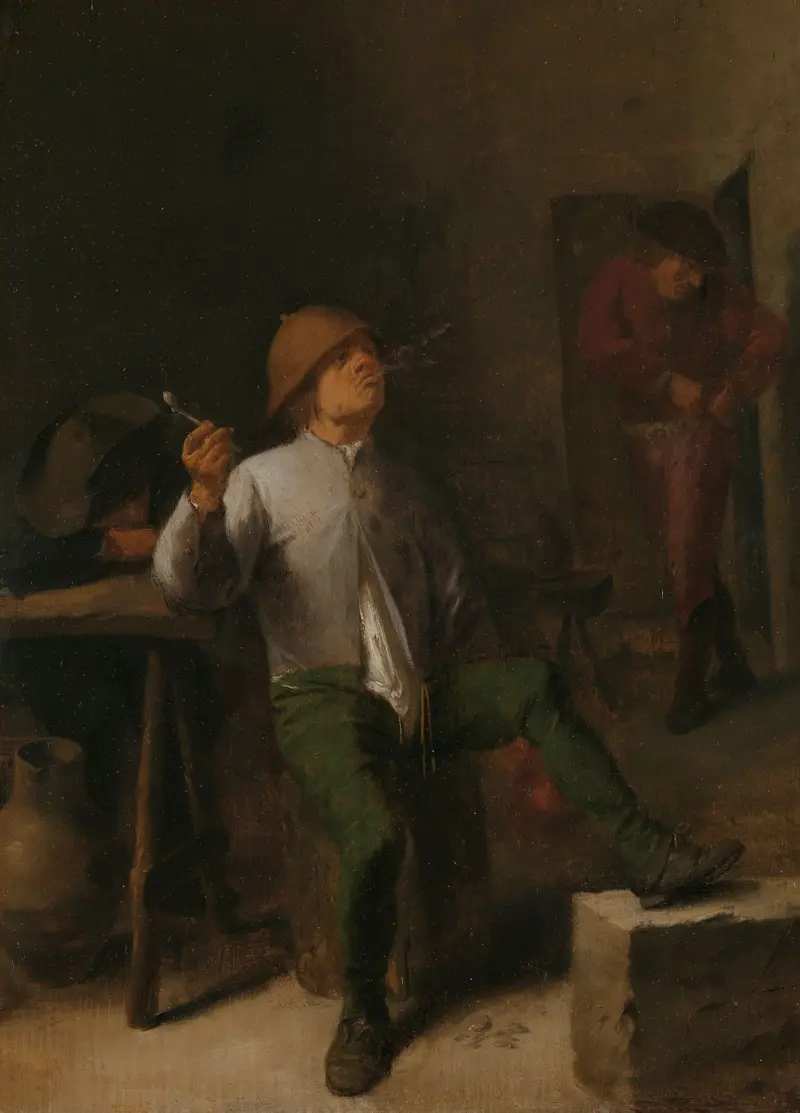
The Smoker
Adriaen Brouwer
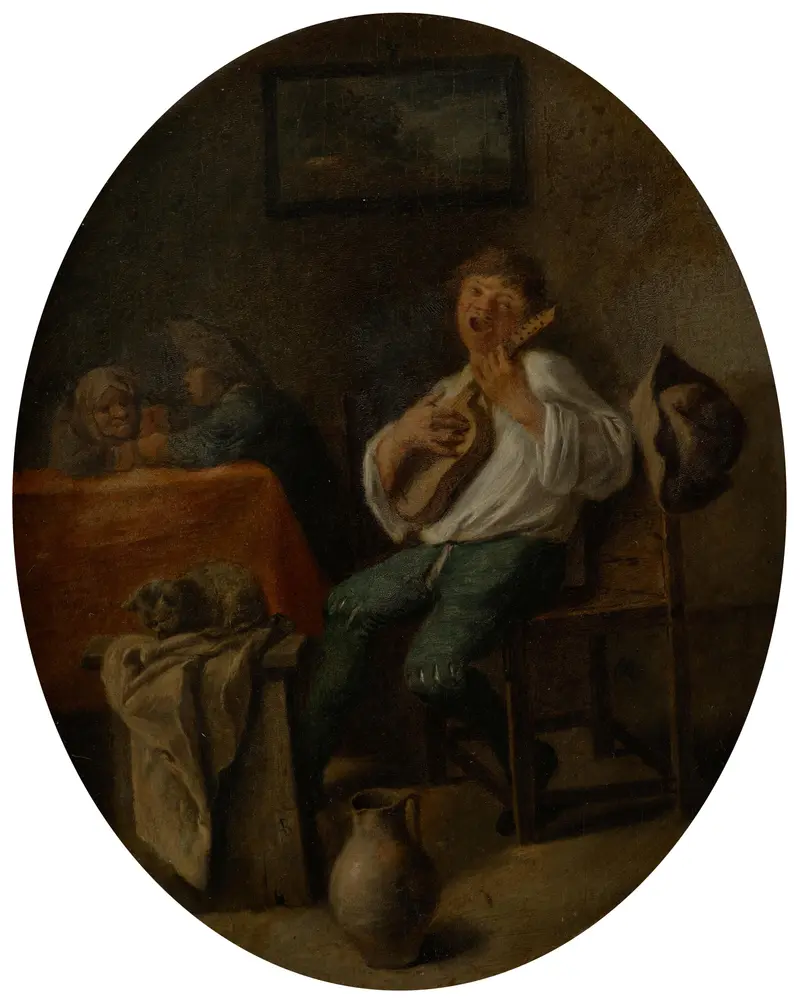
The Guitar Player
Adriaen Brouwer
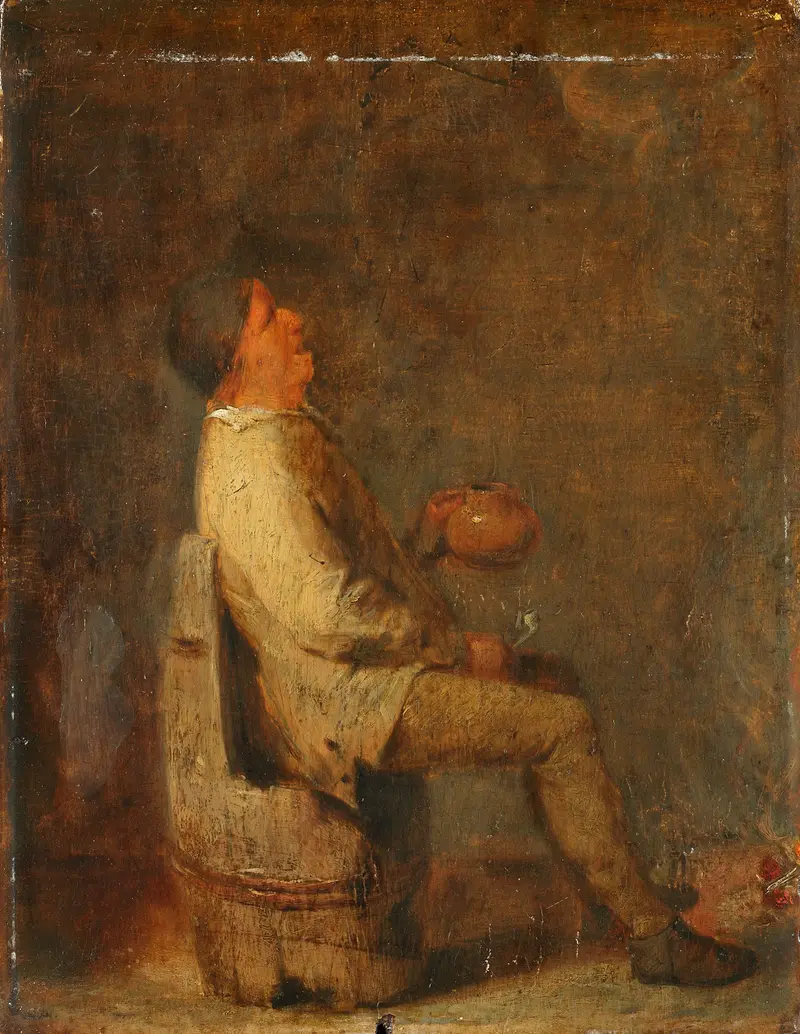
A Peasant Singing
Adriaen Brouwer
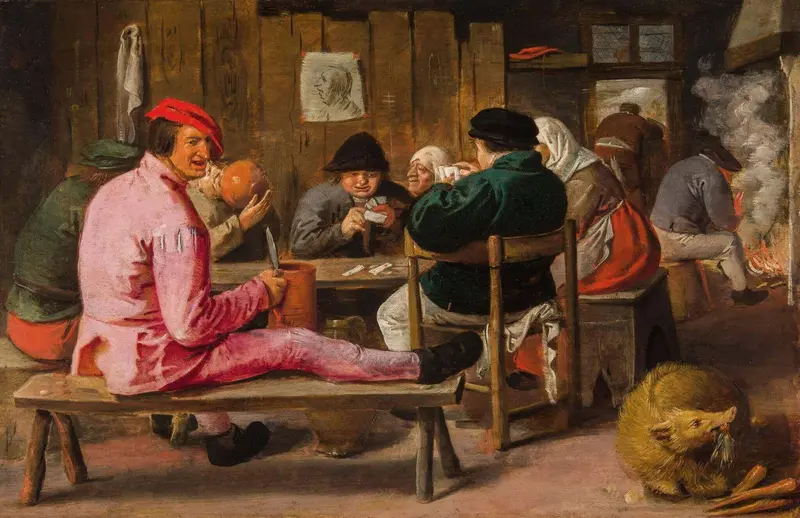
Merry Peasants in an Inn
Adriaen Brouwer
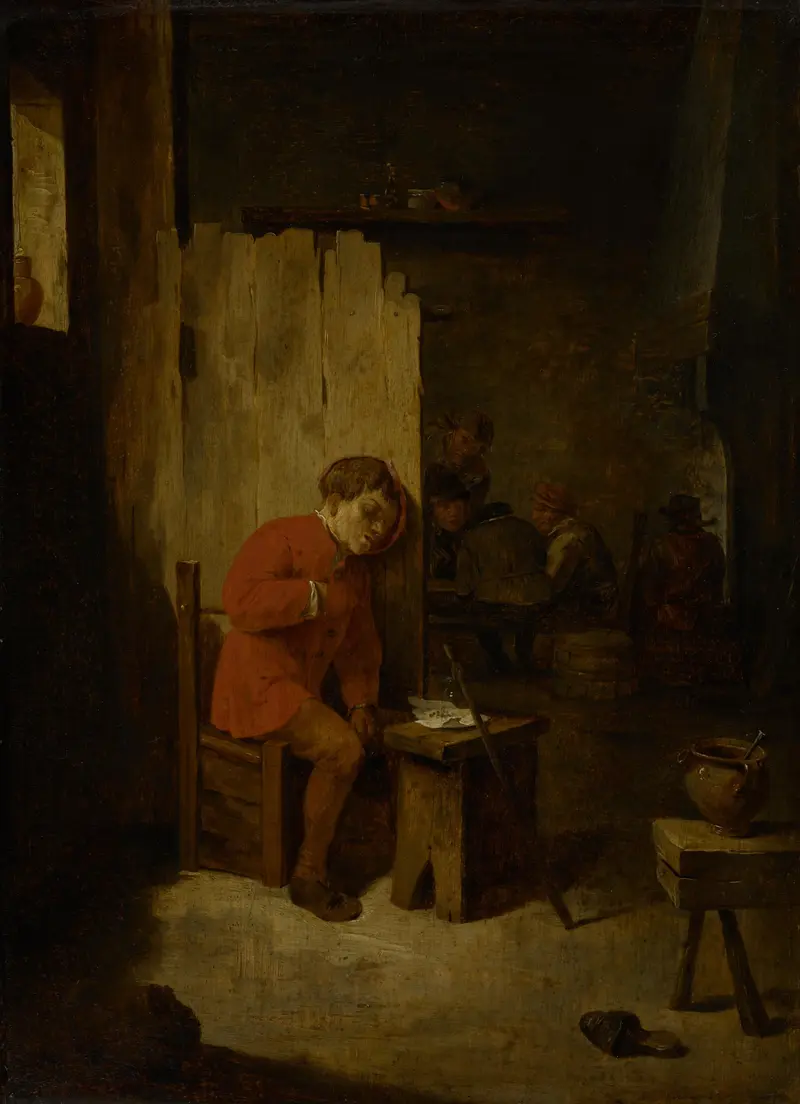
Nachahmer, Schlafender Bauer 853G Gemäldegalerie
Adriaen Brouwer
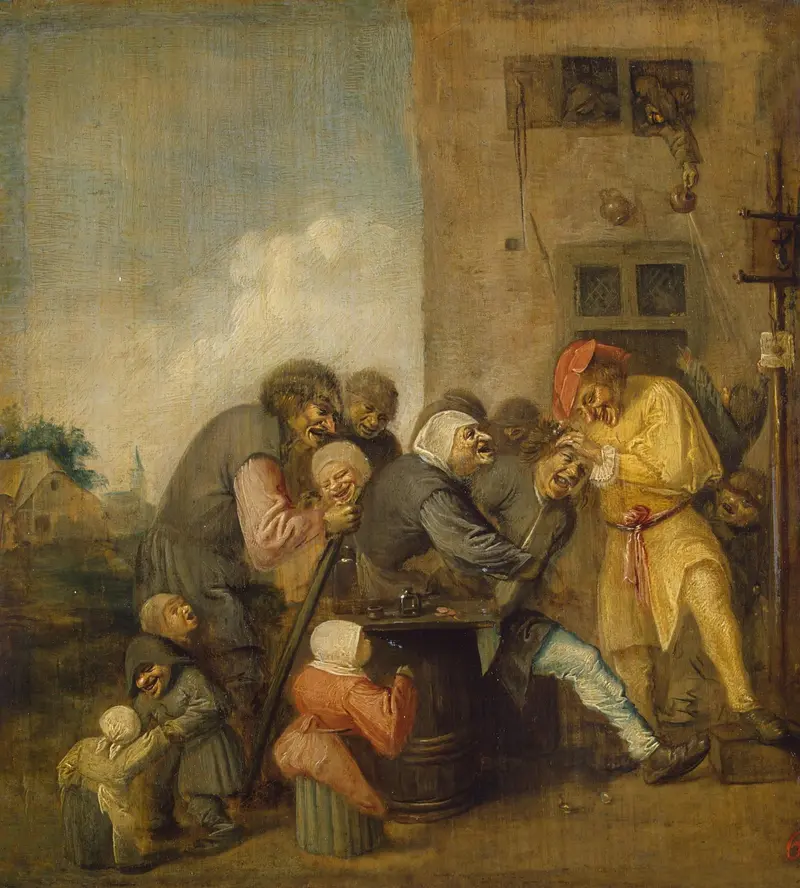
Village Charlatan (The Operation for Stone in the Head)
Adriaen Brouwer
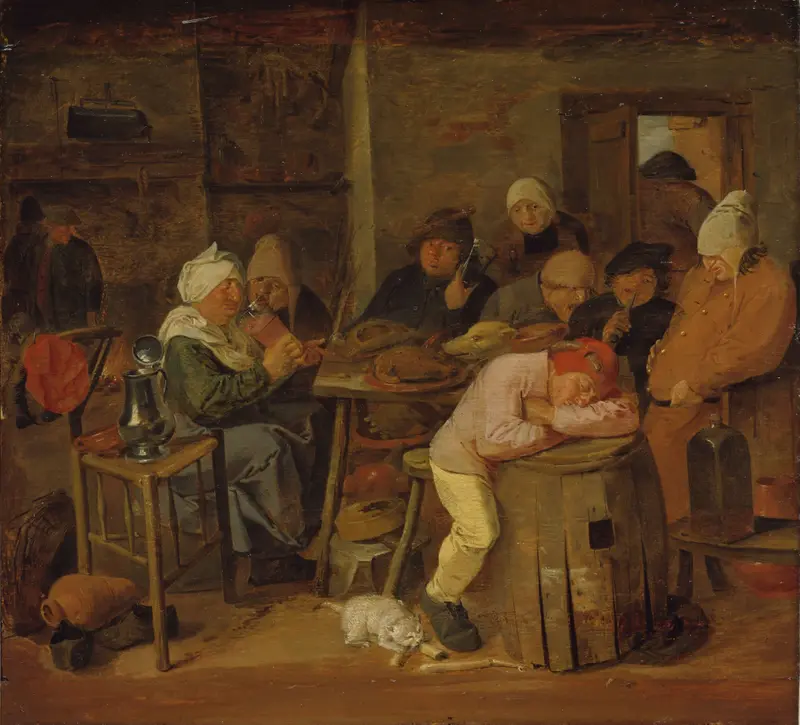
Peasants in an interior (The slaughter feast)
Adriaen Brouwer
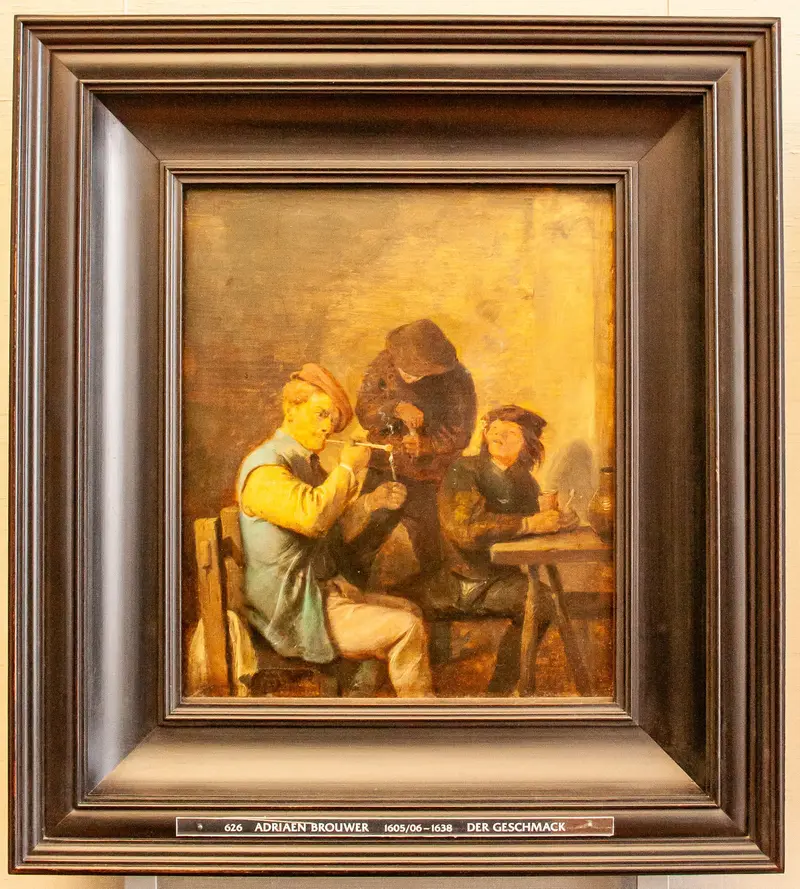
The Taste
Adriaen Brouwer
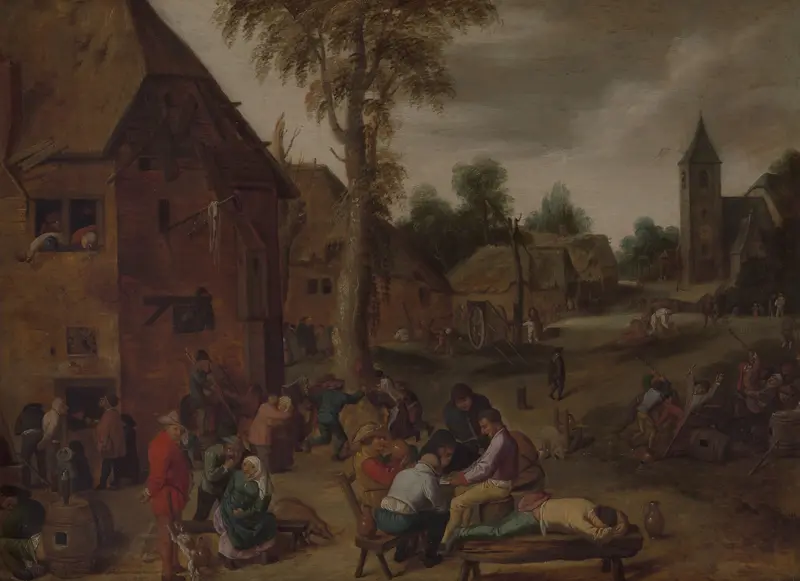
A Fair
Adriaen Brouwer
More Genre Scene Art

Banquet of the Officers of the St George Civic Guard
Frans Hals

Rembrandt and Saskia in the Scene of the Prodigal Son
Rembrandt van Rijn

Bal du moulin de la Galette
Pierre-Auguste Renoir

Quadrille at the Moulin Rouge
Henri de Toulouse-Lautrec

A Burial at Ornans
Gustave Courbet

When Will You Marry?
Paul Gauguin