A Valley in Burgundy (Une Vallée en Bourgogne) — History & Analysis
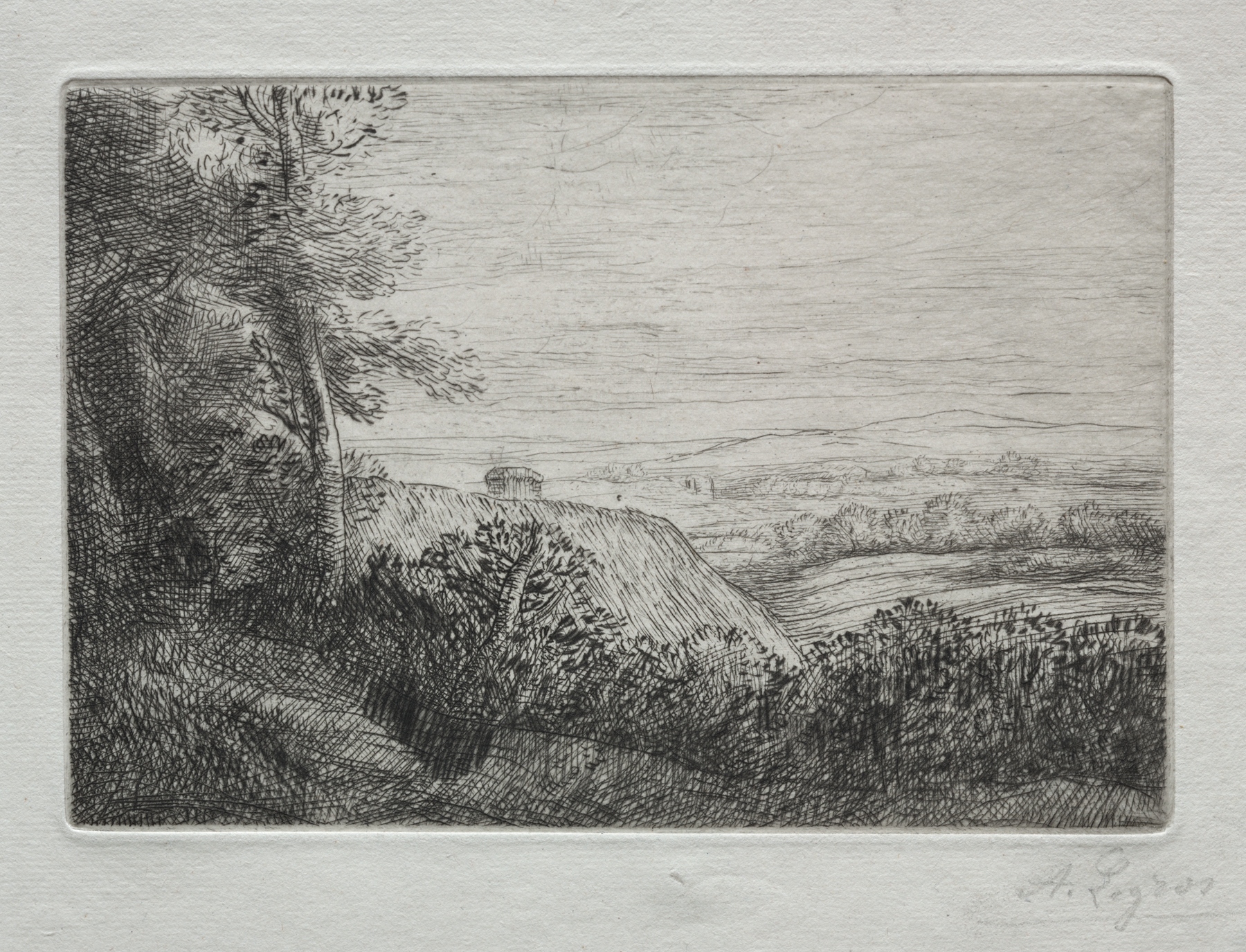
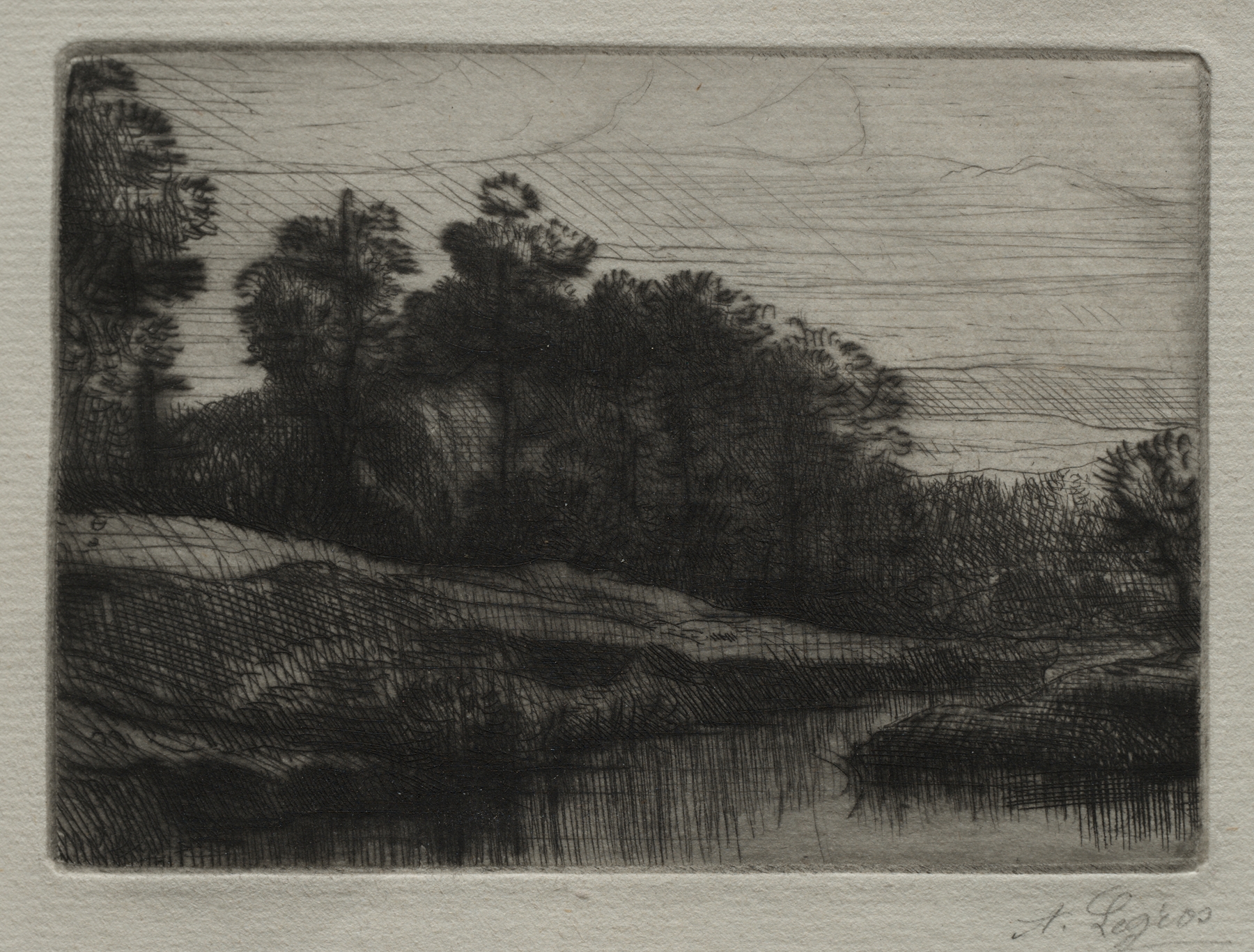
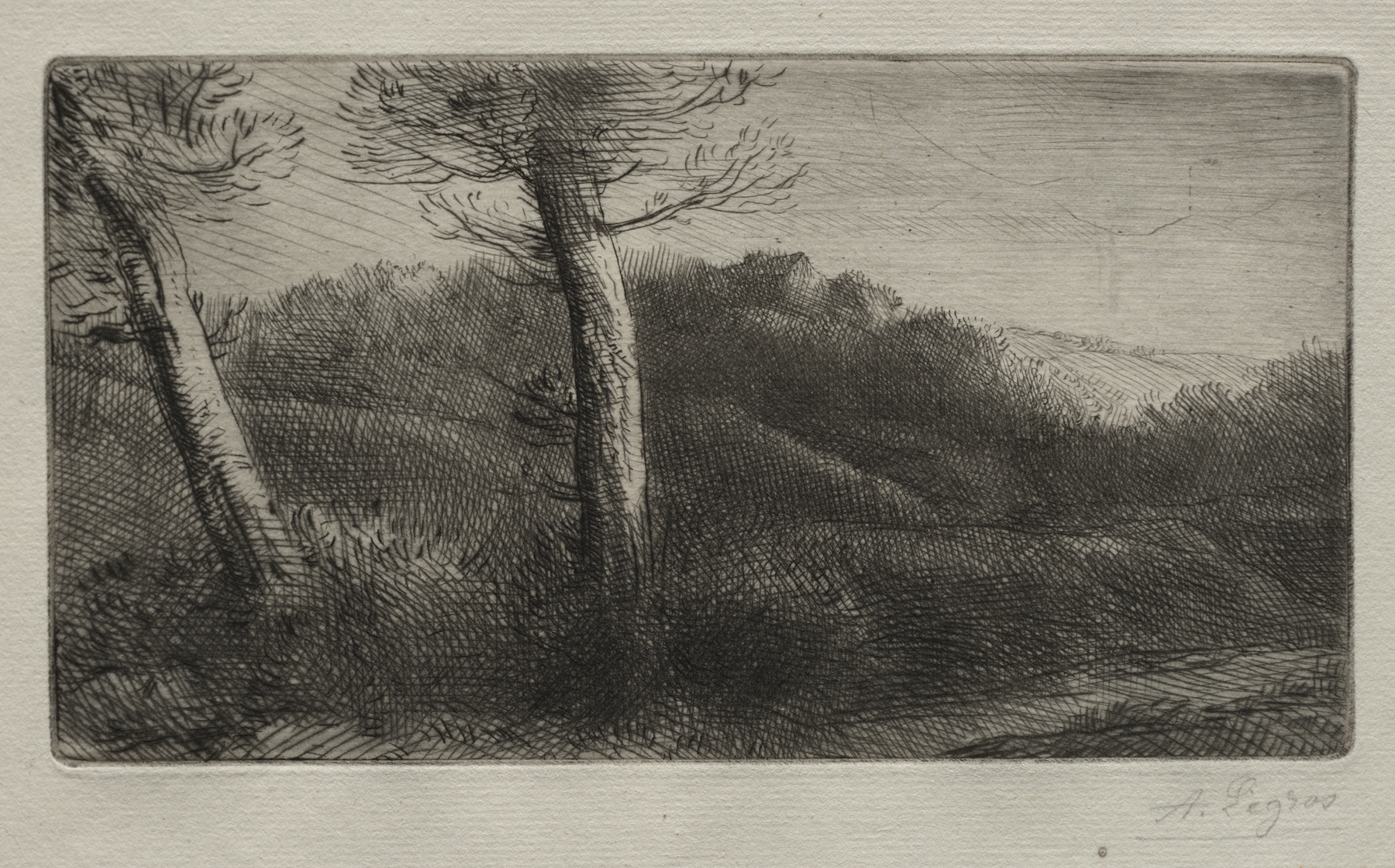
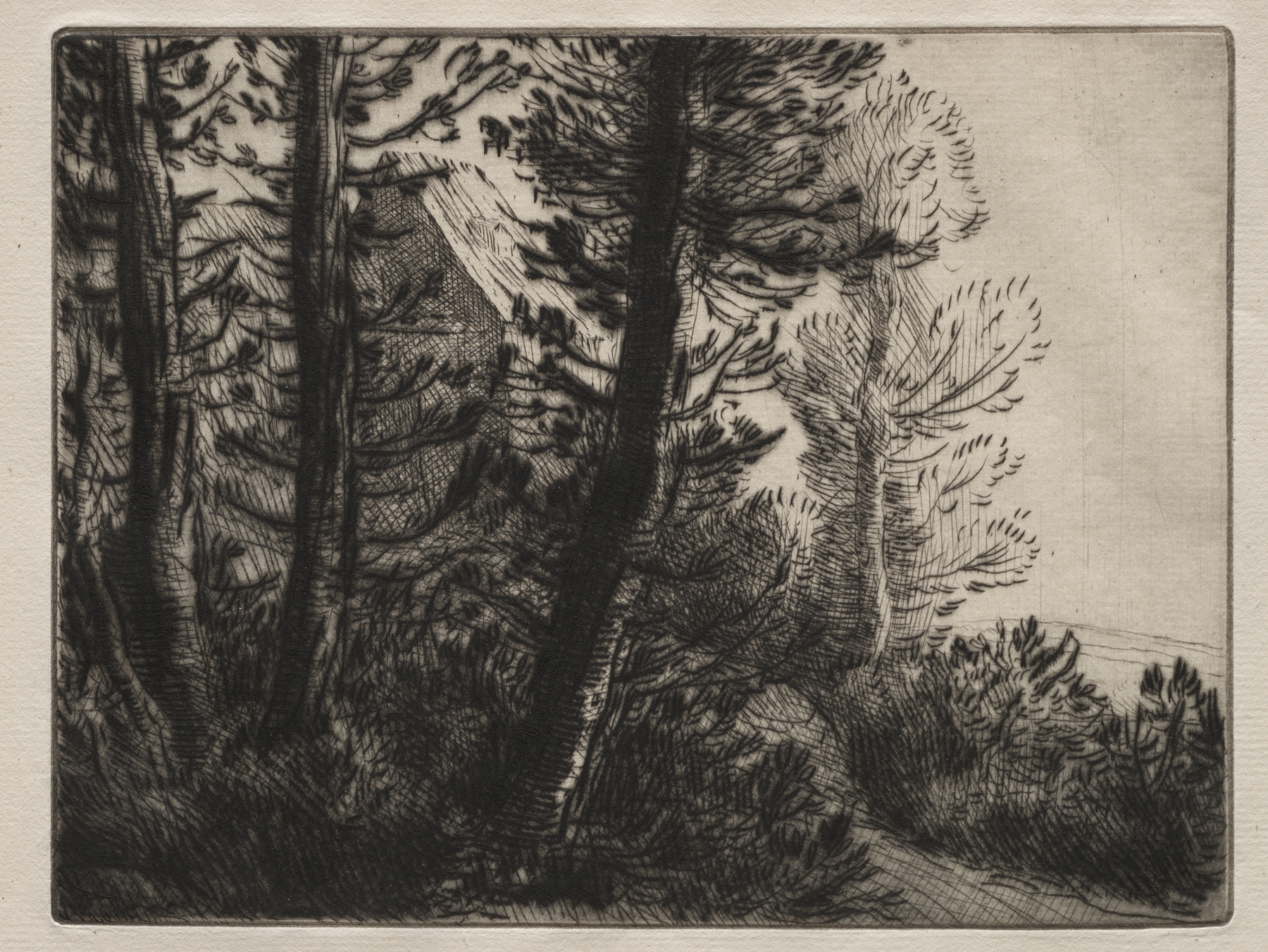
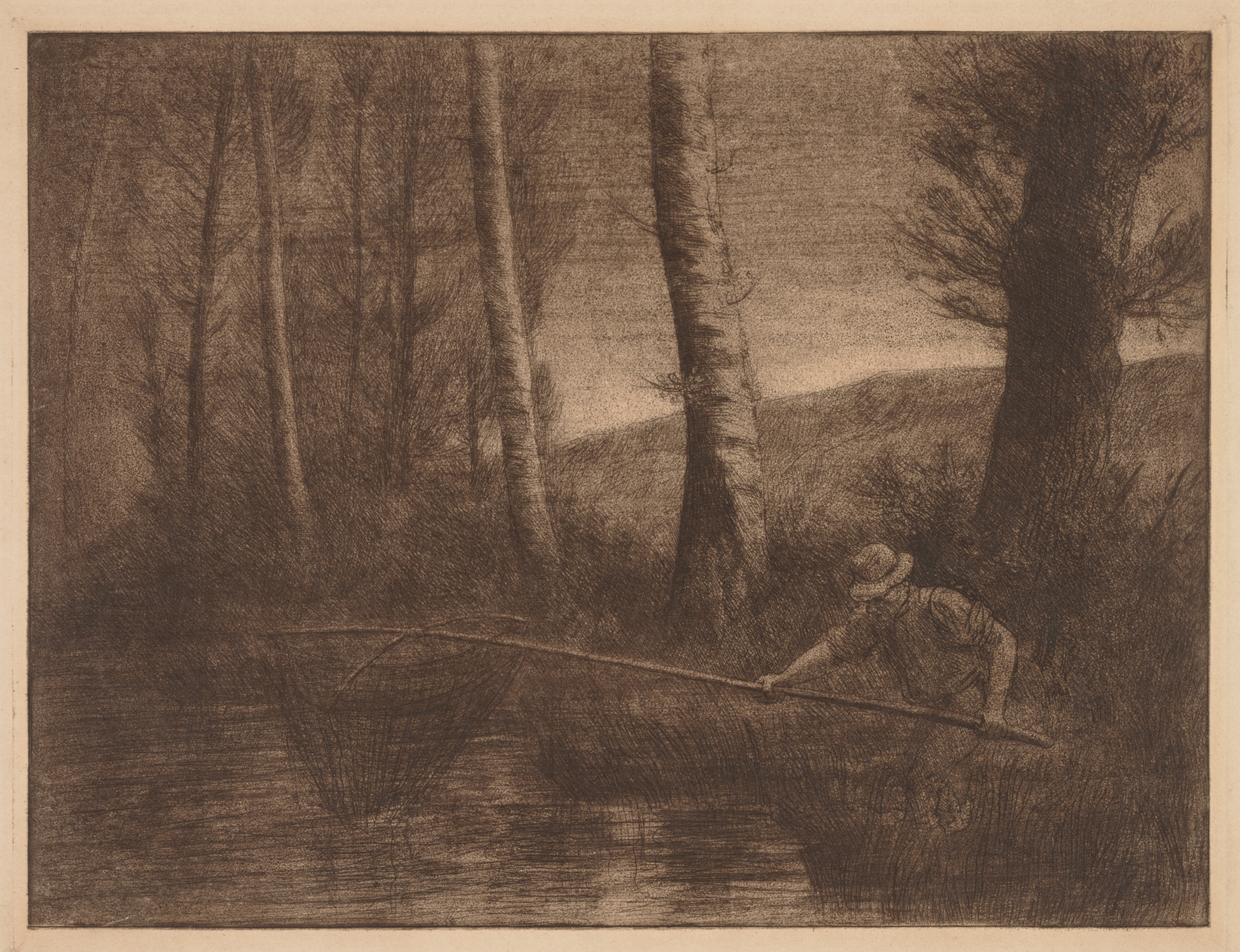
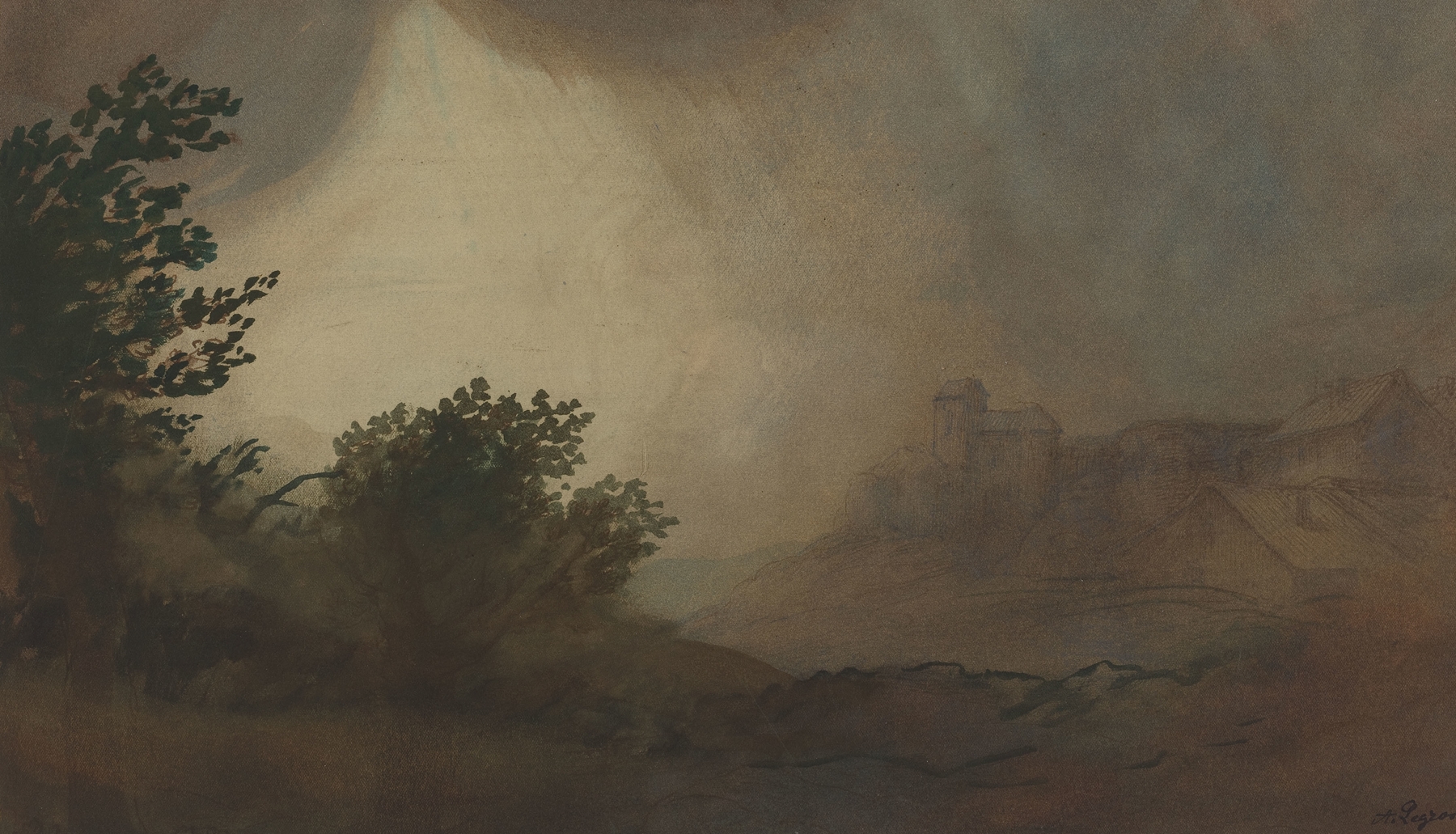
Where does light end, and longing begin? In A Valley in Burgundy, the delicate interplay between light and shadow reveals the intimate dance of obsession within the landscape. Look to the foreground, where the soft hues of green and gold blend seamlessly, drawing your eye toward the gentle undulations of the land. The lush valley stretches beneath a vast sky, painted in tender blues and whites, creating a serene backdrop.
Notice how the winding river reflects the sunlight, almost inviting the viewer to follow its path into the heart of the scene. The careful brushwork, layered and textured, conveys both the vibrancy of nature and the stillness of a moment captured in time. As you delve deeper, the contrasts become apparent; the warmth of the fields juxtaposes the coolness of the sky, echoing the tension between the beauty of the natural world and the yearning it evokes in the observer. The shadows lurking at the edges evoke a sense of mystery, as if the valley holds secrets waiting to be uncovered.
This landscape embodies not only a physical space but also an emotional landscape, one that reflects the artist's own obsessions and desires. Alphonse Legros painted A Valley in Burgundy during a time of profound change in the art world, between 1857 and 1911. Living in England, he was influenced by the French naturalistic movement, even as his own style began to lean toward symbolism. This period marked a transition in his life, where personal struggles and artistic experimentation coalesced, resulting in works that reveal both his love for nature and the complexities of human emotion.