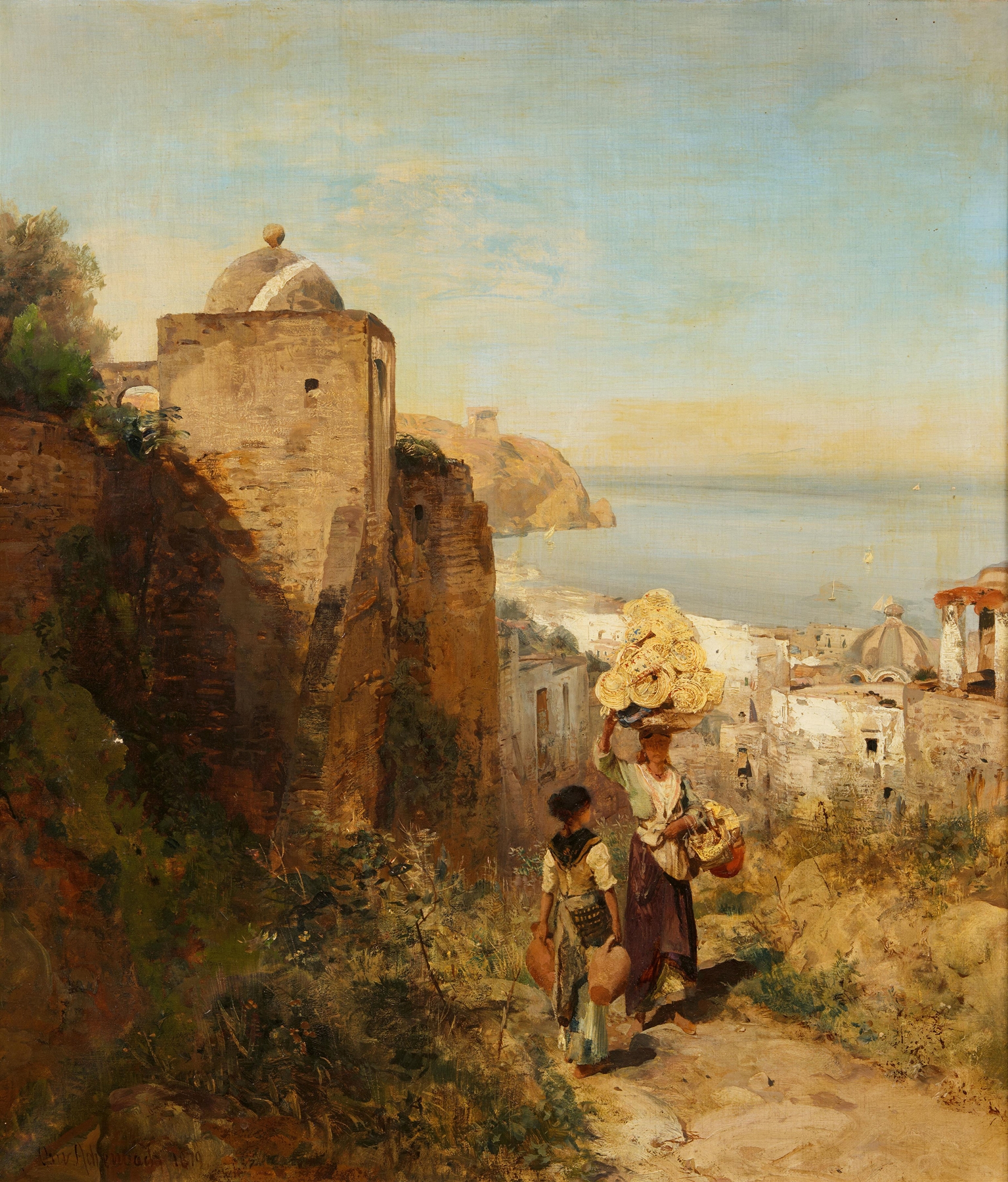
A view of the garden of Villa d’Este in Tivoli, near Rome — History & Analysis
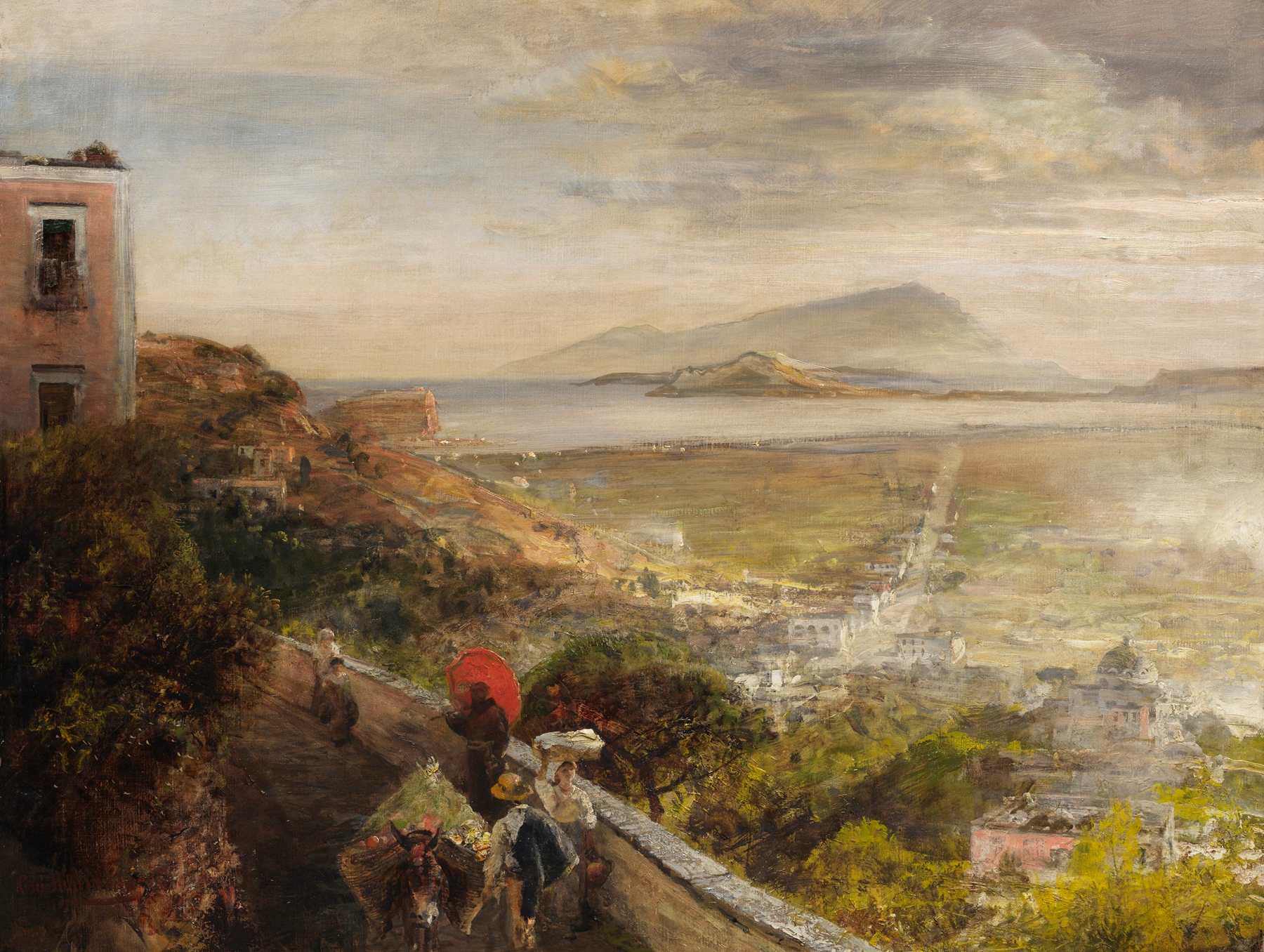
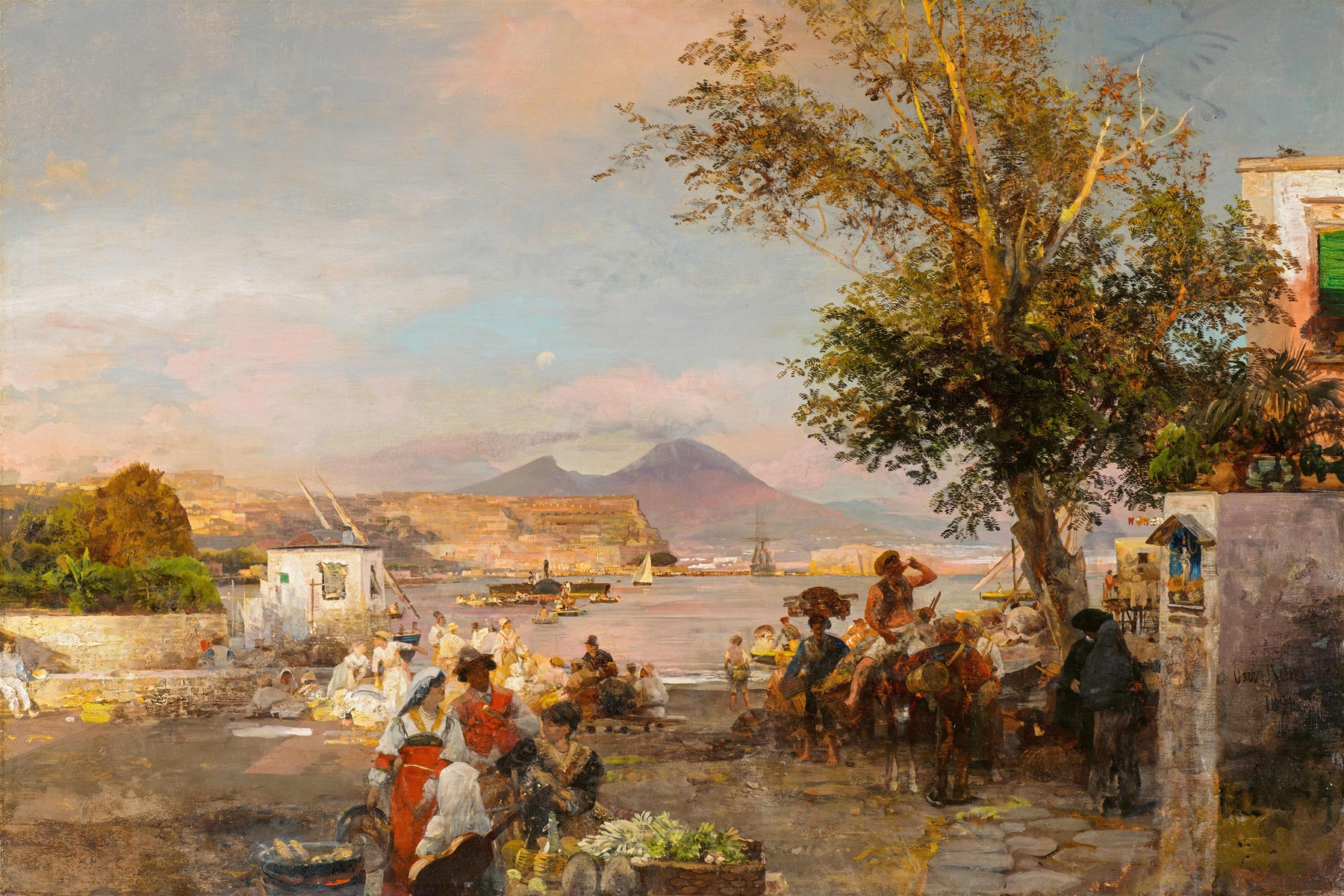
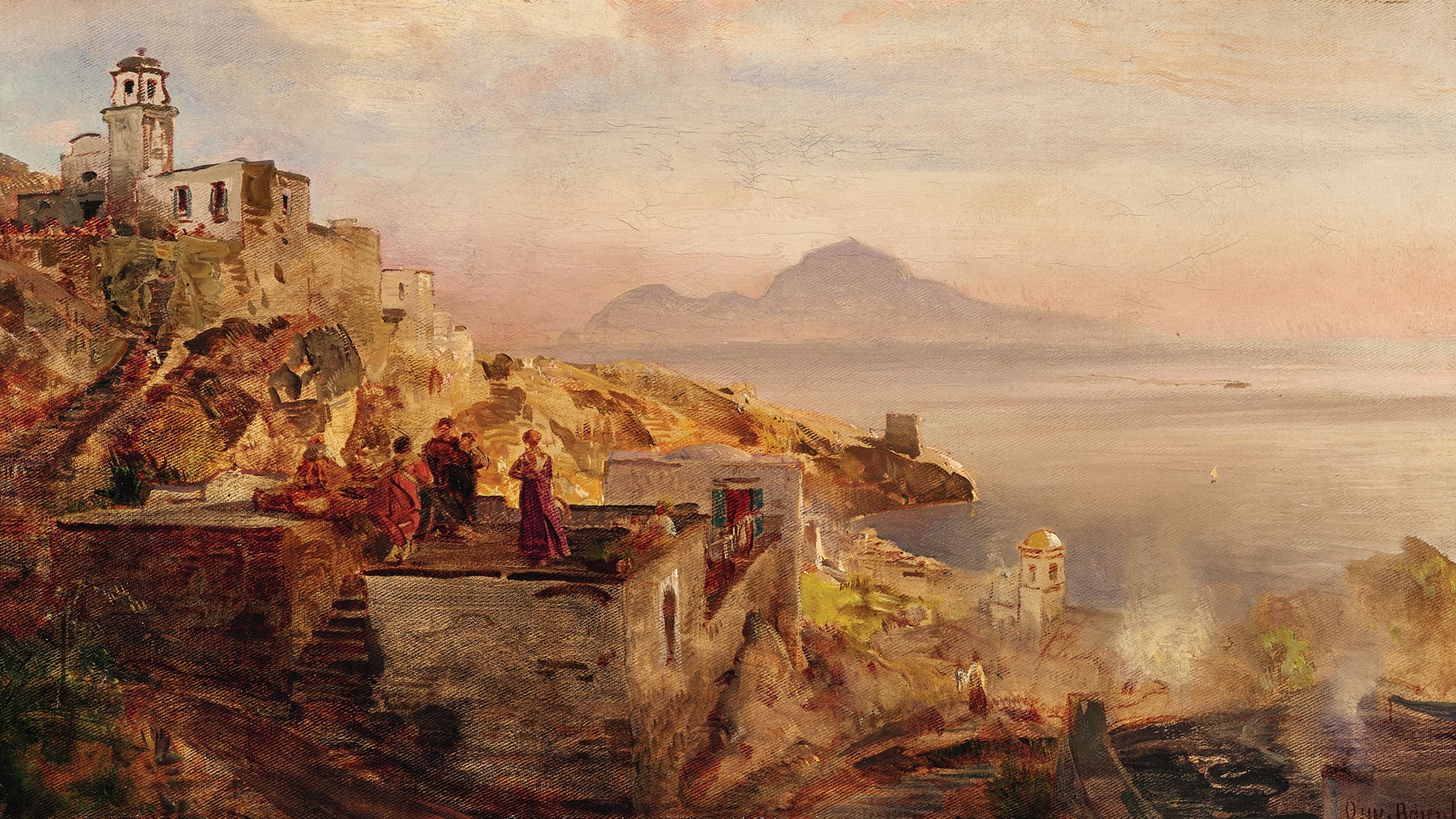
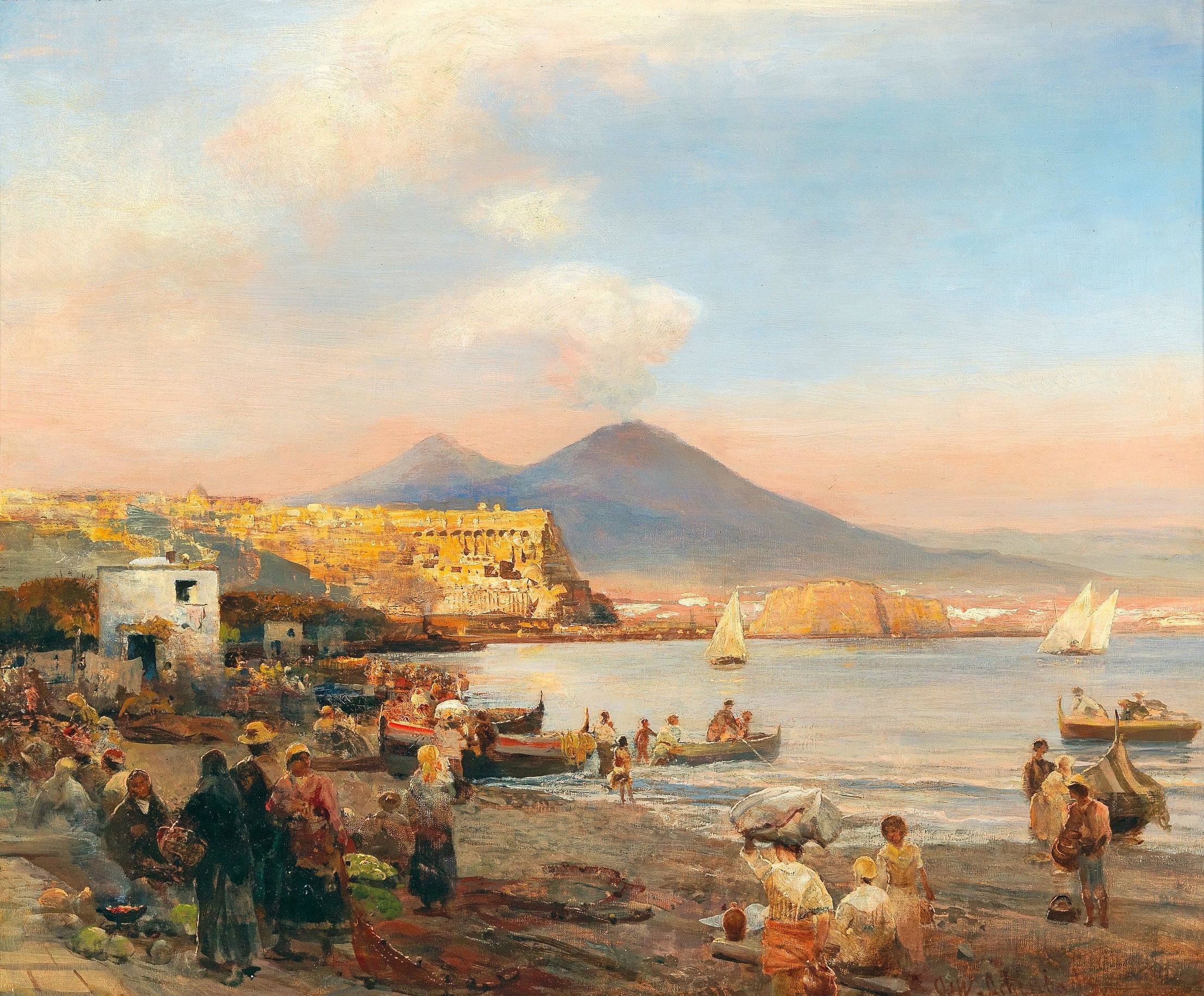
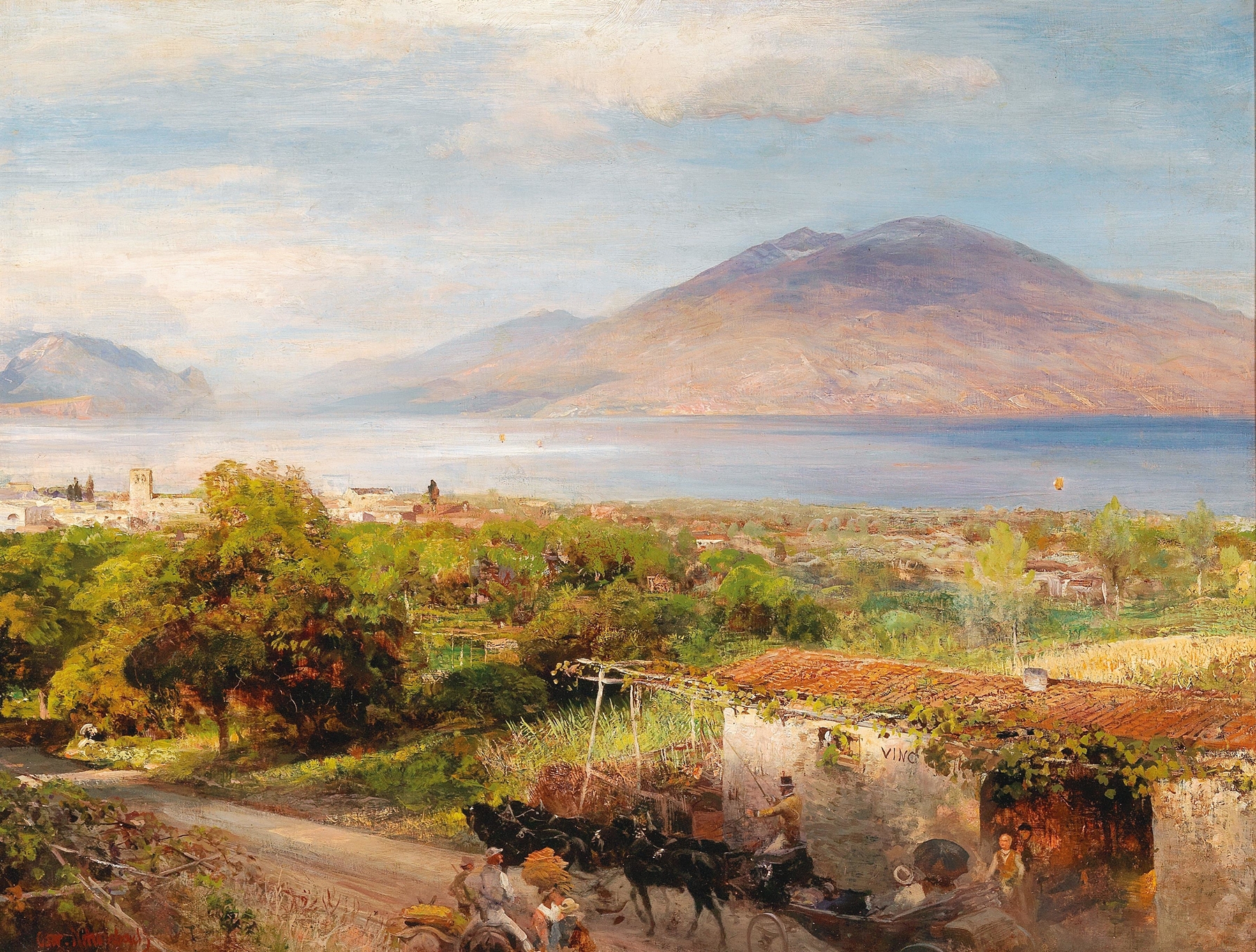
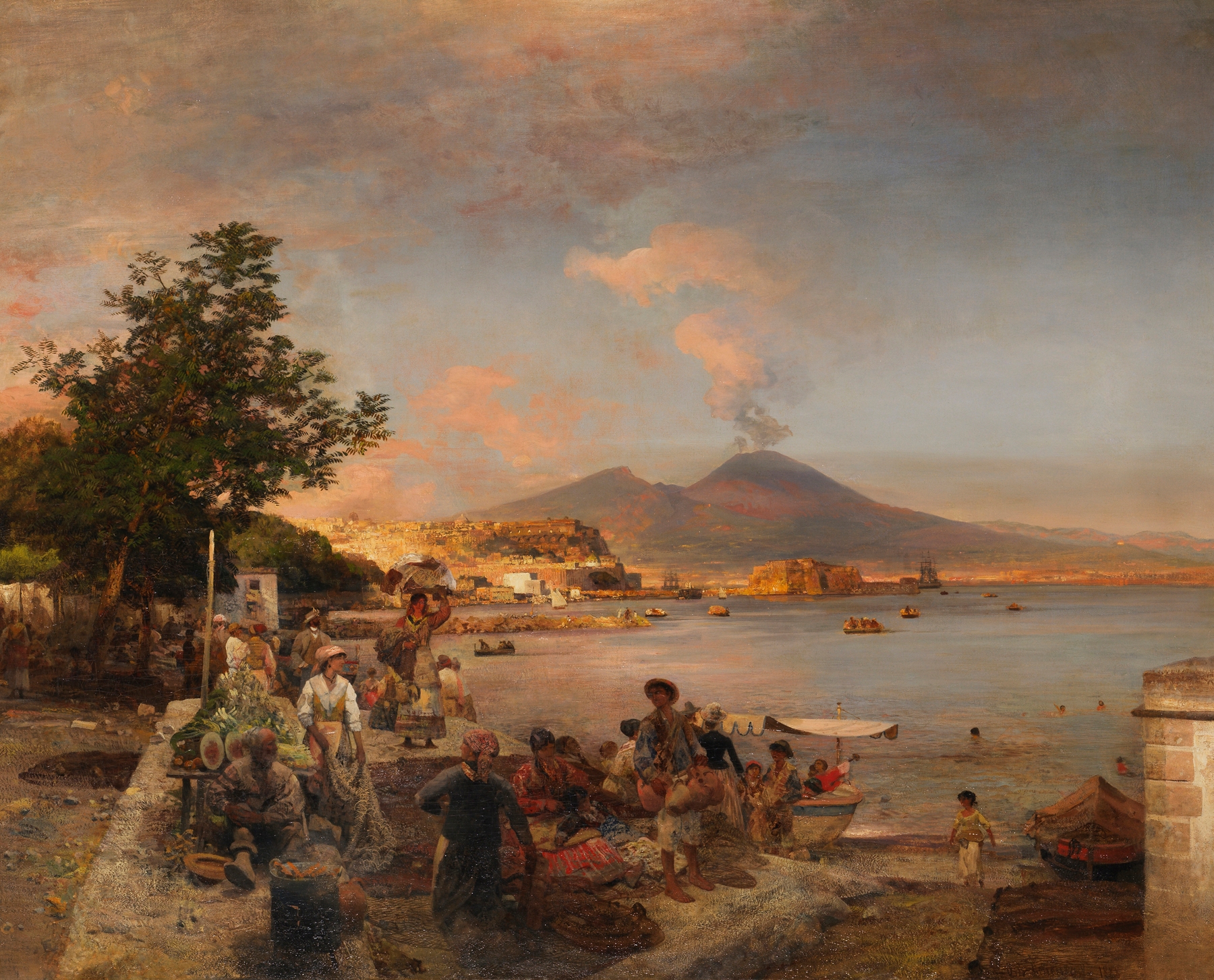
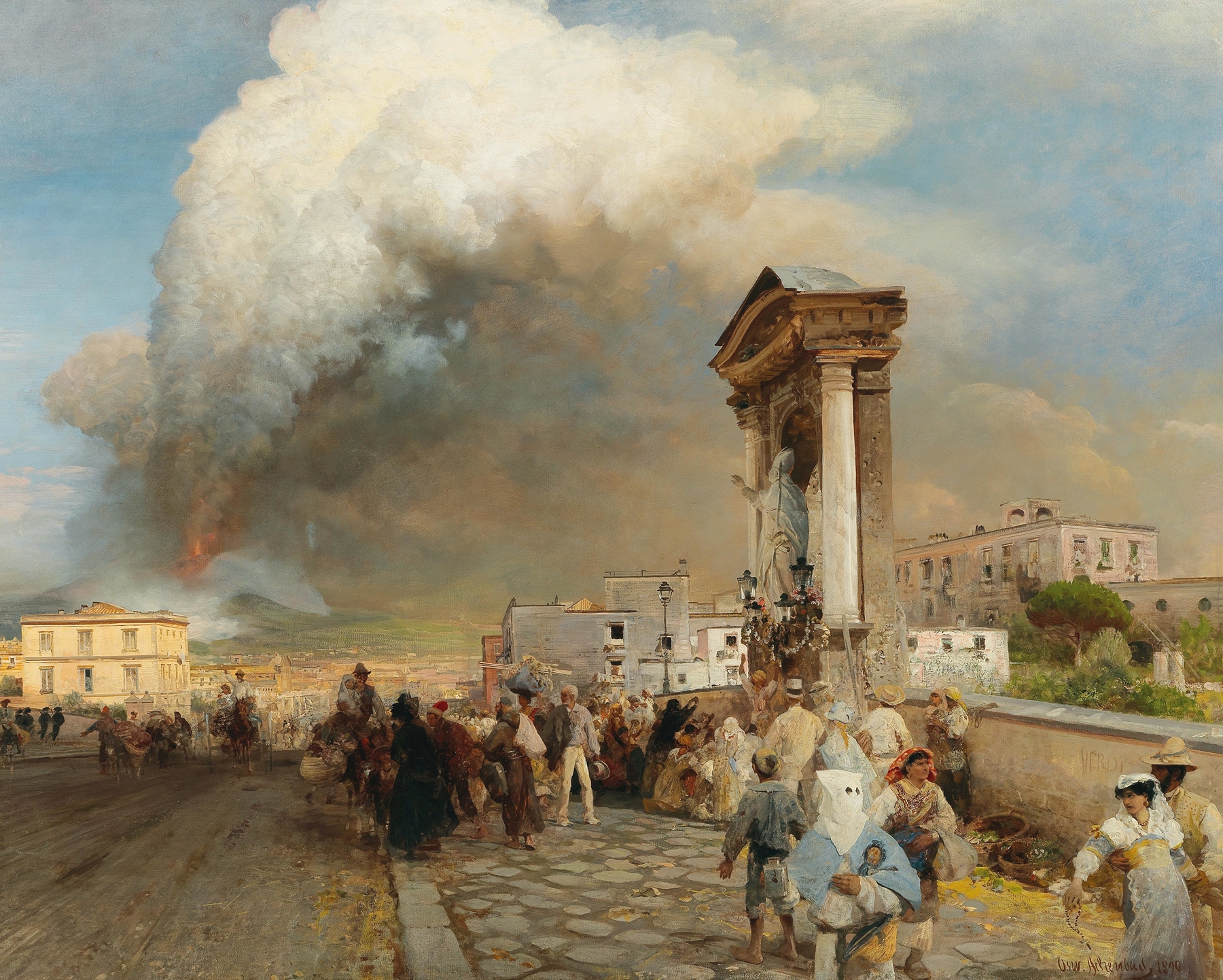
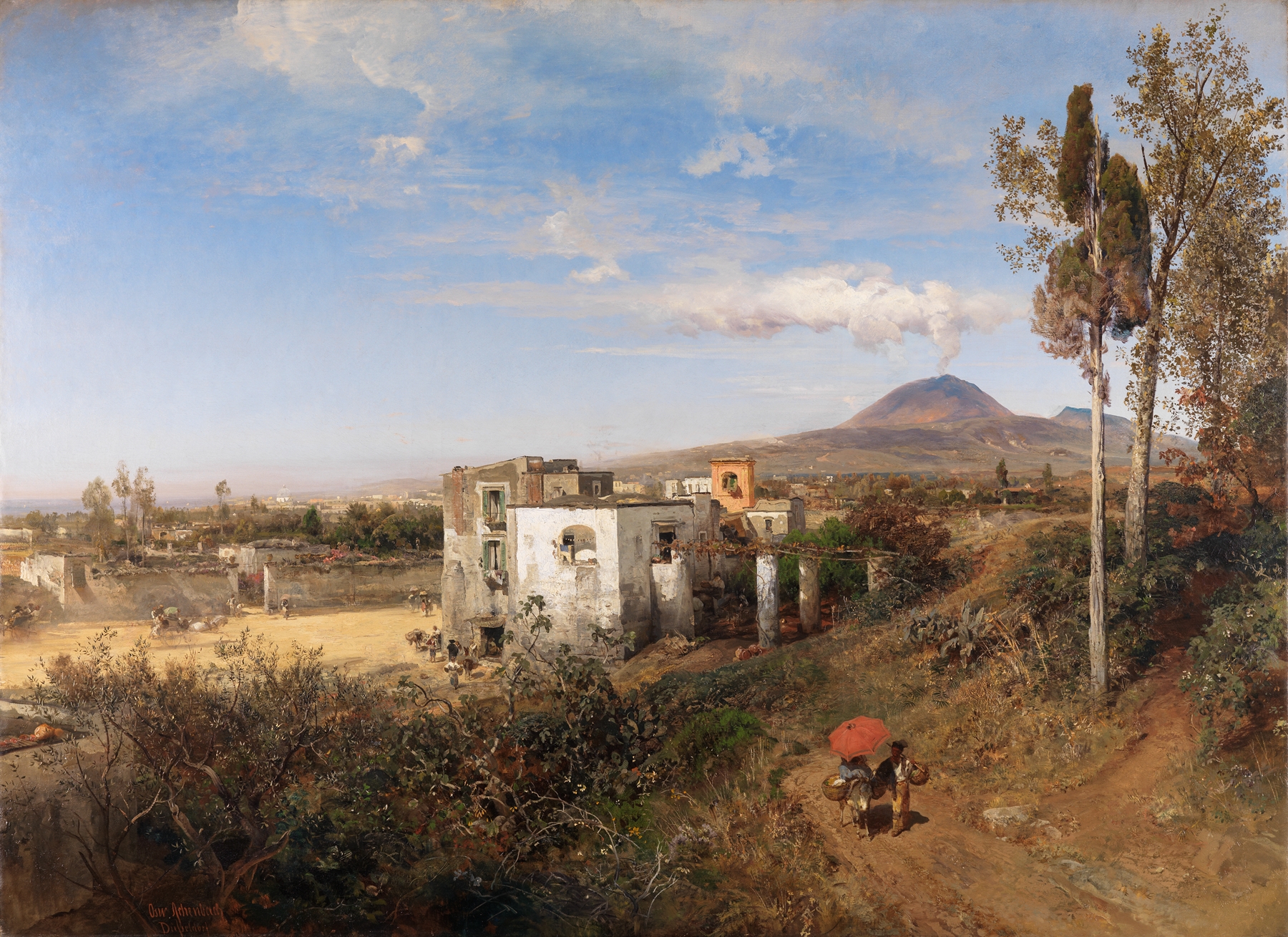
The sun bathes the garden in a golden light, illuminating the lush greenery and majestic fountains. A gentle breeze rustles the leaves, carrying the faint sound of trickling water. In the distance, figures stroll leisurely, their laughter mingling with the soft murmur of nature, encapsulating a moment of tranquility and transformation in this exquisite Italian villa. Look to the left at the ornate fountain, where water cascades over intricately carved stone. The vibrant greens of the foliage contrast beautifully with the warm earth tones of the path, leading your gaze deeper into the garden.
Notice how sunlight filters through the trees, casting dappled shadows that dance playfully across the ground. Each brushstroke reveals not just the physical beauty of the scene, but also the artist's profound appreciation for the harmony of nature and architecture. Hidden within the vibrant colors and meticulous detail lies a commentary on the transience of beauty. The fleeting moment captured here speaks to the cycles of life, as the garden thrives under the sun yet is destined to change with the seasons.
The figures in the background symbolize the human connection to nature, suggesting how our experiences and emotions are intertwined with the ever-evolving landscape around us. This artwork was created by Achenbach during a period when he was deeply influenced by the Romantic movement and the lush settings of Italy. Although the exact date remains unknown, it reflects the artist's mastery of capturing light and atmosphere, a hallmark of his work. At that time, he was exploring the themes of natural beauty and sublime landscapes, inspired by the breathtaking vistas that Italy had to offer.