
A woman with her three children at church — History & Facts
What draws the eye first in A woman with her three children at church is the quiet gravity of the mother’s gaze, set against the hush of stone walls and the close, protective embrace of her children. The painter, Thérèse Schwartze, leads us gently into this moment of stillness: the eldest daughter leans, spent, against her mother’s arm; the baby, swaddled in lavender, sleeps in the crook of her lap; the boy, absorbed in his book, stands with his shoes perched on a box, as if making himself just tall enough for the world he’s about to enter. Light falls from the left, picking out the pale headscarves and the mother’s red shawl, creating a sense of shelter and warmth amid the cool, unyielding stone.
Even the smallest details—the worn wooden bench, the paper posted on the wall—anchor the family in a public space, yet the composition draws them together, forming a private island of care and fatigue. Painted in 1886, this work stands at the crossroads of late nineteenth-century realism and the growing interest in everyday life among Dutch artists. In this era, painters like Schwartze turned their attention to the lives of ordinary people, often women and children, capturing moments of endurance and dignity rather than spectacle. Such paintings were rarely grand commissions; instead, they spoke to a middle-class audience newly interested in the realities of urban life and the quiet heroism found there.
While little is recorded about the journey of this particular canvas, its presence in a private collection today is a reminder of how many stories from this period survive only in images. The viewer is left to wonder what prayers or hopes fill the silence between these figures—and to look again, searching for answers in the painter’s careful choreography of hands, faces, and light.
More Artworks by Thérèse Schwartze

Self-portrait
Thérèse Schwartze
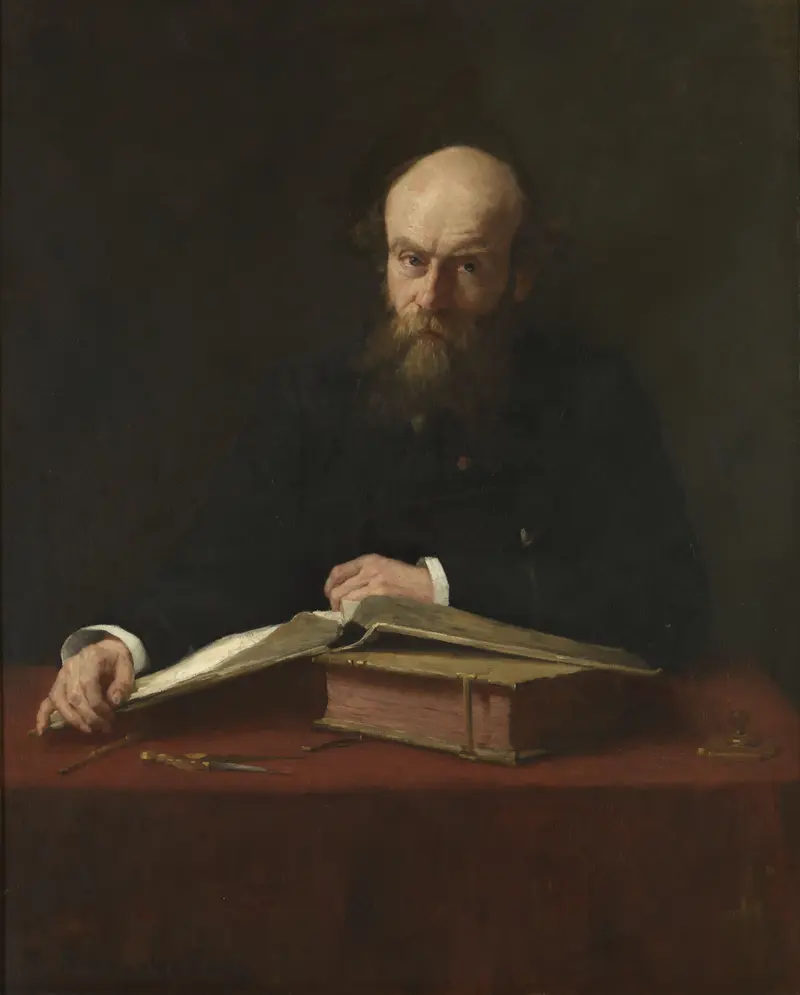
Portrait of Dr. P.J.H. Cuypers (1827-1921)
Thérèse Schwartze
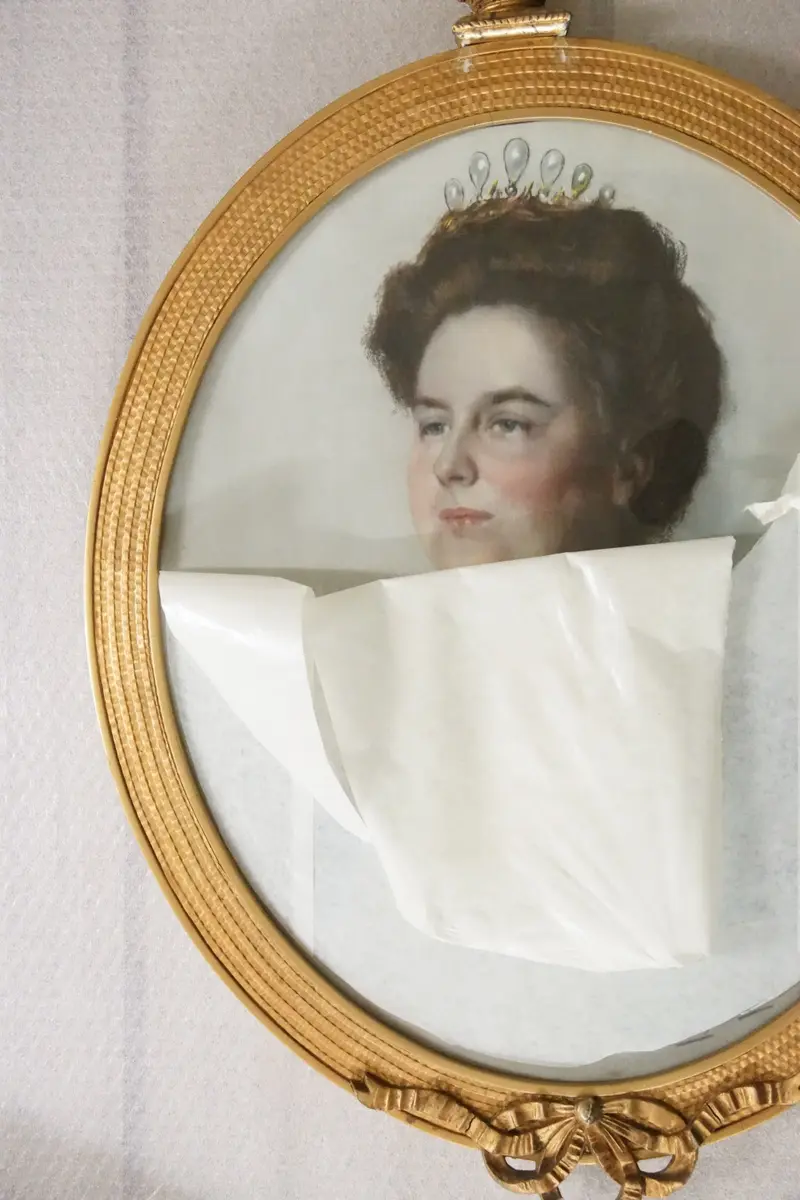
Portret Wilhelmina 020904 Stedelijk Museum Alkmaar
Thérèse Schwartze
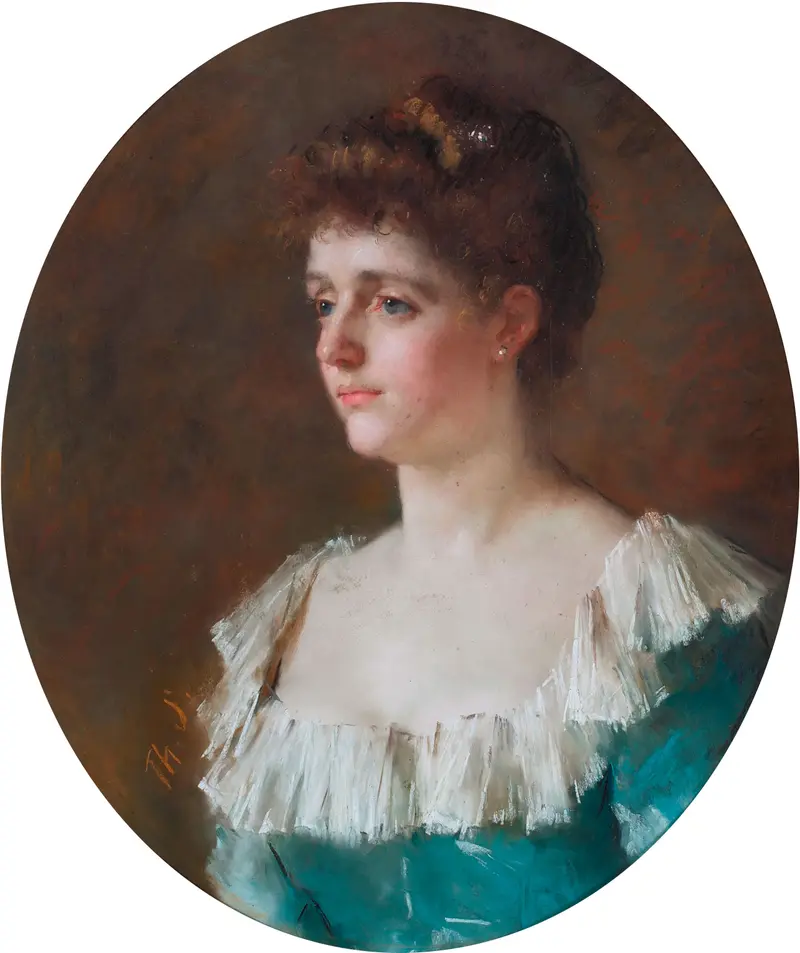
Portrait of Maria Cornelia Schimmelpenninck van der Oye (1857-1891)
Thérèse Schwartze
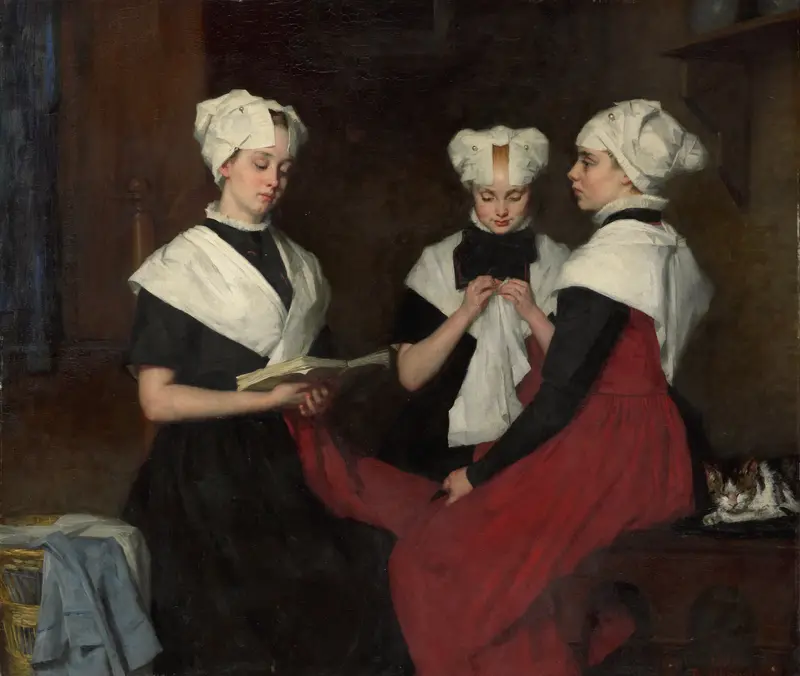
Three girls from the Amsterdam Orphanage
Thérèse Schwartze
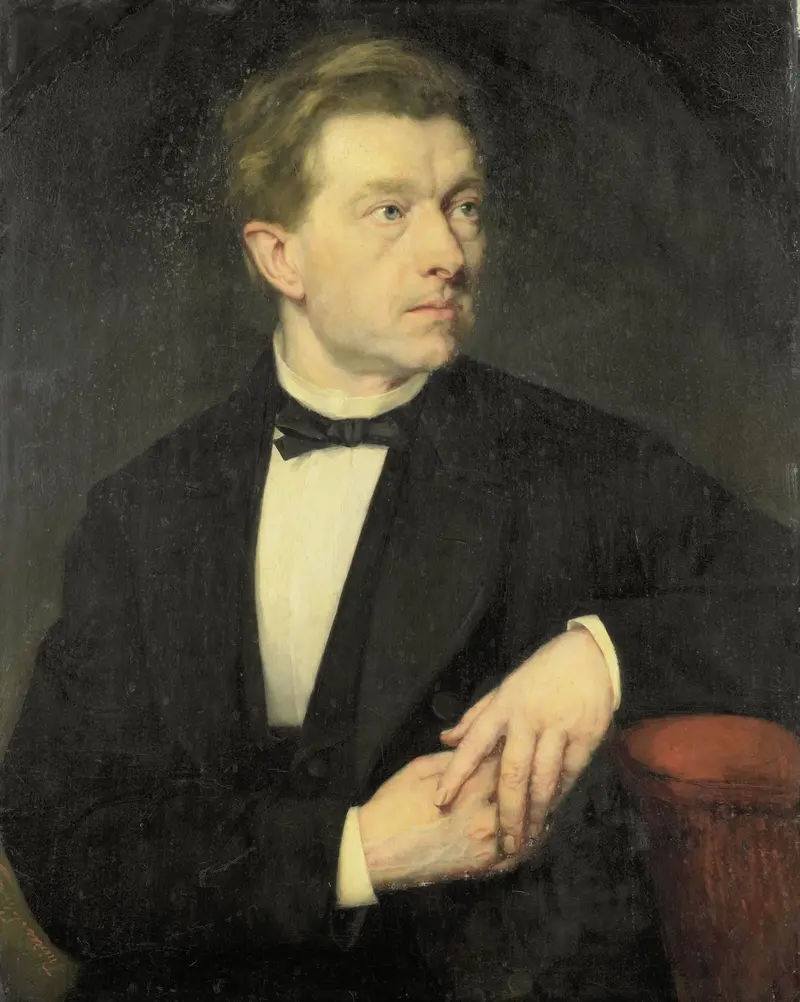
Portrait of Dr. J. L. Dusseau
Thérèse Schwartze
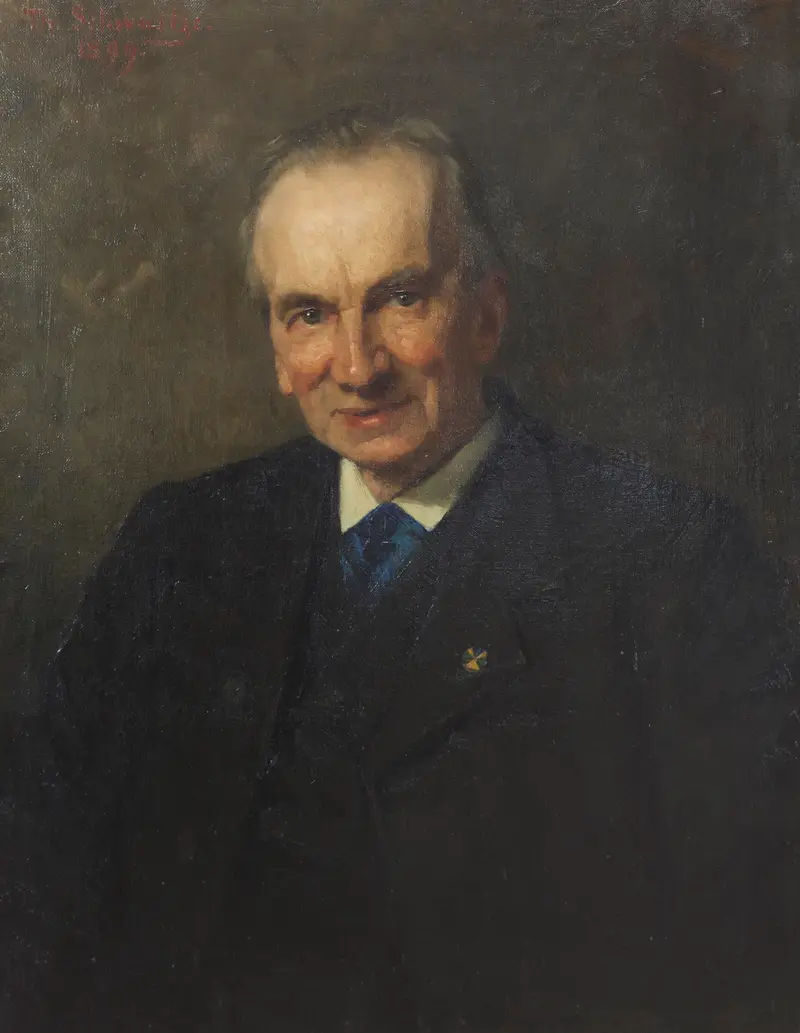
Portrait of Frederik Willem van Eeden
Thérèse Schwartze
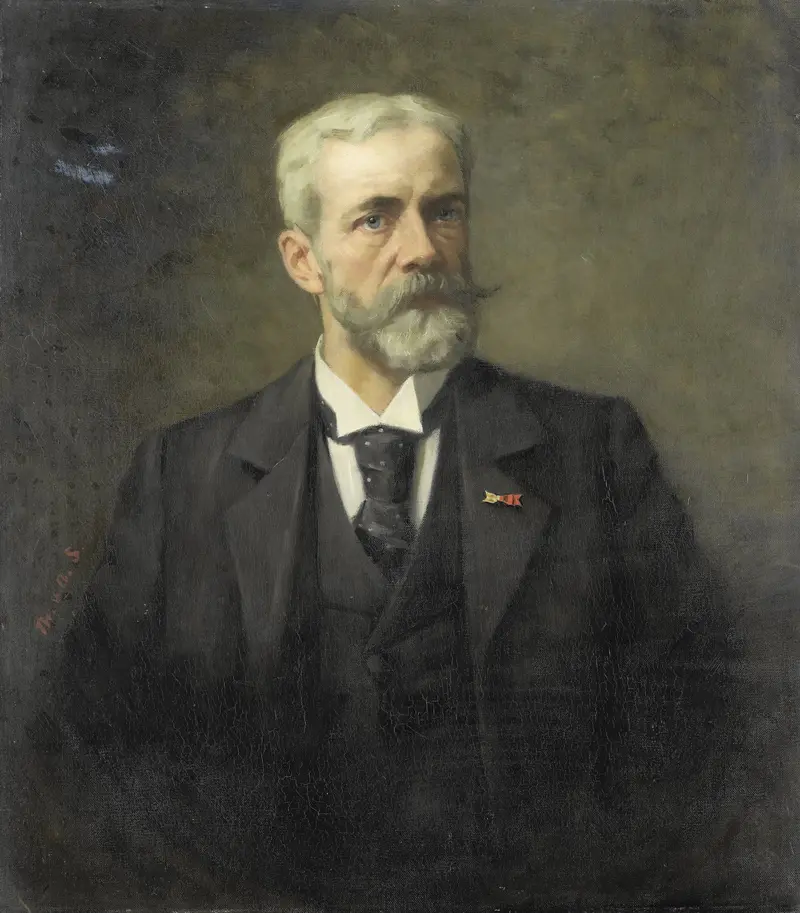
Portrait of Frederik Daniël Otto Obreen (1840-96), director Rijksmuseum
Thérèse Schwartze
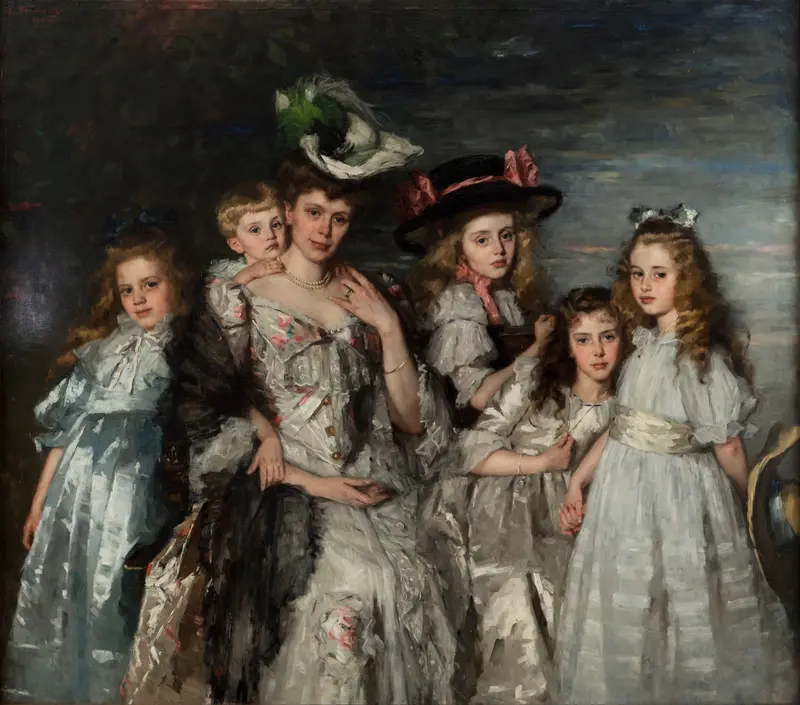
Portrait of Mrs. A.G.M. van Ogtrop-Hanlo (1871-1944) and her five children
Thérèse Schwartze
Portrait of Dr. Salomon Benjamin Druif
Thérèse Schwartze
More Genre Scene Art

Banquet of the Officers of the St George Civic Guard
Frans Hals

Rembrandt and Saskia in the Scene of the Prodigal Son
Rembrandt van Rijn

Bal du moulin de la Galette
Pierre-Auguste Renoir

Quadrille at the Moulin Rouge
Henri de Toulouse-Lautrec

A Burial at Ornans
Gustave Courbet

When Will You Marry?
Paul Gauguin