
Adam et Eve pleurant — History & Facts
The first thing to seize the viewer in Adam et Eve pleurant is the raw, physical weight of grief: bodies caught in the moment after catastrophe, gestures frozen between disbelief and despair. The composition draws the eye to the lifeless figure at the center, the light pooling over his pale form, while the living recoil and reach out, their hands splayed in helpless protest. Eve’s outstretched arms seem to plead with the heavens, her hair cascading like a river of sorrow, while Adam’s bent posture and open hands signal a loss that words cannot reach.
The child to the right buries his face, a gesture of innocence confronted with violence, and the darkness that crowds the scene presses in, making the figures’ anguish almost tangible. Painted before 1649, this work by Alessandro Turchi belongs to a world in which biblical stories were not distant myths but urgent, living dramas, meant to move the viewer’s heart and conscience. In the seventeenth century, scenes like this were commissioned by churches and private collectors alike, serving as reminders of human frailty and the costs of sin. Turchi, working in the late Baroque tradition, brings the emotional intensity favored in his era, with strong contrasts of light and shadow and a focus on the expressive potential of the human body.
History has kept few traces of this specific painting’s journey, but its survival in a modern collection—documented in 2018—invites us to linger over the pain and humanity that still pulse within its darkened frame.
More Artworks by Alessandro Turchi

The Flood
Alessandro Turchi
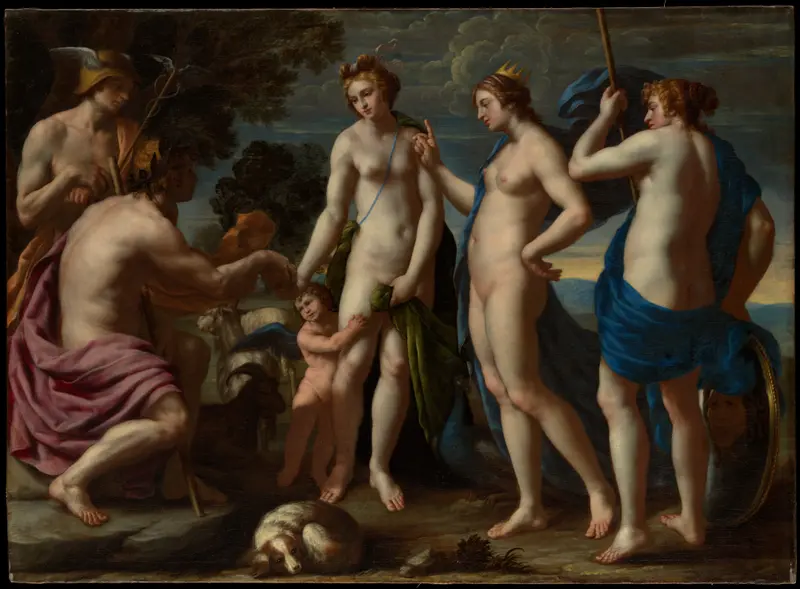
Judgment of Paris
Alessandro Turchi
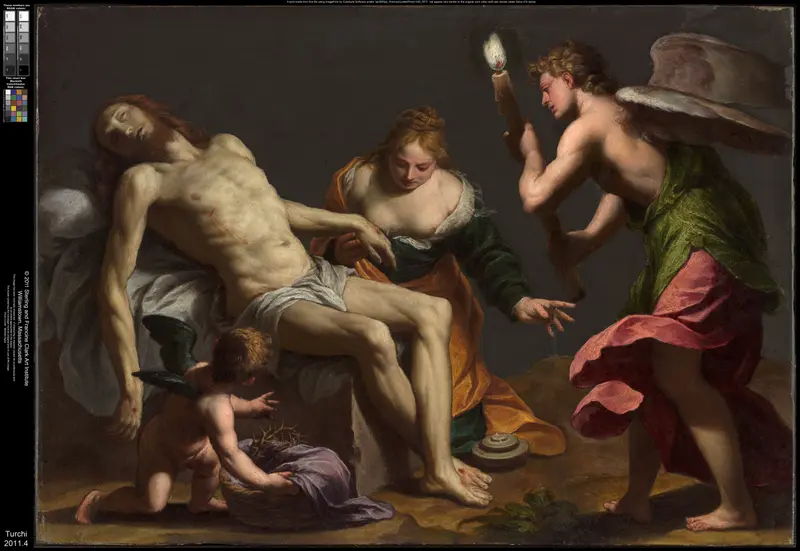
Lamentation over the Body of Christ
Alessandro Turchi
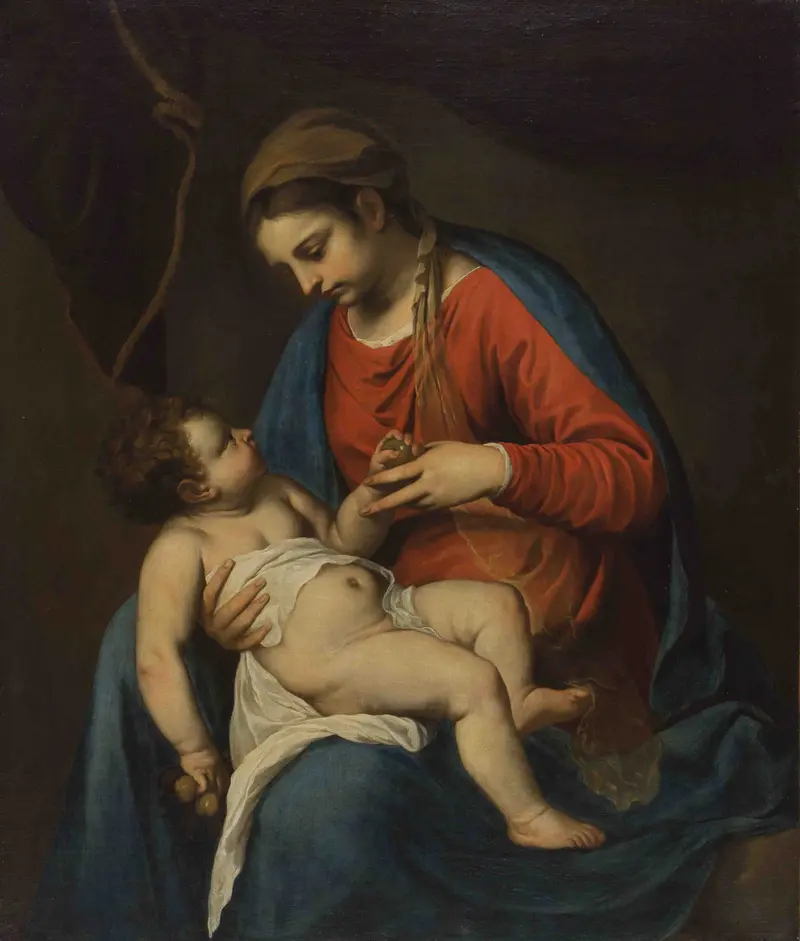
Maria with Child
Alessandro Turchi

Saint Peter visits Saint Agatha in her Prison
Alessandro Turchi
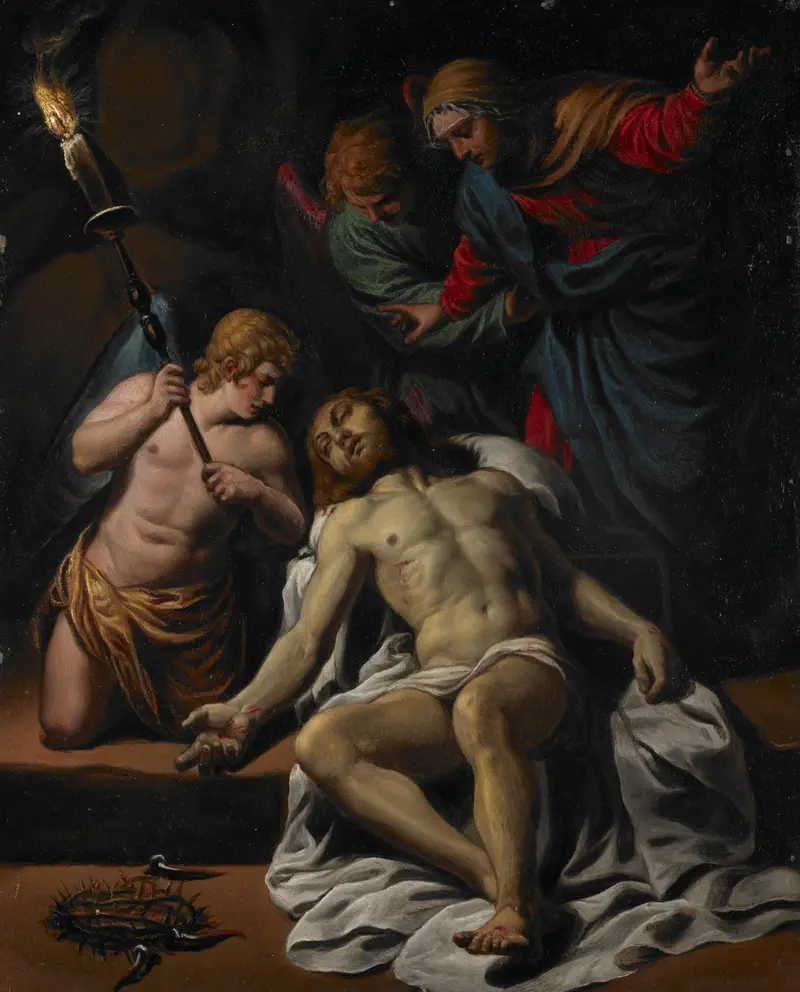
The Lamentation
Alessandro Turchi
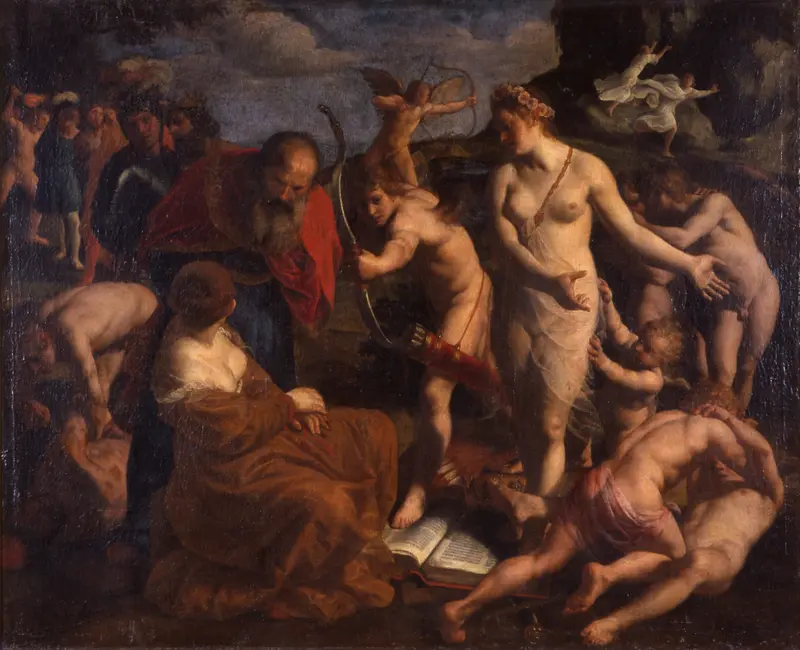
Allegory on the Power of Love ('Omnia Vincit Amor')
Alessandro Turchi
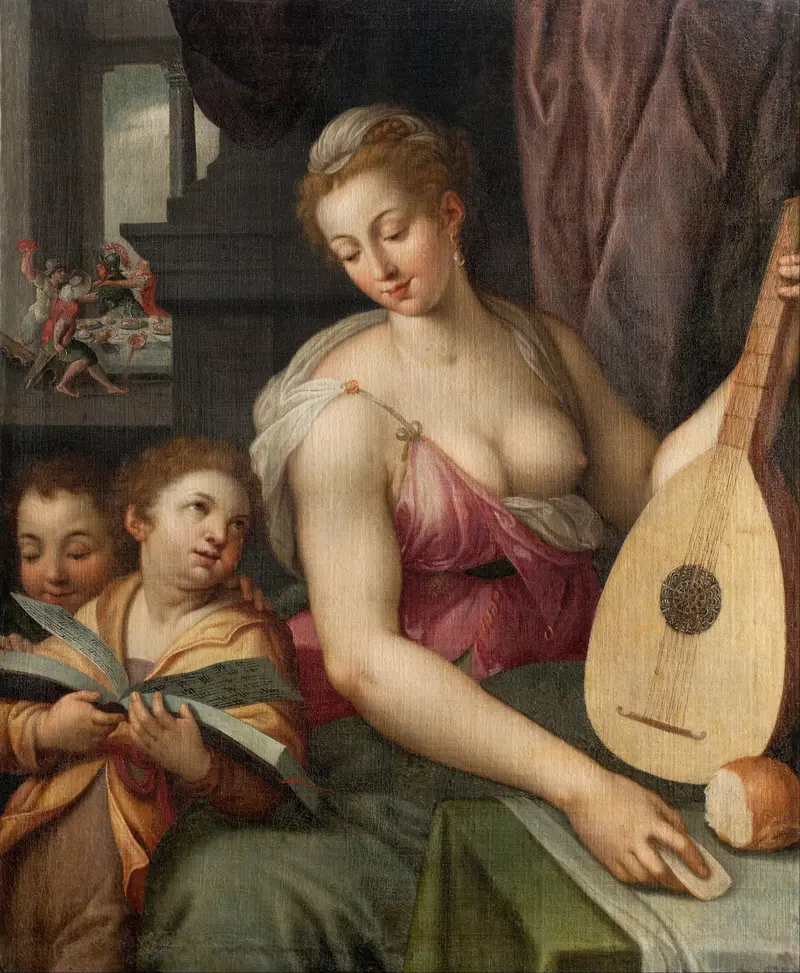
Allegory of Music
Alessandro Turchi
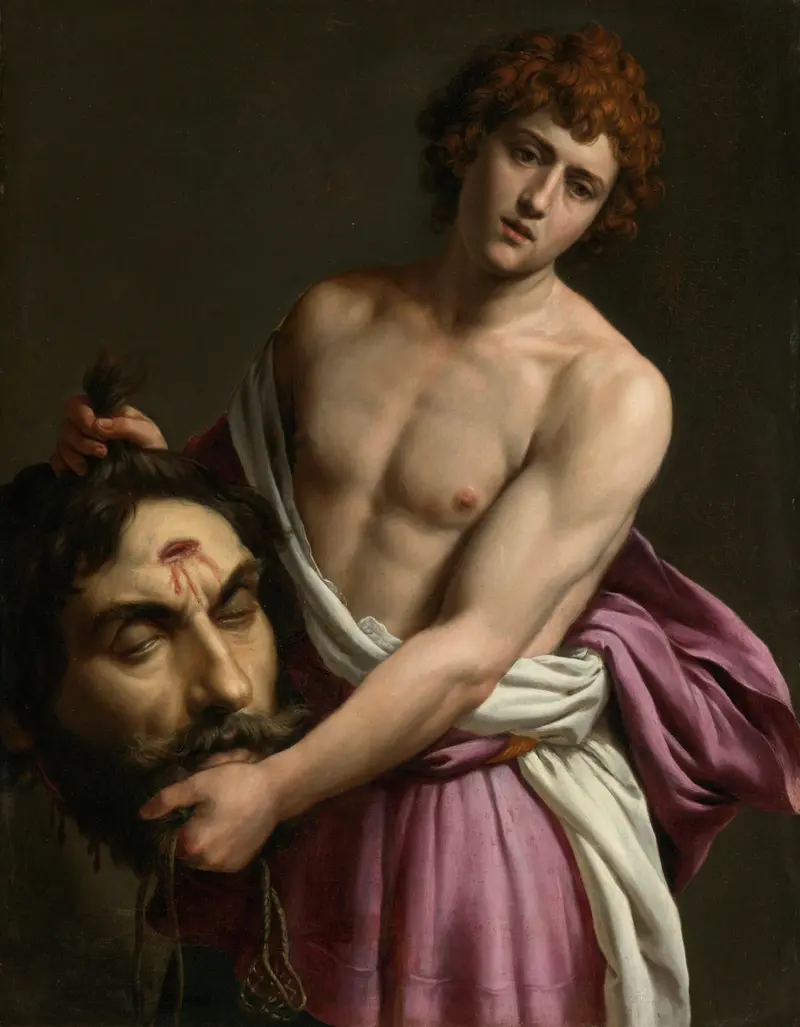
David with the Head of Goliath
Alessandro Turchi
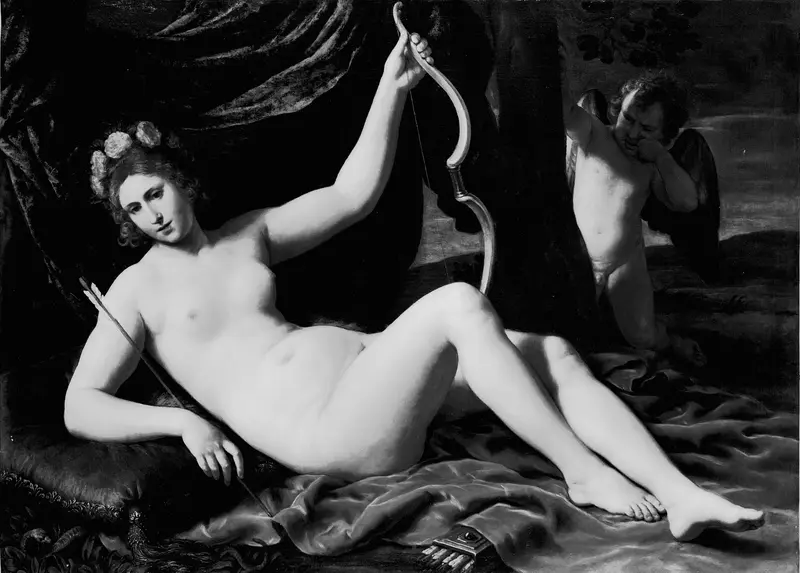
Venus and Cupid
Alessandro Turchi





