
Adoration of the Magi — History & Facts
Few themes in Renaissance art drew as much fascination as the journey of the Magi, and Filippino Lippi’s Adoration of the Magi stands as a testament to both the popularity and the creative freedom artists found within this biblical episode. Unlike his teacher Botticelli, whose own Adoration was commissioned by the Medici, Lippi’s version emerges from a tradition where artists often inserted contemporary faces and fashions into the sacred scene, blurring the line between the holy and the everyday. The exact origins of this painting remain uncertain—its patron and date lost to time—but its style and composition place it firmly in the late Quattrocento, when Florence’s appetite for religious pageantry was at its peak. At the heart of the scene, the three Magi kneel before the infant Christ, each offering their gift with a gesture that blends reverence and awe.
Lippi captures the moment of adoration just as the eldest king, traditionally Melchior, bows deeply, his golden vessel cradled in wrinkled hands. Behind him, richly dressed attendants and curious onlookers press forward, their faces animated with wonder. Lippi’s skill shines in the interplay of glances and gestures: Joseph’s protective hand on Mary’s shoulder, the youngest Magus’ hesitant approach, and the subtle play of light that picks out the gleam of gold and the shimmer of silks.
Compared to Botticelli’s more orderly procession, Lippi’s composition feels crowded and immediate, drawing the viewer into the swirl of devotion and spectacle. Though the painting’s early history is unclear, it reflects the broader Florentine tradition of private devotional works—objects meant for contemplation in chapels or homes rather than grand public altars. Over the centuries, Adoration of the Magi has traveled through various collections, sometimes attributed to Lippi’s workshop or even misidentified as the work of his contemporaries, a testament to the collaborative and fluid nature of Renaissance studios. Today, it remains a vivid example of Lippi’s mature style, bridging the lyrical grace of his youth with the more complex, emotionally charged compositions of his later years.
Its survival and continued admiration speak to the enduring power of the Magi’s journey, both as a story and as a subject for artistic invention.
More Artworks by Filippino Lippi

Portrait of a Youth
Filippino Lippi
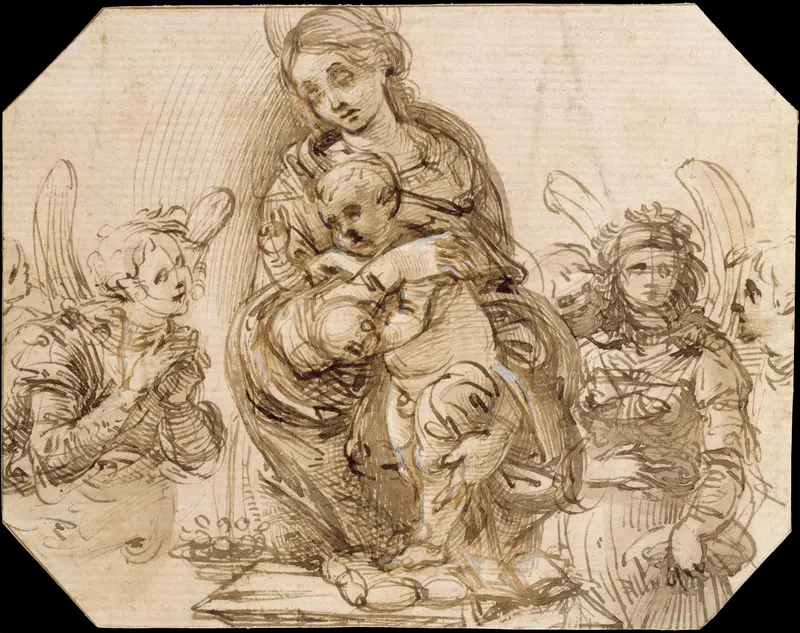
Virgin and Child Attended by Angels
Filippino Lippi

Christ on the Cross
Filippino Lippi
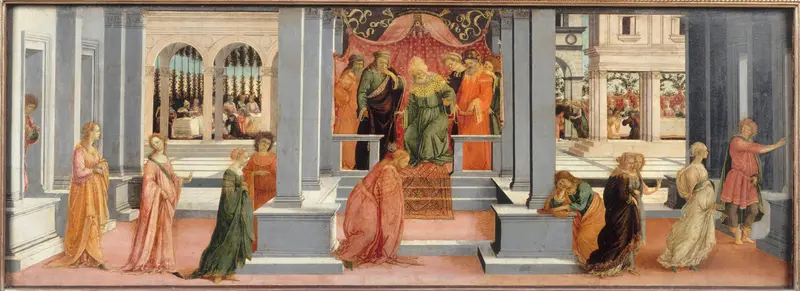
Esther choisie par Assuérus
Filippino Lippi
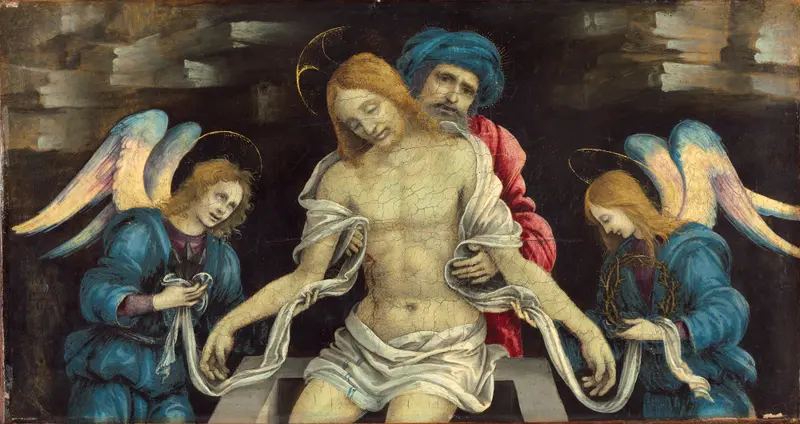
Pietà (The Dead Christ Mourned by Nicodemus and Two Angels)
Filippino Lippi
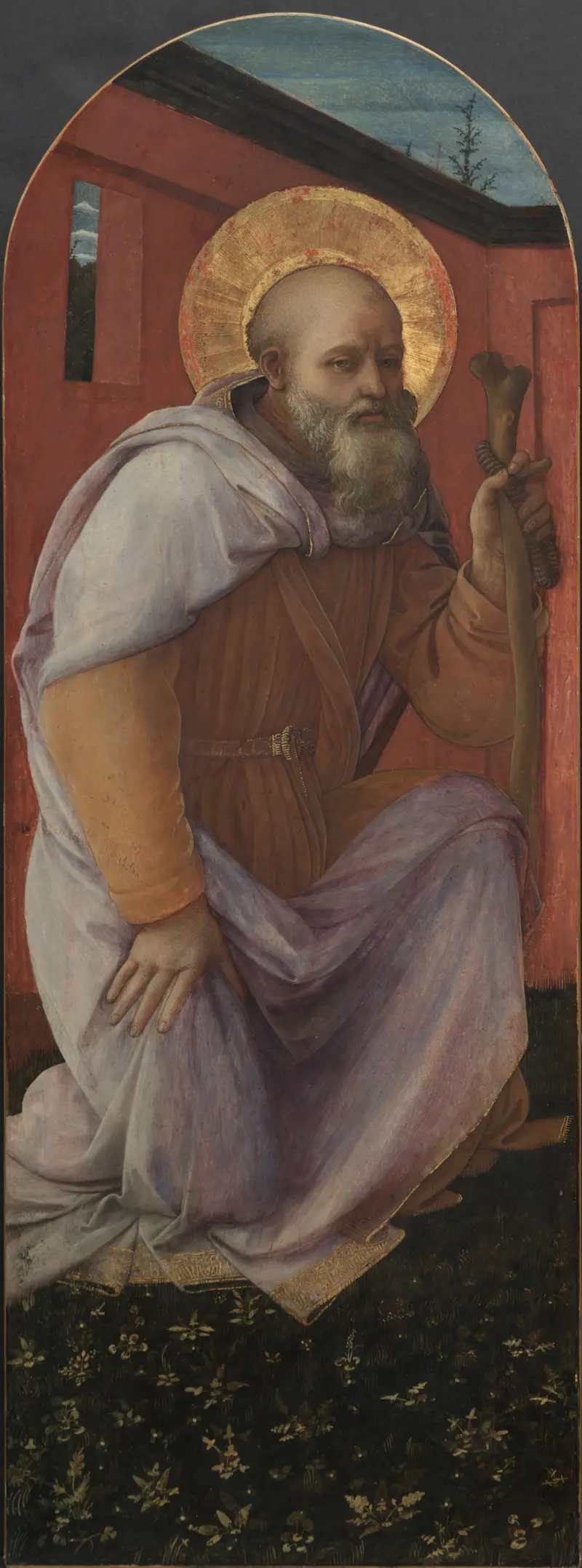
St. Anthony Abbot
Filippino Lippi
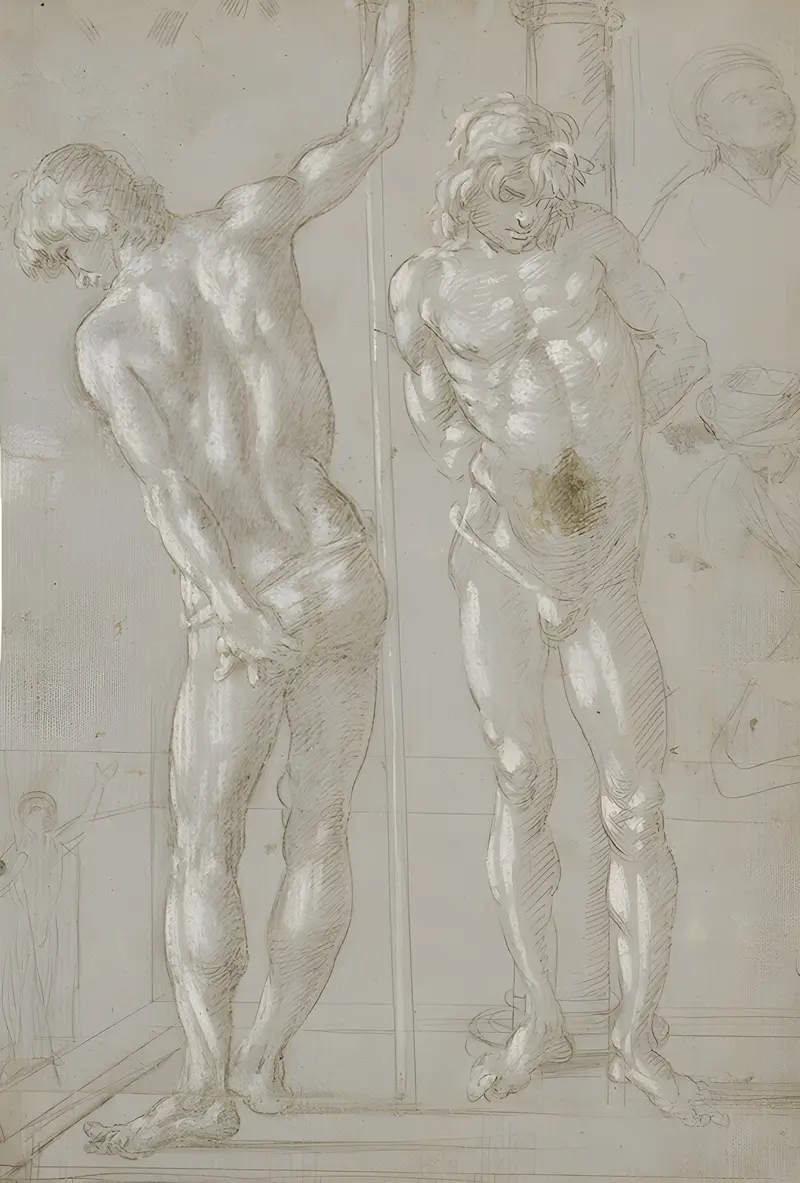
Studies of Christ at the Column, a Nude from Behind, and Various Figures
Filippino Lippi
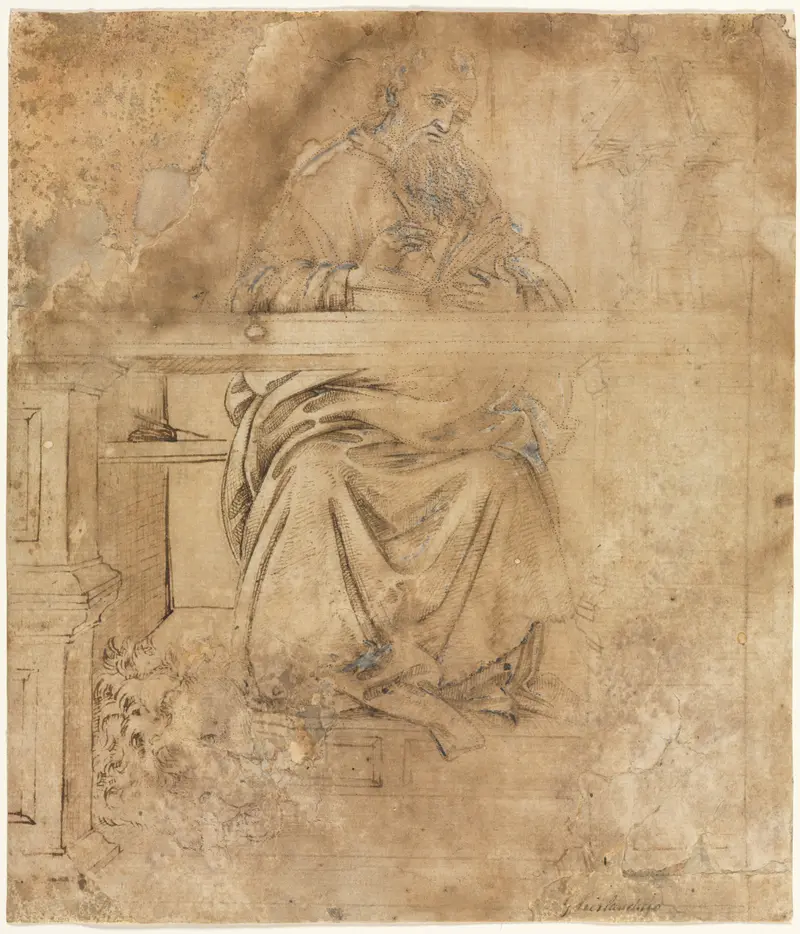
St. Jerome in His Study
Filippino Lippi
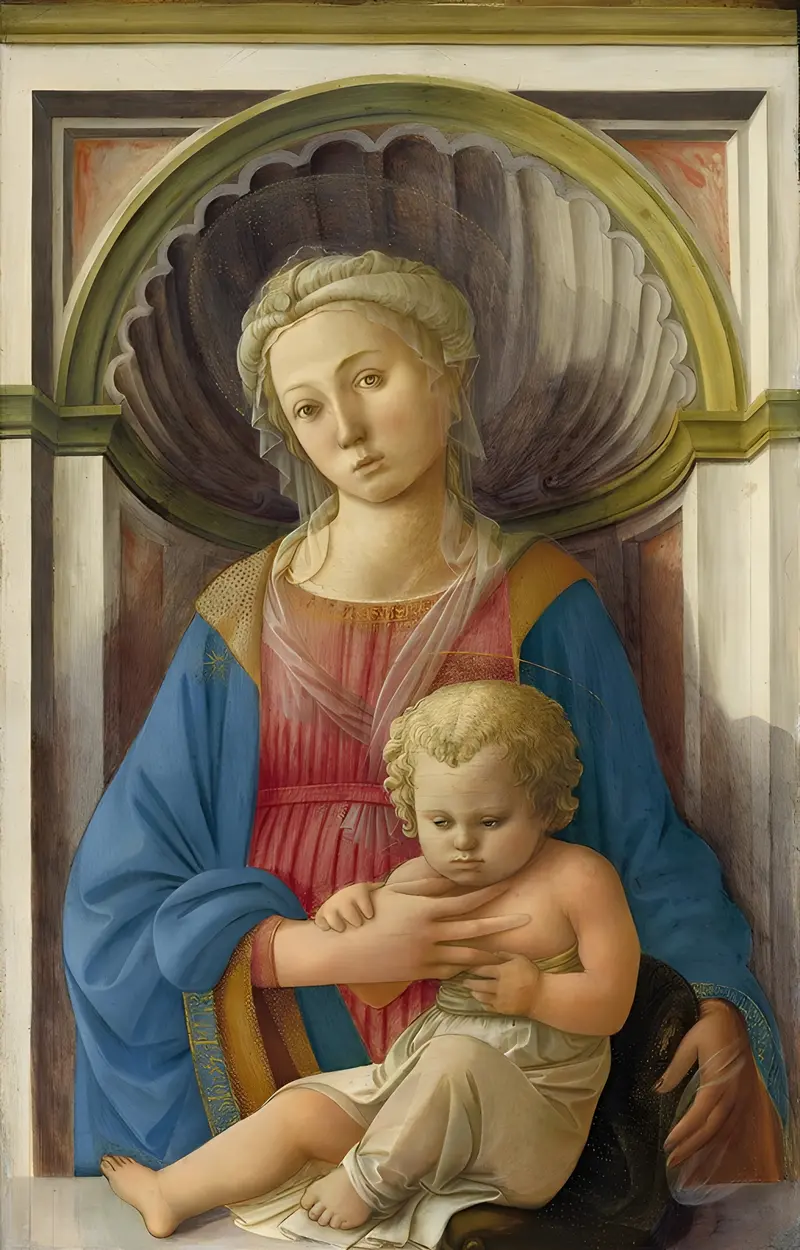
Madonna and Child
Filippino Lippi
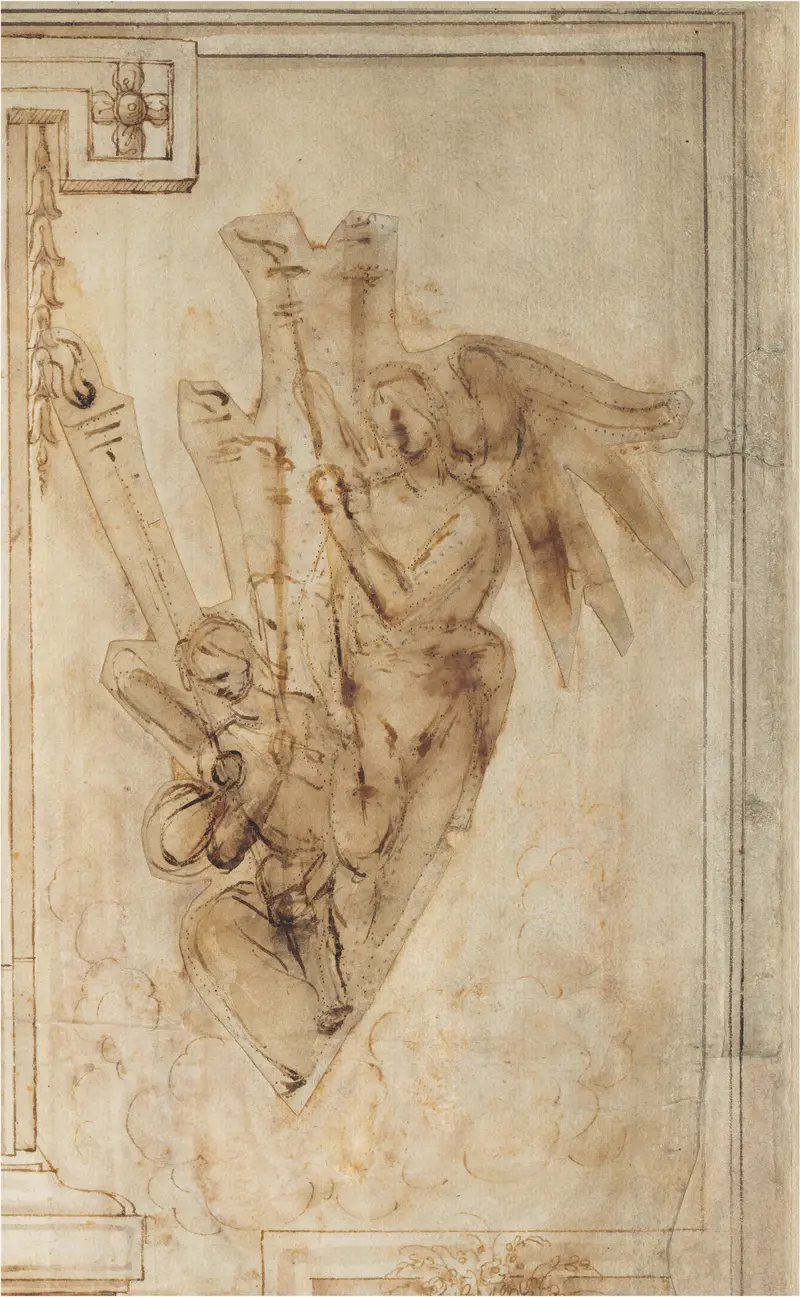
Two Angels Carrying Torches
Filippino Lippi





