
St. Anthony Abbot — History & Facts
Few artists of the Florentine Renaissance have been so intimately linked with the legacy of their fathers as Filippino Lippi, who, in his painting St. Anthony Abbot, offers a meditation on the endurance of faith amid temptation. The painting’s origins are shrouded in some mystery: neither the exact date nor the original patron is known, and yet its authorship has never been seriously doubted.
What is certain is that Filippino Lippi—son of Fra Filippo Lippi and pupil of Sandro Botticelli—was celebrated in his own time for his ability to merge the spiritual with the psychological, a quality that finds a quiet intensity here. At the center, St. Anthony Abbot sits in contemplation, his gaze lowered, hands clasped over the tau-shaped staff that marks him as the founder of Christian monasticism. Lippi chooses the moment of solitude, after the saint’s legendary torments by demons in the Egyptian desert.
The saint’s coarse robe, the rocky wilderness, and the small pig at his feet (symbolizing both temptation and healing) all point to his ascetic life. The subdued palette and gentle modeling of the face contrast with the more dramatic, demon-filled interpretations by artists like Hieronymus Bosch, who delighted in the chaos of the saint’s trials; Lippi, instead, focuses on the quiet, interior victory of faith. The painting’s early history remains obscure, but its style and devotional subject suggest it was likely intended for private worship, perhaps commissioned by a Florentine confraternity or a wealthy patron seeking the saint’s protection. Over the centuries, St.
Anthony Abbot has been admired for its psychological depth and refined execution, qualities that mark it as a work from the mature phase of Filippino Lippi’s career. Today, it stands as a testament to the artist’s ability to bridge the worlds of his celebrated father and his own inventive vision, and it continues to invite viewers into the silent, enduring struggle of the spiritual life.
More Artworks by Filippino Lippi

Portrait of a Youth
Filippino Lippi
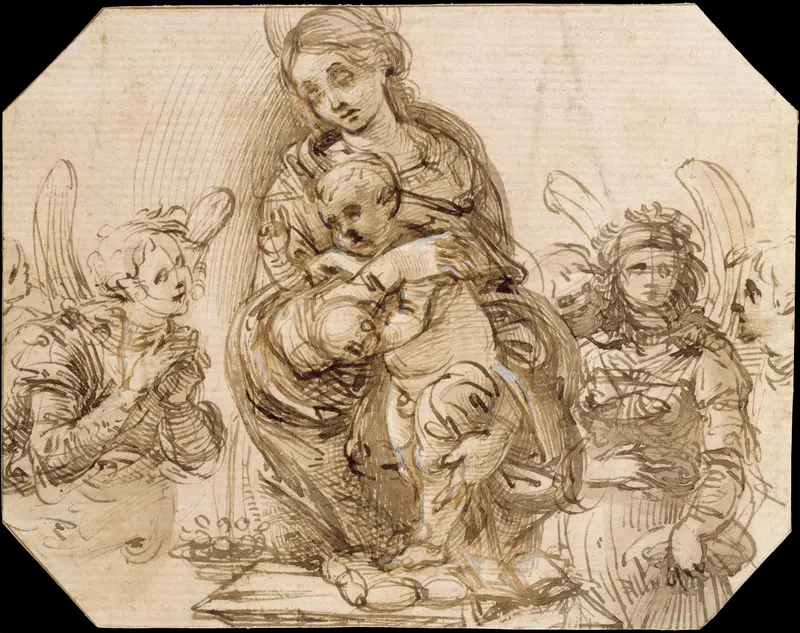
Virgin and Child Attended by Angels
Filippino Lippi

Christ on the Cross
Filippino Lippi
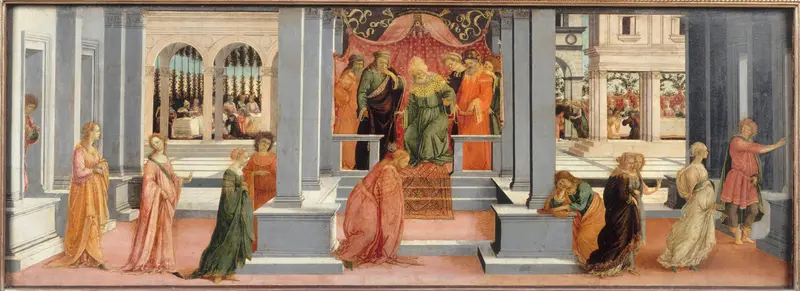
Esther choisie par Assuérus
Filippino Lippi
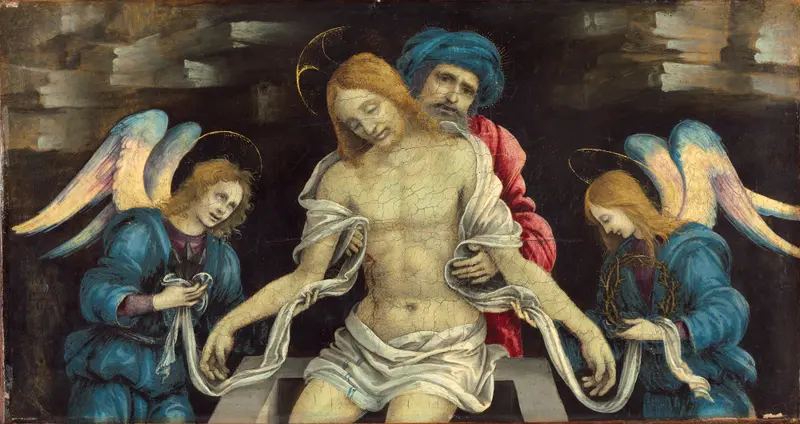
Pietà (The Dead Christ Mourned by Nicodemus and Two Angels)
Filippino Lippi
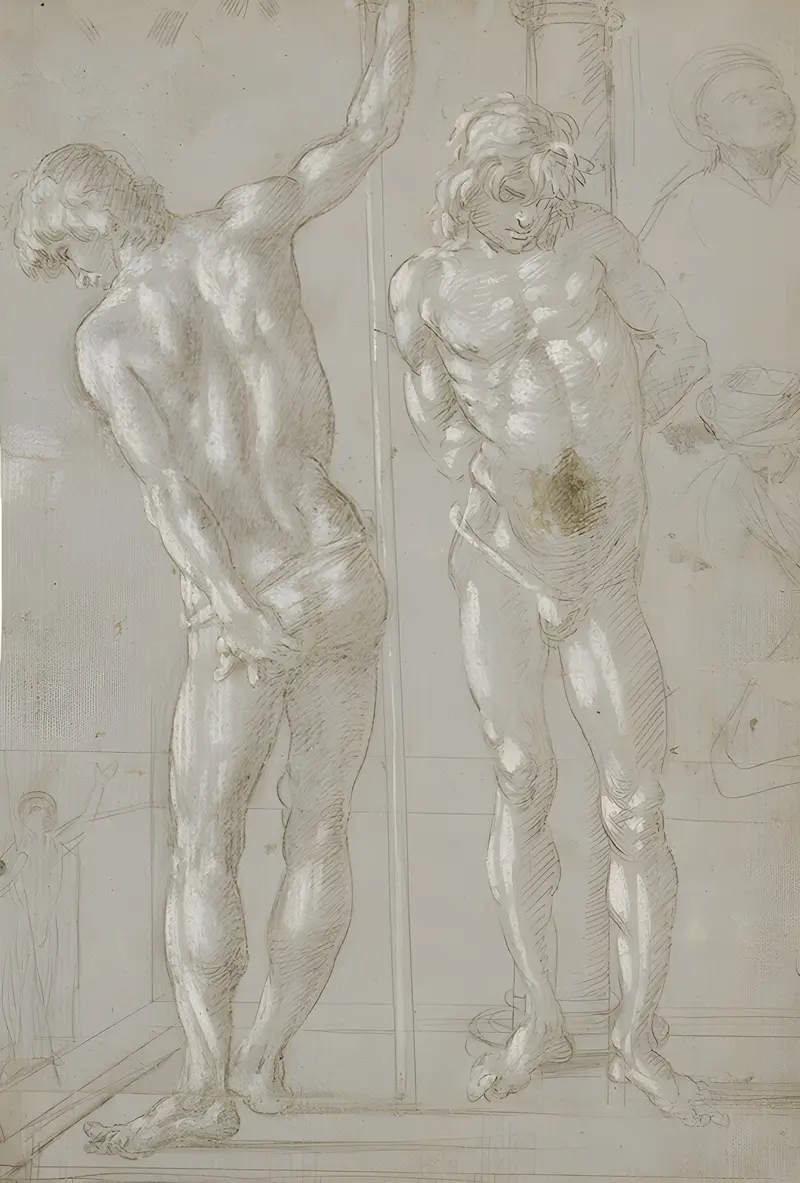
Studies of Christ at the Column, a Nude from Behind, and Various Figures
Filippino Lippi
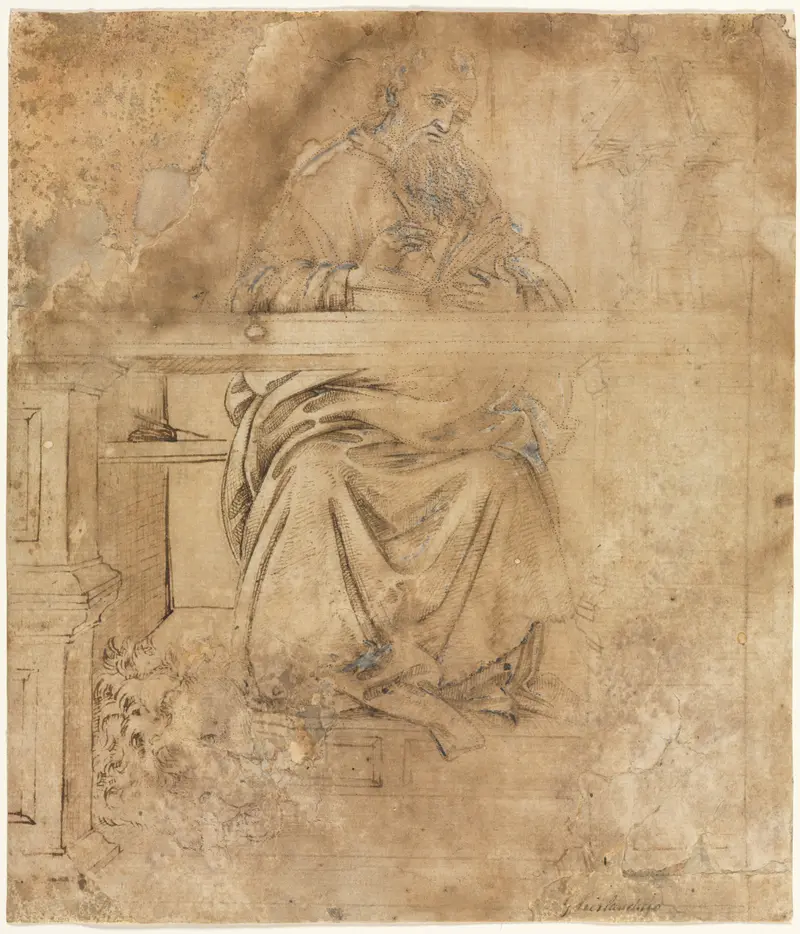
St. Jerome in His Study
Filippino Lippi
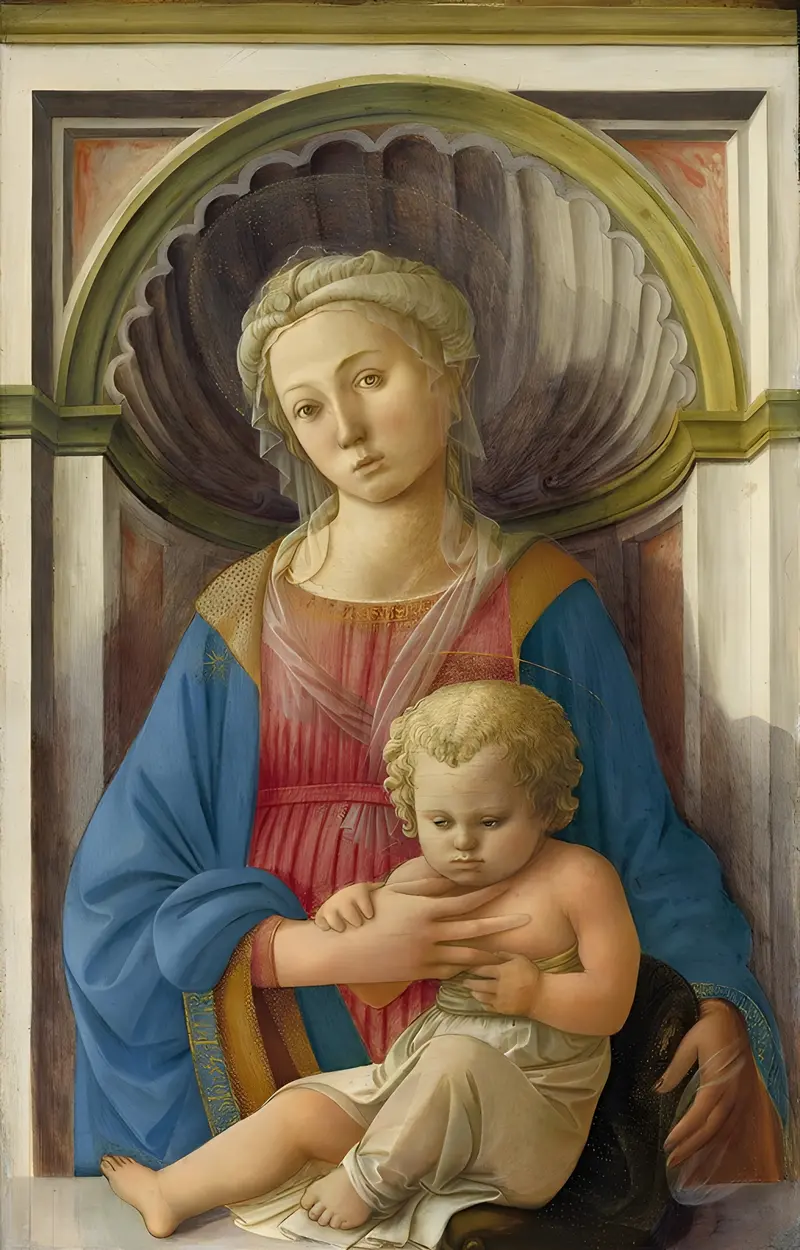
Madonna and Child
Filippino Lippi
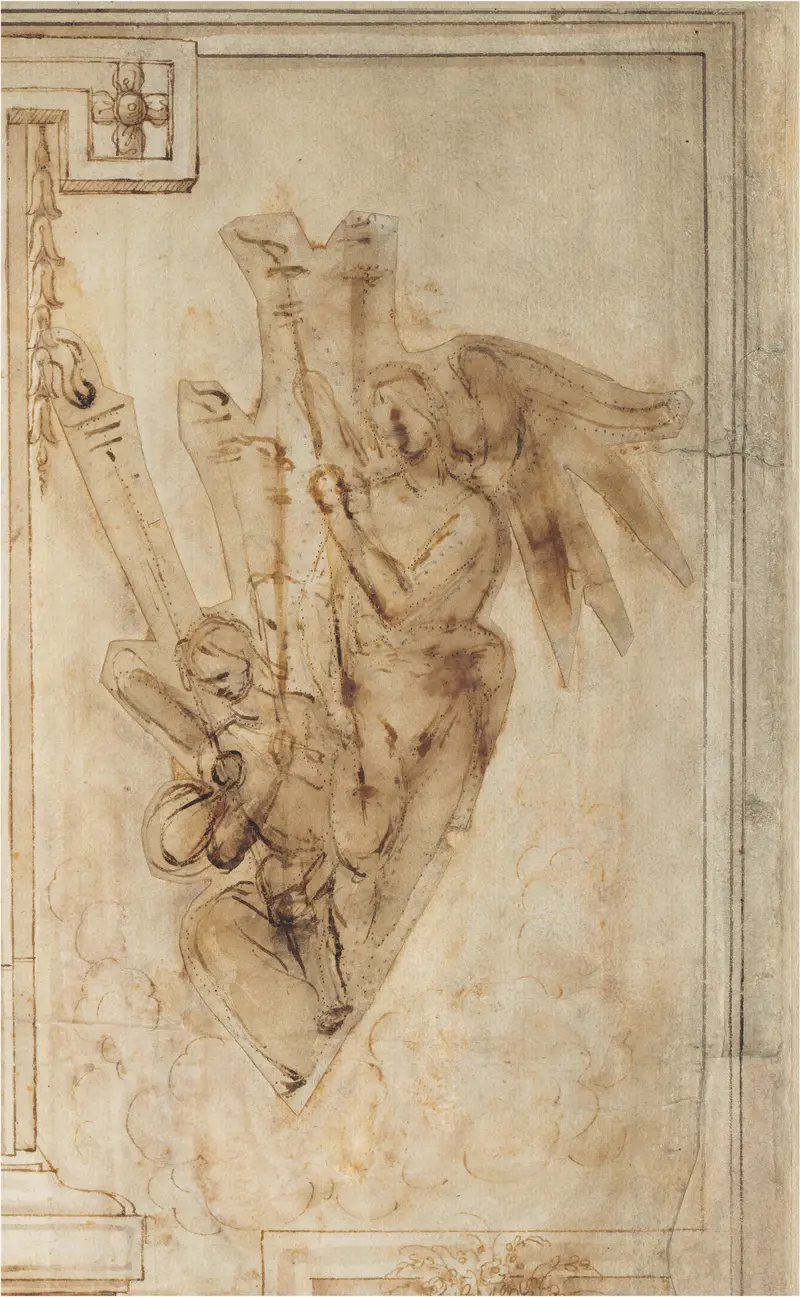
Two Angels Carrying Torches
Filippino Lippi
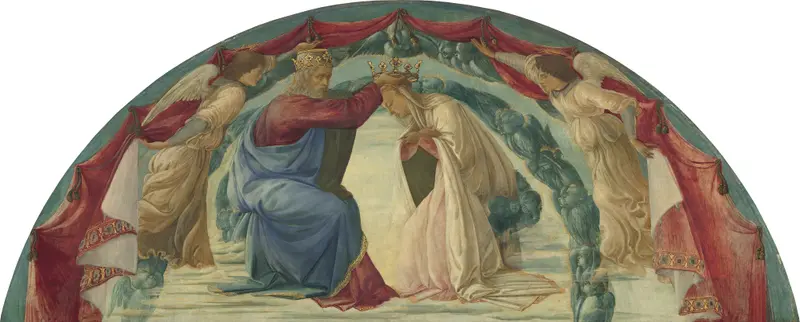
The Coronation of the Virgin
Filippino Lippi





