
Pietà (The Dead Christ Mourned by Nicodemus and Two Angels) — History & Facts
No one knows for certain for whom or for what purpose Pietà (The Dead Christ Mourned by Nicodemus and Two Angels) was made, but its authorship by Filippino Lippi is widely accepted, and the painting stands out for its unusual cast of mourners. Unlike the more familiar groupings of the Virgin Mary and Mary Magdalene, here Christ’s body is attended by Nicodemus and two angels—a rare combination in Renaissance art. This departure from tradition has prompted ongoing scholarly debate about the work’s intended setting, whether for a private chapel or as a devotional image for personal contemplation. At the heart of the scene is the moment after Christ’s descent from the cross, his lifeless form supported by Nicodemus, who gently cradles the body with a mix of reverence and sorrow.
The two angels, their faces youthful and grave, hover close, one holding Christ’s arm, the other his feet, their gestures echoing both tenderness and the ritual of mourning. The cool, subdued palette and the careful modeling of flesh and drapery draw the viewer’s eye to Christ’s wounds, underscoring the physical reality of his sacrifice. Unlike Michelangelo’s Pietà, which focuses on the Virgin’s grief, Filippino Lippi chooses to emphasize the collective sorrow of Christ’s followers, inviting the viewer into a shared act of lamentation. The painting’s early history remains obscure; no contemporary documents record its commission or original location, a common fate for many works by Filippino Lippi, whose career bridged the late Quattrocento and early Cinquecento.
Over time, the work has been attributed with certainty to Filippino due to its characteristic blend of delicacy and expressive emotion, traits that distinguish his mature style. Today, the painting is recognized as a significant example of Florentine devotional art, reflecting both the artist’s personal approach to sacred themes and the broader currents of religious painting in Renaissance Italy. Its survival allows us to glimpse not only a moment of biblical mourning, but also the quiet innovations of an artist often overshadowed by his contemporaries.
More Artworks by Filippino Lippi

Portrait of a Youth
Filippino Lippi
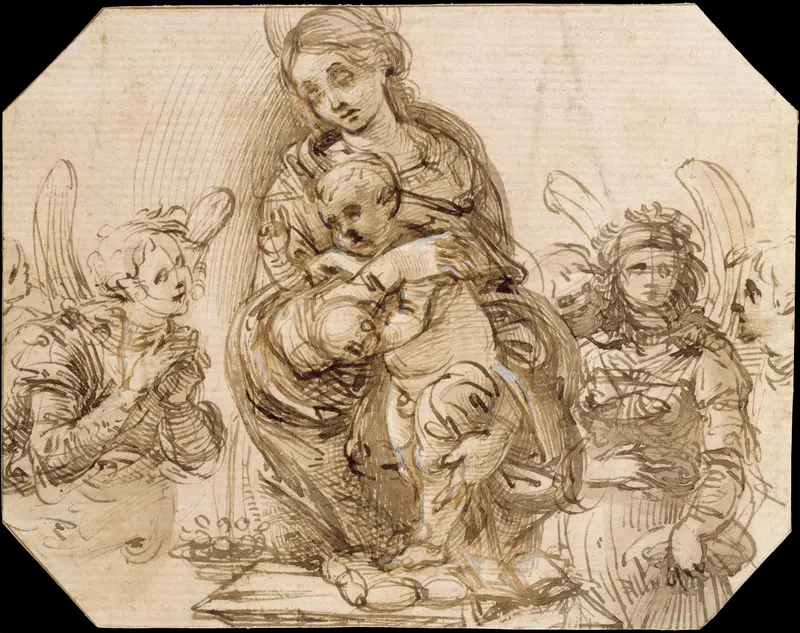
Virgin and Child Attended by Angels
Filippino Lippi

Christ on the Cross
Filippino Lippi
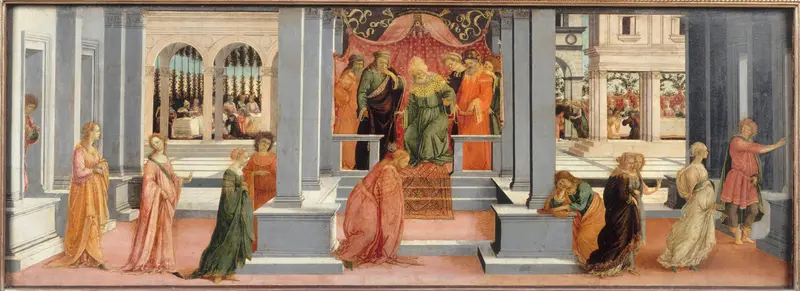
Esther choisie par Assuérus
Filippino Lippi
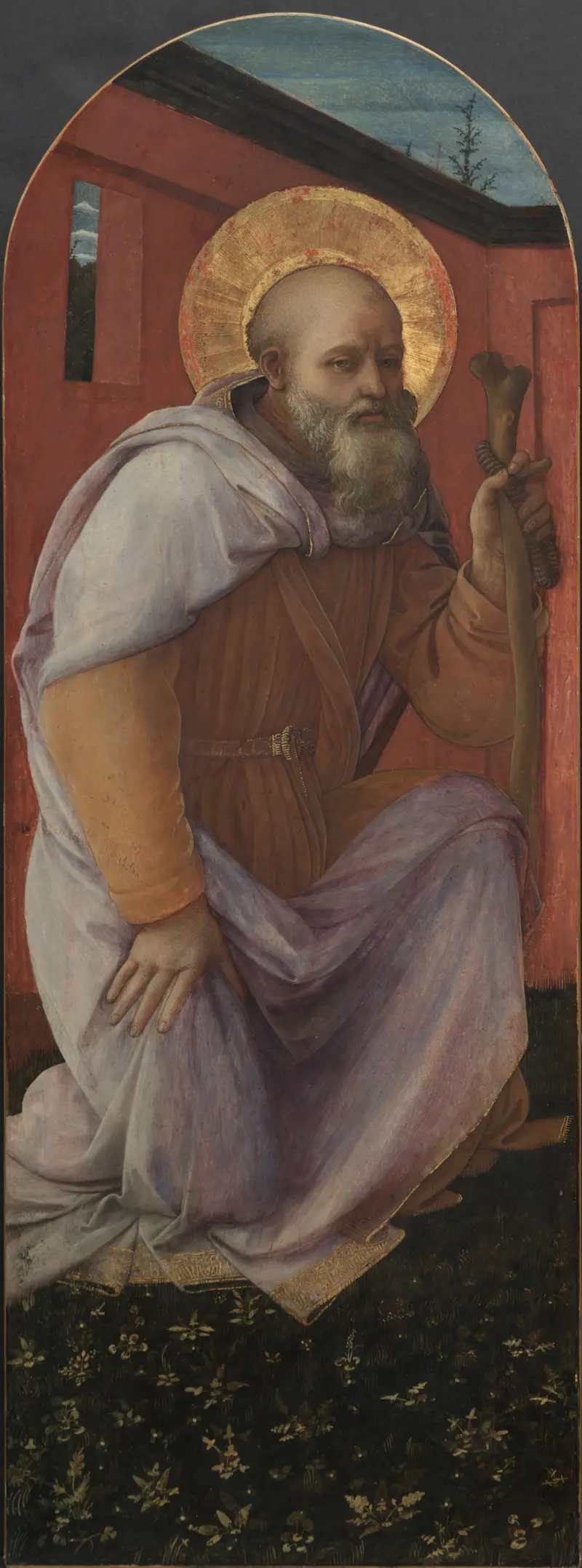
St. Anthony Abbot
Filippino Lippi
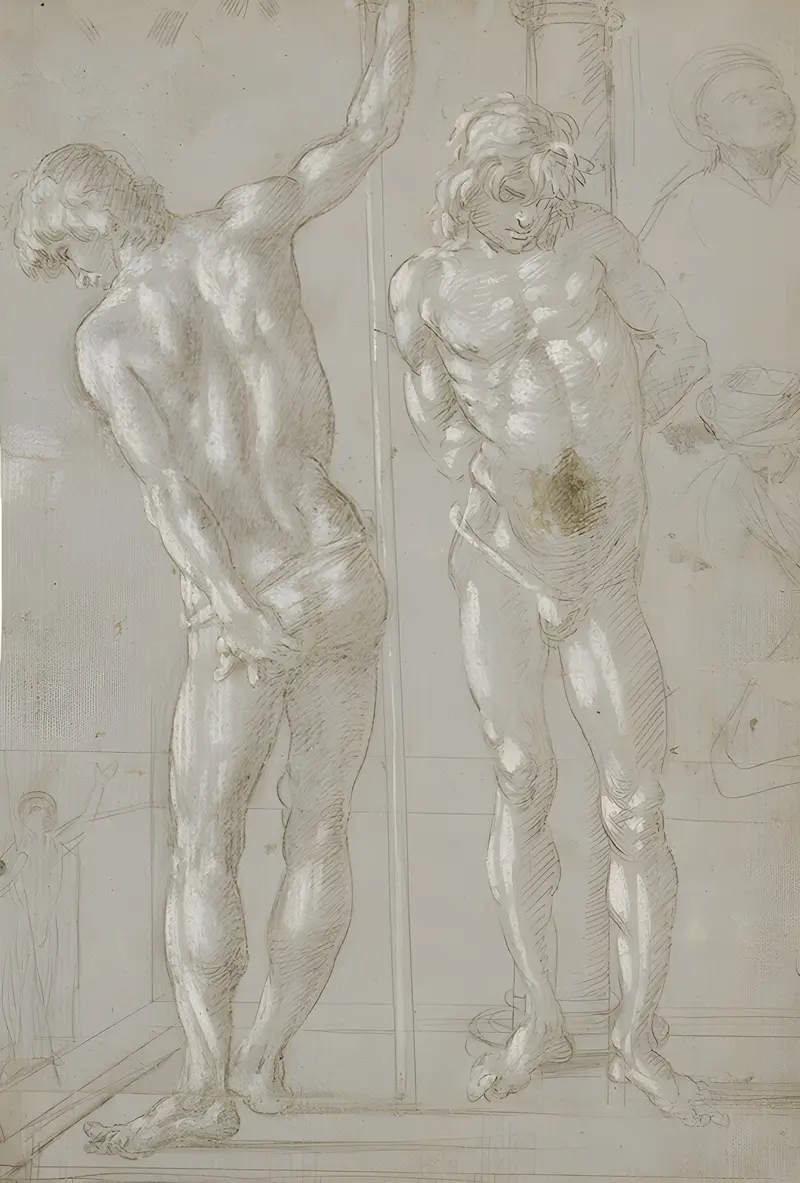
Studies of Christ at the Column, a Nude from Behind, and Various Figures
Filippino Lippi
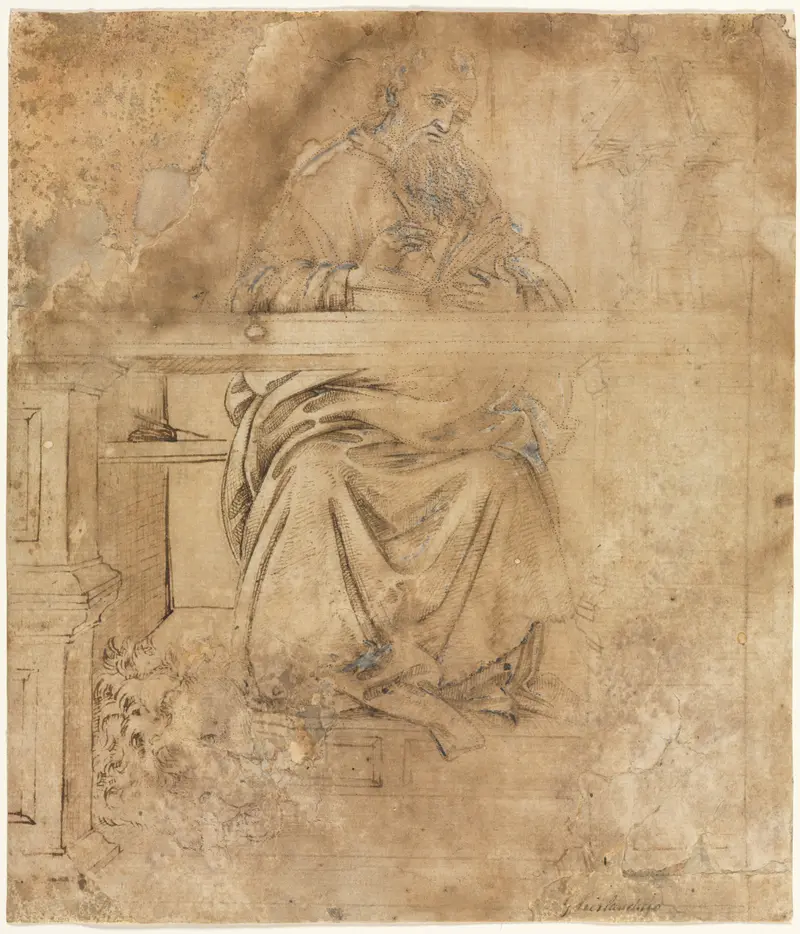
St. Jerome in His Study
Filippino Lippi
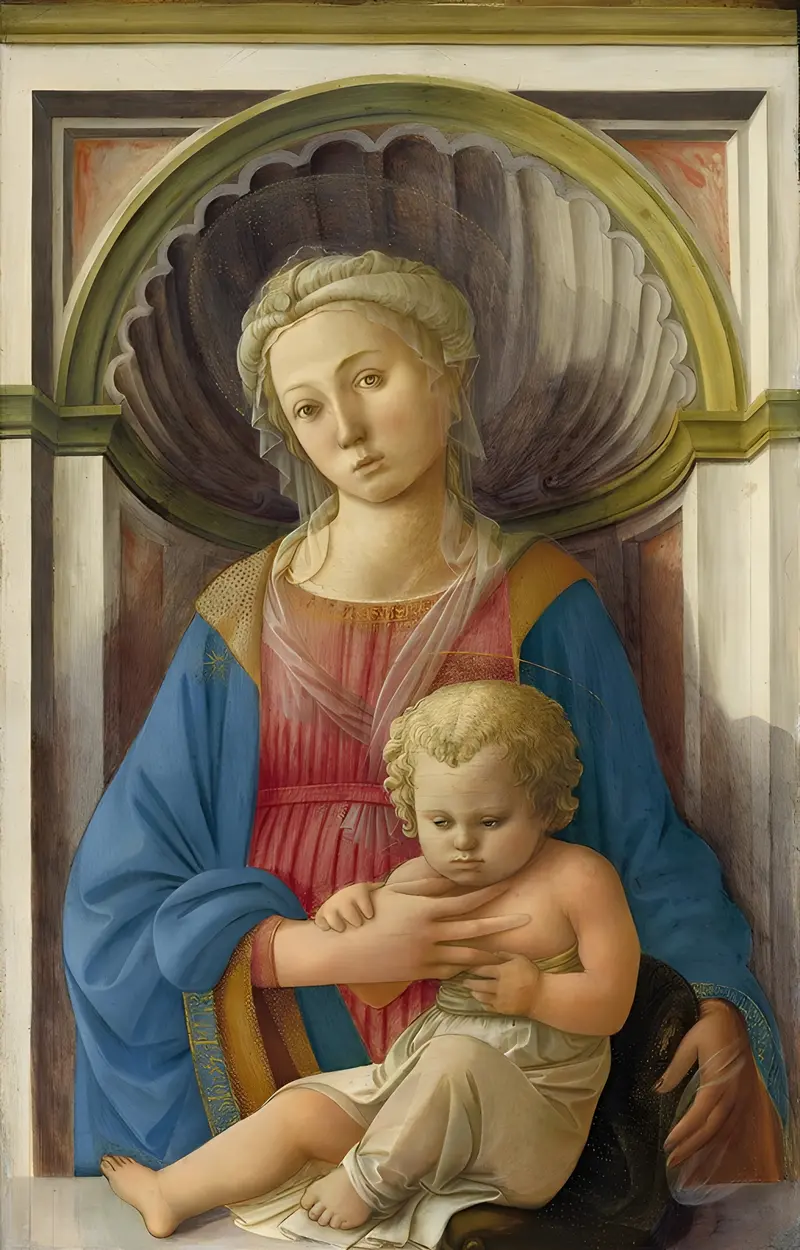
Madonna and Child
Filippino Lippi
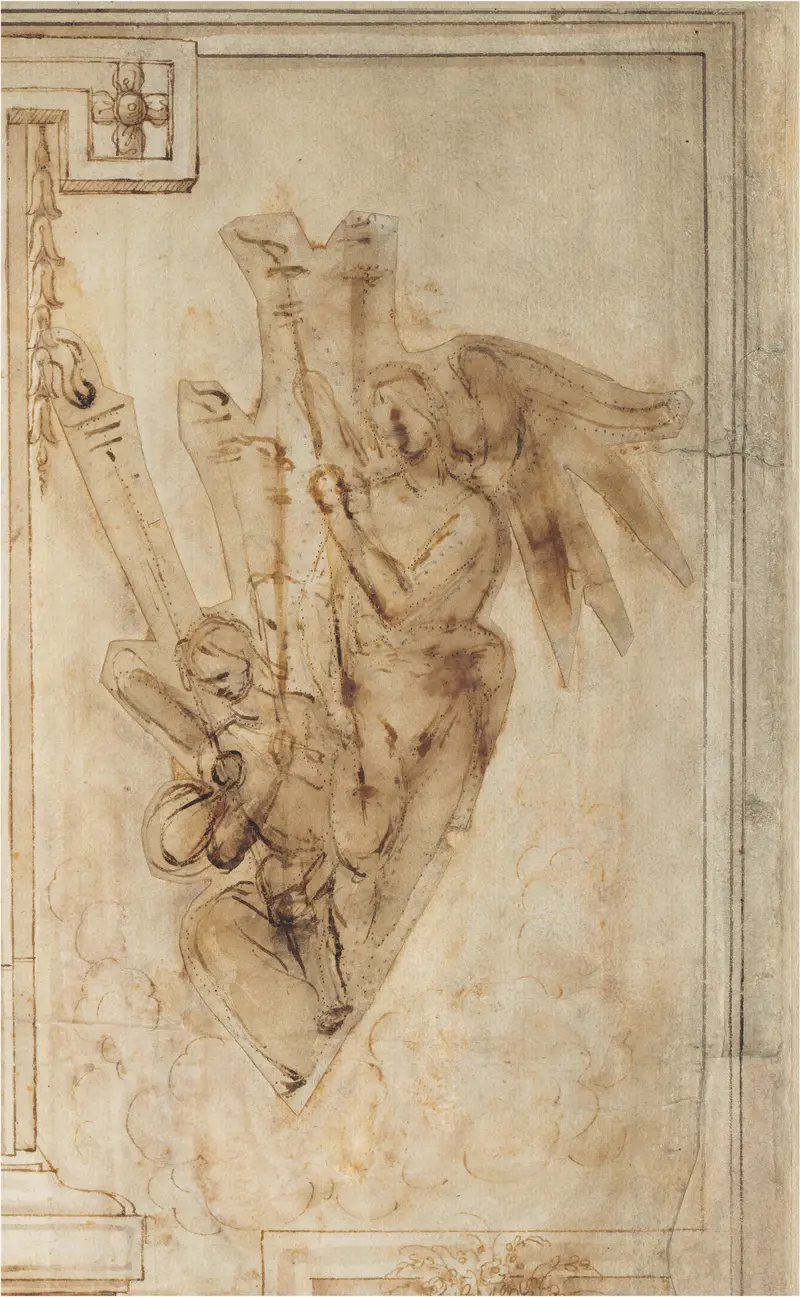
Two Angels Carrying Torches
Filippino Lippi
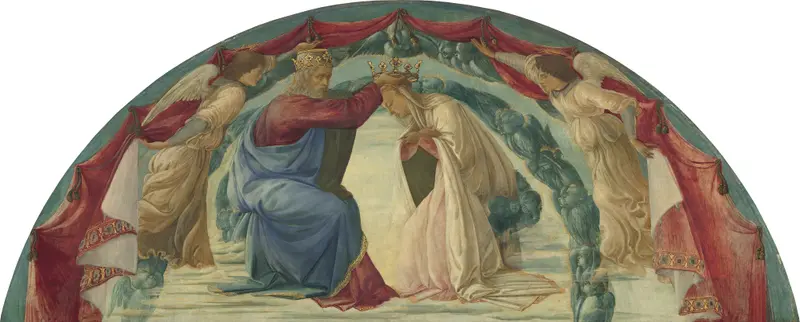
The Coronation of the Virgin
Filippino Lippi





