
Esther choisie par Assuérus — History & Facts
Few biblical heroines have inspired as many Renaissance artists as Esther, the Jewish queen who risked her life to save her people. In Esther choisie par Assuérus, Filippino Lippi captures the pivotal moment when King Ahasuerus, ruler of Persia, selects Esther as his queen—a decision that would soon alter the fate of an entire nation. The story, recounted in the Book of Esther, was especially resonant in Florence, where themes of virtue and civic courage were celebrated in both art and politics. Lippi chooses the instant when Esther, modest yet resolute, stands before the enthroned Ahasuerus.
The king’s gesture—his scepter extended toward Esther—signals her acceptance and foreshadows her future intervention on behalf of her people. Rich fabrics and architectural settings evoke the grandeur of a Persian court, while Esther’s downcast gaze and clasped hands convey humility and inner strength. Unlike the dramatic confrontation favored by Tintoretto in his own Esther scenes, Filippino Lippi focuses on the quiet tension of the selection itself, inviting viewers to contemplate the courage required in moments of destiny. The precise origins of Esther choisie par Assuérus remain uncertain: neither its commission nor its early provenance is securely documented.
However, the painting’s refined style and attention to narrative detail place it among Filippino Lippi’s mature works, likely created in Florence during the late 15th century. Over time, attributions have shifted between Filippino and his father, Fra Filippo Lippi, a testament to their closely linked workshops and overlapping styles. Today, the painting stands as a testament to the enduring appeal of Esther’s story and the subtle psychological insight characteristic of Filippino Lippi’s art.
More Artworks by Filippino Lippi

Portrait of a Youth
Filippino Lippi
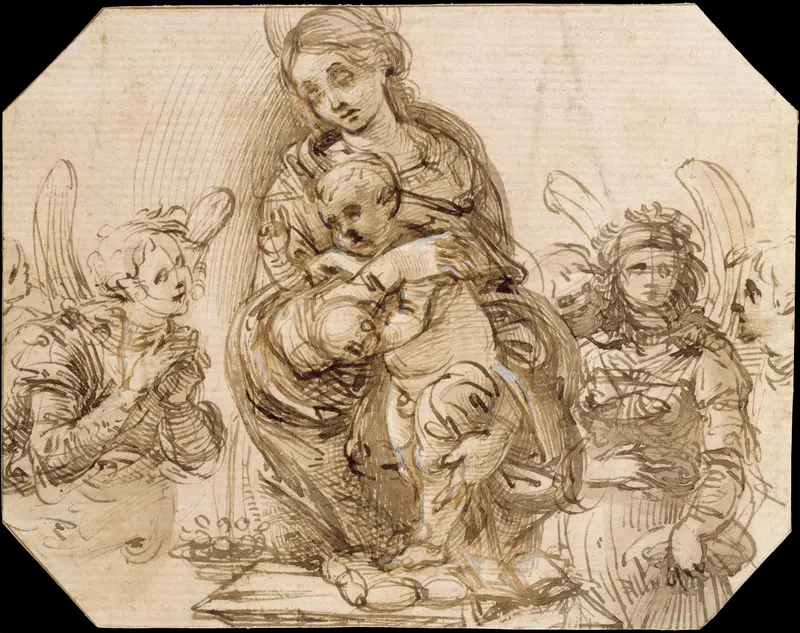
Virgin and Child Attended by Angels
Filippino Lippi

Christ on the Cross
Filippino Lippi
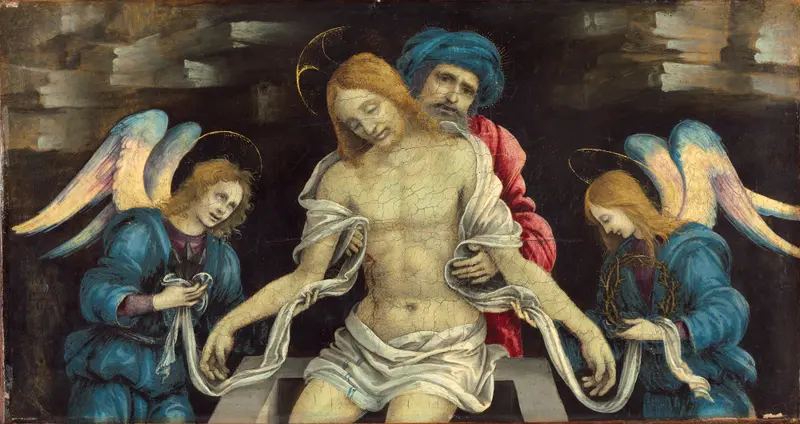
Pietà (The Dead Christ Mourned by Nicodemus and Two Angels)
Filippino Lippi
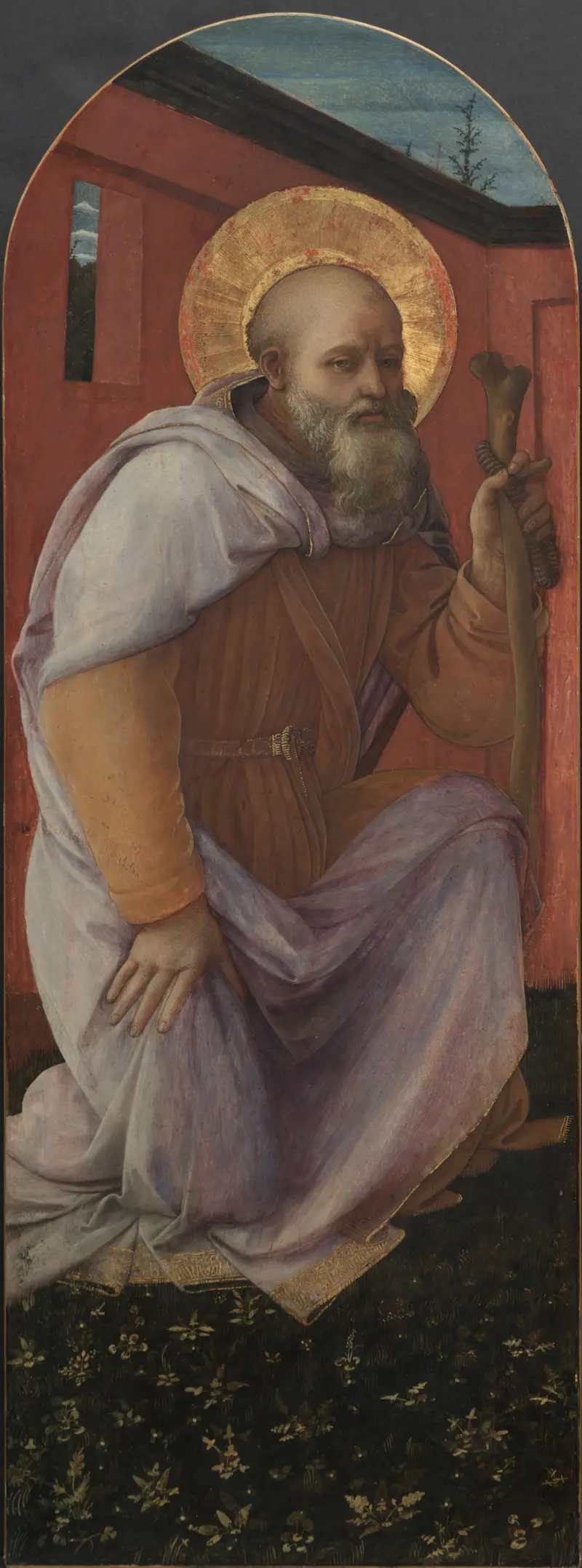
St. Anthony Abbot
Filippino Lippi
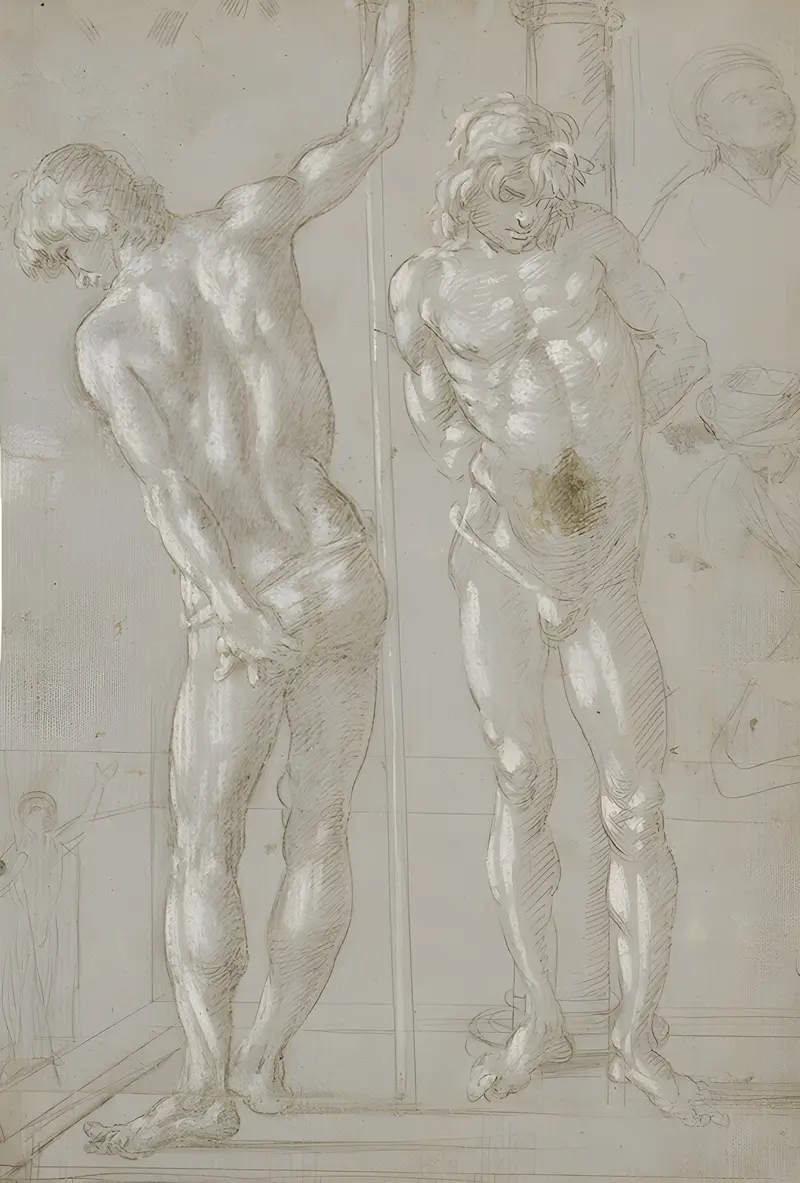
Studies of Christ at the Column, a Nude from Behind, and Various Figures
Filippino Lippi
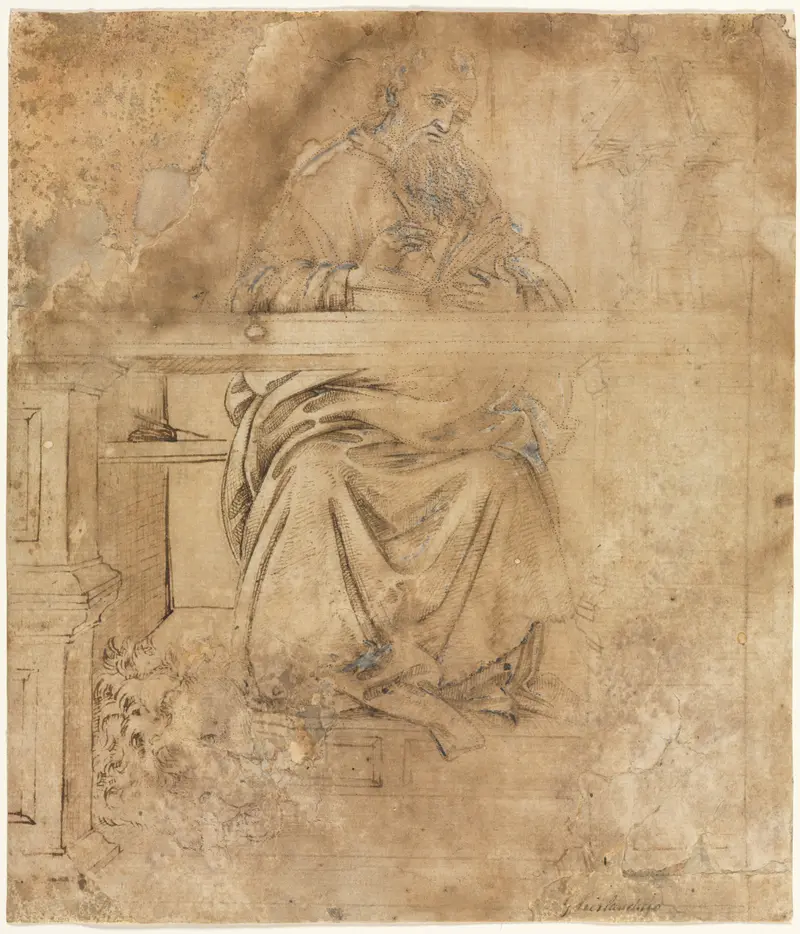
St. Jerome in His Study
Filippino Lippi
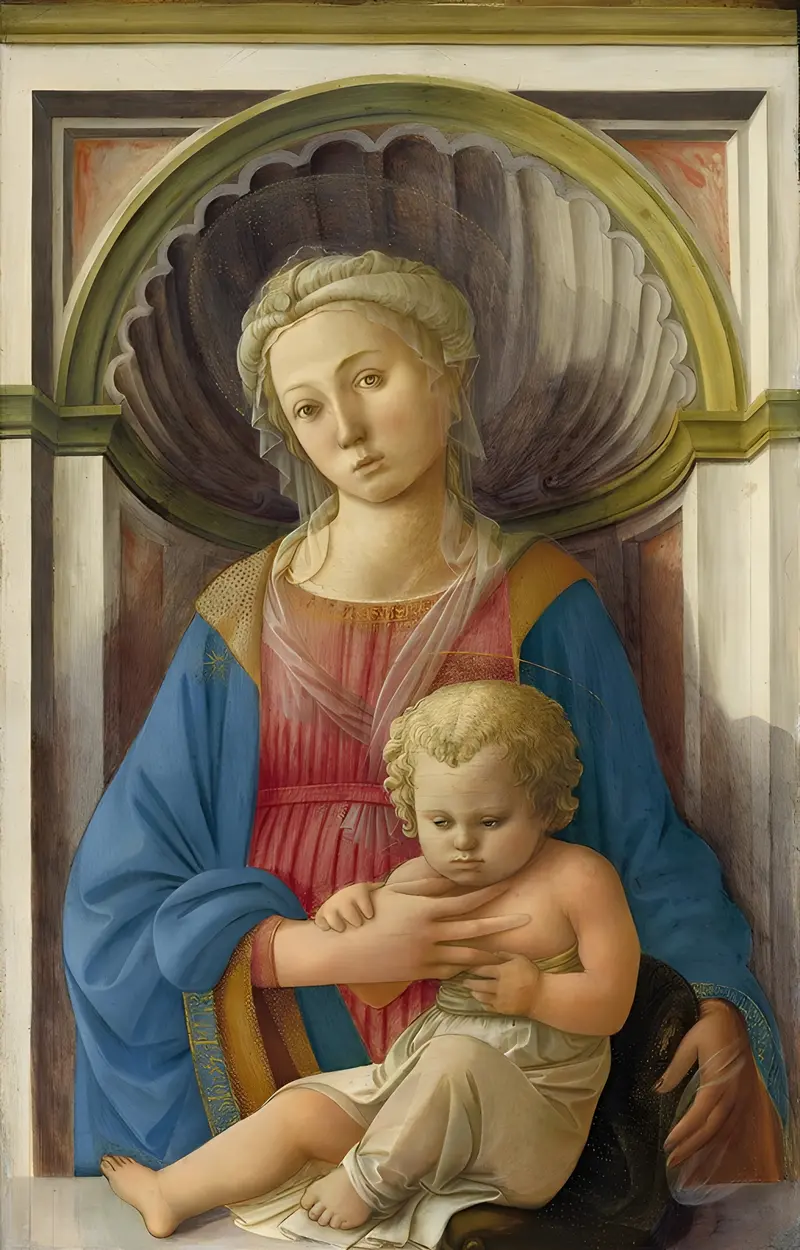
Madonna and Child
Filippino Lippi
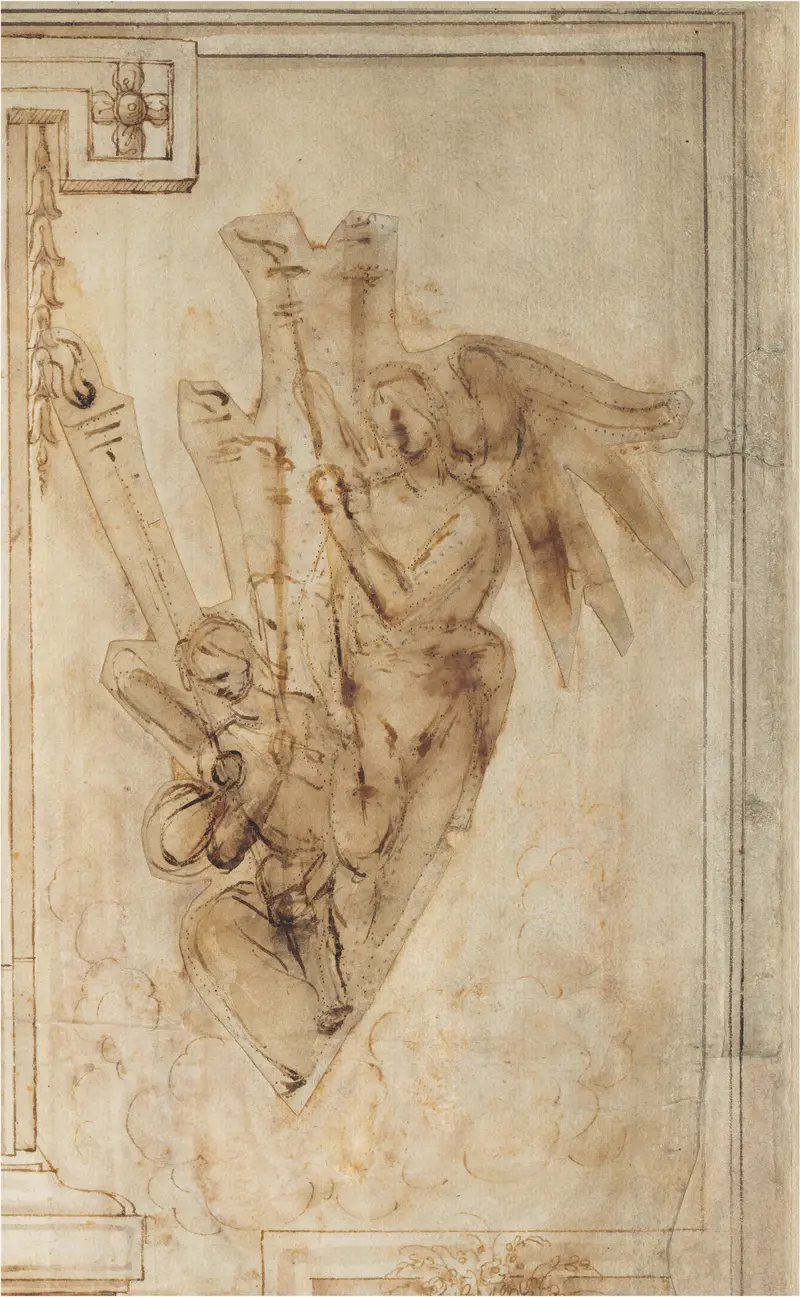
Two Angels Carrying Torches
Filippino Lippi
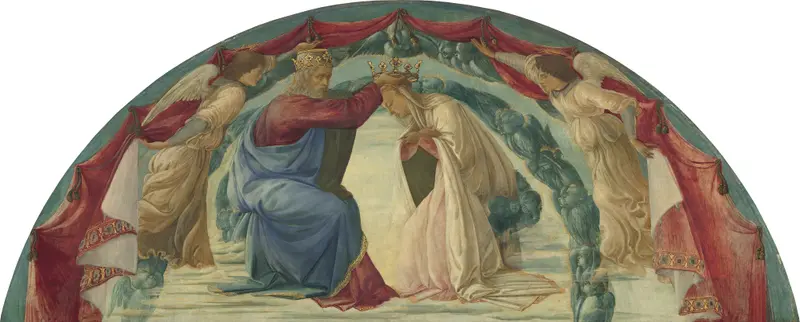
The Coronation of the Virgin
Filippino Lippi





