
Madonna and Child — History & Facts
No one knows exactly when Filippino Lippi painted his Madonna and Child, nor for whom, but the work holds a special place in the tangled web of Florentine Renaissance art. Unlike his father, Fra Filippo Lippi, whose Madonnas often exude gentle intimacy, Filippino’s approach has long been noted for its psychological depth and subtle tension. The uncertainty surrounding its commission has led some scholars to debate whether this painting was intended for private devotion or a small chapel, a mystery that continues to fuel fascination. At the heart of the image, the Madonna cradles her son with a protective tenderness, her gaze both loving and contemplative.
The Christ Child, lively yet serene, reaches up to his mother, a gesture that bridges human affection and divine purpose. Behind them, a delicate landscape opens to distant hills, a hallmark of Florentine painting that situates the holy figures in an earthly realm. The Madonna’s richly colored mantle and the Child’s simple tunic contrast, highlighting the dual nature of Christ as both human and divine.
Compared to Leonardo da Vinci’s Madonna of the Rocks, where the figures are shrouded in mystery, Filippino’s scene feels more immediate, the emotions more accessible. The painting’s early history is largely undocumented, typical for many devotional works of the late 15th century. Over time, attributions have shifted between Filippino and his circle, but most experts now agree it bears his distinctive hand, especially in the expressive faces and refined details. Today, Madonna and Child stands as a testament to Filippino Lippi’s ability to blend the lessons of his father and the innovations of his contemporaries.
Its survival, despite the uncertainties of provenance, allows viewers to glimpse the quiet revolution in religious painting that marked the Florentine Renaissance.
More Artworks by Filippino Lippi

Portrait of a Youth
Filippino Lippi
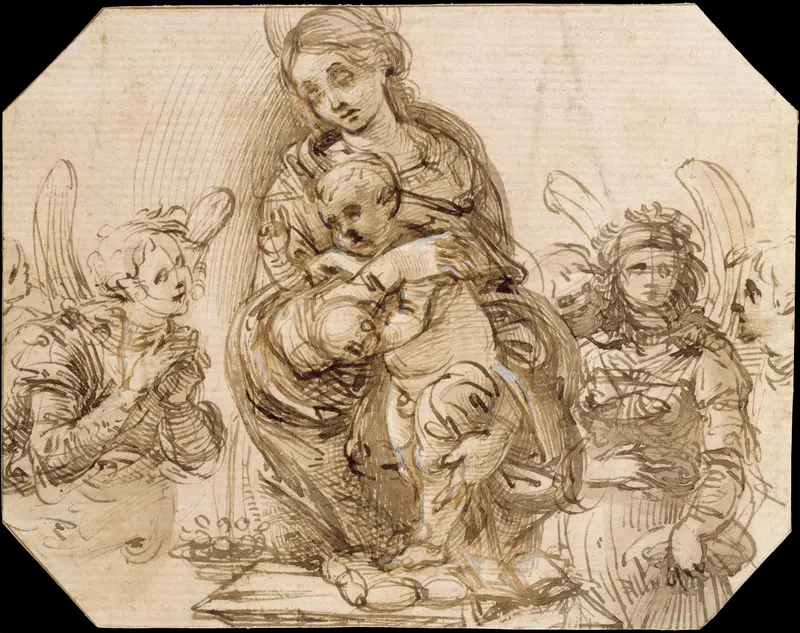
Virgin and Child Attended by Angels
Filippino Lippi

Christ on the Cross
Filippino Lippi
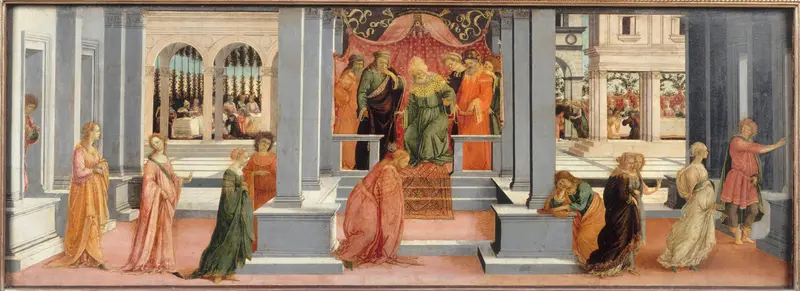
Esther choisie par Assuérus
Filippino Lippi
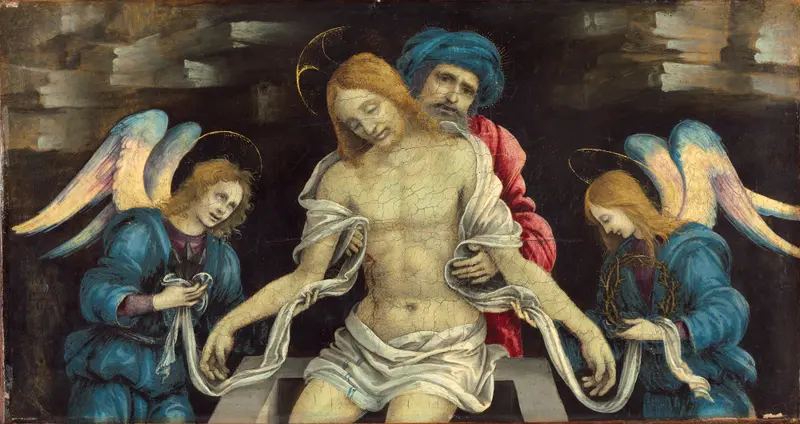
Pietà (The Dead Christ Mourned by Nicodemus and Two Angels)
Filippino Lippi
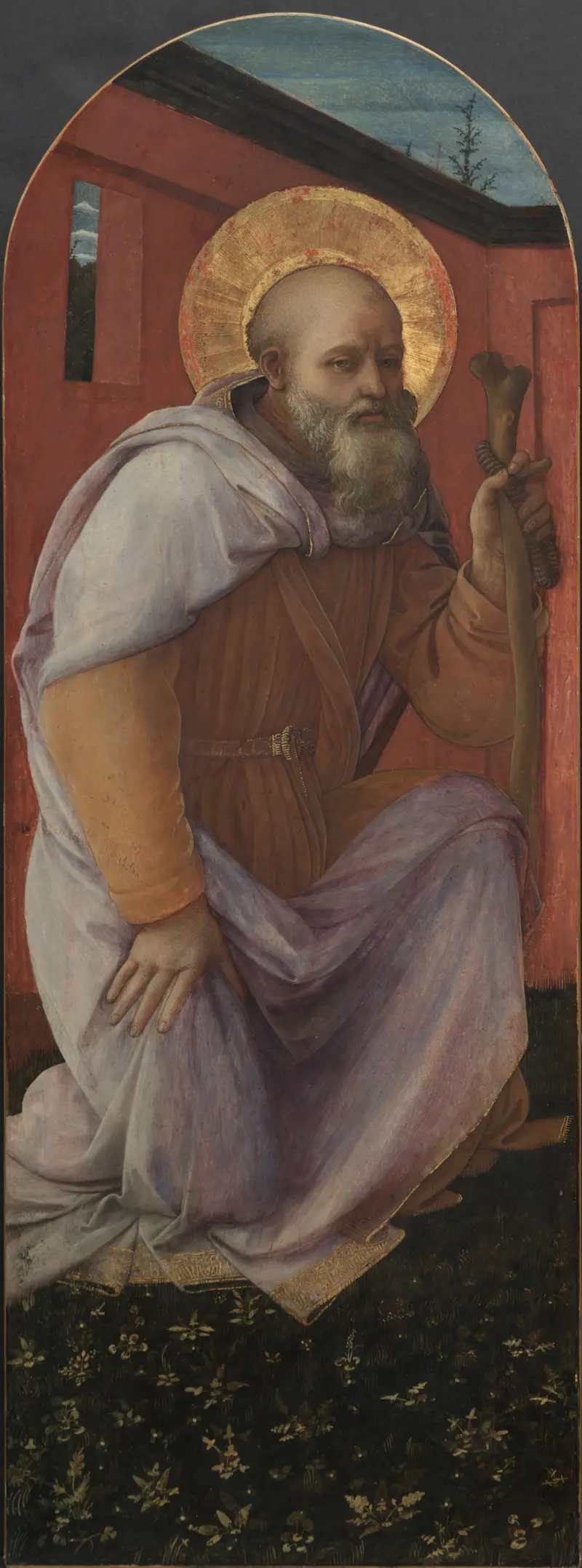
St. Anthony Abbot
Filippino Lippi
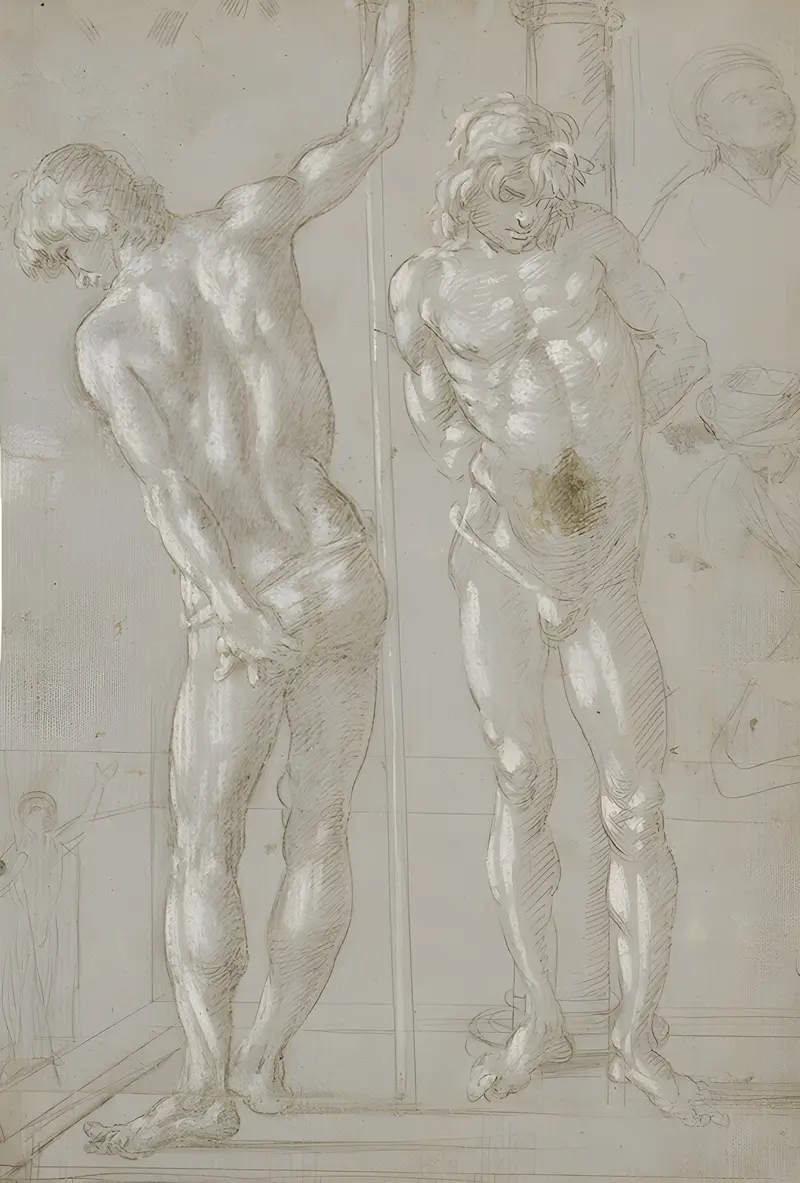
Studies of Christ at the Column, a Nude from Behind, and Various Figures
Filippino Lippi
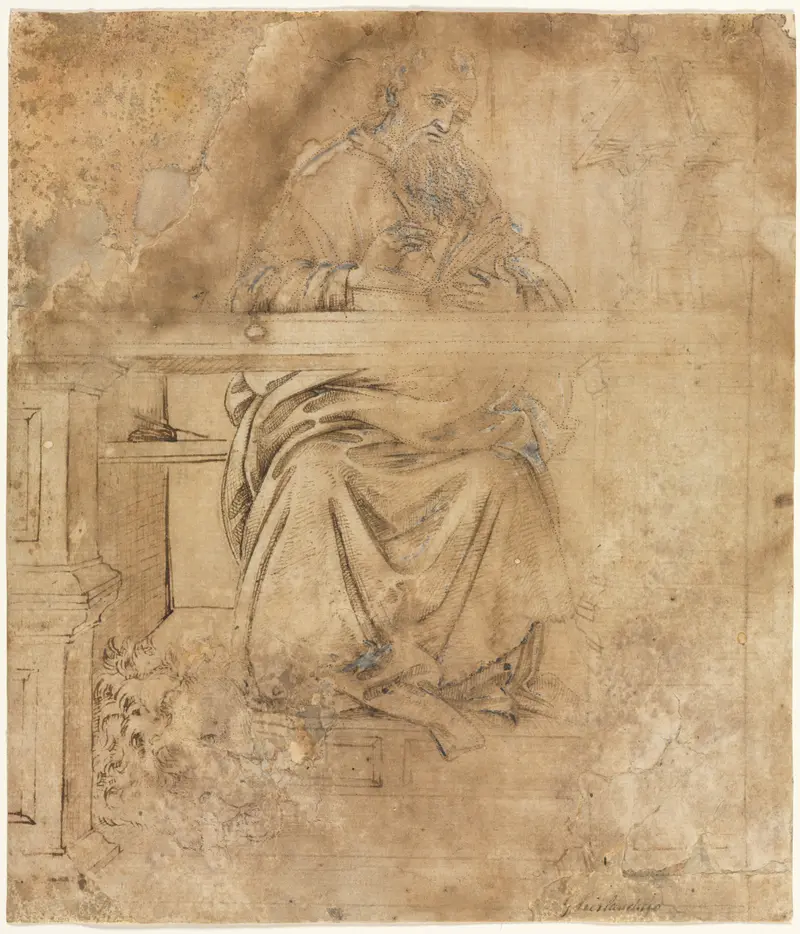
St. Jerome in His Study
Filippino Lippi
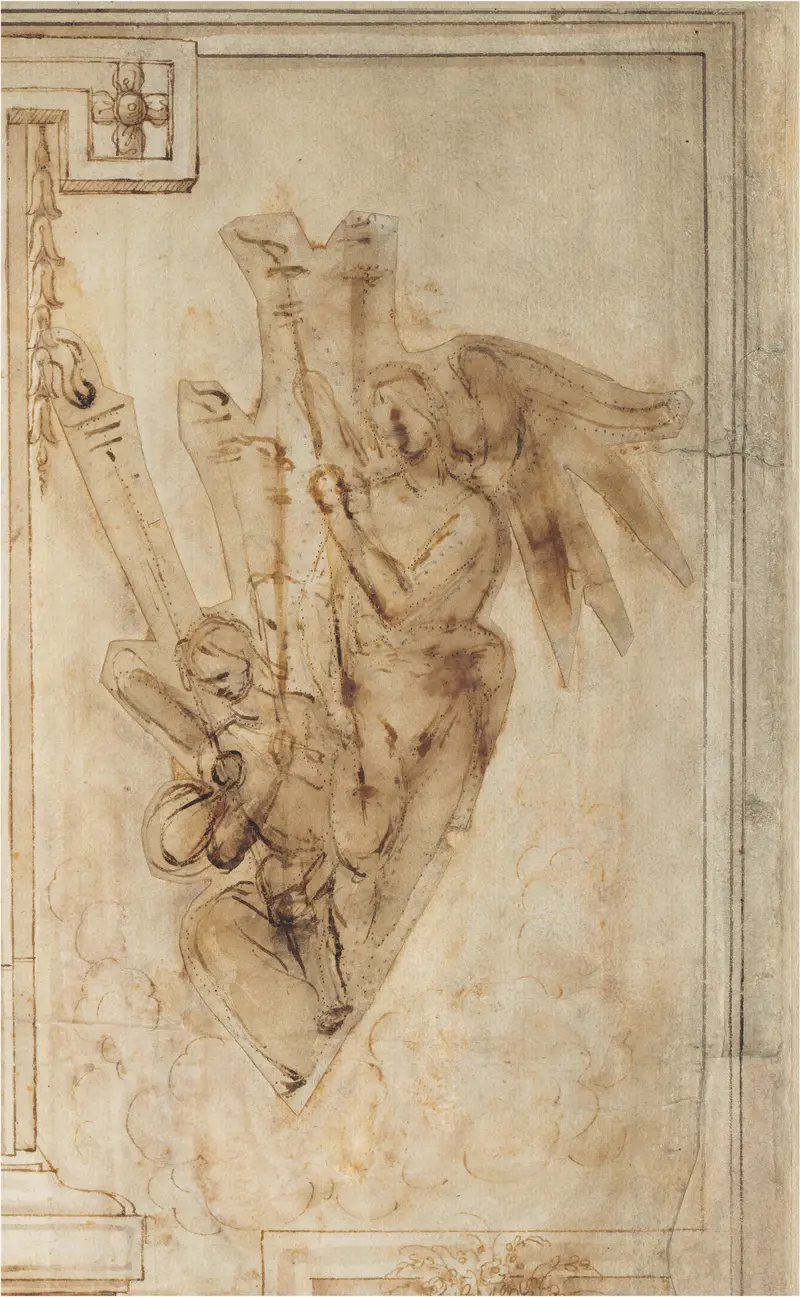
Two Angels Carrying Torches
Filippino Lippi
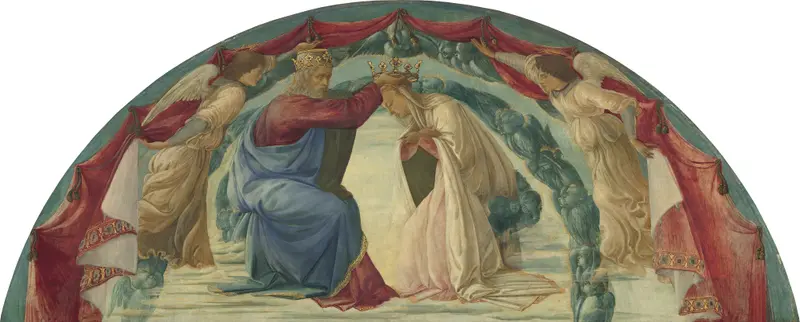
The Coronation of the Virgin
Filippino Lippi





