
Virgin and Child Attended by Angels — History & Facts
No one knows exactly for whom Virgin and Child Attended by Angels was painted, nor the chapel or palace it first adorned, but its authorship by Filippino Lippi is undisputed—a rare certainty for a work from late fifteenth-century Florence. The painting’s gentle Madonna and lively angels echo the style of Lippi’s father, Fra Filippo Lippi, yet the youthful painter’s own hand is unmistakable in the delicate features and restless energy of the figures. Scholars are drawn to the subtle differences between this composition and the many other Florentine Madonnas of the era, debating whether the angels’ playful gestures reflect a specific patron’s wishes or simply Filippino’s own inventive spirit. The moment Filippino Lippi selects is one of quiet intimacy: the Virgin, seated with the Christ Child on her lap, is surrounded by angels who attend her with a mixture of reverence and childlike delight.
One angel offers a spray of white lilies, a symbol of Mary’s purity, while another gazes adoringly at the infant Jesus, who reaches out with a small, blessing hand. The Madonna’s downcast eyes and gentle smile suggest both humility and maternal affection. The luminous background, possibly a Tuscan landscape, opens the scene to the viewer’s world, a device also seen in Leonardo da Vinci’s Virgin of the Rocks, though here the mood is less mysterious and more tenderly domestic.
The interplay of hands and glances creates a web of connection, drawing the viewer into this sacred family circle. As with many devotional paintings of its time, the early history of Virgin and Child Attended by Angels is uncertain; records of its commission have not survived, and it may have been intended for private devotion rather than public display. Over the centuries, the painting’s attribution to Filippino Lippi has remained largely unchallenged, thanks to the distinctive blend of grace and animation that marks his work. Today, the painting stands as a testament to the flourishing of the Florentine Renaissance, when artists like Lippi reimagined sacred themes with new warmth and humanity.
Its journey through time—passing quietly from hand to hand, chapel to collection—mirrors the enduring appeal of its subject: the eternal bond between mother and child, watched over by angels.
More Artworks by Filippino Lippi

Portrait of a Youth
Filippino Lippi

Christ on the Cross
Filippino Lippi
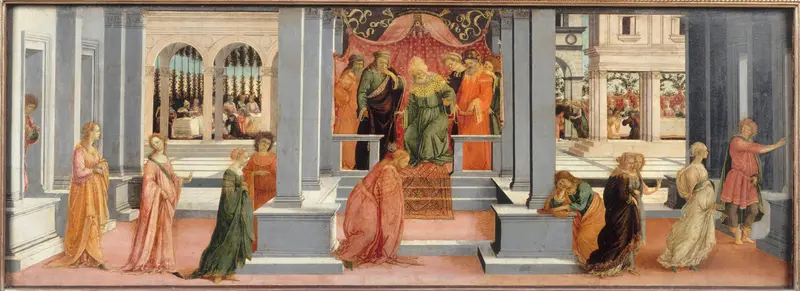
Esther choisie par Assuérus
Filippino Lippi
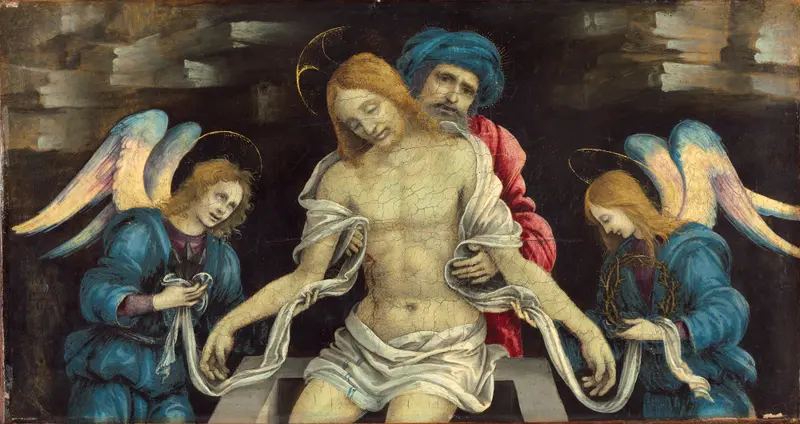
Pietà (The Dead Christ Mourned by Nicodemus and Two Angels)
Filippino Lippi
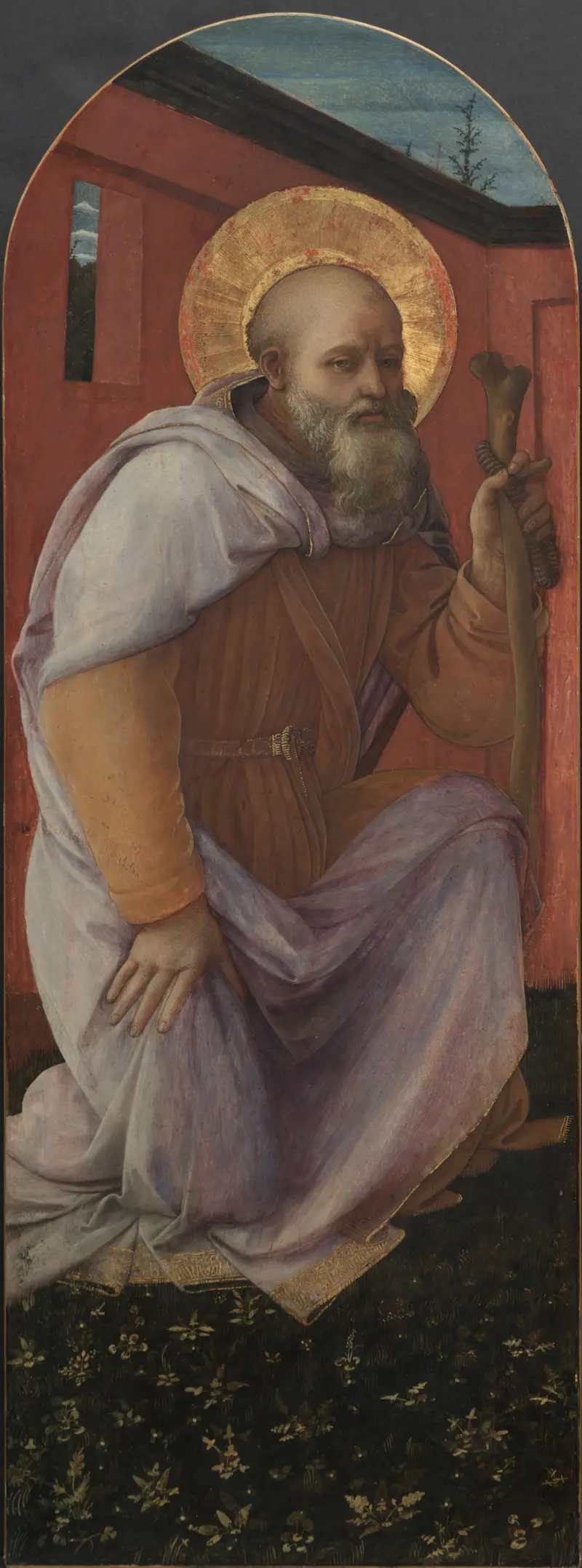
St. Anthony Abbot
Filippino Lippi
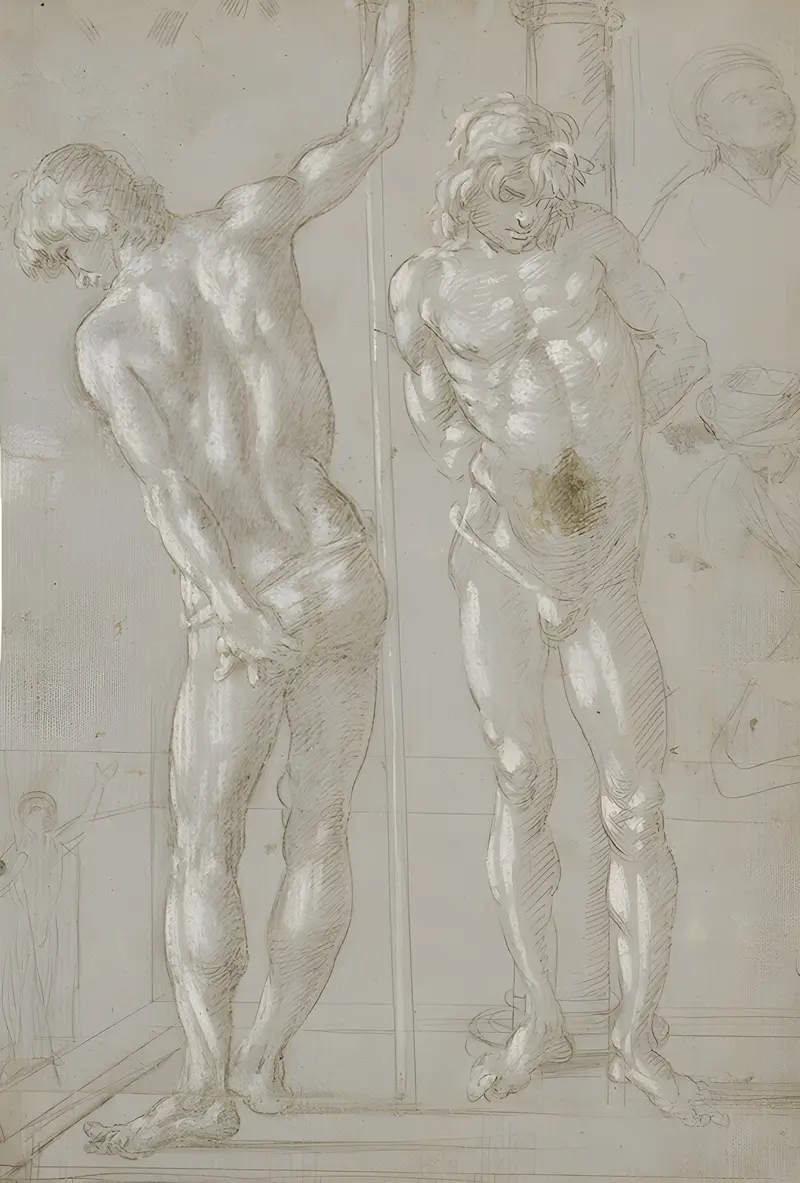
Studies of Christ at the Column, a Nude from Behind, and Various Figures
Filippino Lippi
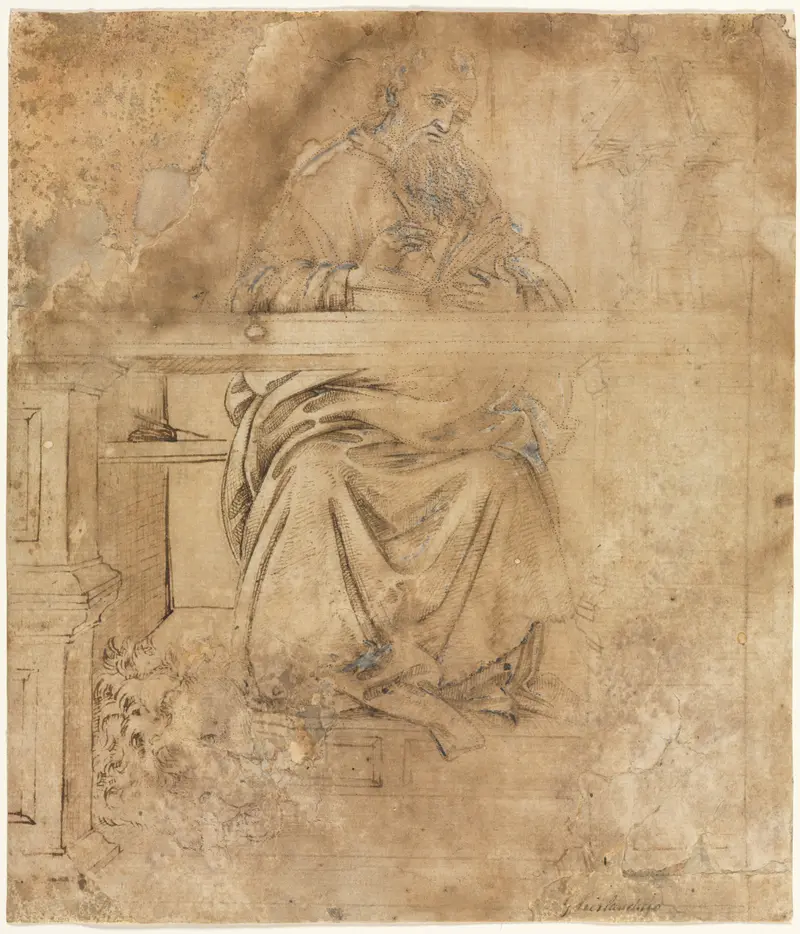
St. Jerome in His Study
Filippino Lippi
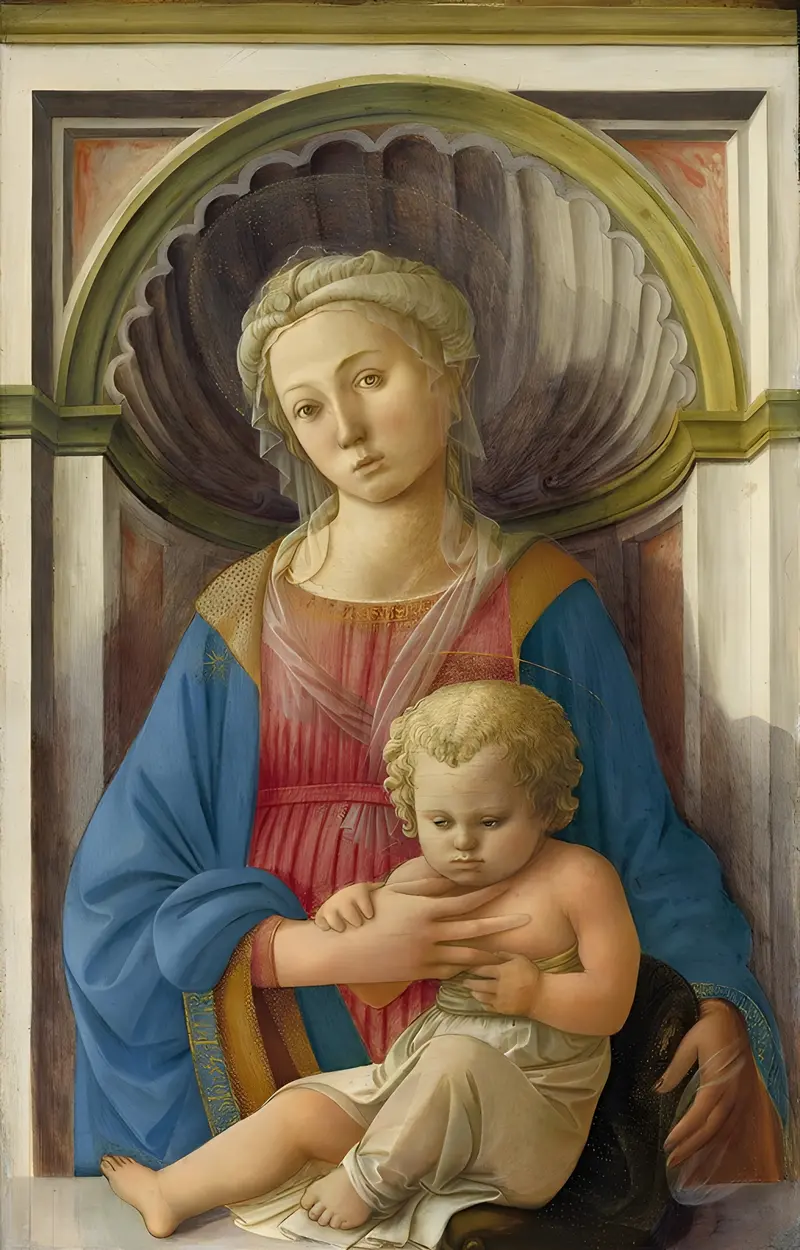
Madonna and Child
Filippino Lippi
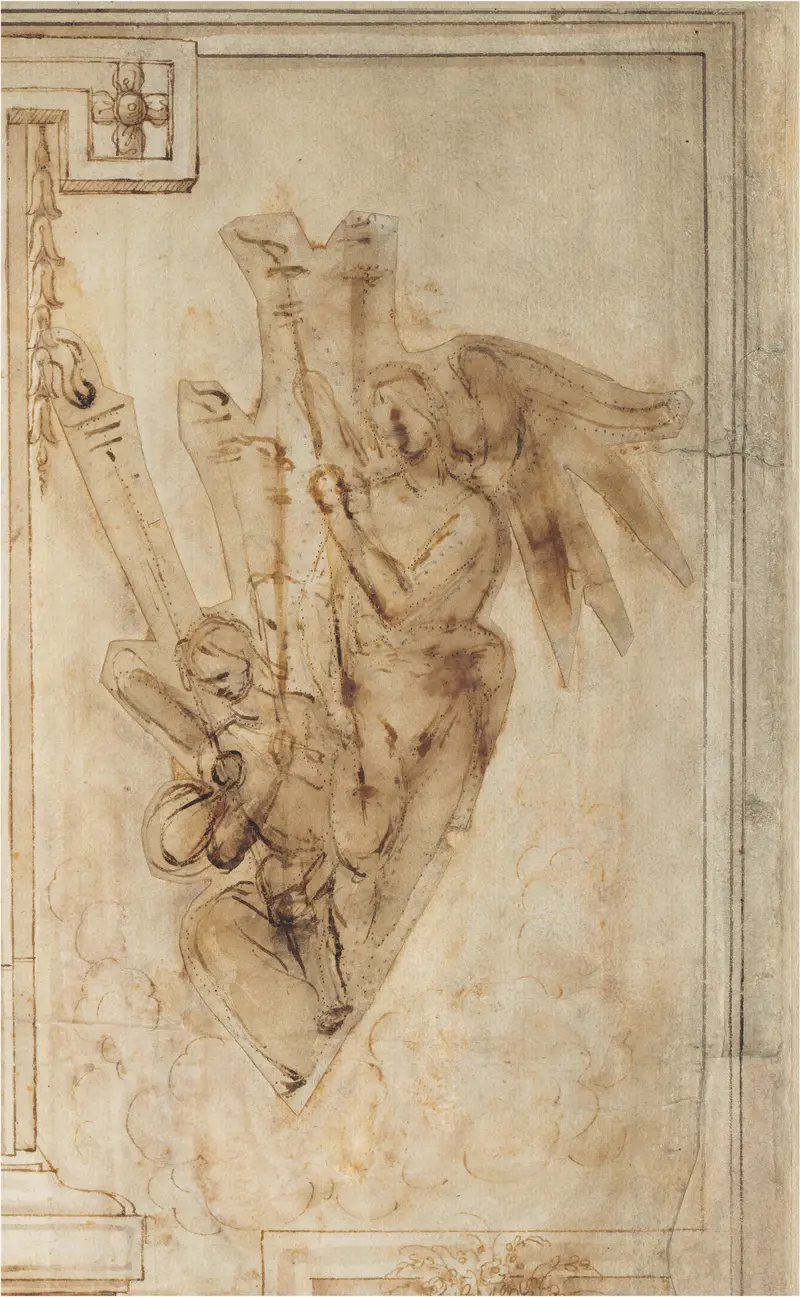
Two Angels Carrying Torches
Filippino Lippi
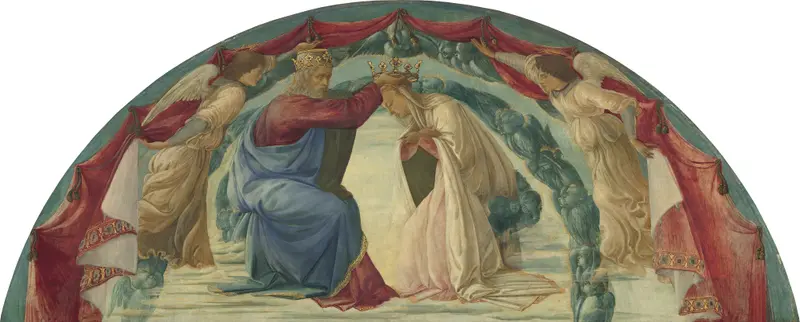
The Coronation of the Virgin
Filippino Lippi





