
Two Angels Carrying Torches — History & Facts
Few works by Filippino Lippi have prompted as much speculation as Two Angels Carrying Torches. The painting’s original purpose remains uncertain, but it is widely believed to be a fragment from a larger altarpiece, possibly commissioned for a Florentine church in the late 15th century. The absence of a known date or patron has led art historians to piece together its story from style and technique alone, making it a fascinating puzzle in the study of Renaissance workshop practices.
Some suggest it once flanked a central image of the Madonna or a saint, its torch-bearing angels illuminating a sacred narrative now lost. In the painting, two youthful angels hover in midair, each gripping a tall, golden torch that casts a warm glow across their delicate faces. Their garments ripple with movement, painted in the soft, luminous colors typical of Lippi’s Florentine contemporaries. The angels’ gentle expressions and the careful rendering of their wings suggest a moment of reverence, as if they are lighting the way for a holy procession or vigil.
The torches themselves are more than mere sources of light—they symbolize divine presence and guidance, a common motif in Renaissance religious art. Unlike the more static angels of Fra Angelico, Lippi’s figures seem caught in motion, their bodies twisting gracefully as they fulfill their celestial duty. The physical history of Two Angels Carrying Torches is as enigmatic as its origin. Detached from its original context, the panel has survived as an independent work, admired for its beauty and craftsmanship.
Over the centuries, it has passed through the hands of collectors and may have been separated from companion pieces, a fate not uncommon for Renaissance altarpieces dismantled in later periods. Today, it is valued both as a testament to Filippino Lippi’s skill and as a rare glimpse into the fragmentary survival of Renaissance art. Its precise place in Lippi’s career remains debated, but its lively figures and refined technique mark it as a product of the vibrant artistic world of late 15th-century Florence.
More Artworks by Filippino Lippi

Portrait of a Youth
Filippino Lippi
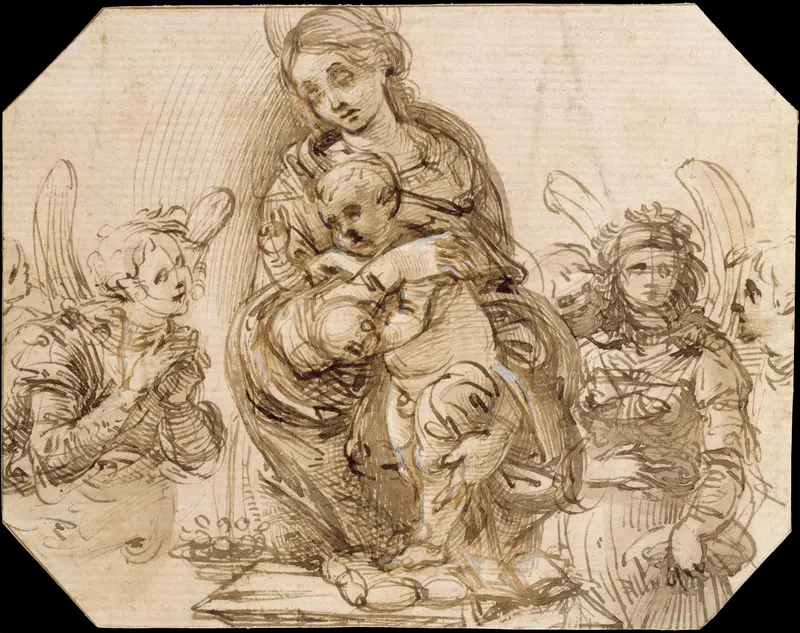
Virgin and Child Attended by Angels
Filippino Lippi

Christ on the Cross
Filippino Lippi
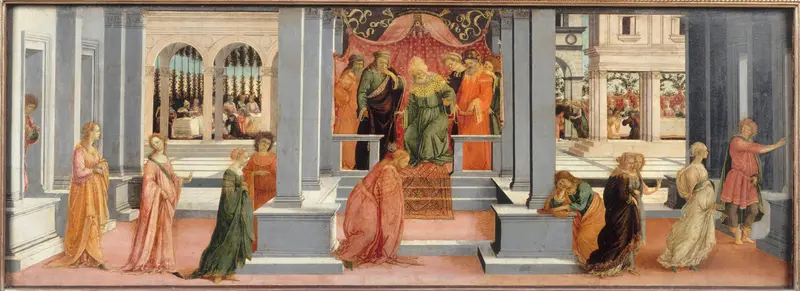
Esther choisie par Assuérus
Filippino Lippi
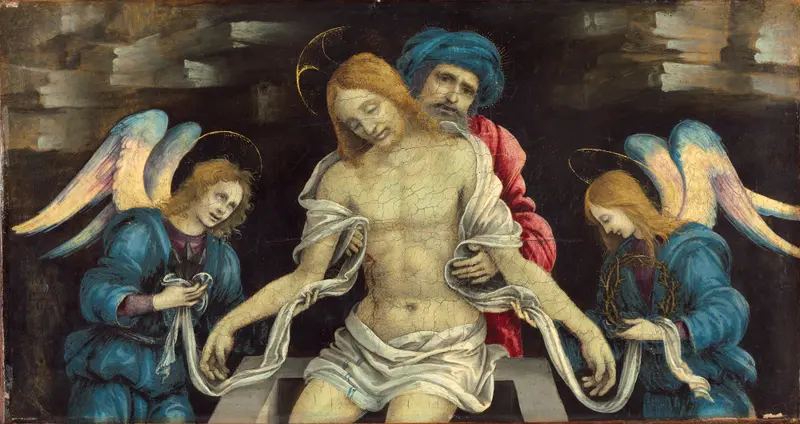
Pietà (The Dead Christ Mourned by Nicodemus and Two Angels)
Filippino Lippi
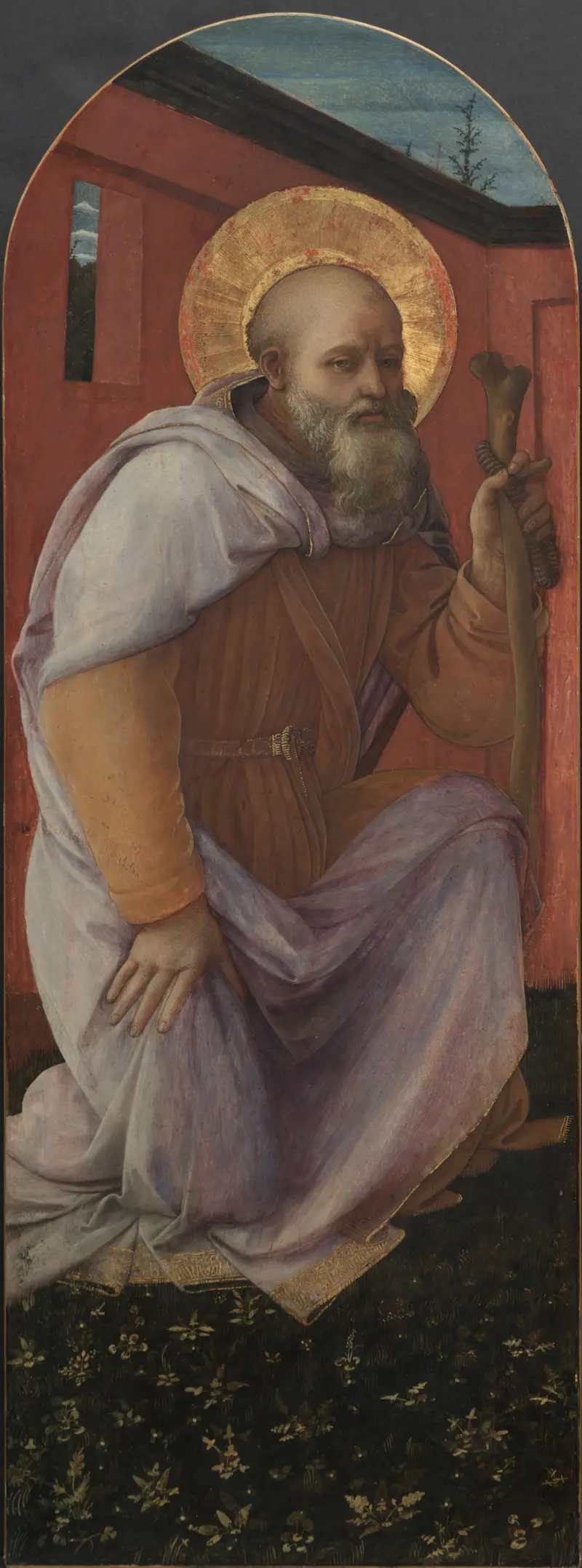
St. Anthony Abbot
Filippino Lippi
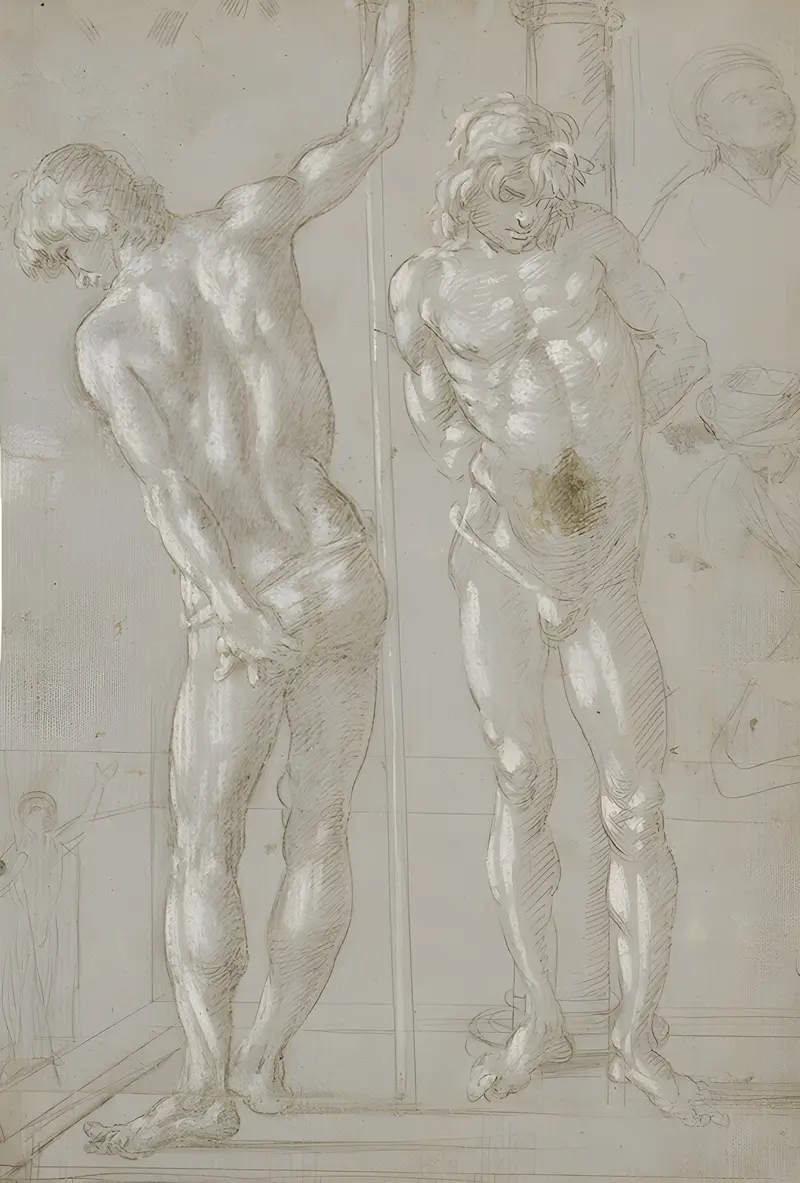
Studies of Christ at the Column, a Nude from Behind, and Various Figures
Filippino Lippi
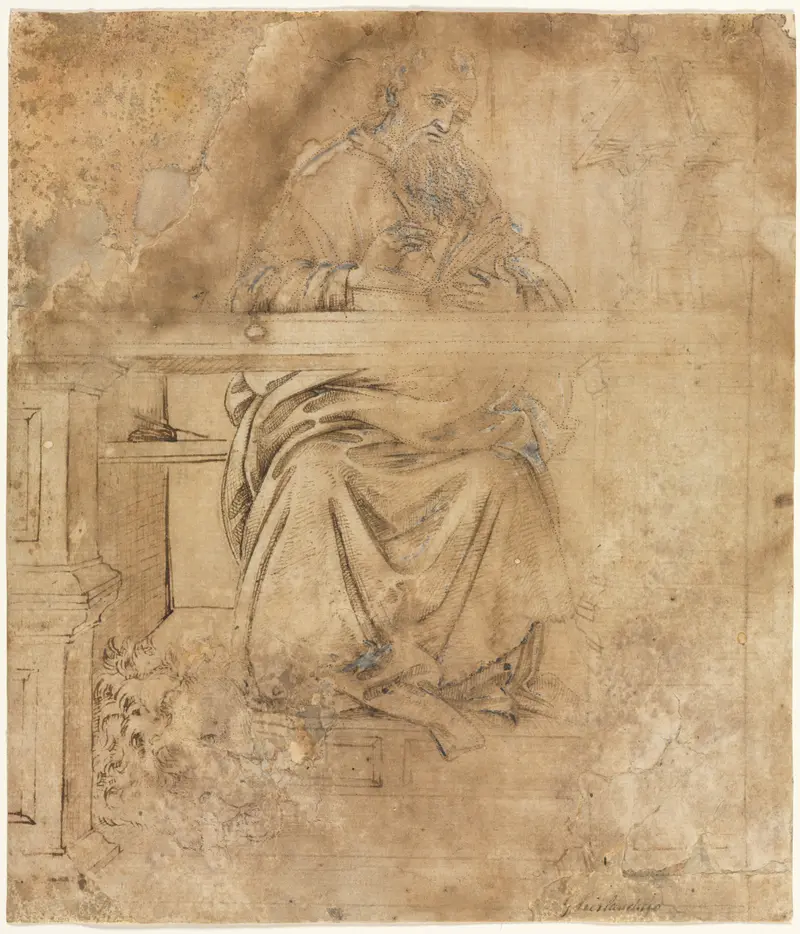
St. Jerome in His Study
Filippino Lippi
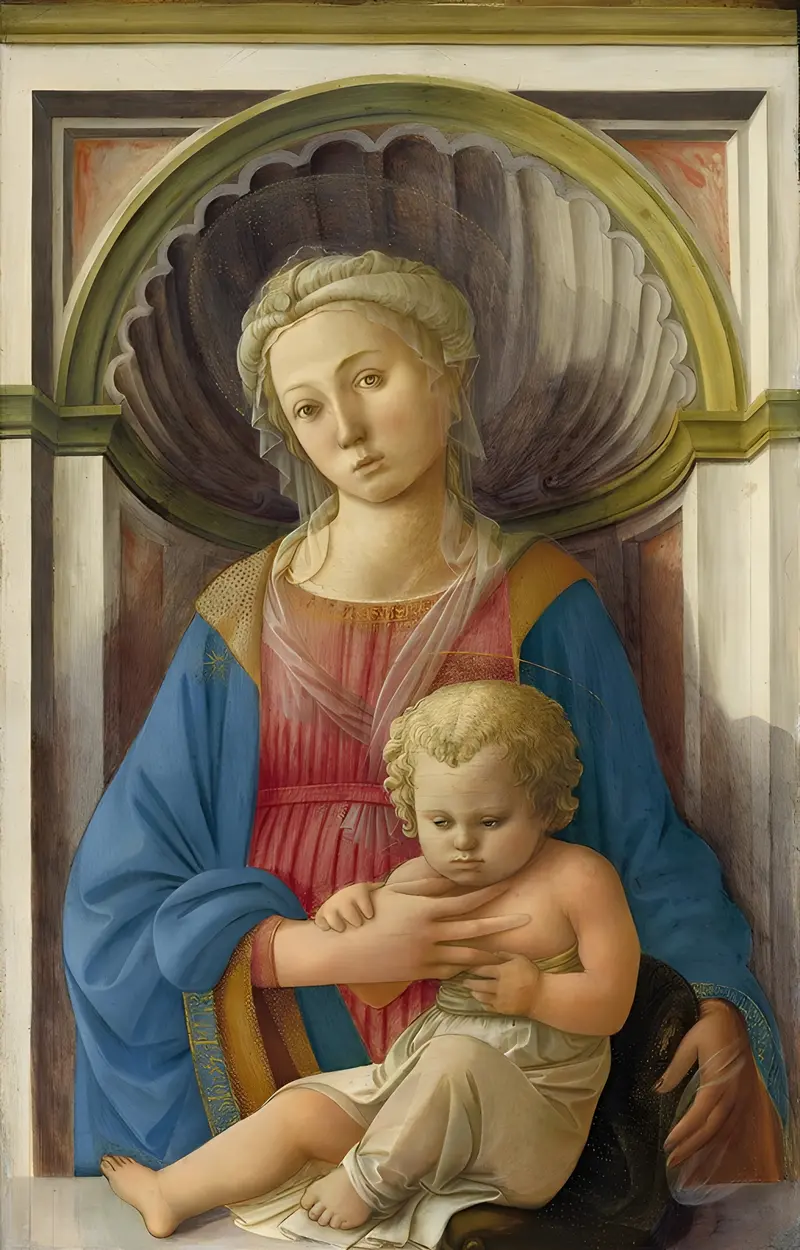
Madonna and Child
Filippino Lippi
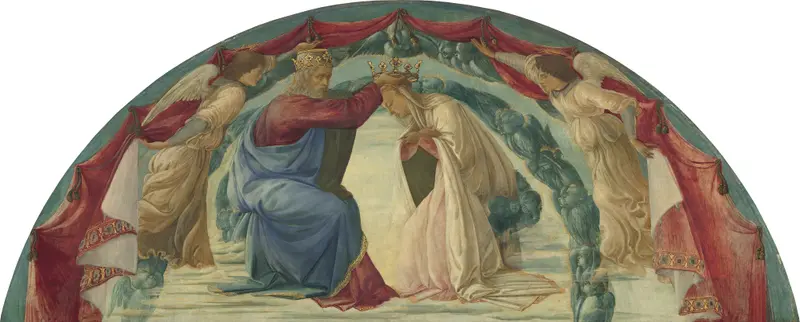
The Coronation of the Virgin
Filippino Lippi





