
Studies of Christ at the Column, a Nude from Behind, and Various Figures — History & Facts
No single sheet better reveals the restless invention of Filippino Lippi than Studies of Christ at the Column, a Nude from Behind, and Various Figures. In this dense drawing, we glimpse the artist’s private laboratory—an arena of experimentation where sacred drama, anatomical study, and fleeting gesture collide. Unlike finished altarpieces, such studies rarely survived the centuries, making this sheet a rare window into the creative process of a leading figure of the Florentine Renaissance.
The coexistence of Christ’s suffering and a classical nude hints at the dual devotion of Lippi’s world: to faith and to the rediscovered art of antiquity. At its heart, the sheet circles around the moment of Christ’s flagellation—a scene of humiliation and pain, when, according to the Gospels, Jesus is bound to a column and scourged by Roman soldiers. Lippi’s Christ is rendered with a searching, almost hesitant line, his body twisted in anticipation of the blows. Nearby, a nude figure stands with his back to us, a study in musculature and movement, perhaps drawn from a live model or antique statue.
Scattered around are half-formed heads and figures, suggesting the artist’s search for the right pose or expression. Where Botticelli—Lippi’s contemporary—would emphasize the lyrical sorrow of the scene, here the focus is on the physical reality of the body and the mechanics of suffering. The precise origins and purpose of this sheet remain uncertain; no commission or patron is recorded. It likely served as a preparatory study for a now-lost painting or fresco, a common practice in the Lippi workshop.
Over the centuries, such working drawings were often neglected or dispersed, but this one survived, valued by later collectors for its insight into the artist’s hand. Today, Studies of Christ at the Column, a Nude from Behind, and Various Figures stands as both a testament to Filippino Lippi’s technical curiosity and a fragmentary record of Renaissance workshop practice, bridging sacred narrative and the rebirth of classical form.
More Artworks by Filippino Lippi

Portrait of a Youth
Filippino Lippi
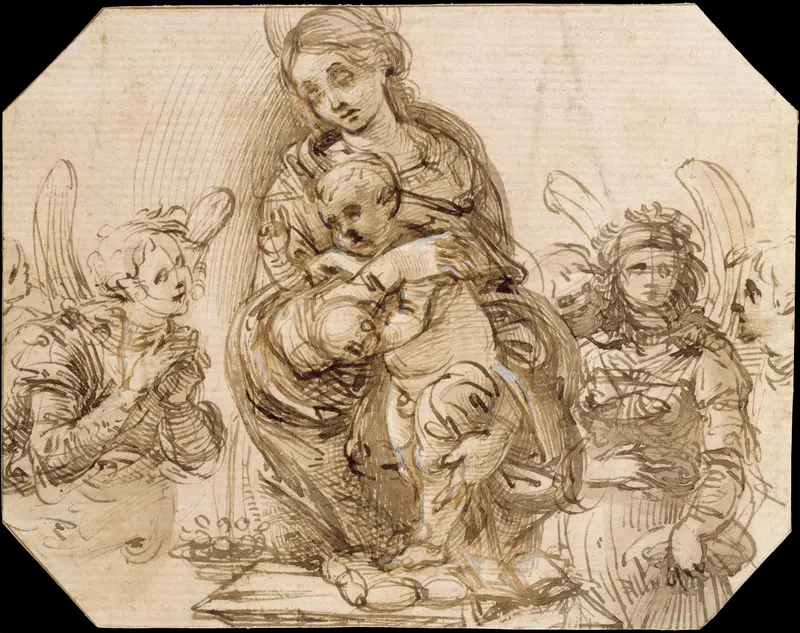
Virgin and Child Attended by Angels
Filippino Lippi

Christ on the Cross
Filippino Lippi
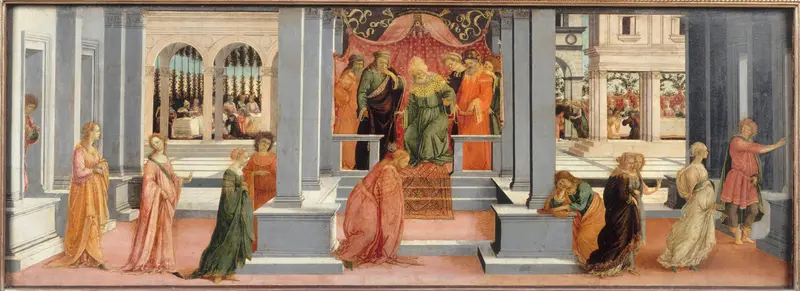
Esther choisie par Assuérus
Filippino Lippi
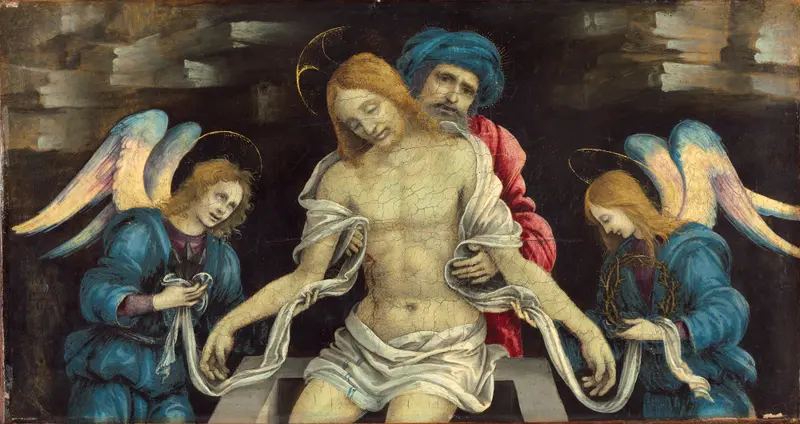
Pietà (The Dead Christ Mourned by Nicodemus and Two Angels)
Filippino Lippi
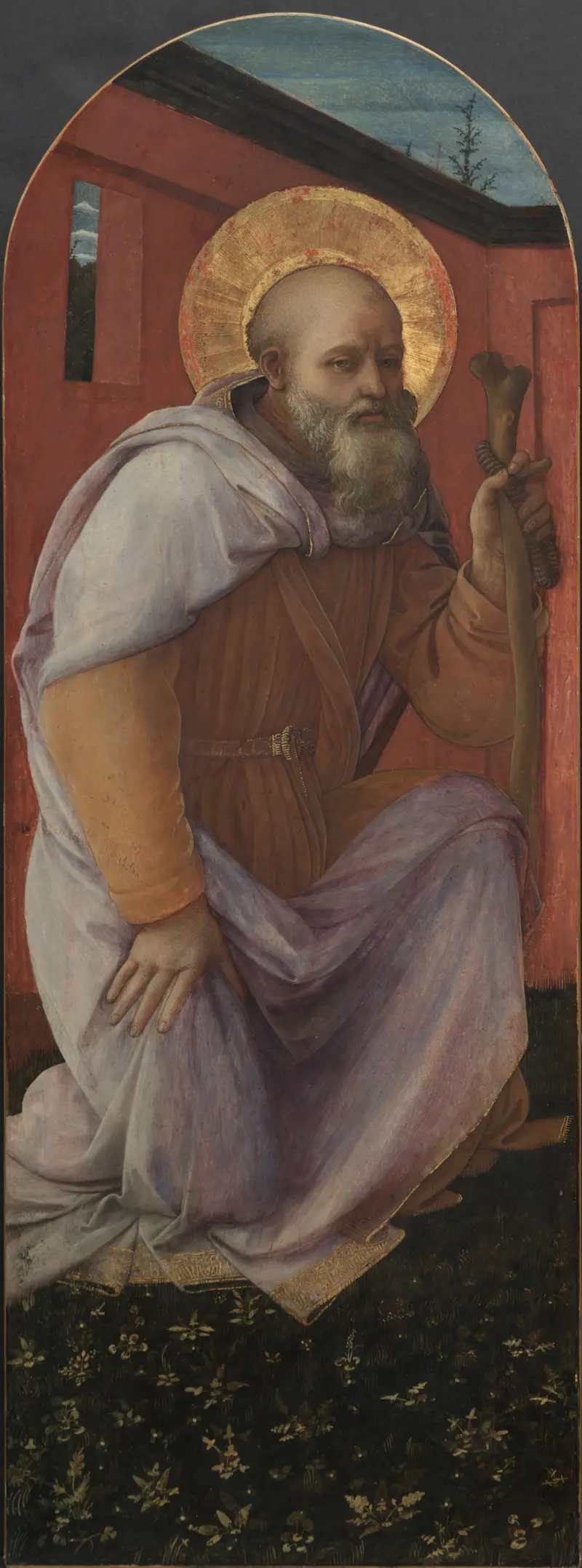
St. Anthony Abbot
Filippino Lippi
St. Jerome in His Study
Filippino Lippi
Madonna and Child
Filippino Lippi
Two Angels Carrying Torches
Filippino Lippi
The Coronation of the Virgin
Filippino Lippi




