
St. Jerome in His Study — History & Facts
Few paintings of St. Jerome have stirred as much scholarly curiosity as St. Jerome in His Study by Filippino Lippi.
The exact date and circumstances of its creation remain a puzzle, with no surviving commission records or early inventories to shed light on its origins. What is certain is that this work stands at the crossroads of two generations: Filippino Lippi was the son of Fra Filippo Lippi and a pupil of Sandro Botticelli, and his approach to this classic subject reveals an artist both steeped in tradition and eager to assert his own vision. The painting’s authorship was once questioned, but close study of the handling of drapery and the psychological depth of the saint now confirms it as a work by Filippino. The scene captures St.
Jerome at the height of his scholarly labor, surrounded by the tools of his trade: books, manuscripts, and the ever-present skull, a reminder of mortality. The saint’s gaze is intent, his hand poised over a text, perhaps in the act of translating the Bible into Latin—the monumental task that defined his life. A lion, Jerome’s legendary companion, lies at his feet, its presence both a symbol of the saint’s compassion and a nod to the miraculous story of Jerome removing a thorn from its paw.
The light falls sharply across the writing desk, illuminating the saint’s furrowed brow and the clutter of knowledge, much as Antonello da Messina did in his own celebrated St. Jerome in His Study, though Filippino brings a more restless energy to the composition. The early history of this painting is shrouded in uncertainty, typical of many works by Filippino Lippi outside his major commissions in Florence and Rome. It is likely that the painting was intended for a private patron, perhaps a learned cleric or humanist, reflecting the Renaissance fascination with scholarship and solitary devotion.
Over the centuries, the work has passed quietly through collections, its attribution at times confused with that of Fra Filippo Lippi or even Domenico Ghirlandaio. Today, it is recognized as a significant example of Filippino’s mature style, valued for its psychological insight and intricate detail, and stands as a testament to the enduring appeal of St. Jerome as a model of intellectual and spiritual rigor.
More Artworks by Filippino Lippi

Portrait of a Youth
Filippino Lippi
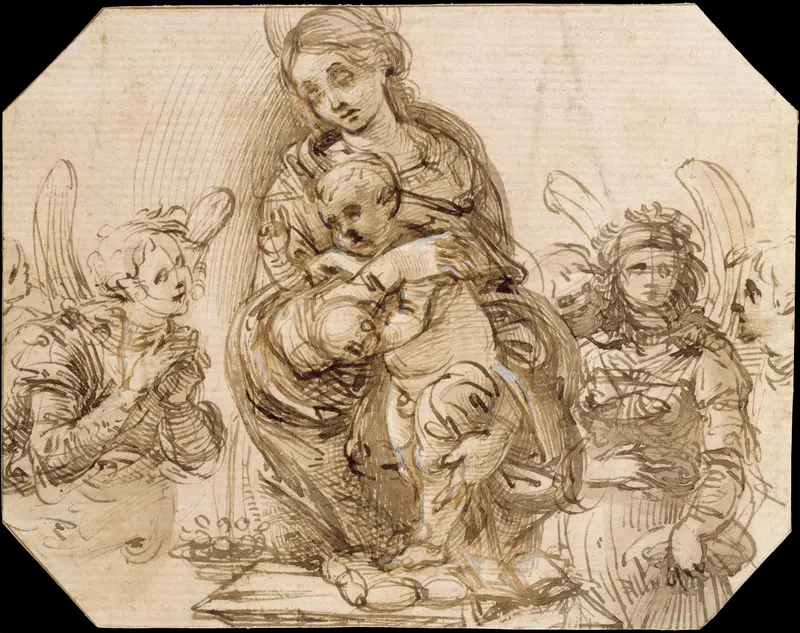
Virgin and Child Attended by Angels
Filippino Lippi

Christ on the Cross
Filippino Lippi
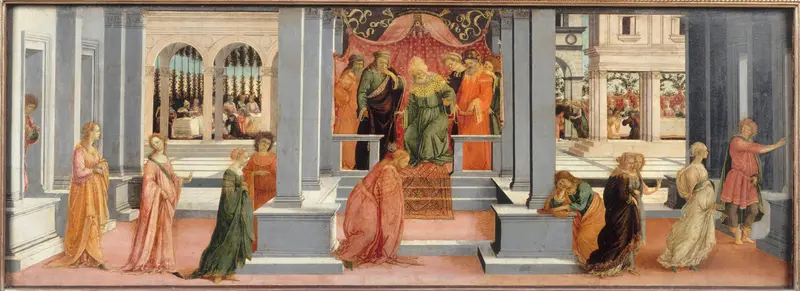
Esther choisie par Assuérus
Filippino Lippi
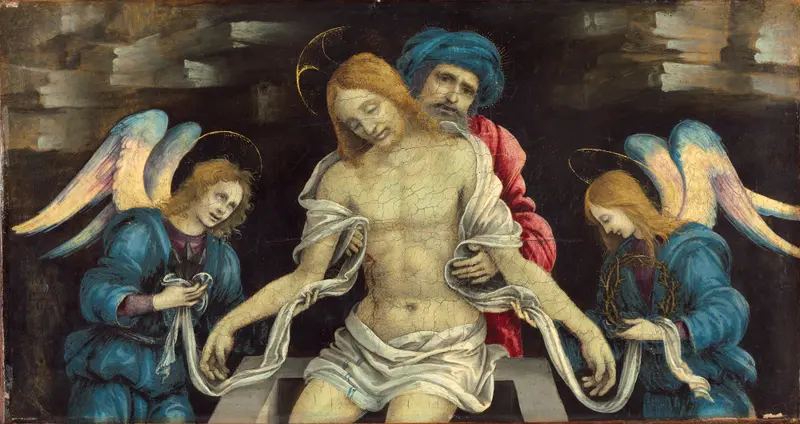
Pietà (The Dead Christ Mourned by Nicodemus and Two Angels)
Filippino Lippi
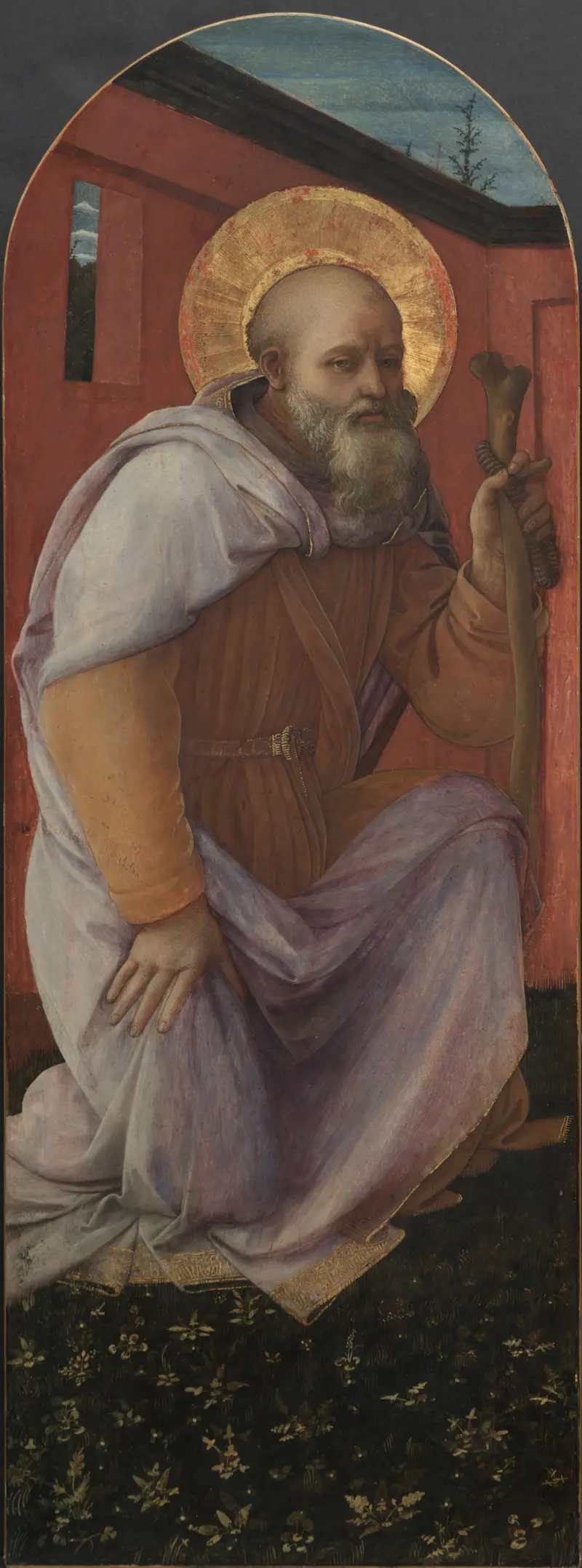
St. Anthony Abbot
Filippino Lippi
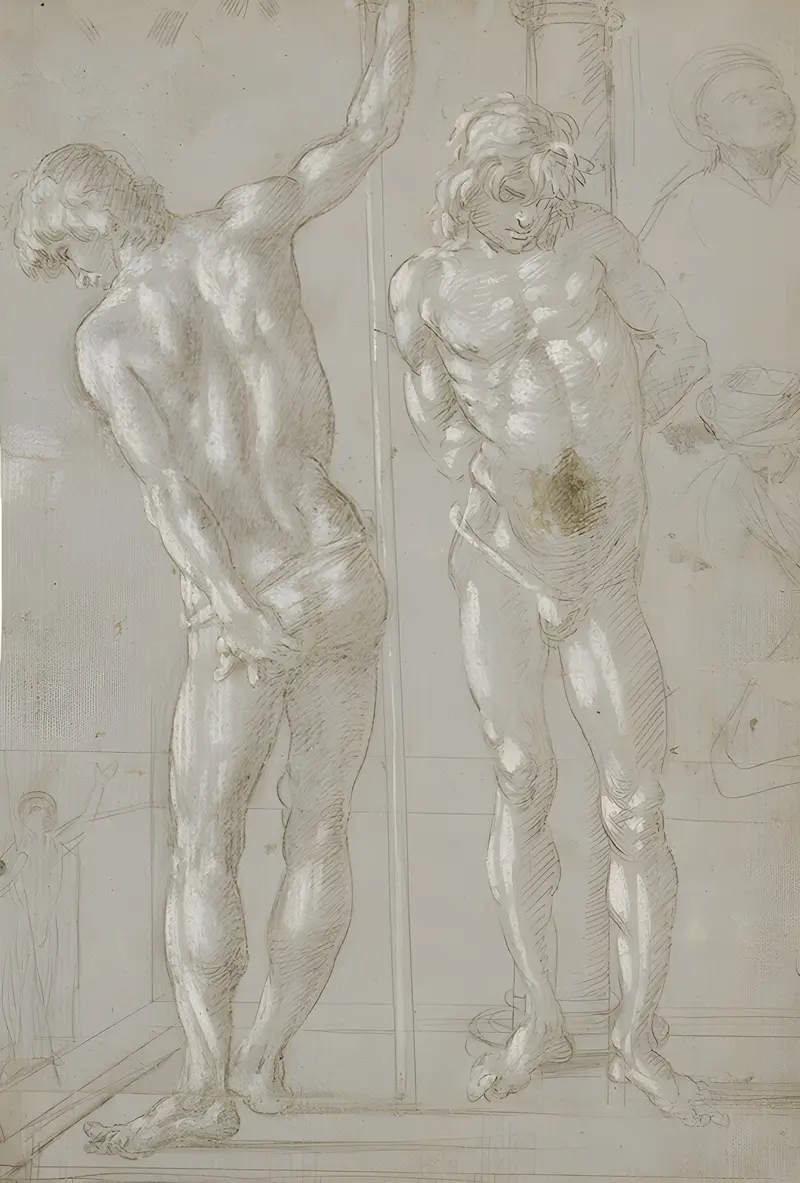
Studies of Christ at the Column, a Nude from Behind, and Various Figures
Filippino Lippi
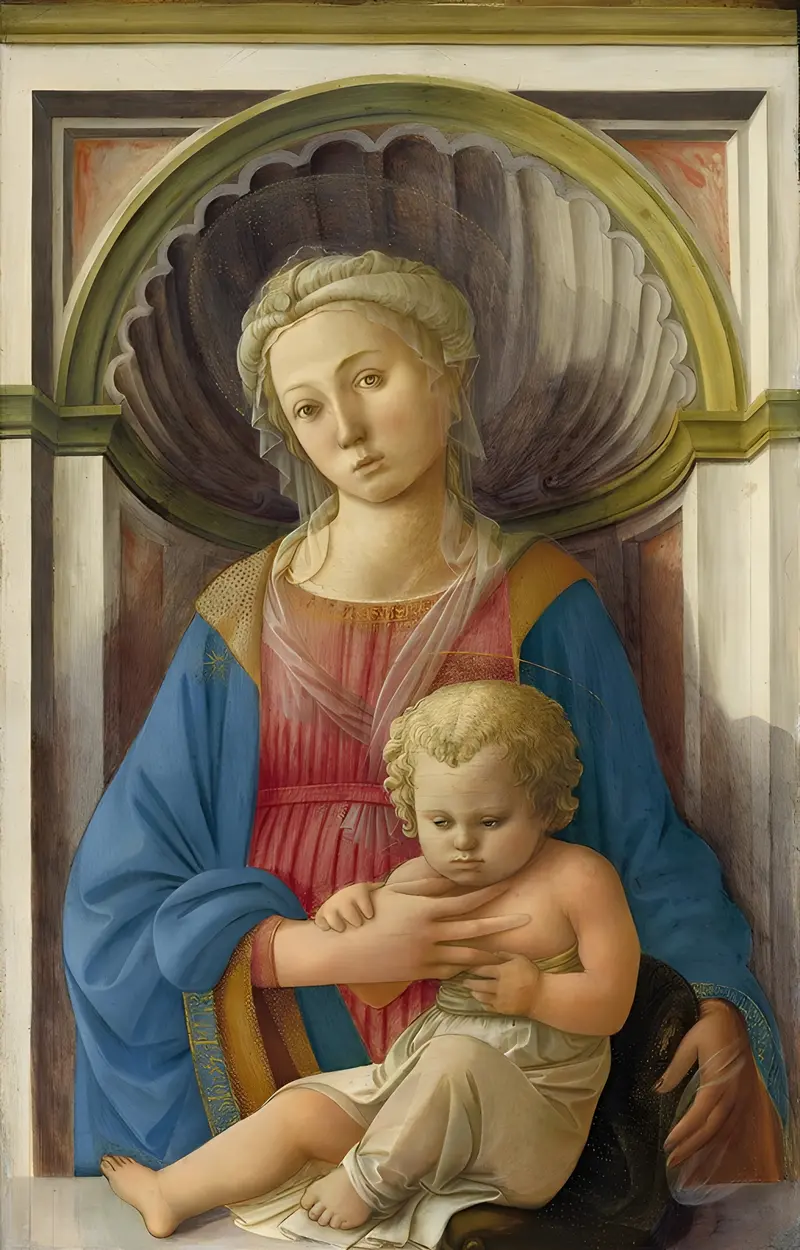
Madonna and Child
Filippino Lippi
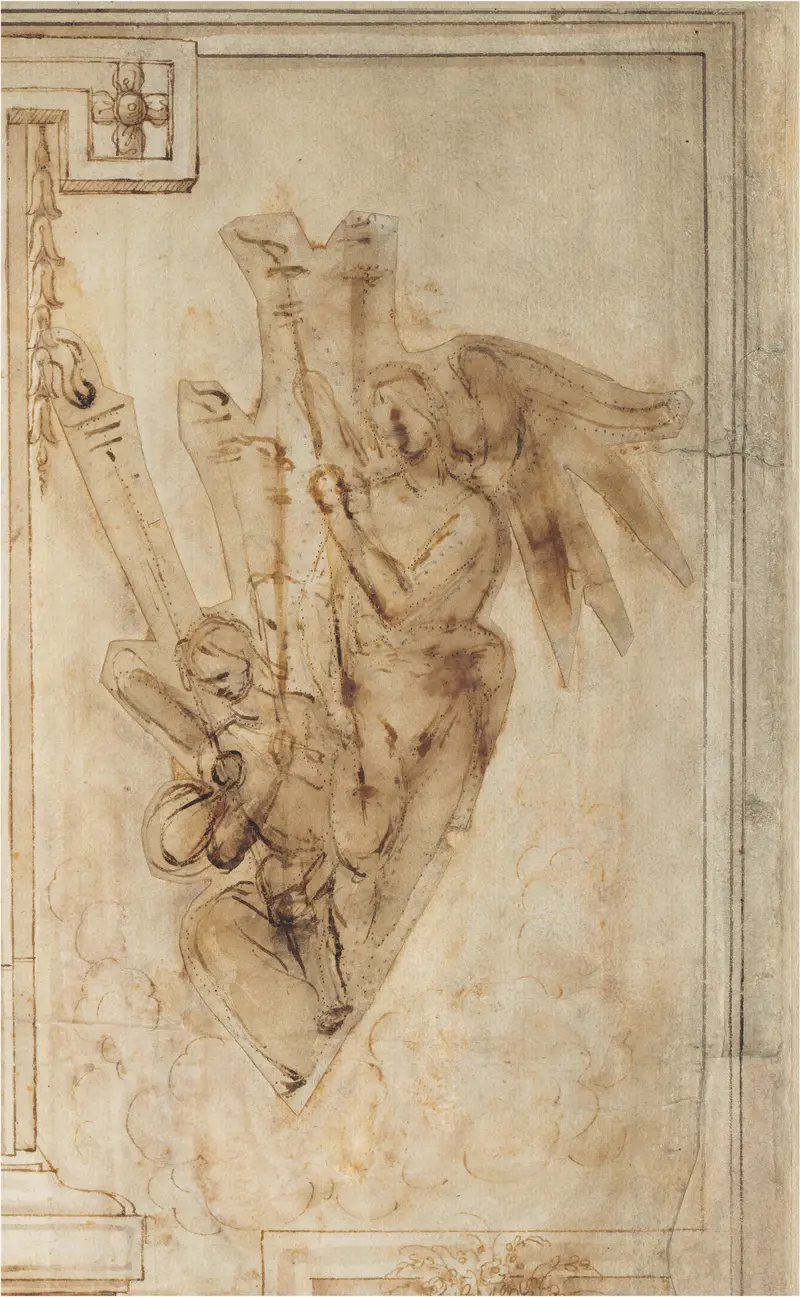
Two Angels Carrying Torches
Filippino Lippi
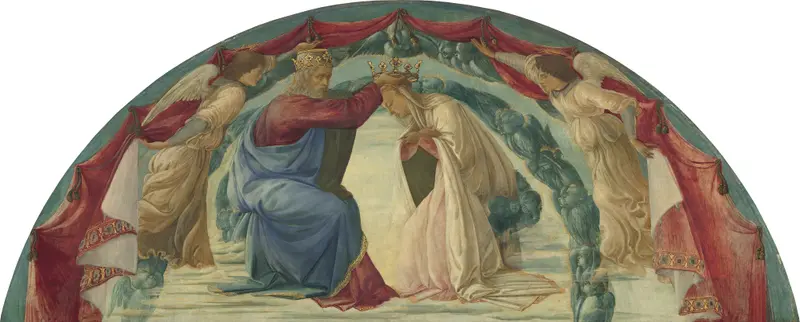
The Coronation of the Virgin
Filippino Lippi





