
Christ on the Cross — History & Facts
When Christ on the Cross by Filippino Lippi entered scholarly discussion, it was not for a documented commission or a famous patron, but for the puzzle of its attribution. For many years, works like this one were sometimes confused with those of Filippino's father, Fra Filippo Lippi, due to their shared workshop and overlapping styles. Only careful study of the figures’ elongated forms and the expressive, almost restless emotion in the faces led experts to assign this painting to the younger Lippi.
The lack of a known date or original location adds to the mystery, making each brushstroke a clue in the ongoing detective story of Renaissance art. Lippi’s scene captures the moment of Christ’s crucifixion, a subject painted countless times but here given a particular emotional charge. Christ’s body, nailed to the cross, is rendered with a delicate tension—his head bows in resignation, while his arms stretch taut, emphasizing both suffering and sacrifice. At the foot of the cross, the Virgin Mary collapses in grief, supported by Saint John, their gestures echoing the agony above.
The landscape behind is sparse, drawing the eye to the drama in the foreground. Compared to Masaccio’s monumental calm in his own depictions of the Crucifixion, Filippino Lippi’s figures seem more fragile, their sorrow more intimate and immediate. The painting’s journey is largely undocumented, typical for many devotional works of the late 15th century, which often moved quietly from chapel to chapel or private home. It is likely that Christ on the Cross was created for private devotion, a common practice in Florence during Filippino Lippi’s career.
While its provenance remains uncertain, the painting’s style places it firmly in the later years of the artist’s life, when he had moved beyond his father’s influence and developed a distinct, more emotionally charged approach. Today, works like this one are prized for their ability to bridge the spiritual intensity of the early Renaissance with the psychological depth that would define later Florentine painting.
More Artworks by Filippino Lippi

Portrait of a Youth
Filippino Lippi
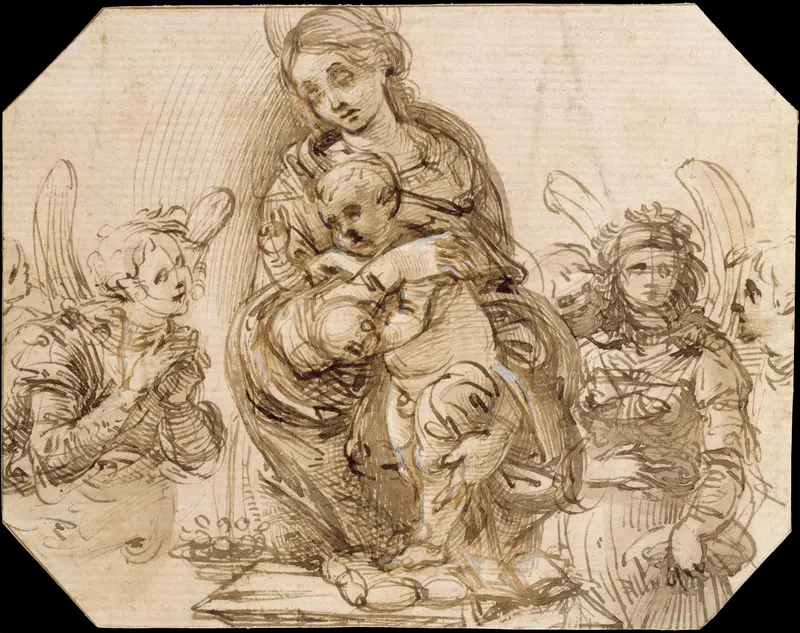
Virgin and Child Attended by Angels
Filippino Lippi
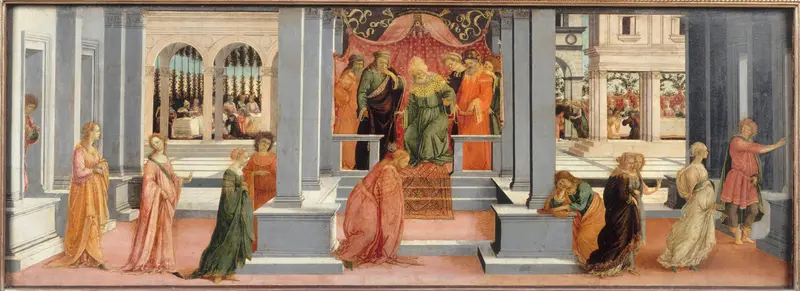
Esther choisie par Assuérus
Filippino Lippi
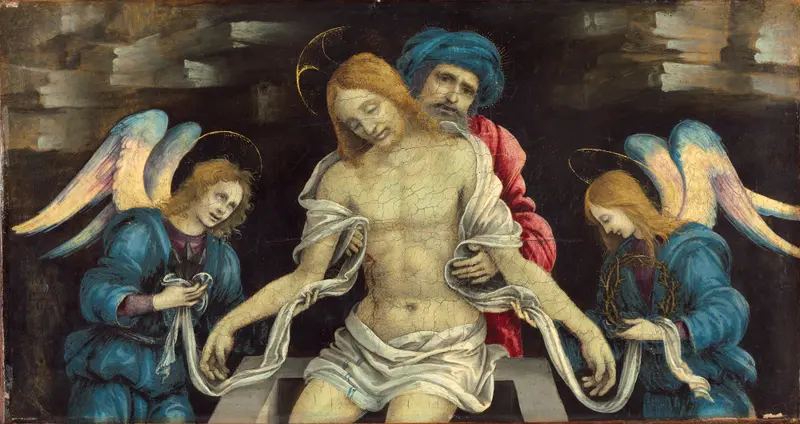
Pietà (The Dead Christ Mourned by Nicodemus and Two Angels)
Filippino Lippi
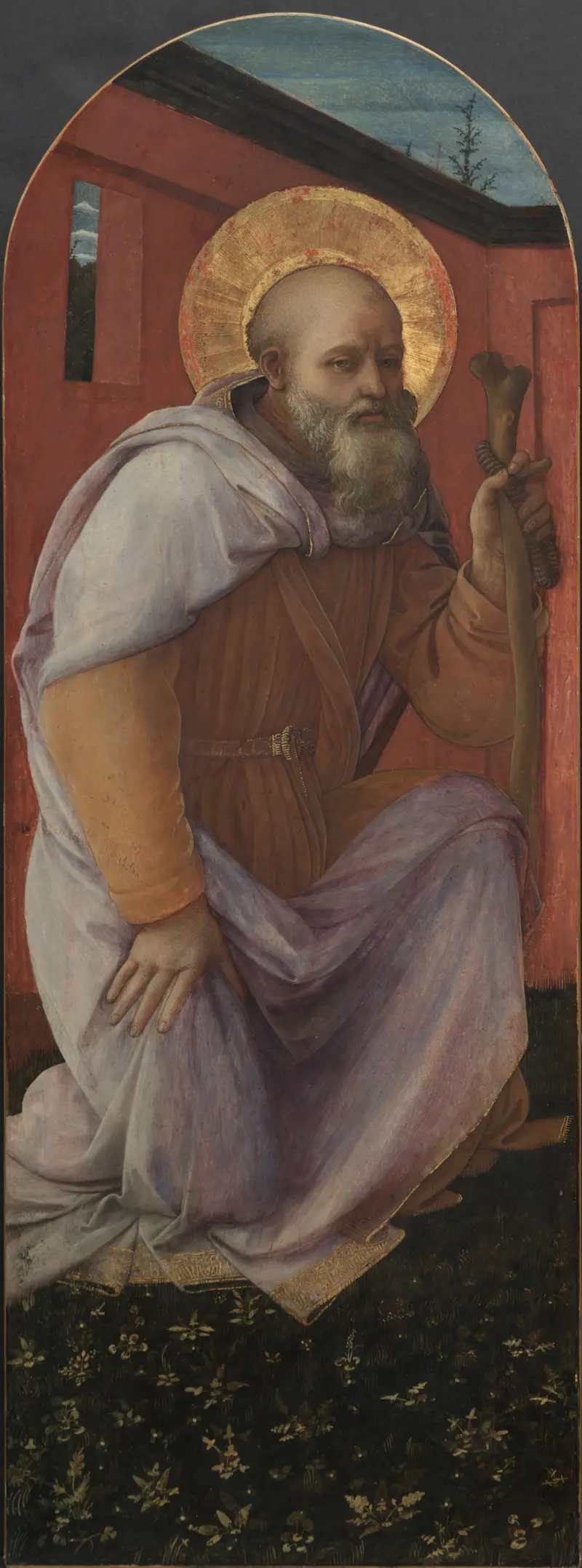
St. Anthony Abbot
Filippino Lippi
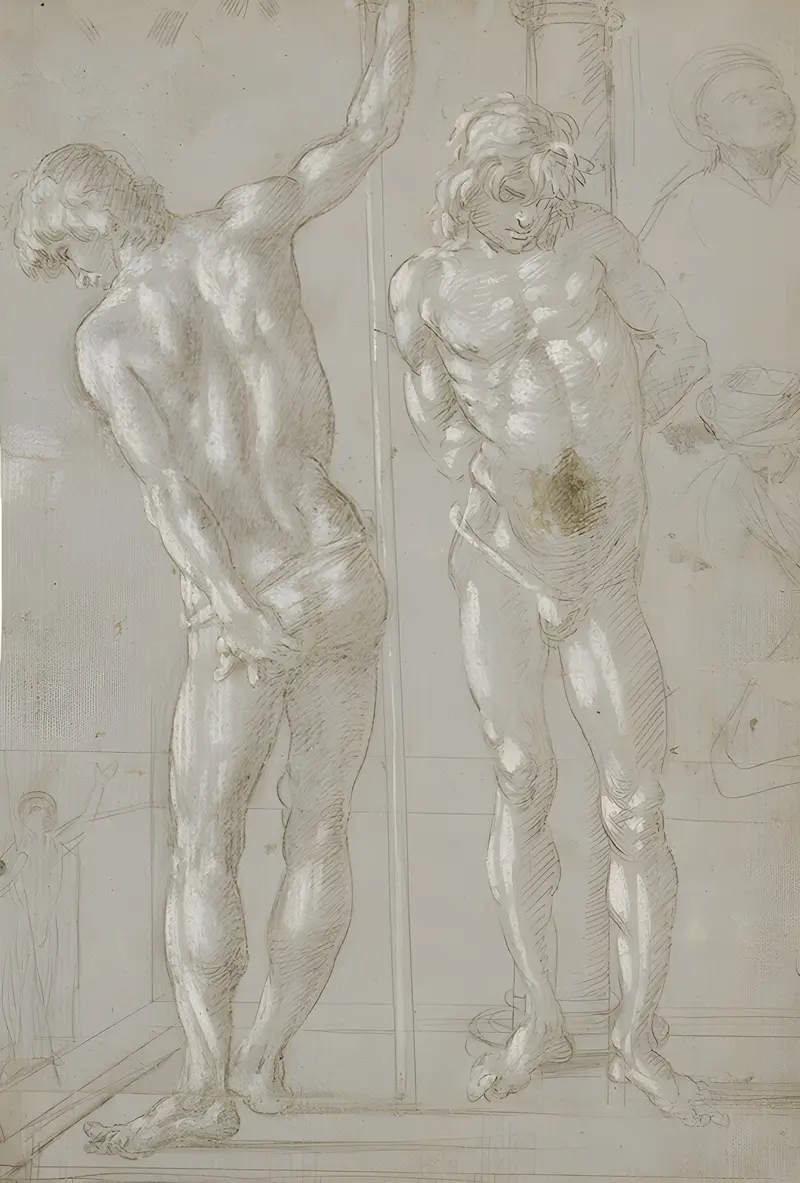
Studies of Christ at the Column, a Nude from Behind, and Various Figures
Filippino Lippi
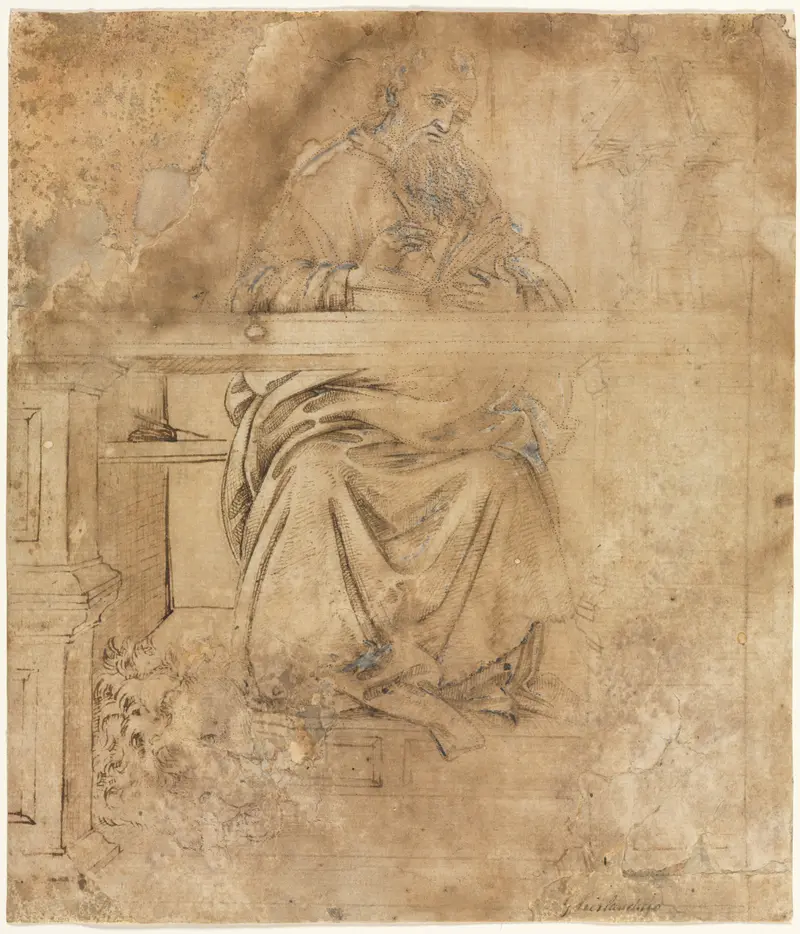
St. Jerome in His Study
Filippino Lippi
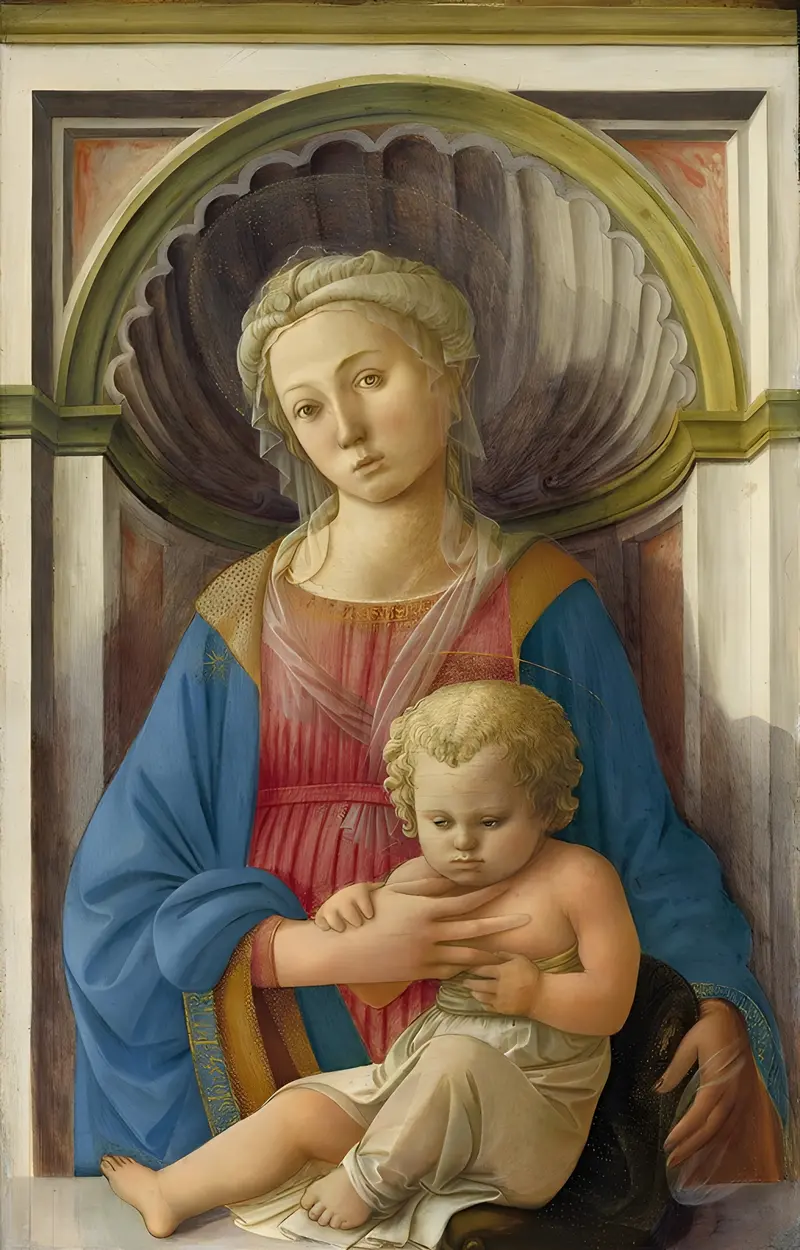
Madonna and Child
Filippino Lippi
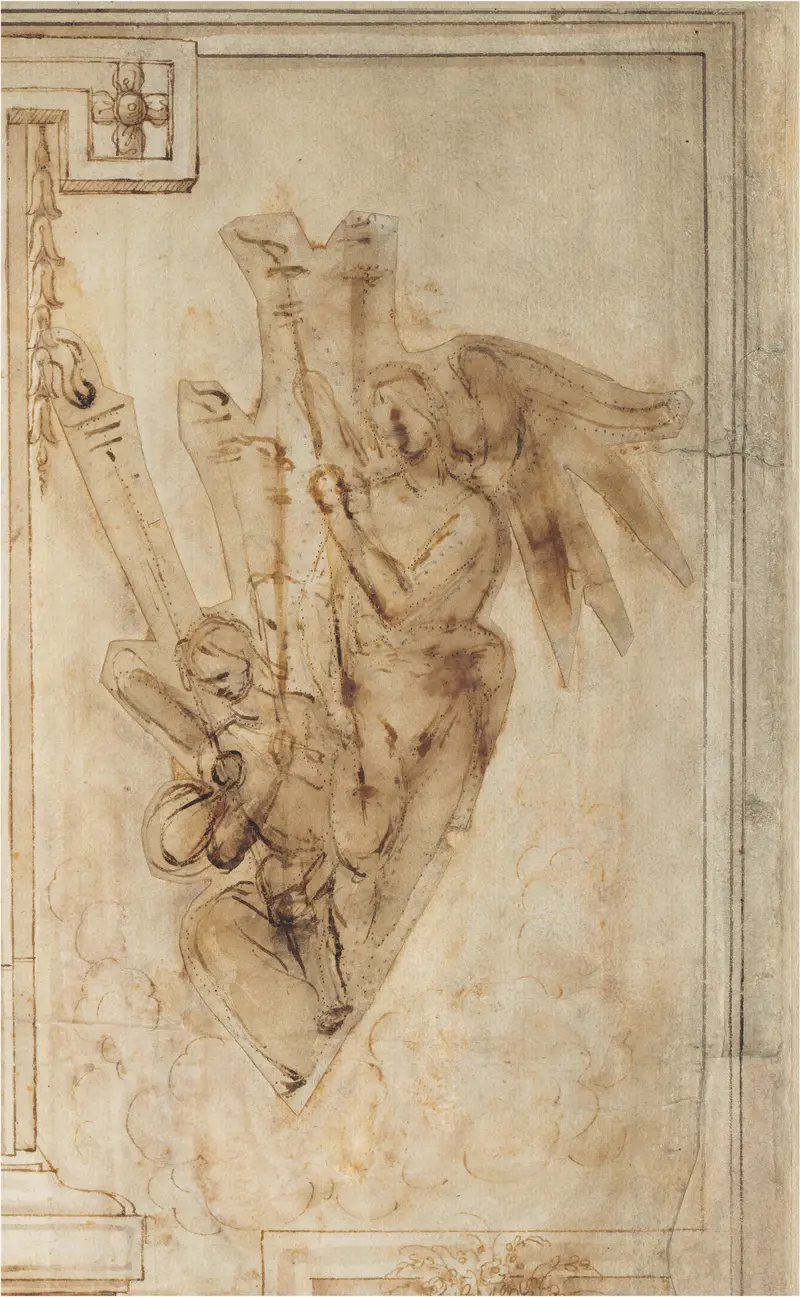
Two Angels Carrying Torches
Filippino Lippi
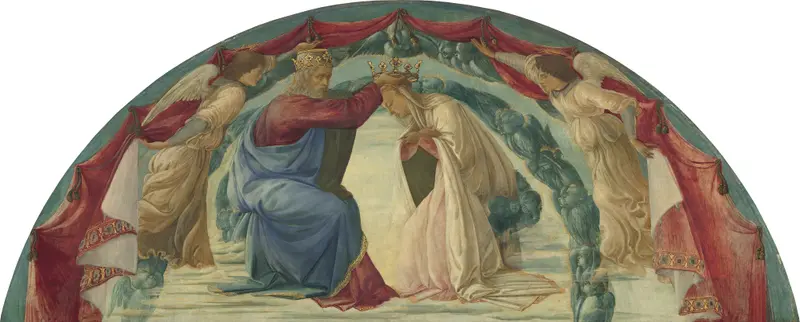
The Coronation of the Virgin
Filippino Lippi





