
Adoration of the Shepherds — History & Facts
When Jean-Honoré Fragonard turned his attention to religious subjects in the mid-1770s, it surprised many who knew him for his exuberant scenes of love and leisure. Adoration of the Shepherds, painted in 1775, stands out as a rare venture into sacred narrative by an artist more often associated with the playful spirit of the Rococo. While the exact patron of this work remains unknown, scholars have long noted how Fragonard’s approach here diverges from the formal piety of his contemporaries, instead infusing the scene with the warmth and intimacy that characterize his secular compositions. The painting captures the moment the humble shepherds arrive at the stable in Bethlehem, gazing in awe at the newborn Christ.
Fragonard chooses the instant when rough hands, clutching simple gifts, reach hesitantly toward the manger, while Mary, illuminated by a soft, golden light, looks on with gentle pride. The animals crowd close, their presence emphasizing the earthiness of the setting. Fragonard’s loose, energetic brushwork animates the figures, lending a sense of immediacy and movement that contrasts with the more restrained treatment in works like Adoration of the Shepherds by Georges de La Tour, whose shepherds are stilled in silent contemplation.
Here, the light does not merely reveal; it seems to spill from the Christ child himself, drawing every gaze and gesture toward the center. The subsequent history of Adoration of the Shepherds is less well documented than that of Fragonard’s celebrated genre scenes. Its medium remains uncertain, and there is little record of its early ownership or exhibition, suggesting it may have been a private devotional piece or part of a smaller commission. Today, the painting is valued as an unusual example of Fragonard’s engagement with religious themes, offering a glimpse of how the artist’s quicksilver brush could adapt to sacred storytelling.
It stands as a testament to his versatility in the waning years of the Rococo, just before the tides of taste would turn toward the austerity of Neoclassicism.
More Artworks by Jean-Honoré Fragonard
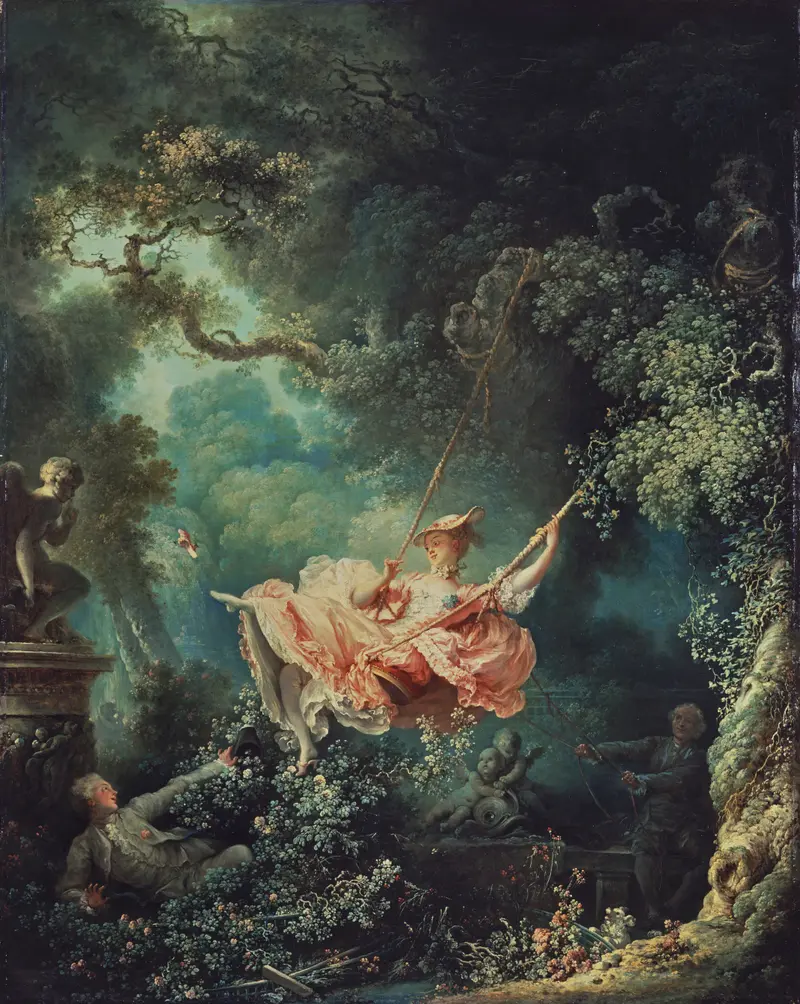
The Swing
Jean-Honoré Fragonard

The Swing
Jean-Honoré Fragonard
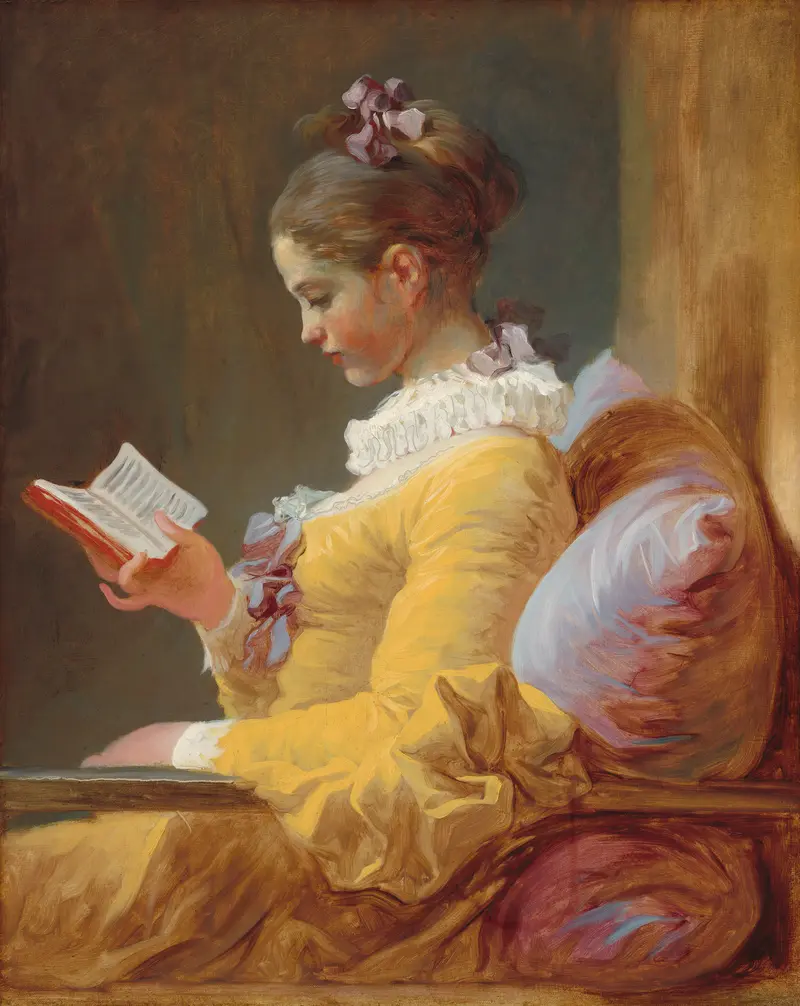
A Young Girl Reading
Jean-Honoré Fragonard
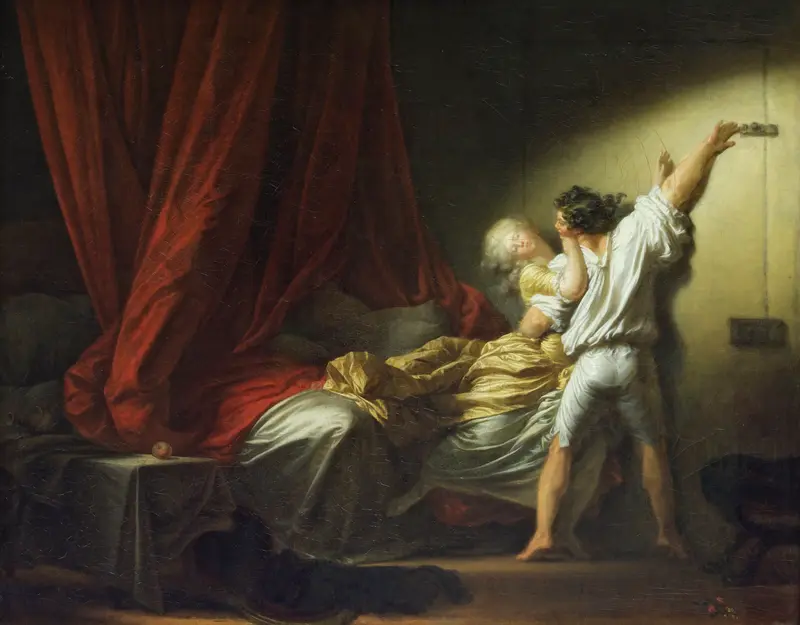
The Lock
Jean-Honoré Fragonard
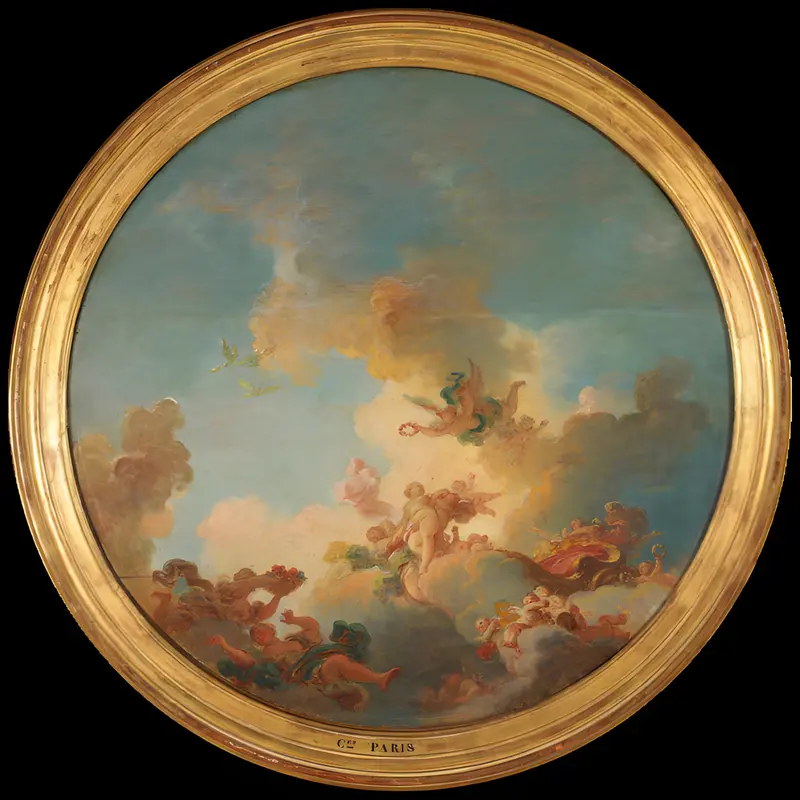
The Triumph of Venus
Jean-Honoré Fragonard
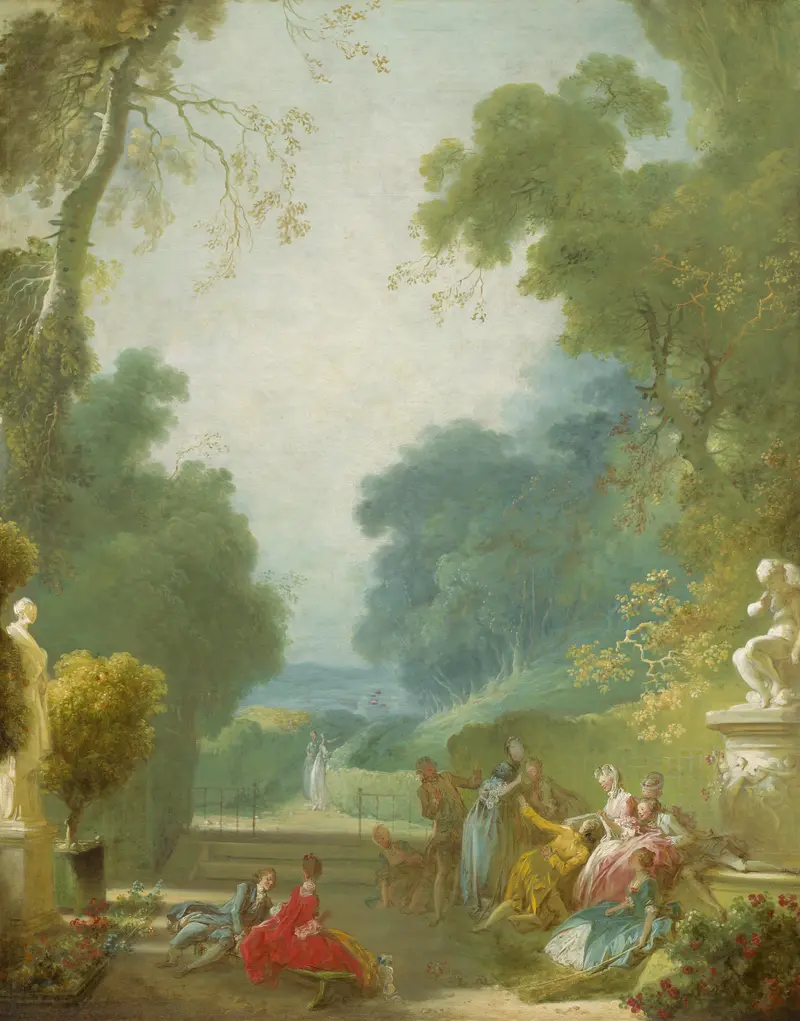
A Game of Hot Cockles
Jean-Honoré Fragonard
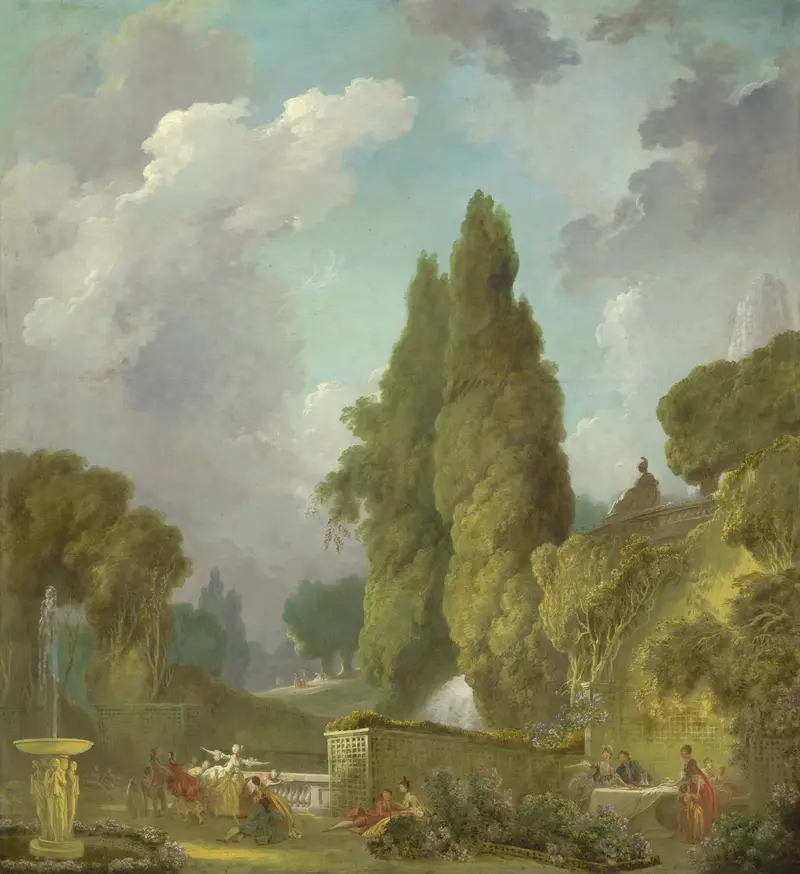
Blindman’s Buff
Jean-Honoré Fragonard
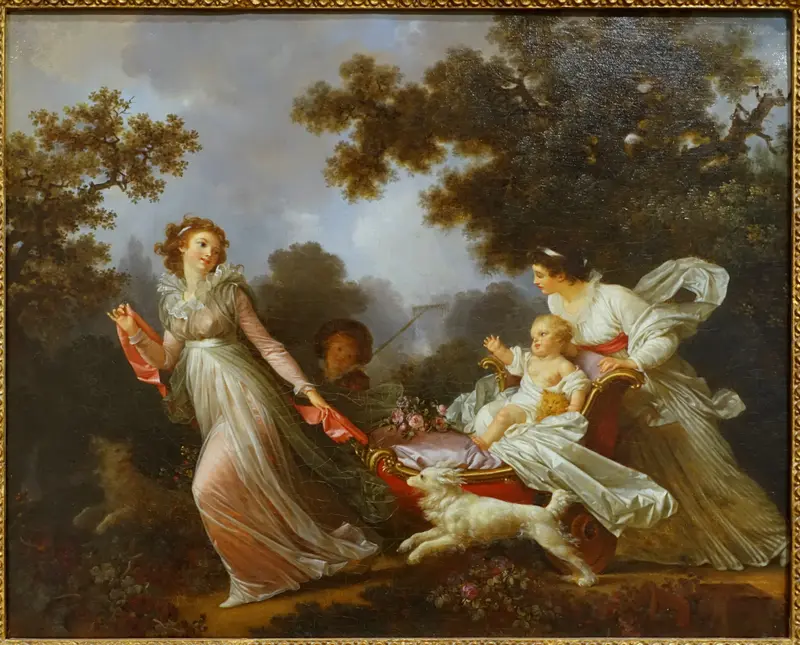
The Beloved Child
Jean-Honoré Fragonard
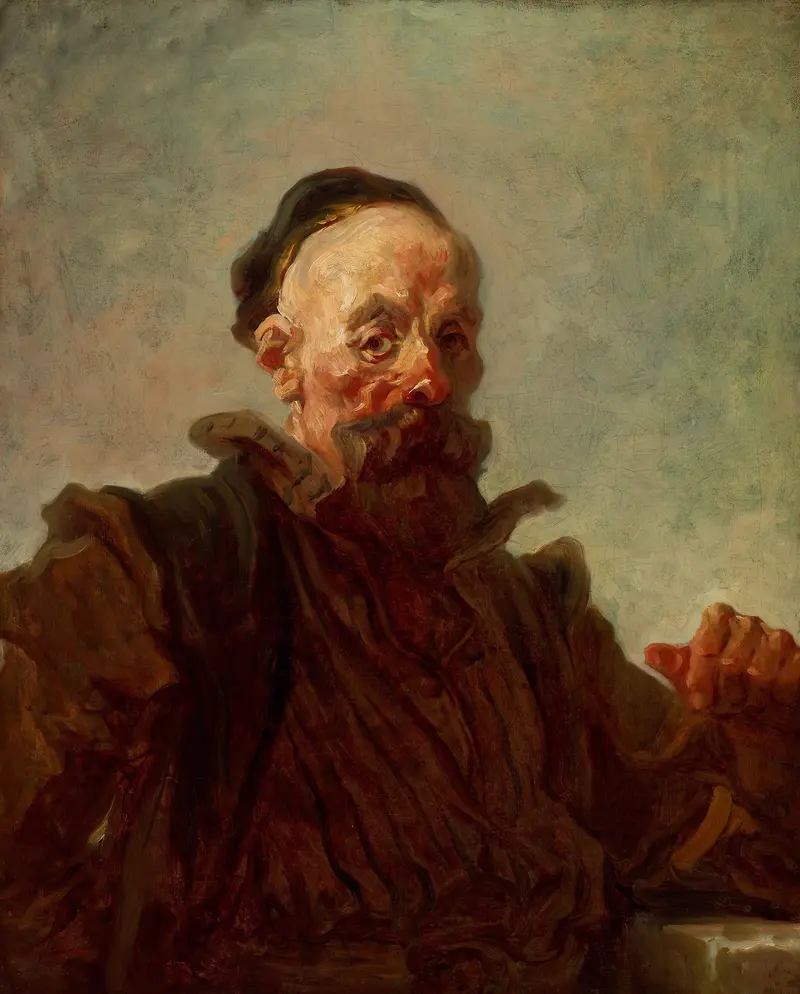
Portrait of a Man in Costume
Jean-Honoré Fragonard
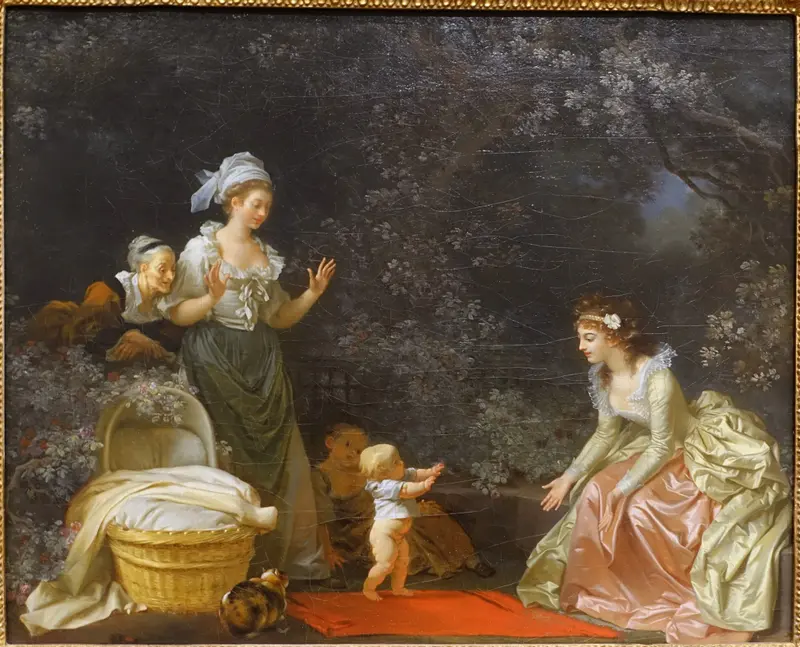
The First Steps
Jean-Honoré Fragonard





