
Adres van de drukker — History & Facts
Can paint confess what words never could? In Adres van de drukker, the artist encapsulates a moment steeped in nostalgia, where the quiet hum of the past lingers in each brushstroke, whispering secrets long forgotten. Look to the center of the canvas, where a figure in scholarly garb stands atop a platform, illuminated by a soft, ethereal light. The colors are muted yet rich, with deep browns and golds enveloping the scene, creating an intimate atmosphere. The meticulously rendered details of the printing press behind him invite our gaze, drawing us into the world of knowledge and creation.
Notice how the light falls upon the open book in his hand, highlighting the promise of enlightenment amidst the shadows of the workshop. There exists a palpable tension between the written word and the act of creation. The figure seems both a guardian of knowledge and a harbinger of change, embodying the transformative power of the printed text. In the background, the shadows suggest a multitude of voices eager to break through the silence, hinting at the societal shifts brewing with the rise of literacy.
This juxtaposition of light and dark, knowledge and ignorance, creates a charged atmosphere and evokes a longing for a time when wisdom was safeguarded yet shared. Jacob Cornelisz van Oostsanen painted Adres van de drukker in 1520 in the Netherlands, a time marked by the burgeoning influence of the Renaissance and the spread of humanist thought. As Europe was on the cusp of significant change due to the printing revolution, the artist was deeply engaged in exploring themes of knowledge and spirituality through his work. This piece captures not only the technical advancements of the era but also a reflective moment in which art and intellect began to intertwine more profoundly.
More Artworks by Jacob Cornelisz van Oostsanen
Browse all →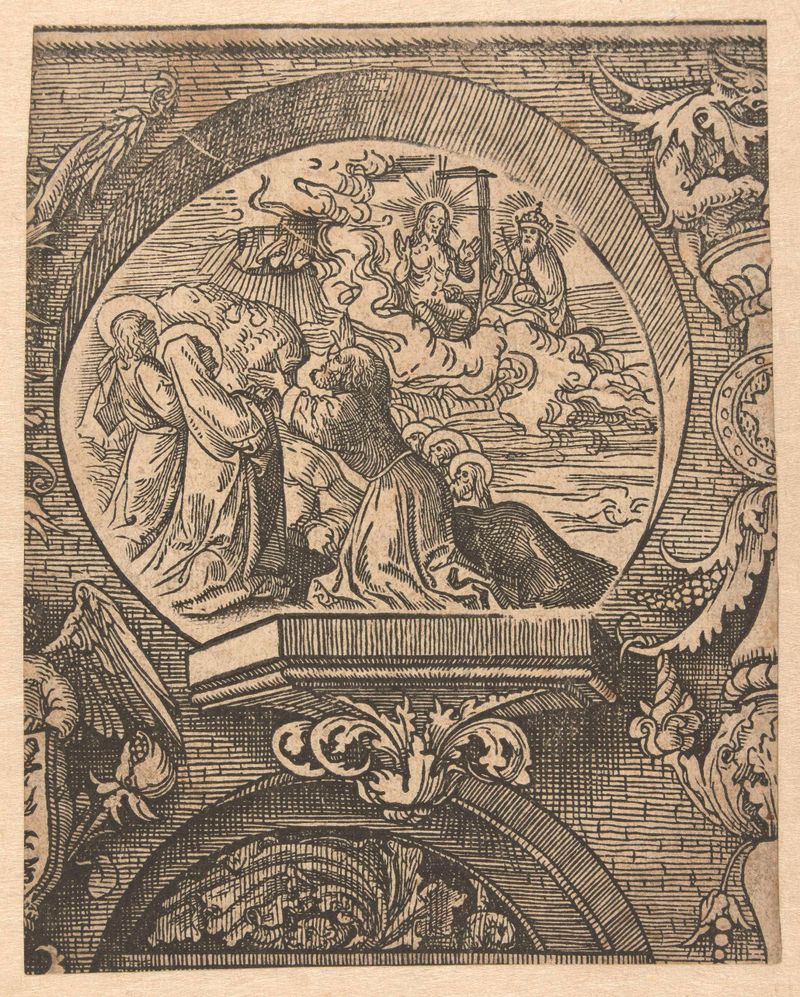
De hemelvaart en Christus voor God de Vader
Jacob Cornelisz van Oostsanen
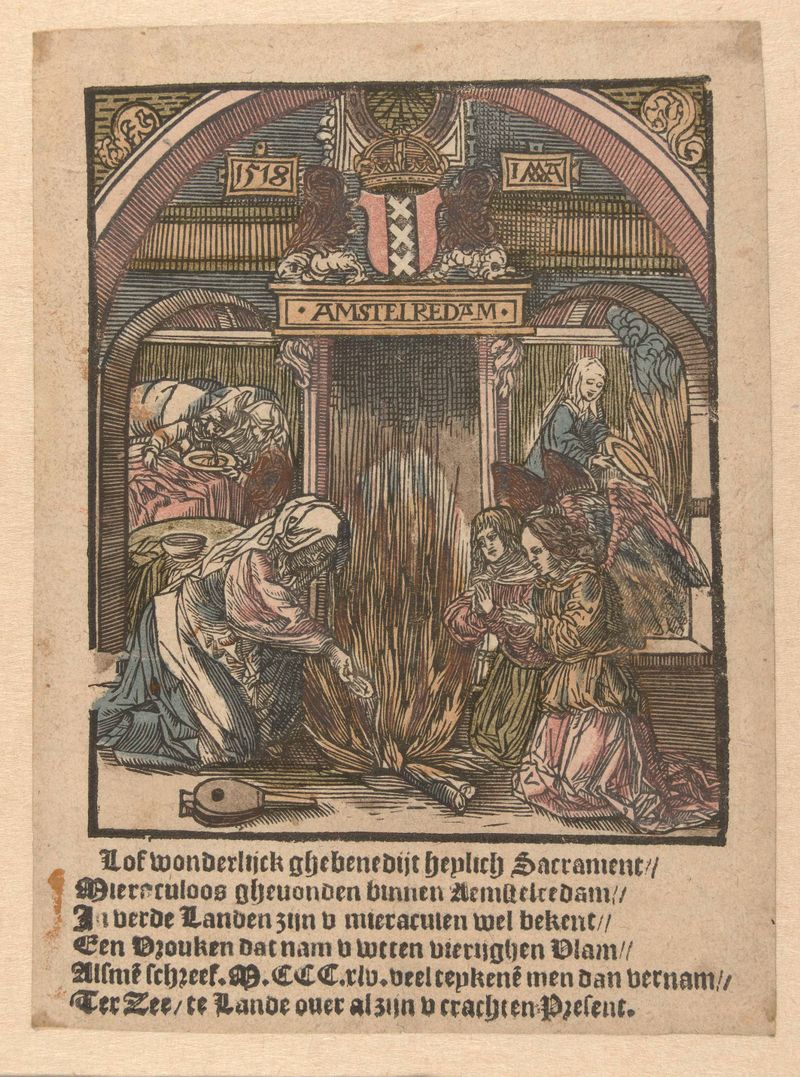
Het hostiewonder van Amsterdam
Jacob Cornelisz van Oostsanen
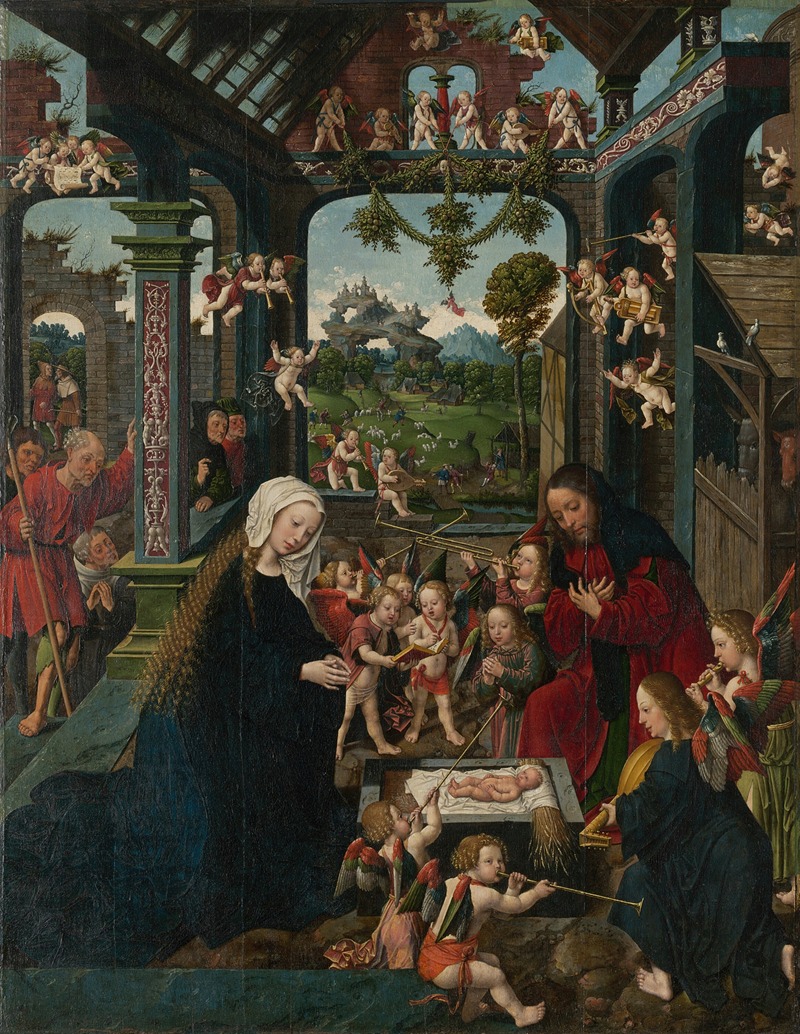
The Adoration of the Christ Child
Jacob Cornelisz van Oostsanen
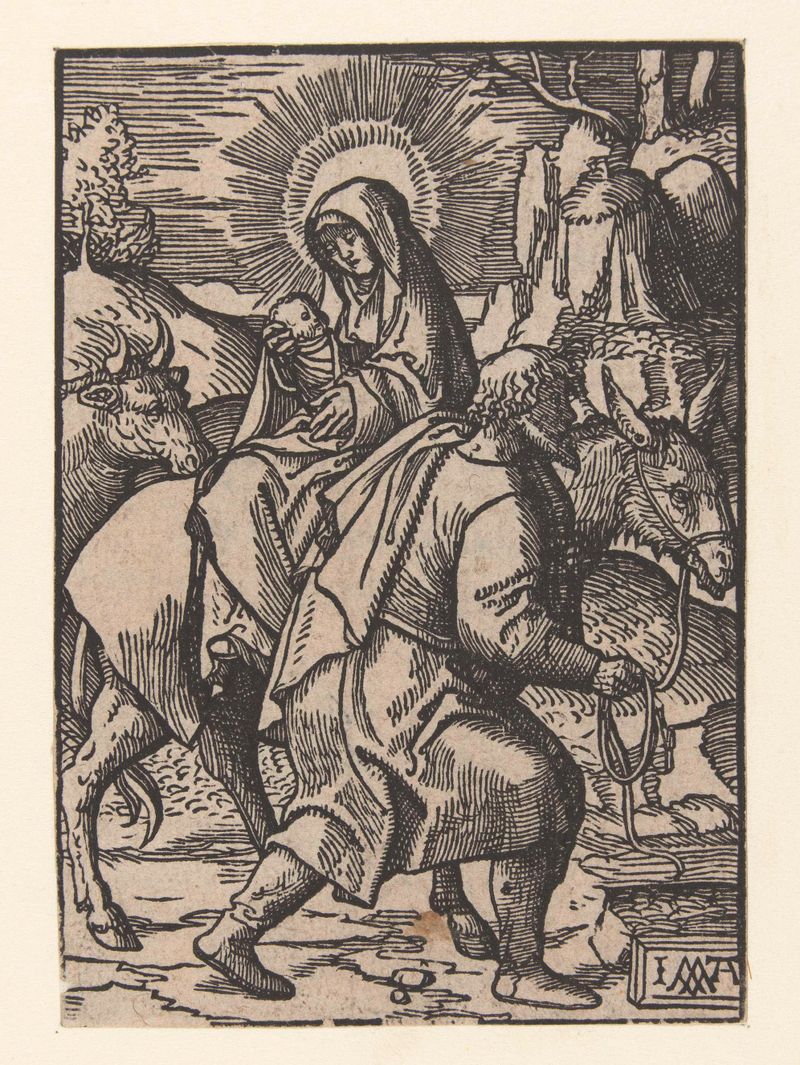
Vlucht naar Egypte
Jacob Cornelisz van Oostsanen
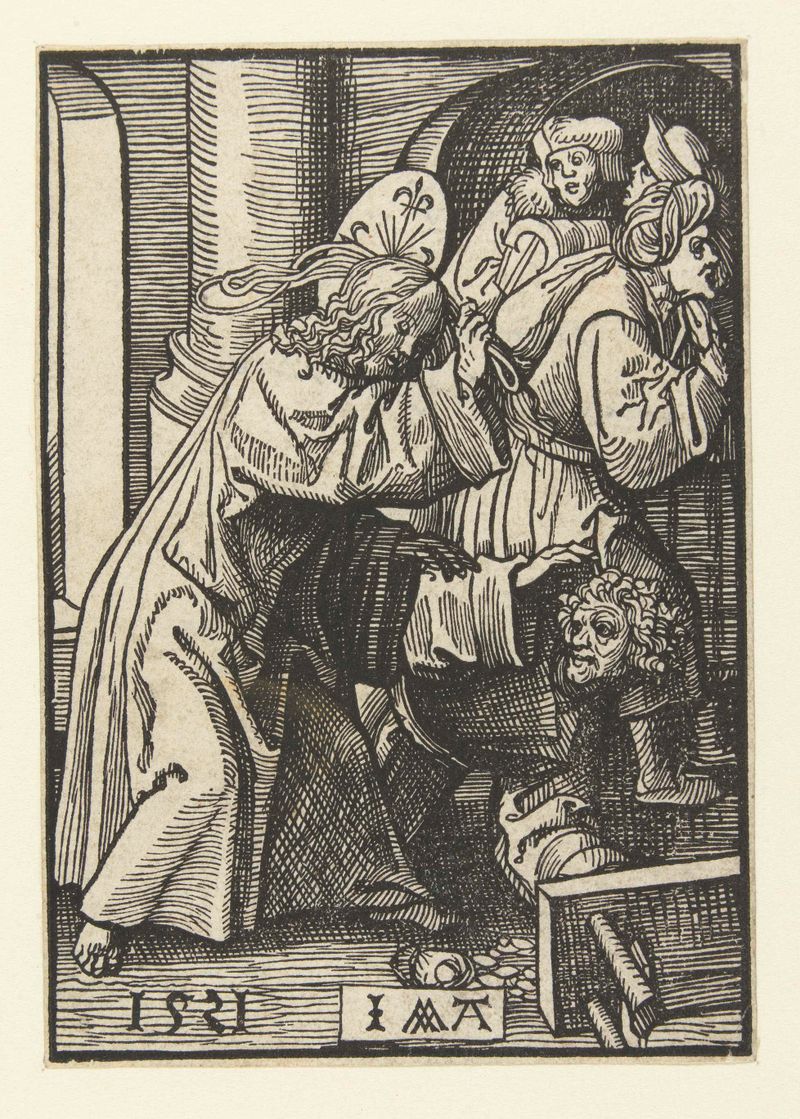
Verdrijving van de handelaren uit de tempel
Jacob Cornelisz van Oostsanen
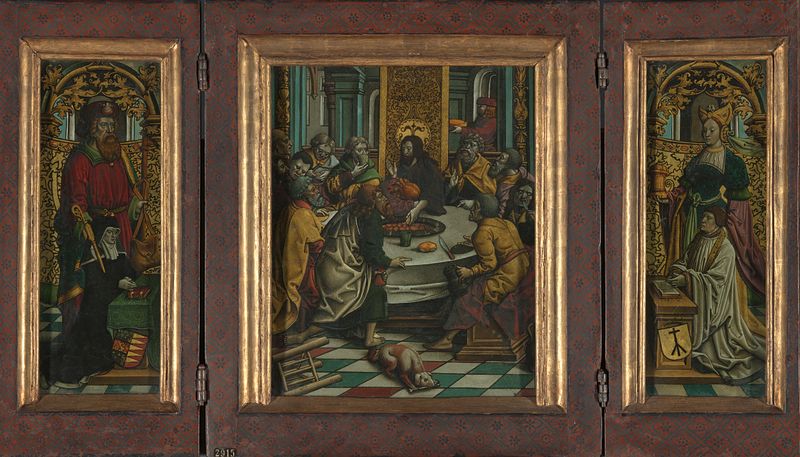
Triptych with the Last Supper and Donors
Jacob Cornelisz van Oostsanen
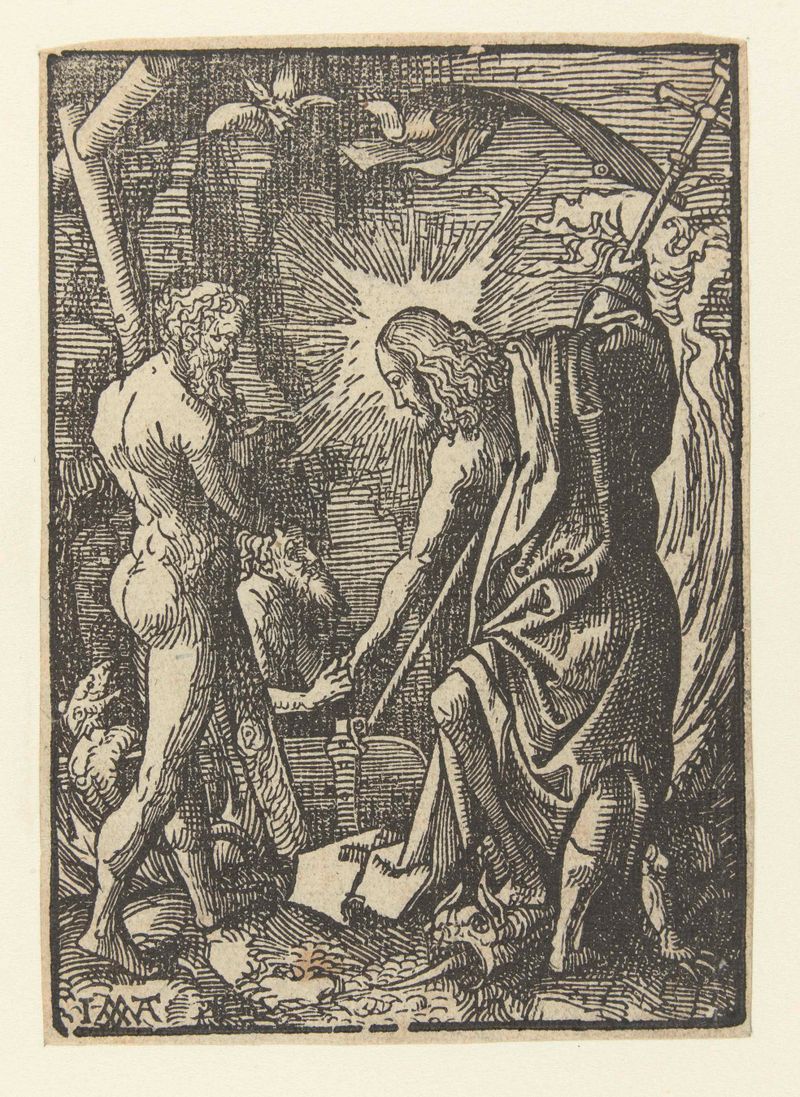
Christus in het voorgeborchte
Jacob Cornelisz van Oostsanen
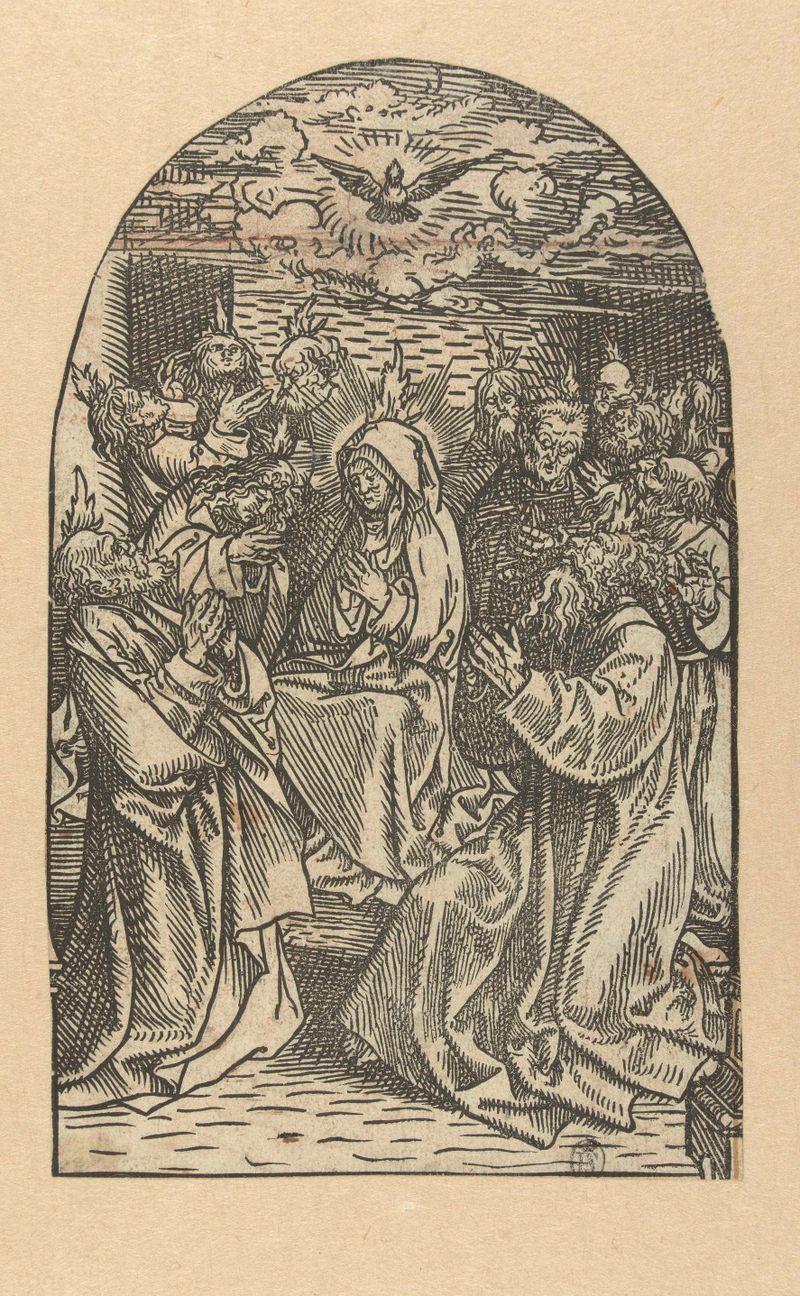
Uitstorting van de Heilige Geest
Jacob Cornelisz van Oostsanen
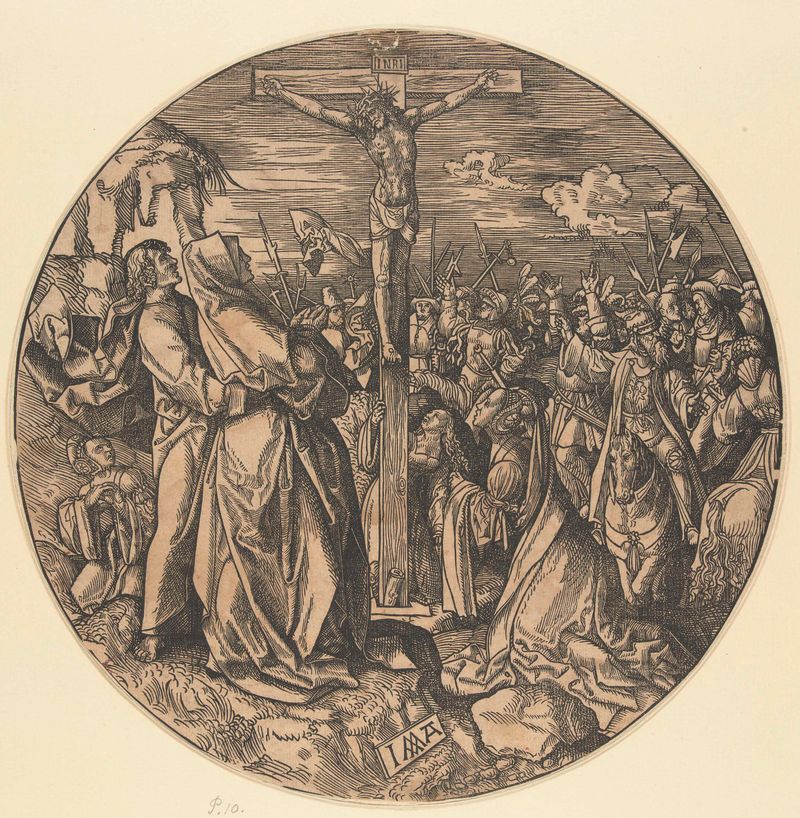
Christus aan het kruis
Jacob Cornelisz van Oostsanen

De kruisiging en de graflegging van Christus
Jacob Cornelisz van Oostsanen
More Historical Art
Browse all →
The Night Watch Militia Company of District II under the Command of Captain Frans Banninck Cocq
Rembrandt van Rijn

Lincoln Memorial
Henry Bacon

The Third of May 1808
Francisco de Goya

Isaac and Rebecca, Known as ‘The Jewish Bride’
Rembrandt van Rijn

The Charge of the Mamelukes (1814)
Francisco de Goya

De vier ruiters van de apocalyps
Albrecht Dürer