
Adult Funeral Procession — History & Facts
A somber procession winds its way through the muted streets, an air of solemnity palpable in every bowed head. The drab hues of mourning attire cast a long shadow over the gathered crowd, while the stark brightness of daylight reveals the fragility of life. Each figure moves with a heavy deliberation, their expressions a tapestry of grief and respect, as though the weight of shared sorrow binds them together. Look to the left, where the stark contrast of black attire against the washed-out scenery draws your eye.
The artist employs a muted palette, allowing the interplay of light and shadow to evoke a heavy atmosphere that envelops the mourners. Notice the gestural dynamics at play—hands clasped tightly, shoulders hunched—as they march toward the horizon, where the distant church steeple stands, a silent witness to life’s inevitable end. Delve deeper into the emotional correlations embedded in the piece; the procession symbolizes not just loss, but communal connection in the face of mortality. The subtle variations in color hint at the complexity of grief—each shade of black, gray, and white represents a unique response to death.
Furthermore, the sparse details of the landscape contrast with the richness of human emotion, underscoring the idea that the profound moments of life often unfold against a stark backdrop. In the 1870s, when this work was created, the artist found himself amidst a rapidly changing society, one increasingly fascinated with themes of mortality and memory. Chappel, influenced by the social currents and artistic movements of his time, captured the essence of communal grief as Victorian society grappled with its relationship to death and remembrance. The painting stands as a visual testament to the era’s exploration of human fragility within the intricate tapestry of life.
More Artworks by William P. Chappel
Browse all →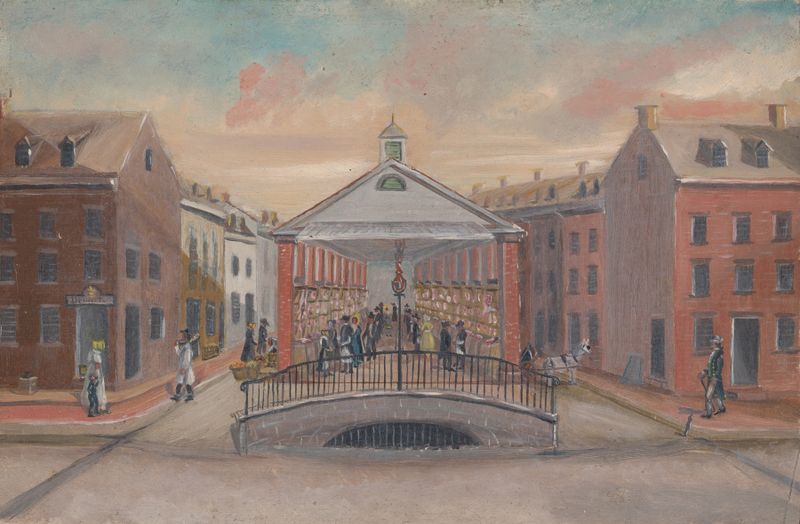
Fly Market
William P. Chappel
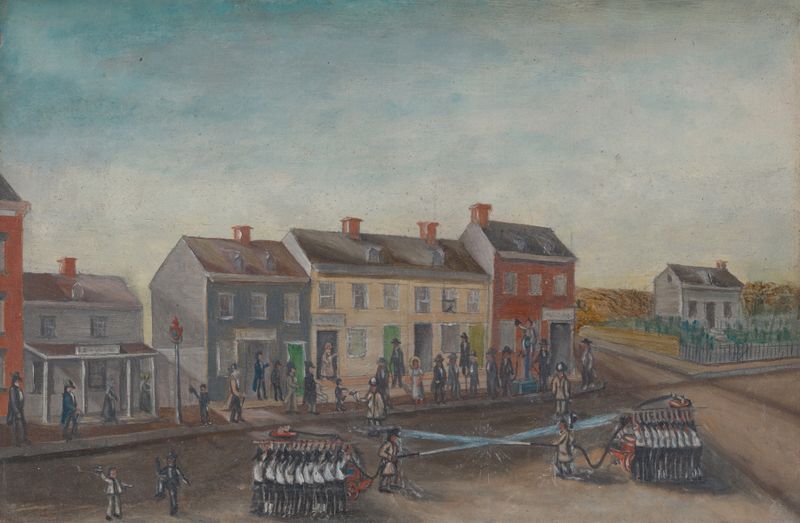
Firemen’s Washing Day
William P. Chappel
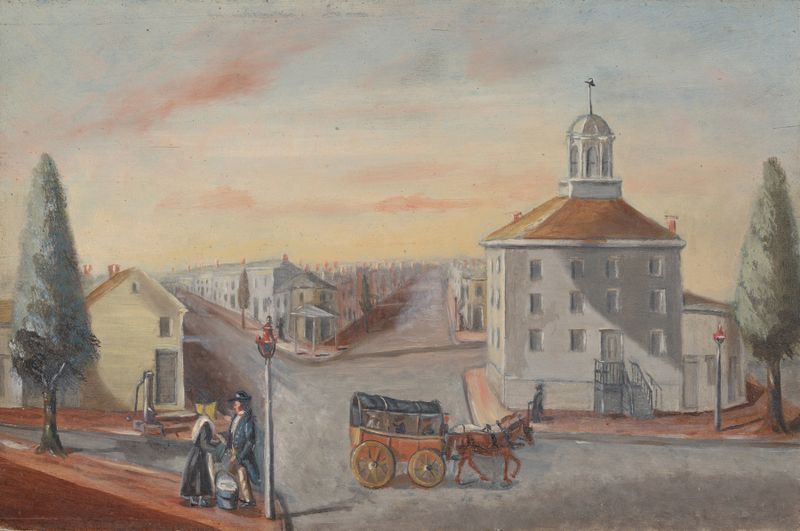
Hot Corn Seller
William P. Chappel
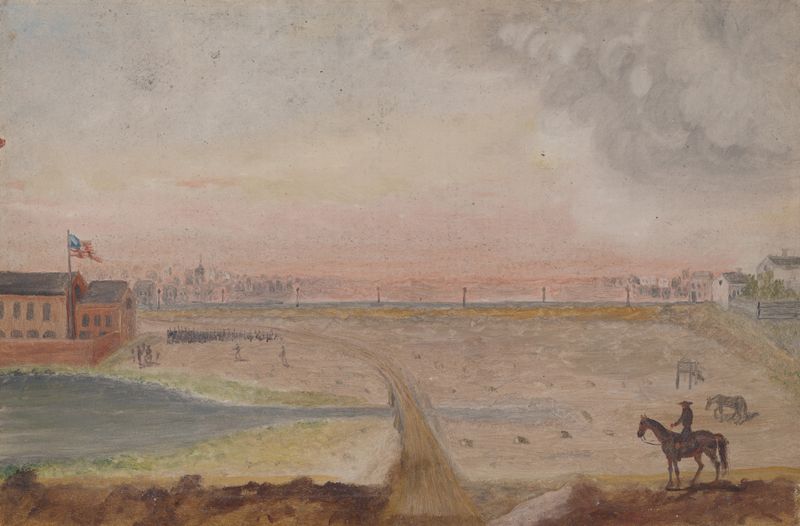
Militia Drilling
William P. Chappel
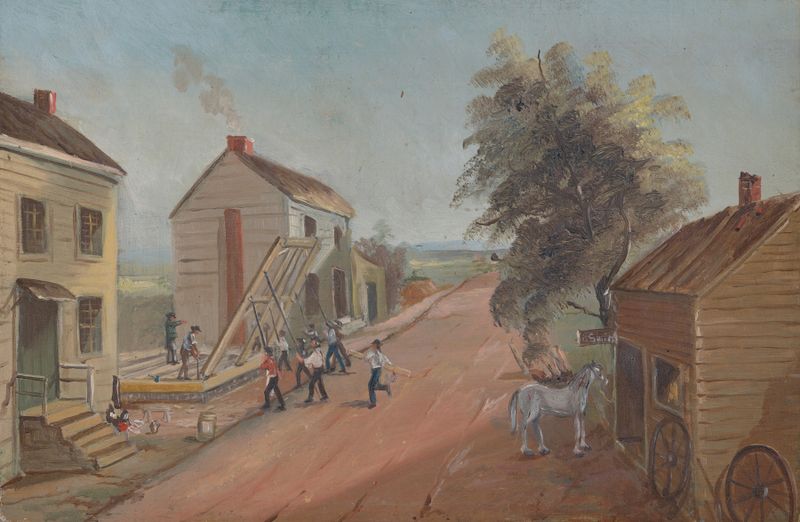
House Raising
William P. Chappel
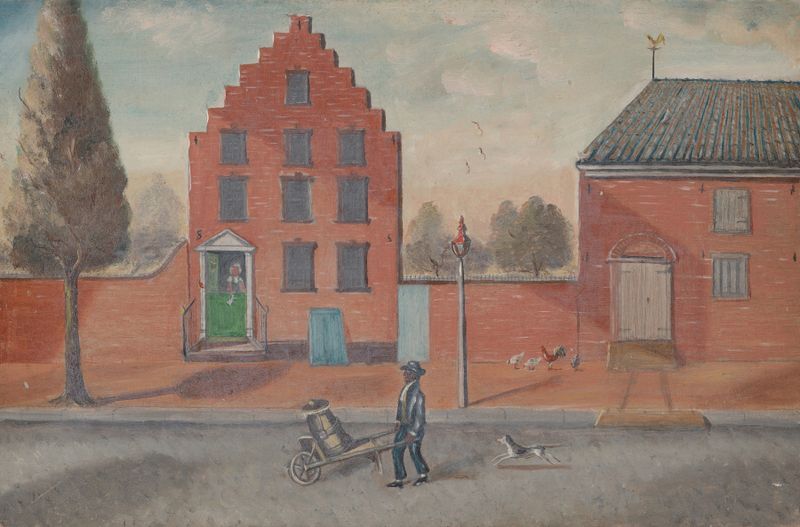
Buttermilk Pedlar
William P. Chappel
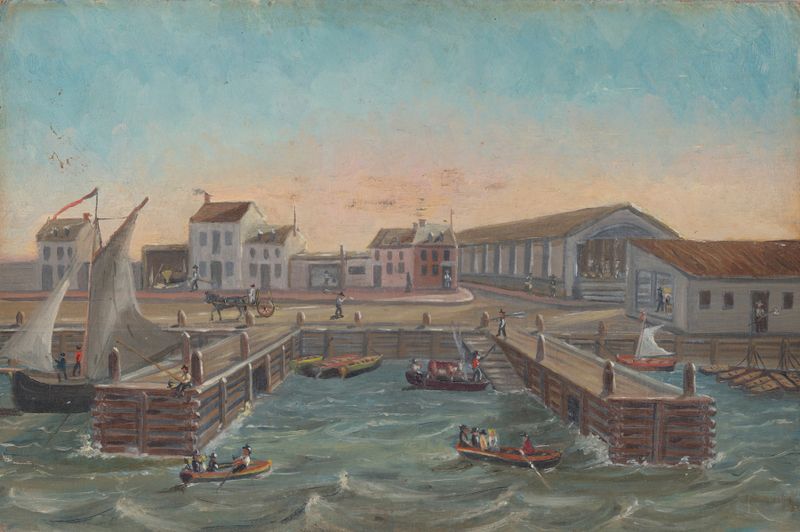
Old Ferry Stairs
William P. Chappel
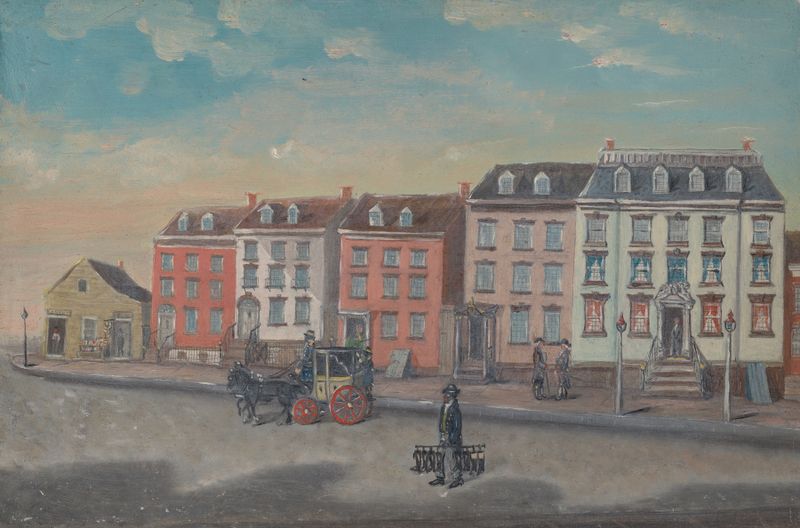
The Boot Black
William P. Chappel
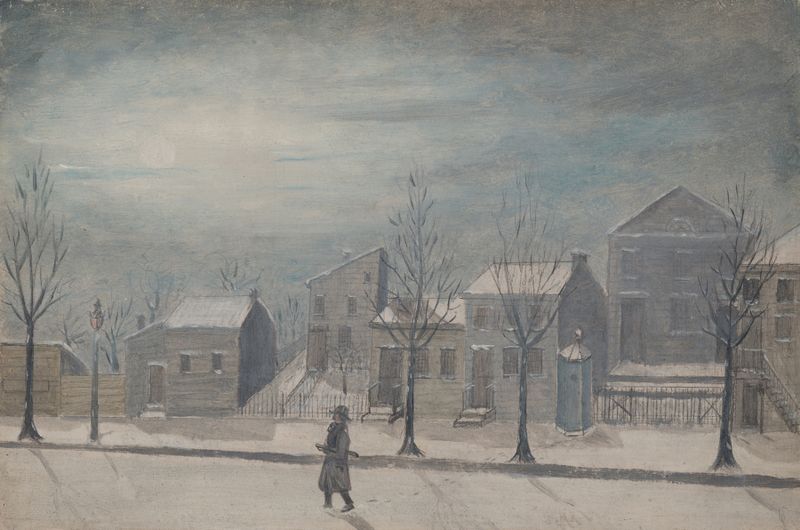
City Watchman
William P. Chappel
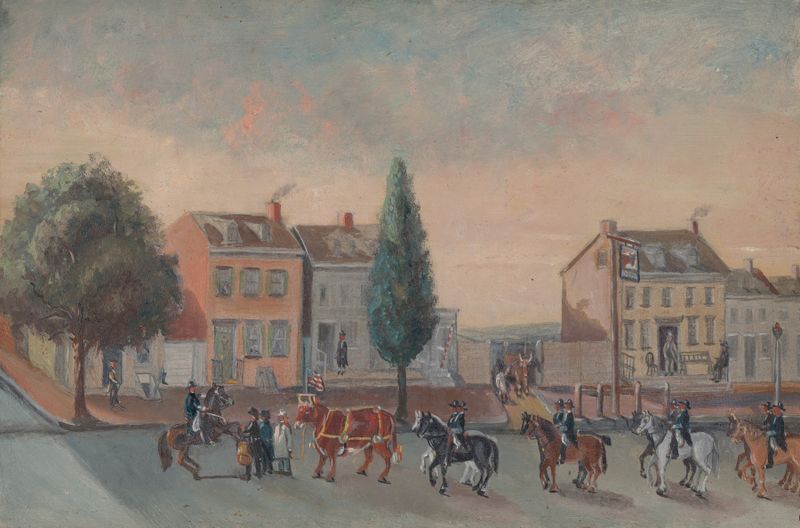
Bull’s Head Tavern
William P. Chappel





