
Albrecht Bouts Tête du Christ couronné d'épines MBA Dijon — History & Facts
What draws the eye first in Tête du Christ couronné d'épines MBA Dijon is the unflinching directness of Christ’s gaze—at once resigned and searching, as if inviting the viewer into the solitude of his suffering. The crown of thorns presses deep into the flesh, each thorn rendered with a precision that makes the pain almost tangible. Blood and tears mingle, tracing paths down the pale, luminous skin, their slow descent emphasizing the silent endurance of the figure.
The artist uses a dark, almost featureless background to isolate the head, forcing every attention onto the face and the story it tells: not the violence itself, but the aftermath, the moment when all that is left is to endure. Works like this, produced in the late fifteenth and early sixteenth centuries in the Low Countries, were often intended for private devotion. The intimacy of the close-up, the meticulous detail, and the emotional clarity all speak to a world where such images served as focal points for prayer and meditation, helping the faithful to contemplate Christ’s humanity and suffering. While little is recorded about this specific painting beyond its presence on Flickr from the collection of jean louis mazieres, its type is well known: these devotional heads, attributed to artists like Aelbert Bouts, were prized for their ability to bring the sacred close, to make the mysteries of faith immediate and personal.
The longer one looks, the more the painted tears seem to echo the silent prayers of those who once knelt before it.
More Artworks by Aelbert Bouts
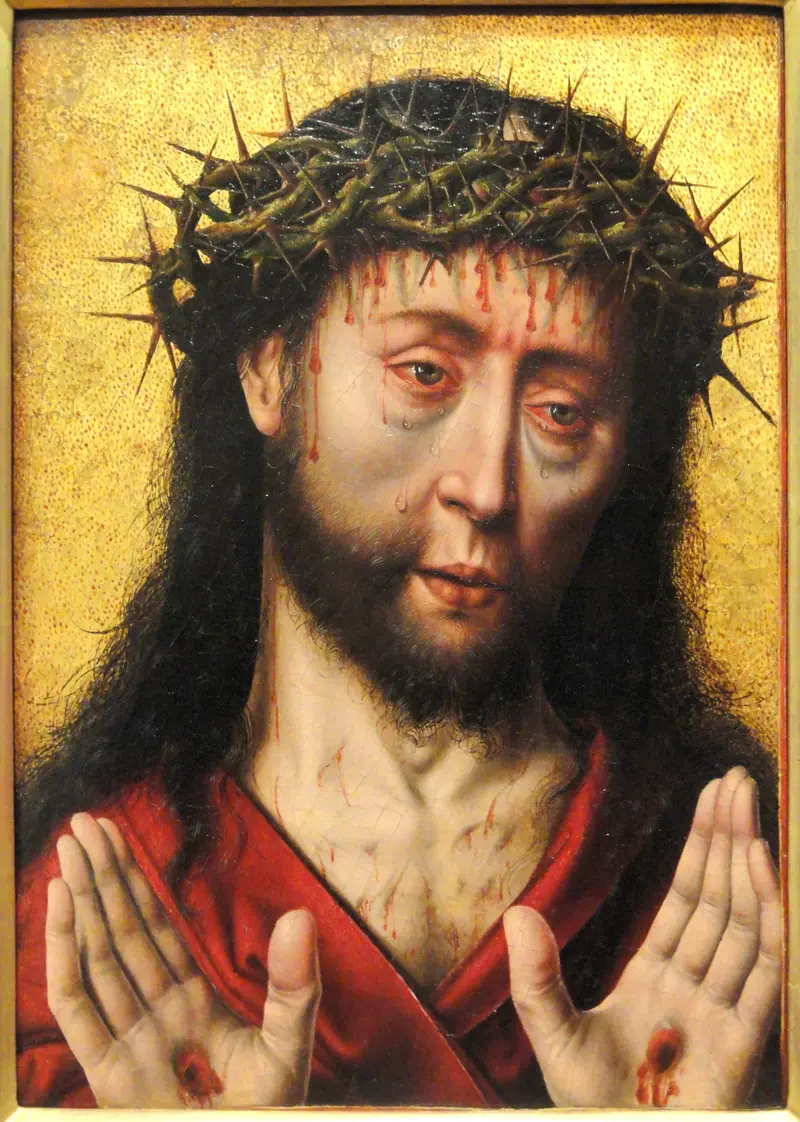
The Man of Sorrows
Aelbert Bouts
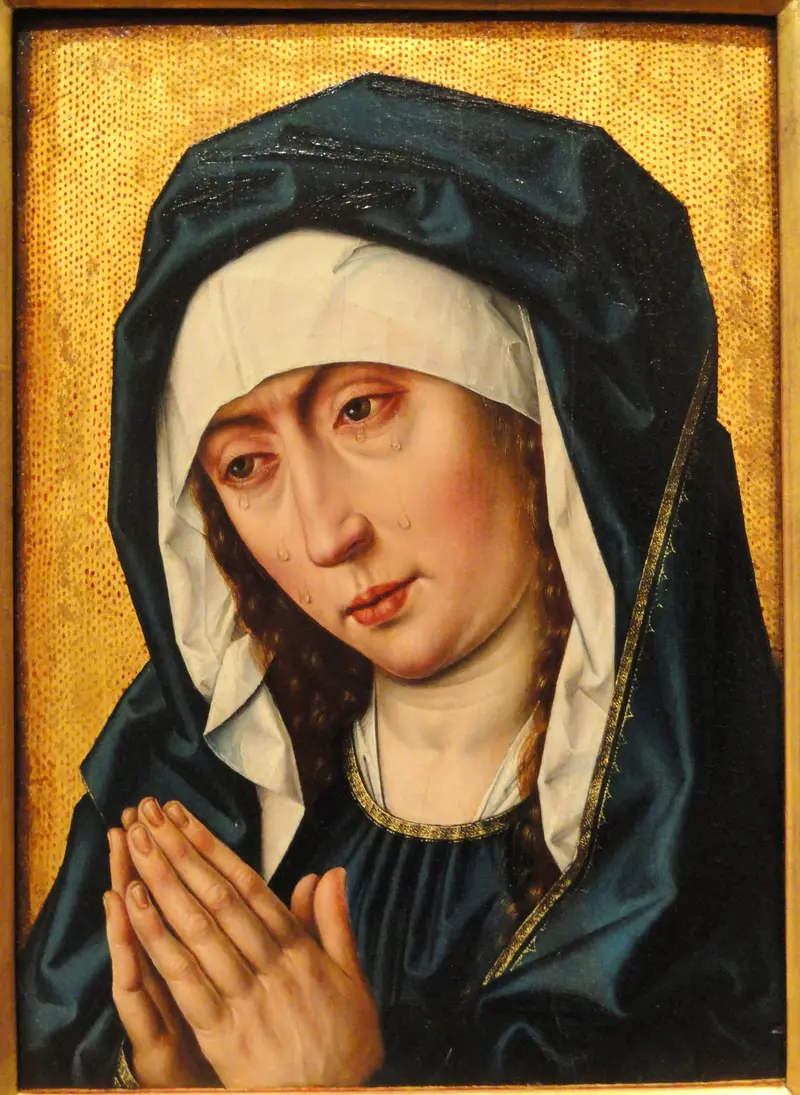
The Mater Dolorosa
Aelbert Bouts
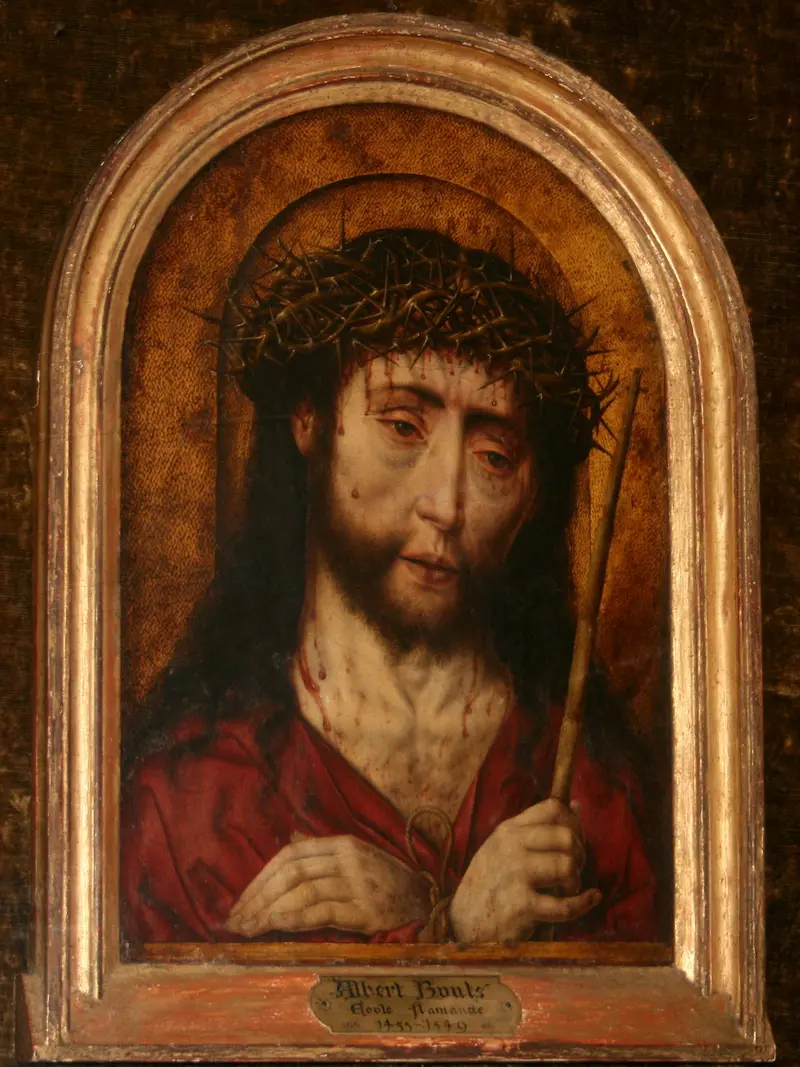
The Mocking of Christ
Aelbert Bouts
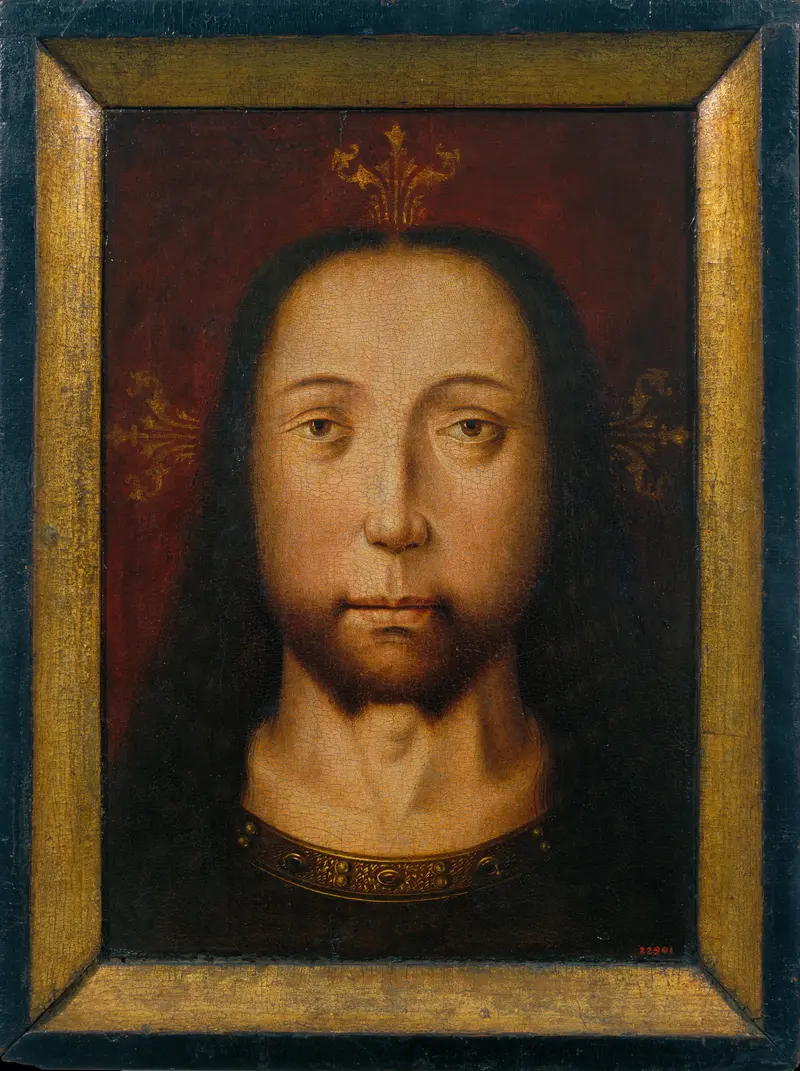
Holy Countenance
Aelbert Bouts
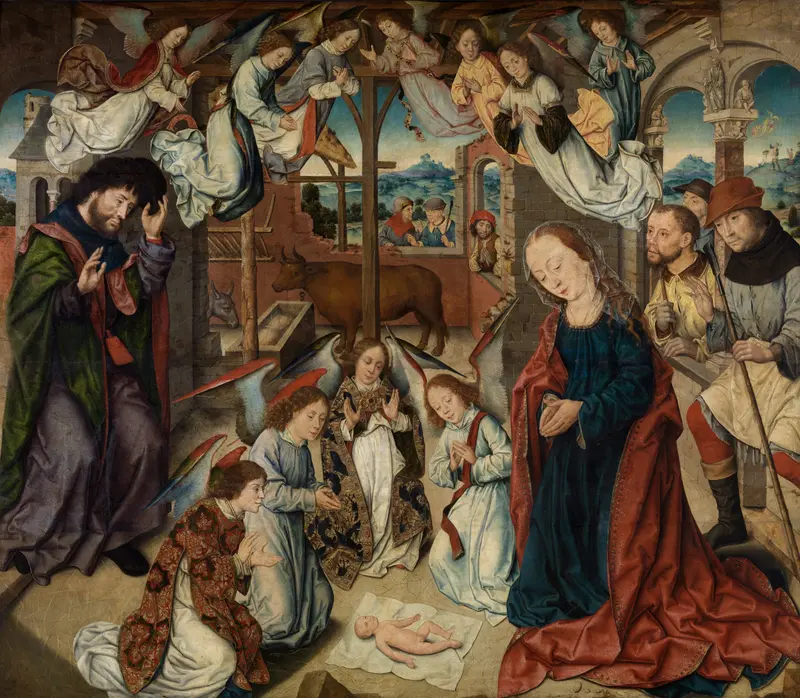
The Adoration of the Shepherds
Aelbert Bouts
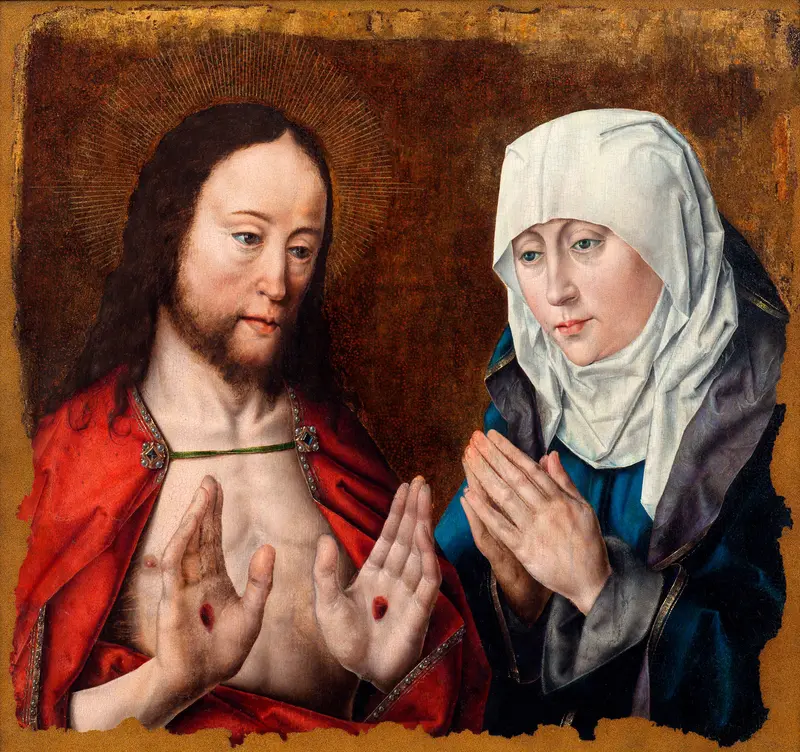
Christ appears to Mary
Aelbert Bouts
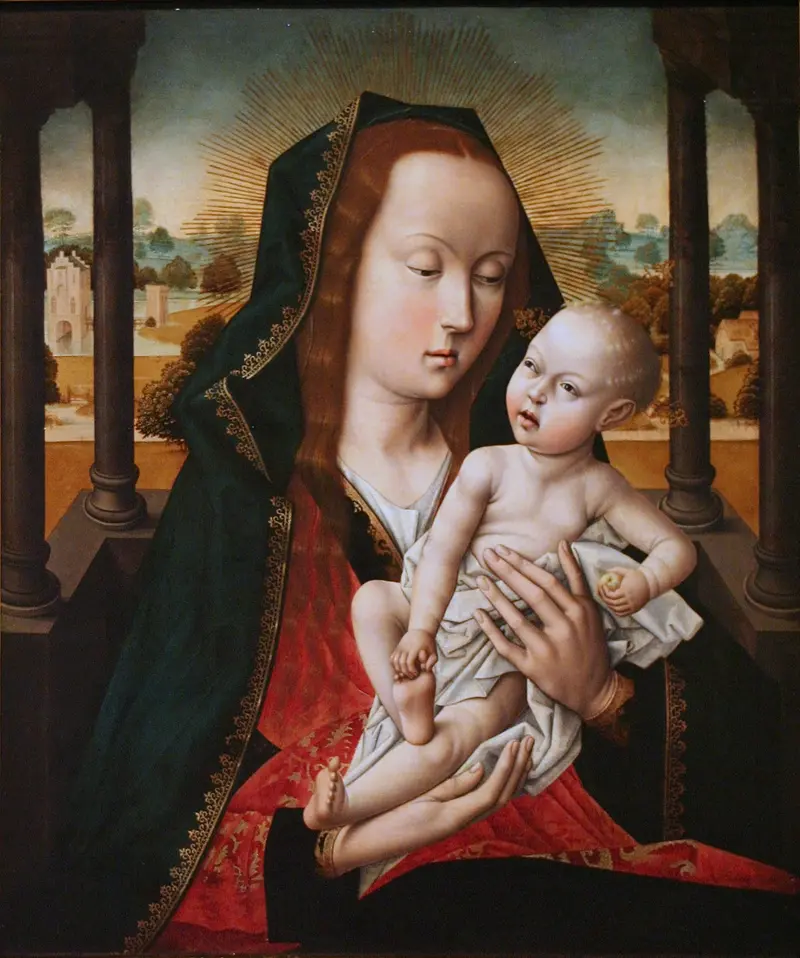
Madonna and Child
Aelbert Bouts
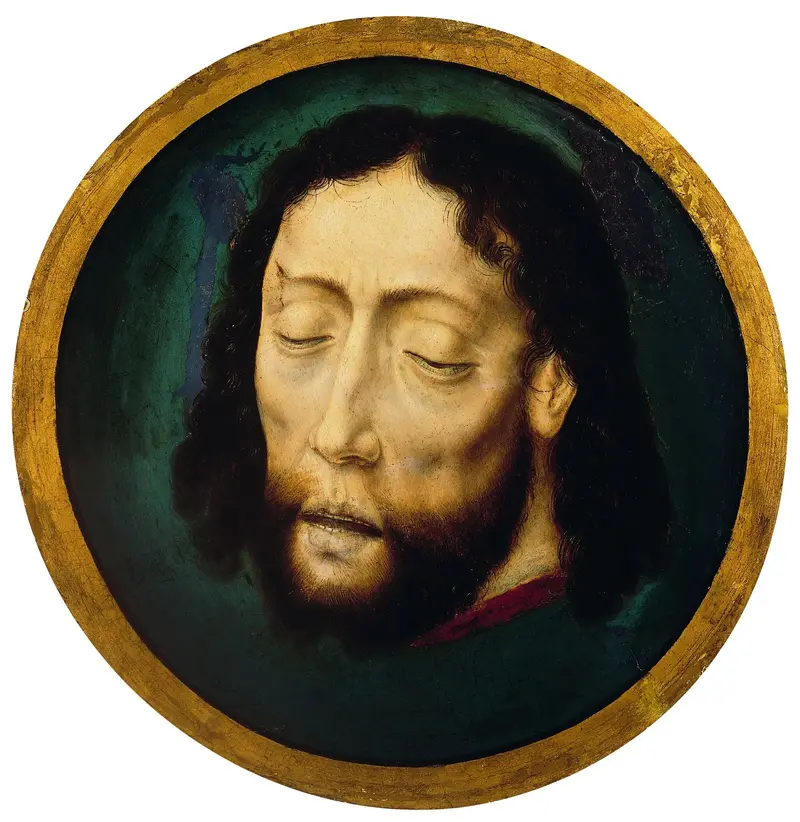
Head of St. John the Baptist
Aelbert Bouts
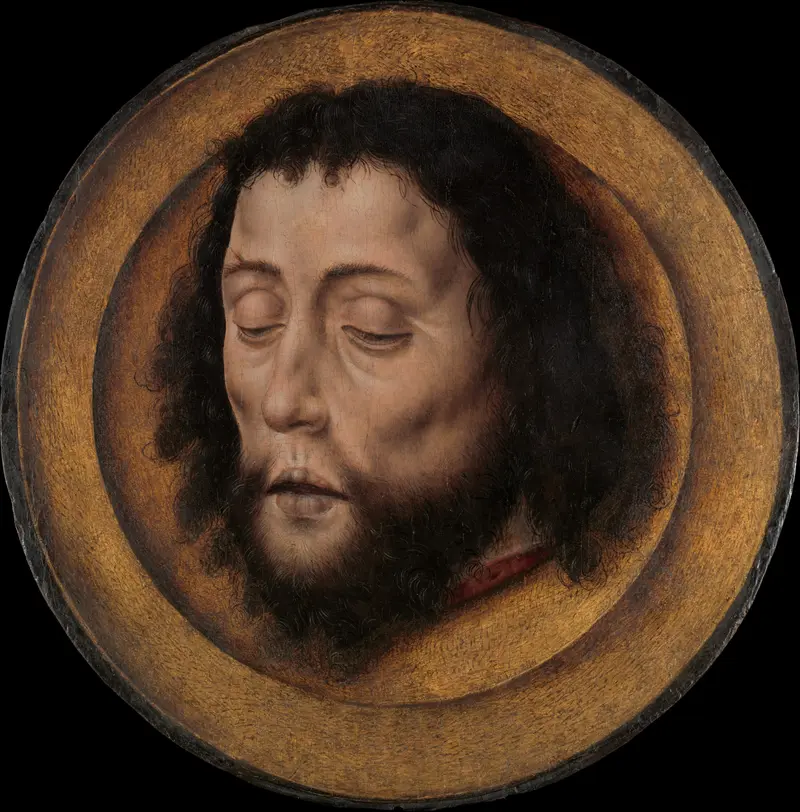
Head of Saint John the Baptist on a Charger
Aelbert Bouts
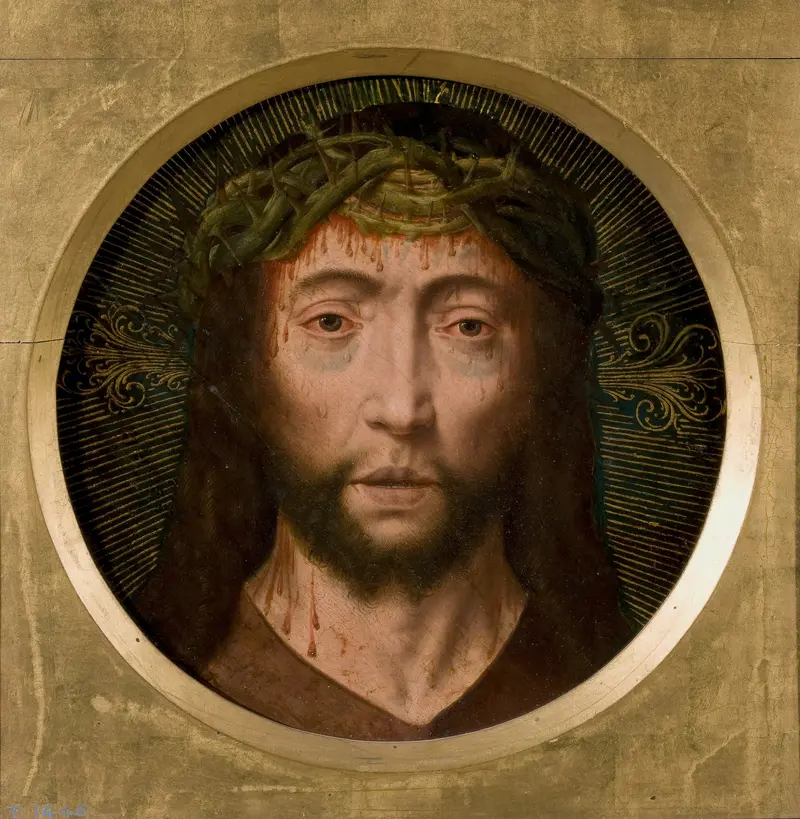
Head of Christ
Aelbert Bouts





