
Madonna and Child — History & Facts
The first thing that catches the eye in Madonna and Child by Aelbert Bouts is the intimacy of the gaze: the Madonna’s downcast eyes draw the viewer into a quiet world, while the Christ Child turns outward, engaging us with a questioning look. The painter sets this sacred pair beneath a canopy of columns, framing them with a sense of solemn architecture that both shelters and elevates. Gold rays radiate from Mary’s head, a visual language of sanctity that was instantly legible to viewers of the early sixteenth century.
The Christ Child’s small hand clutches a delicate flower, a symbol of innocence and perhaps a nod to the fleeting nature of life. Every fold of drapery, every detail of the landscape beyond, is rendered with careful attention, guiding the viewer’s eye back and forth between the human tenderness of the figures and the distant, idealized world outside. Painted around 1500, this work belongs to a tradition that flourished in the Low Countries, where devotional images of the Madonna and Child were commissioned for private prayer as well as church altars. The era was marked by a growing emphasis on personal piety, and paintings like this one were meant to foster contemplation and emotional connection.
Little is recorded about the specific journey of this painting, now in the Ophelia2 collection, but its style and subject speak to a world in which art served as a bridge between the earthly and the divine. The careful balance of realism and idealization invites us to linger, to imagine the hands that once touched this panel in devotion, and to look again at the quiet conversation between mother and child.
More Artworks by Aelbert Bouts
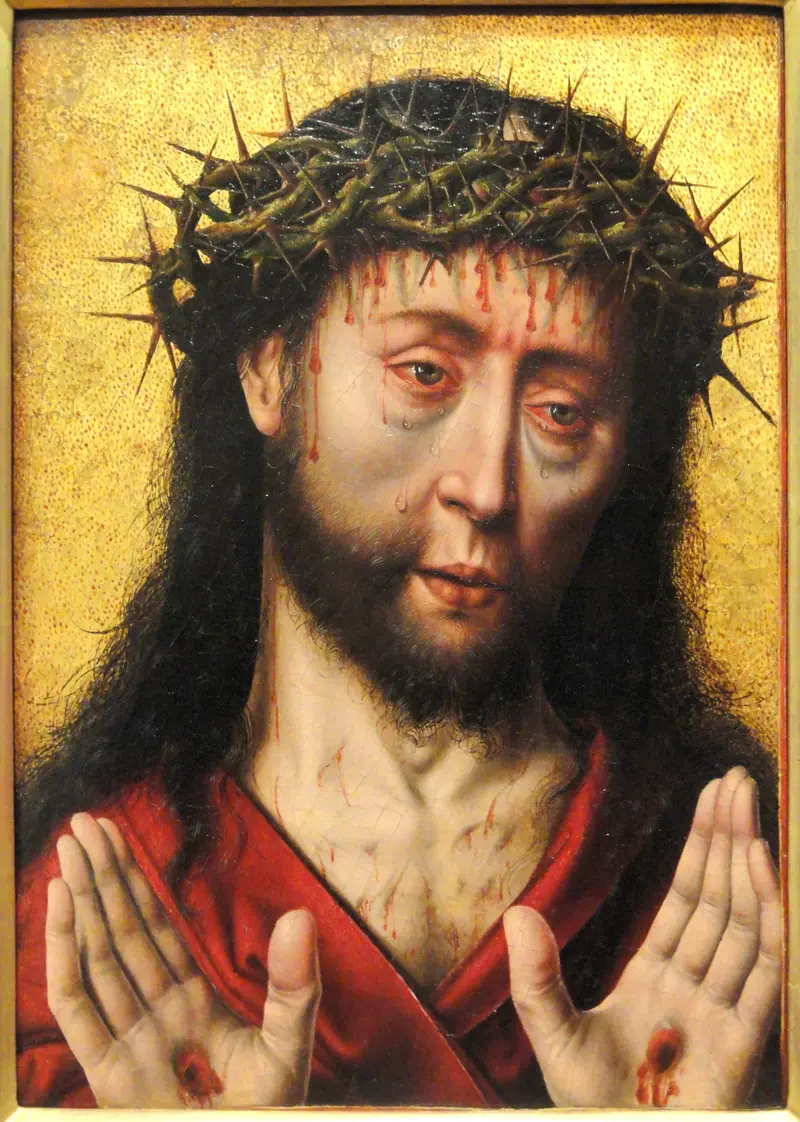
The Man of Sorrows
Aelbert Bouts
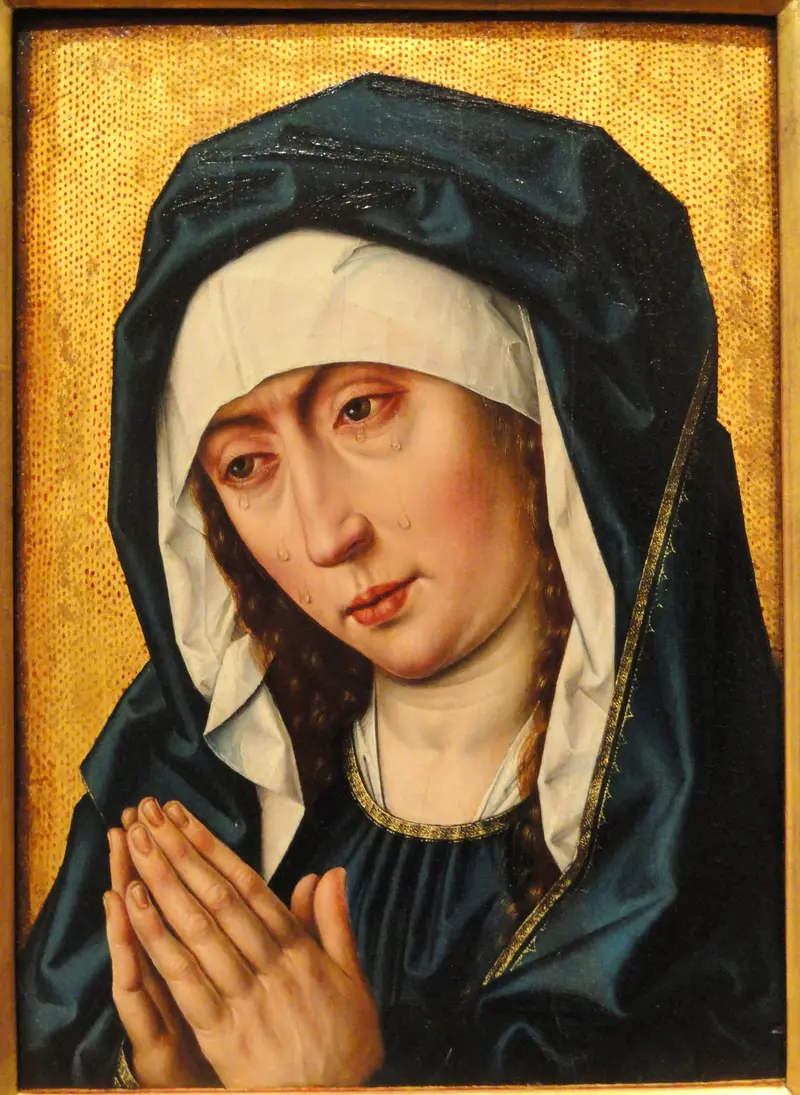
The Mater Dolorosa
Aelbert Bouts
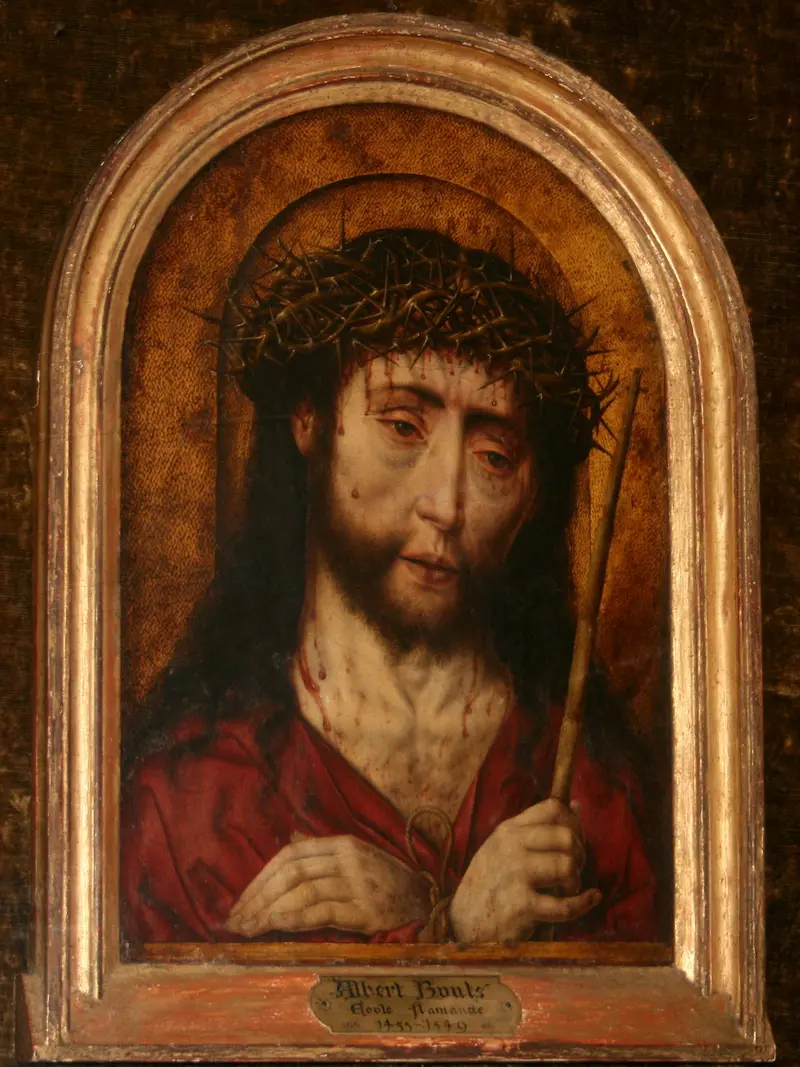
The Mocking of Christ
Aelbert Bouts
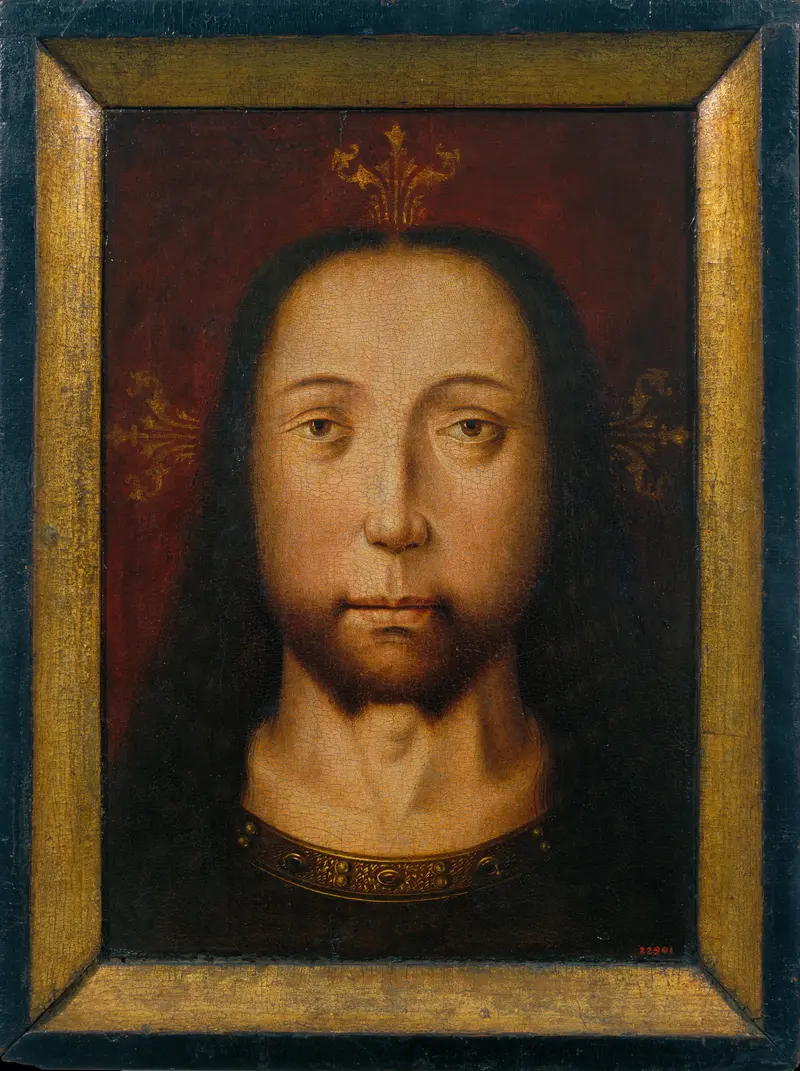
Holy Countenance
Aelbert Bouts
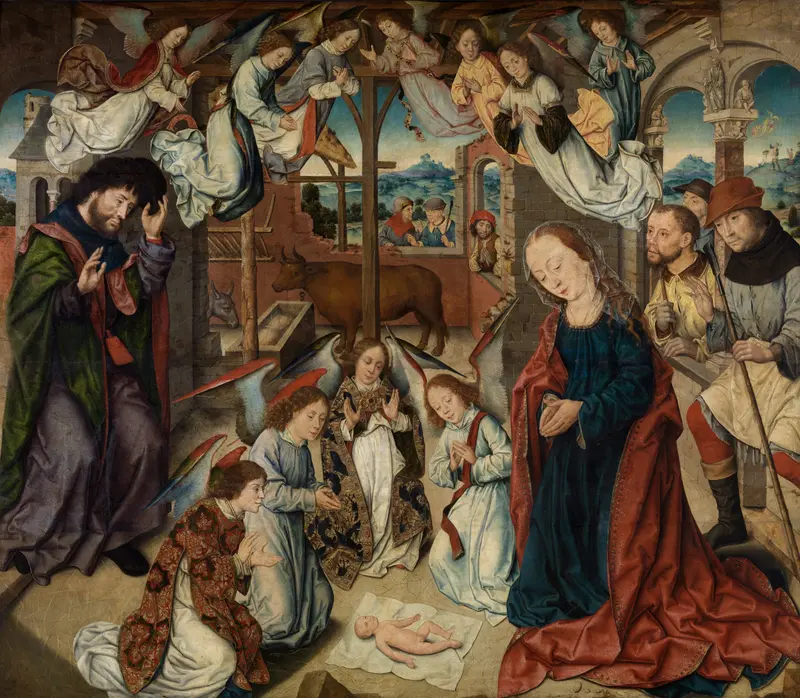
The Adoration of the Shepherds
Aelbert Bouts
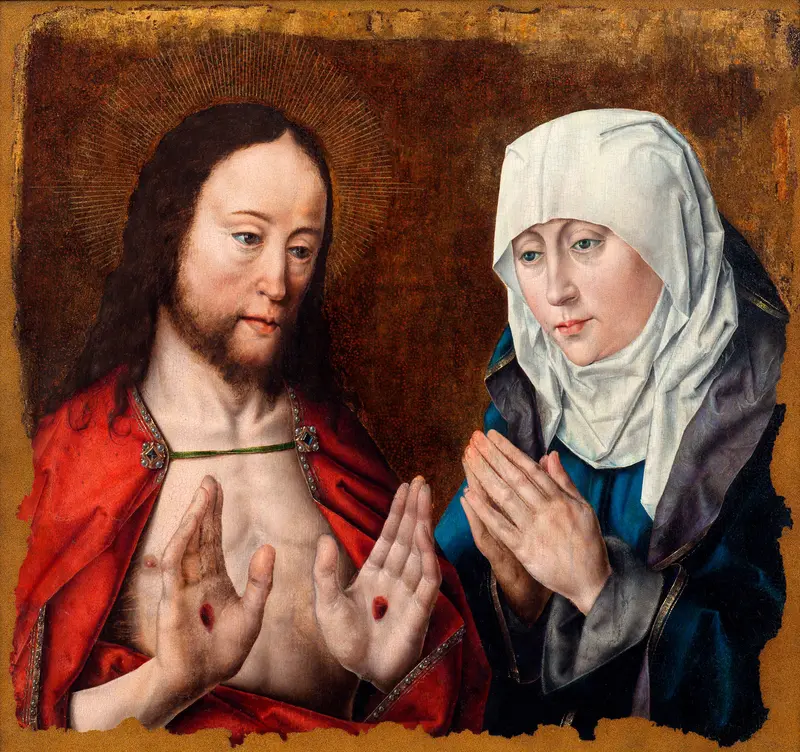
Christ appears to Mary
Aelbert Bouts
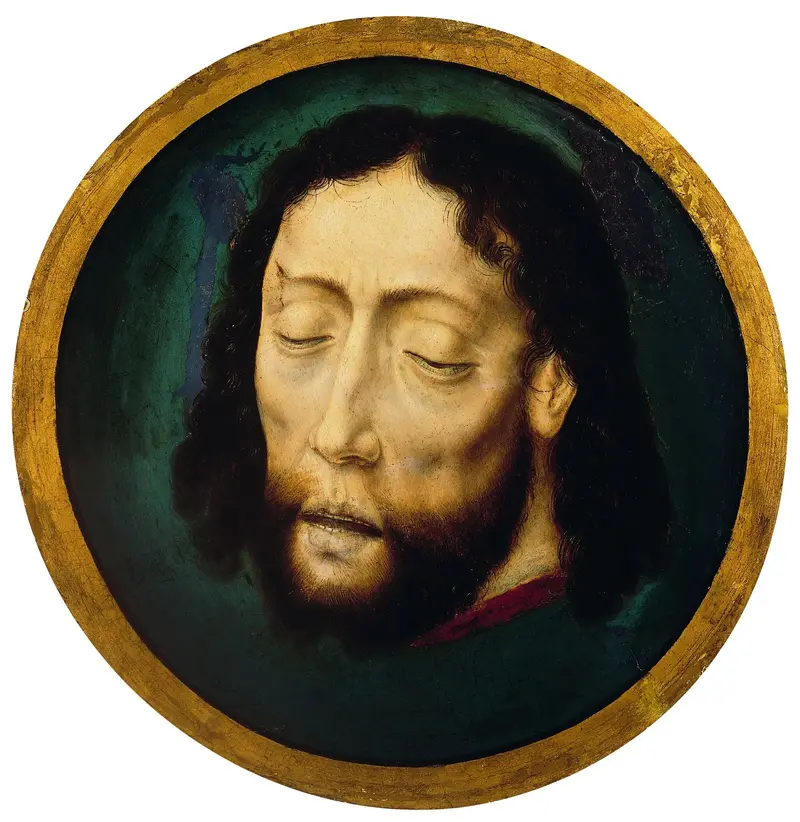
Head of St. John the Baptist
Aelbert Bouts
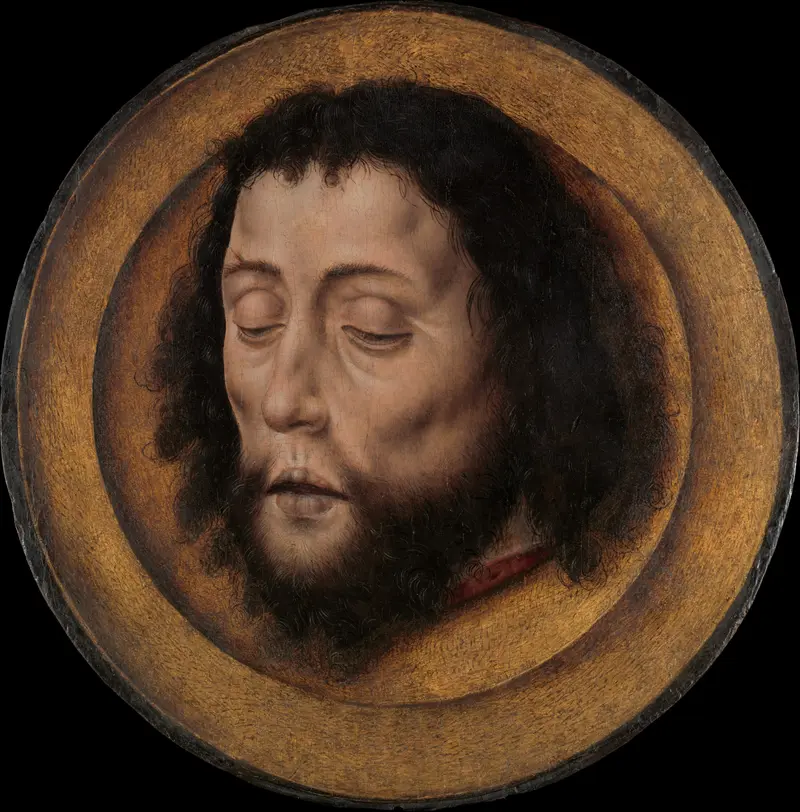
Head of Saint John the Baptist on a Charger
Aelbert Bouts
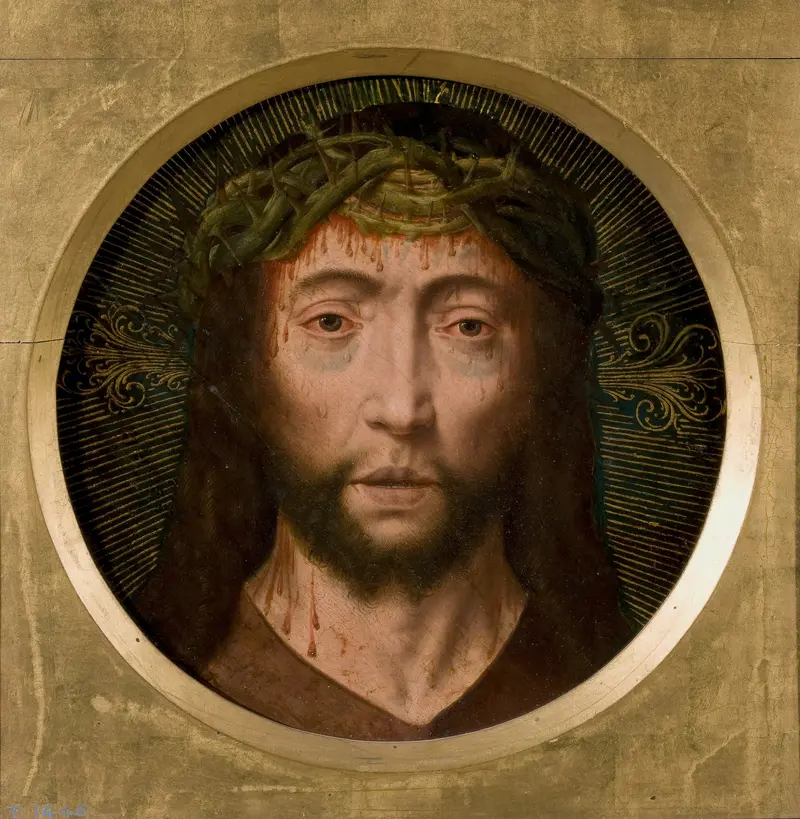
Head of Christ
Aelbert Bouts
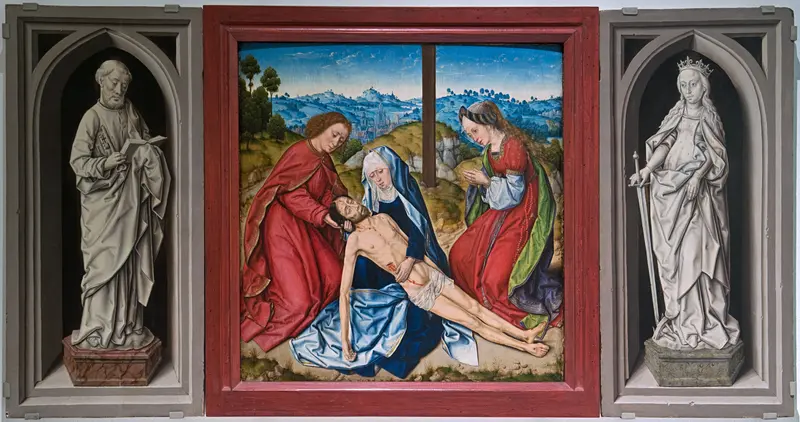
Lamentation of Christ
Aelbert Bouts





