
The Mocking of Christ — History & Facts
What holds the viewer here is the haunting directness of Christ’s gaze, set against a golden halo that glows like a memory of paradise now lost. The thorns bite deep into his brow, each drop of blood rendered with a precision that refuses to let us look away. In his hands, a reed scepter and bound wrists speak of humiliation, yet the gesture is gentle, almost resigned.
The artist, Aelbert Bouts, draws the viewer into a moment of quiet suffering, the muted palette and softly modeled flesh giving the scene an aching intimacy. The arched frame, echoing the shape of a church window, turns this image into a private altar—an invitation to contemplate pain and forgiveness. Works like this, painted in the early 16th century, were created for quiet devotion, often commissioned by religious institutions or wealthy patrons seeking to deepen their spiritual practice. Aelbert Bouts belonged to a family of painters in the Low Countries, where such images of Christ’s Passion were in high demand, shaped by a culture that valued intense, personal encounters with the divine.
This panel, now in the church of La Cambre Abbey in Ixelles, Belgium, stands as a testament to that era’s blend of technical skill and spiritual longing. History has kept few traces of this specific painting’s journey, but its presence still commands a moment of reflection—inviting us to return, again and again, to the sorrow and humanity in Christ’s eyes.
More Artworks by Aelbert Bouts
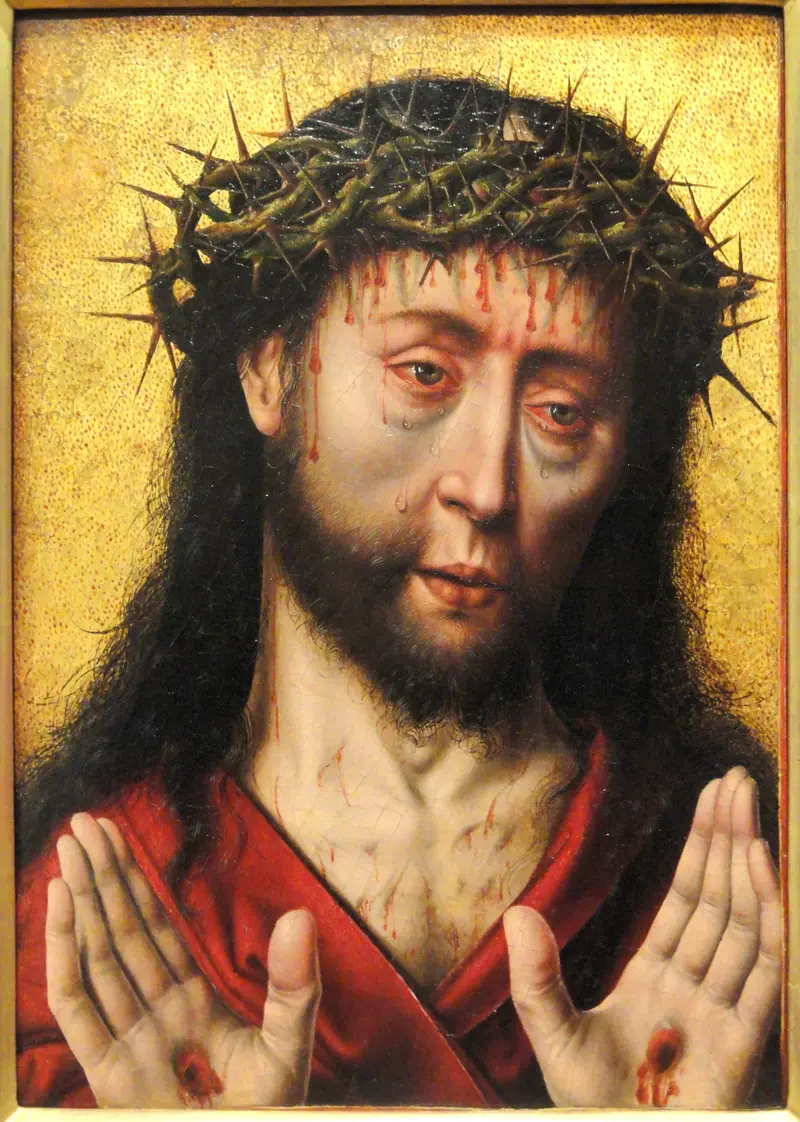
The Man of Sorrows
Aelbert Bouts
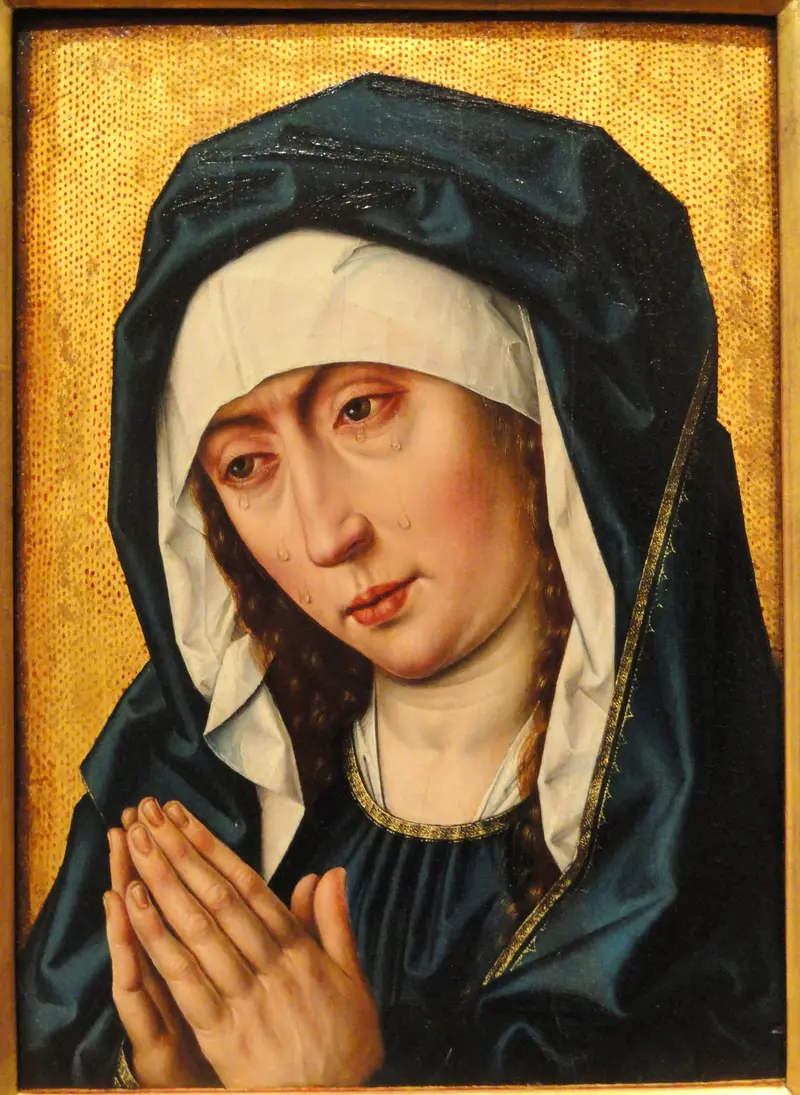
The Mater Dolorosa
Aelbert Bouts
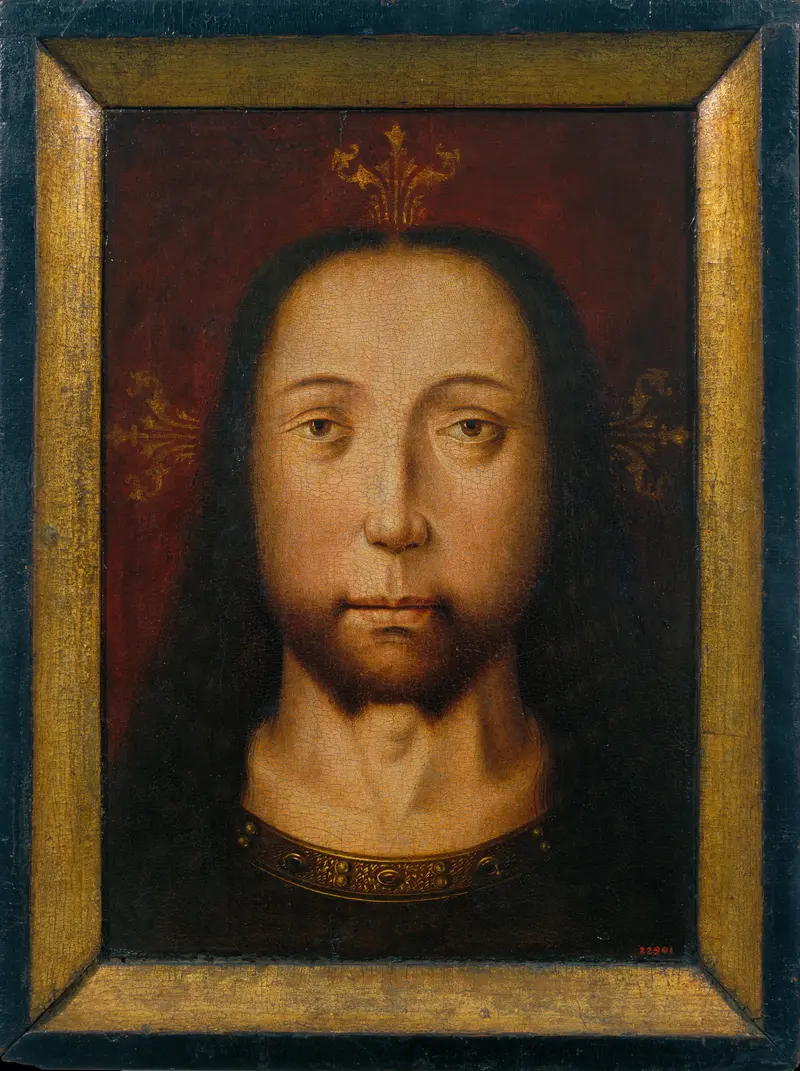
Holy Countenance
Aelbert Bouts
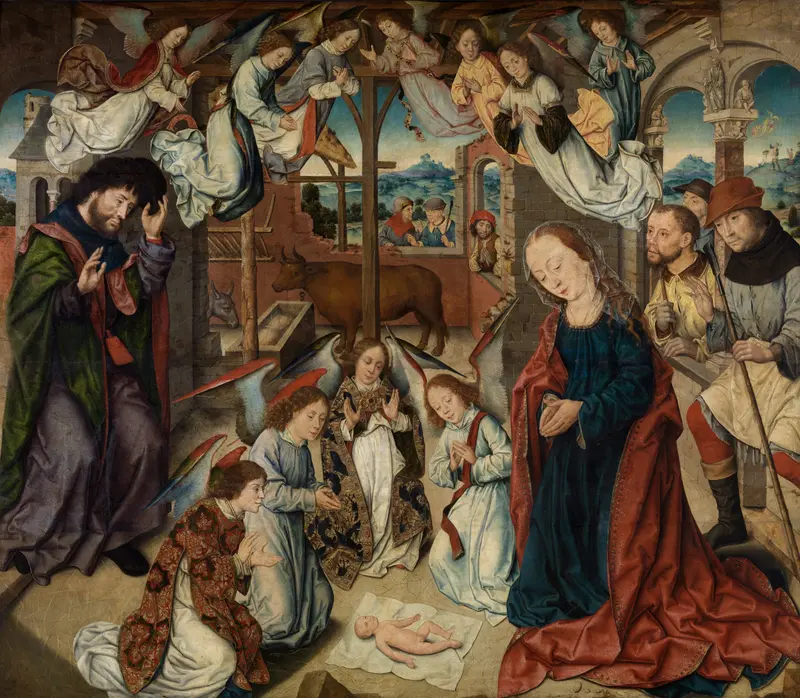
The Adoration of the Shepherds
Aelbert Bouts
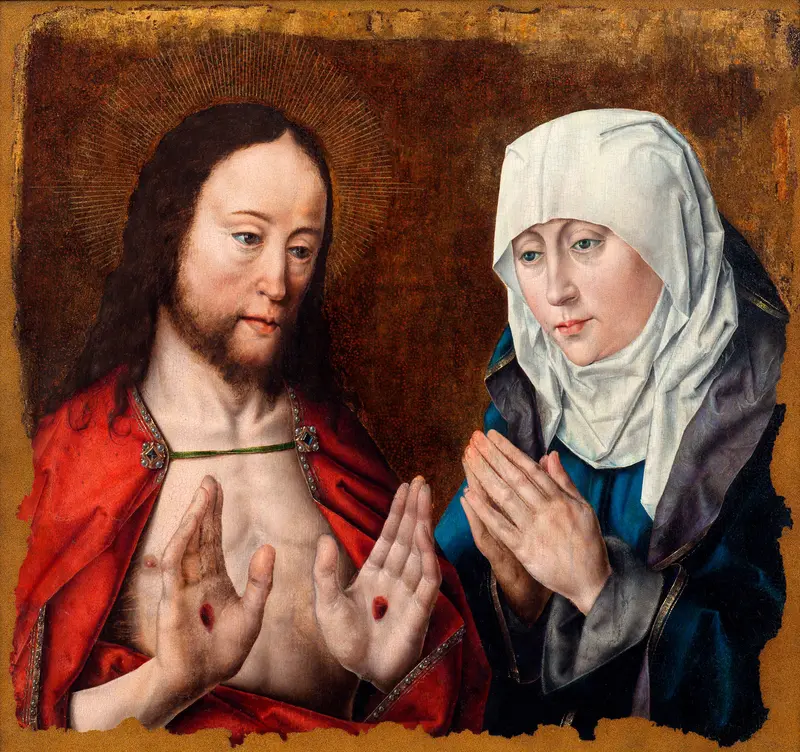
Christ appears to Mary
Aelbert Bouts
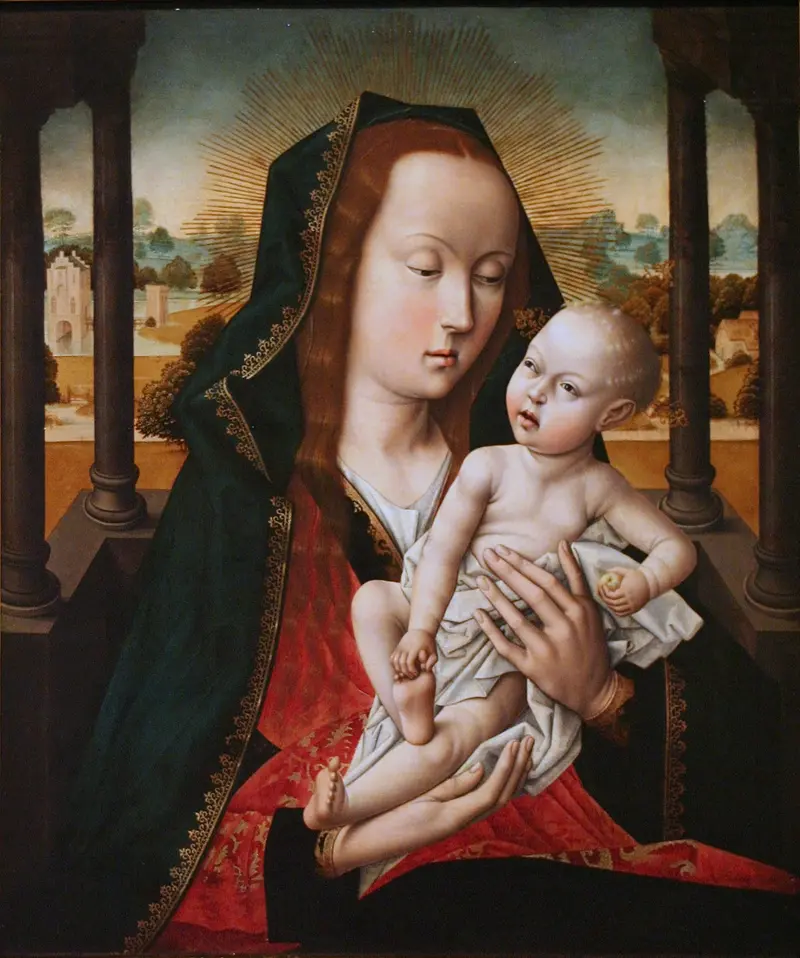
Madonna and Child
Aelbert Bouts
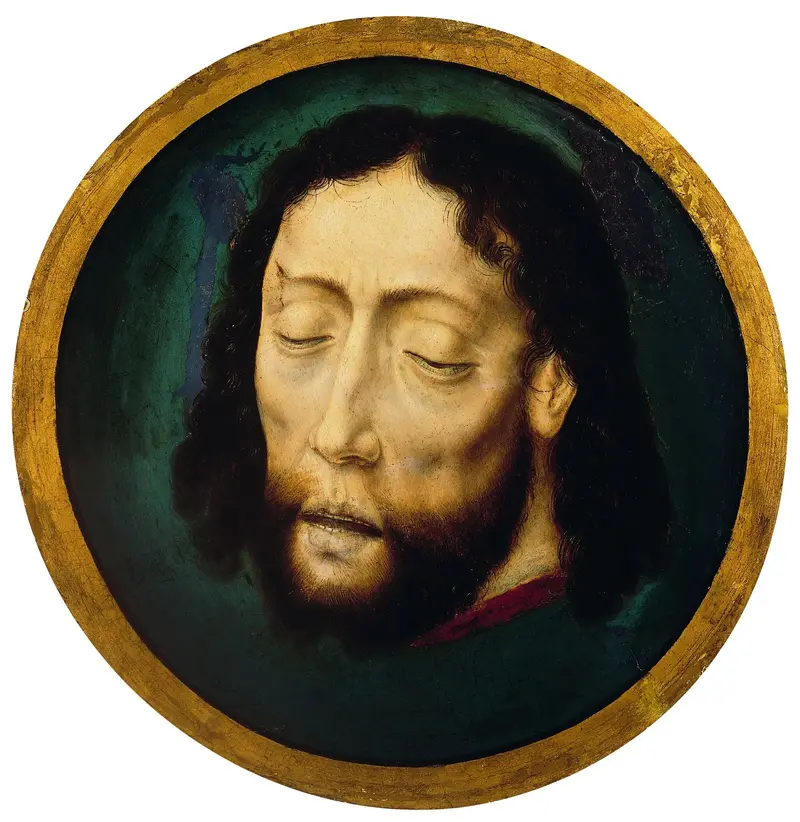
Head of St. John the Baptist
Aelbert Bouts
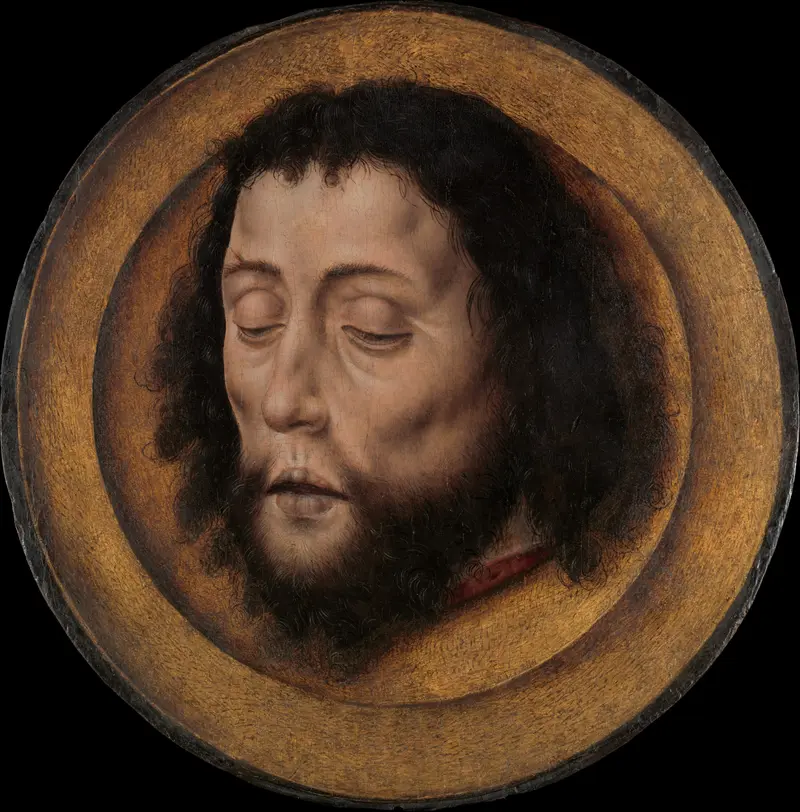
Head of Saint John the Baptist on a Charger
Aelbert Bouts
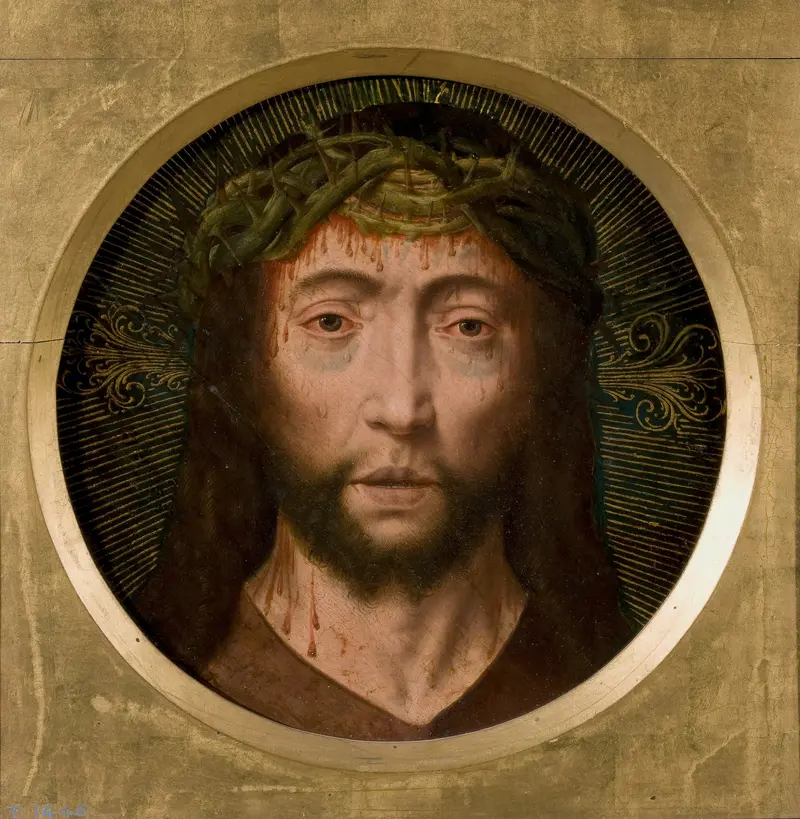
Head of Christ
Aelbert Bouts
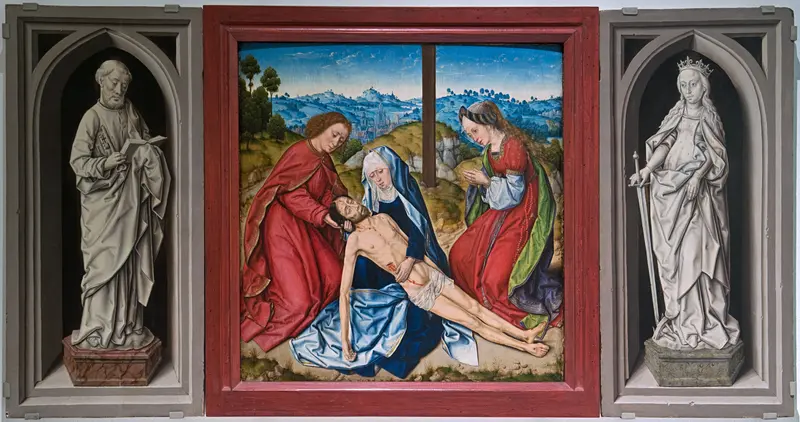
Lamentation of Christ
Aelbert Bouts





