
Christ appears to Mary — History & Facts
What draws the eye first in this work is the intensity of the exchange—two faces close, almost touching, yet separated by worlds of meaning. The wounds on Christ’s hands are not just marks of suffering; here, raised and gently displayed, they become tokens of recognition, proof of identity for the woman beside him. Her hands, pressed in prayer and trembling with emotion, echo the shape of his, as if in silent dialogue.
The artist uses a deep, burnished background to push the figures forward, their skin luminous against the darkness, every fold of drapery and glint of jewelry rendered with a Northern clarity that invites slow looking. The light falls softly, lending the scene a hush that feels both intimate and monumental. Painted around 1490, this work belongs to a moment when artists in the Low Countries were exploring new ways to bring sacred stories into the viewer’s own space. Panels like this, often commissioned for private devotion, were meant to foster a direct, personal encounter with the divine—no longer distant, but heartbreakingly near.
Aelbert Bouts was part of a family workshop known for its meticulous technique and emotional realism, and this painting, now in the collection of the Nivaagaard, carries those hallmarks: the cool, almost porcelain flesh, the crisp veils, the sense that time has paused for a breath. History has left few traces of this specific panel’s early journey, but its quiet power remains—inviting the viewer to linger, to wonder, and to look again at the meeting of eyes and hands.
More Artworks by Aelbert Bouts
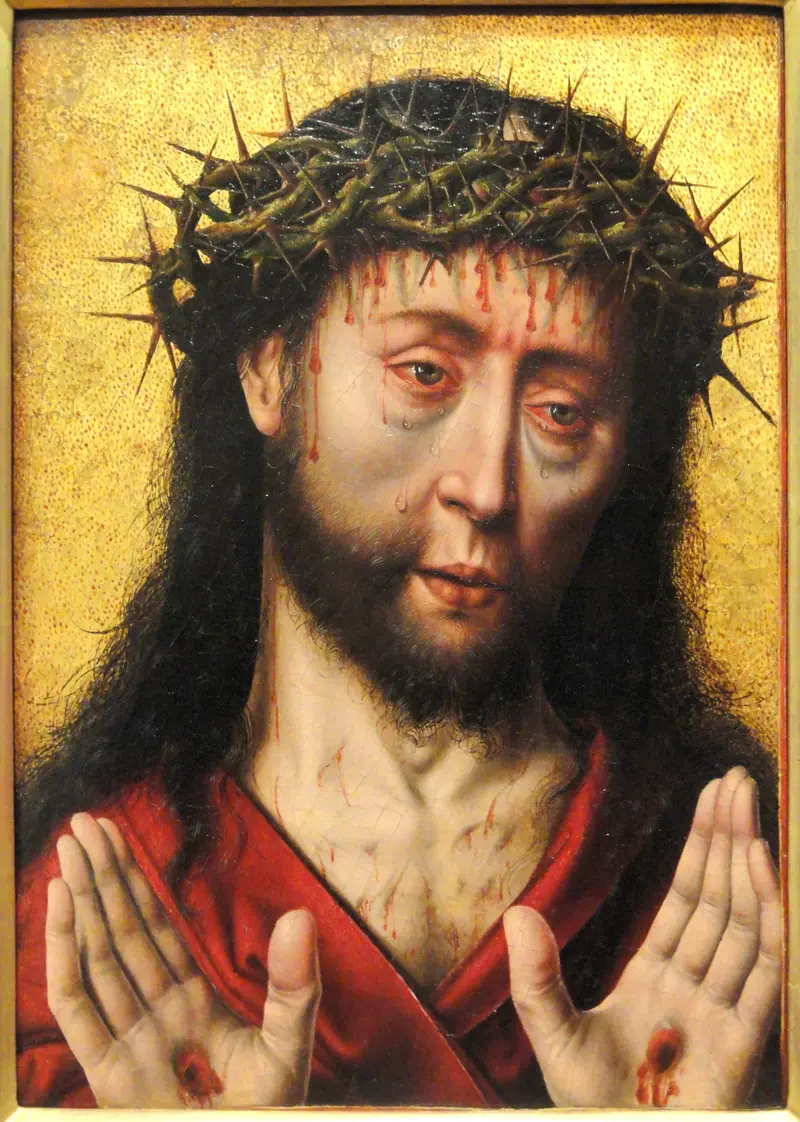
The Man of Sorrows
Aelbert Bouts
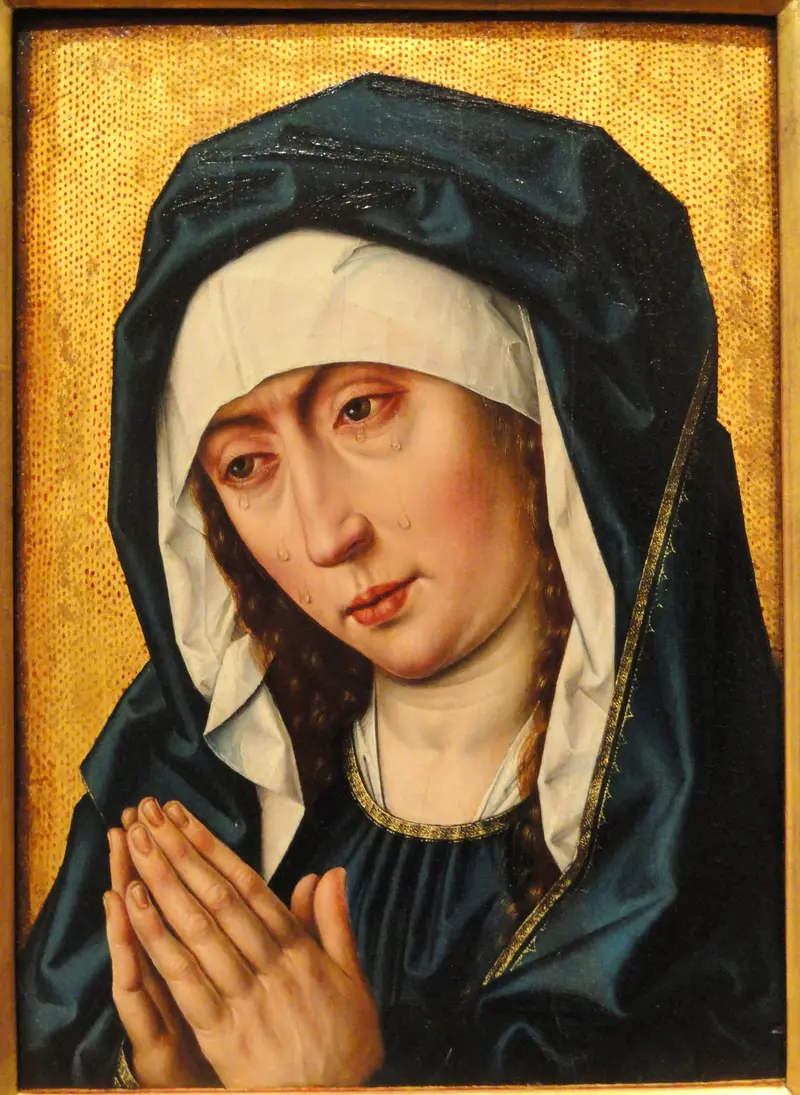
The Mater Dolorosa
Aelbert Bouts
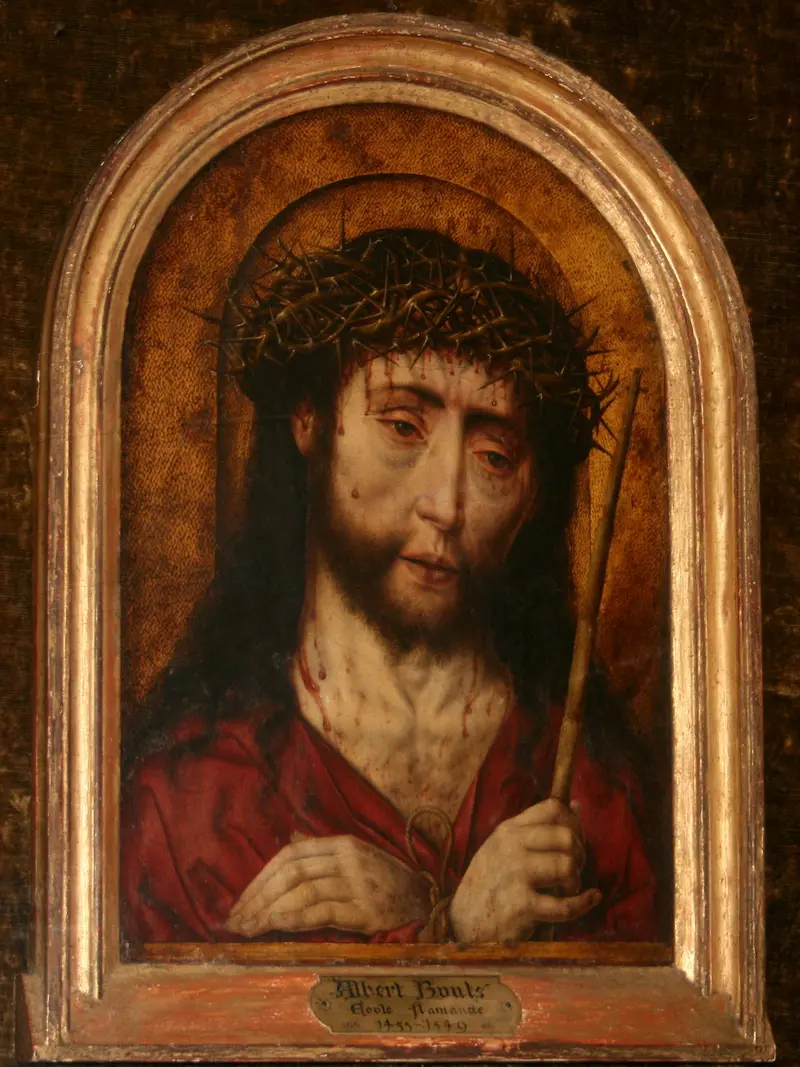
The Mocking of Christ
Aelbert Bouts
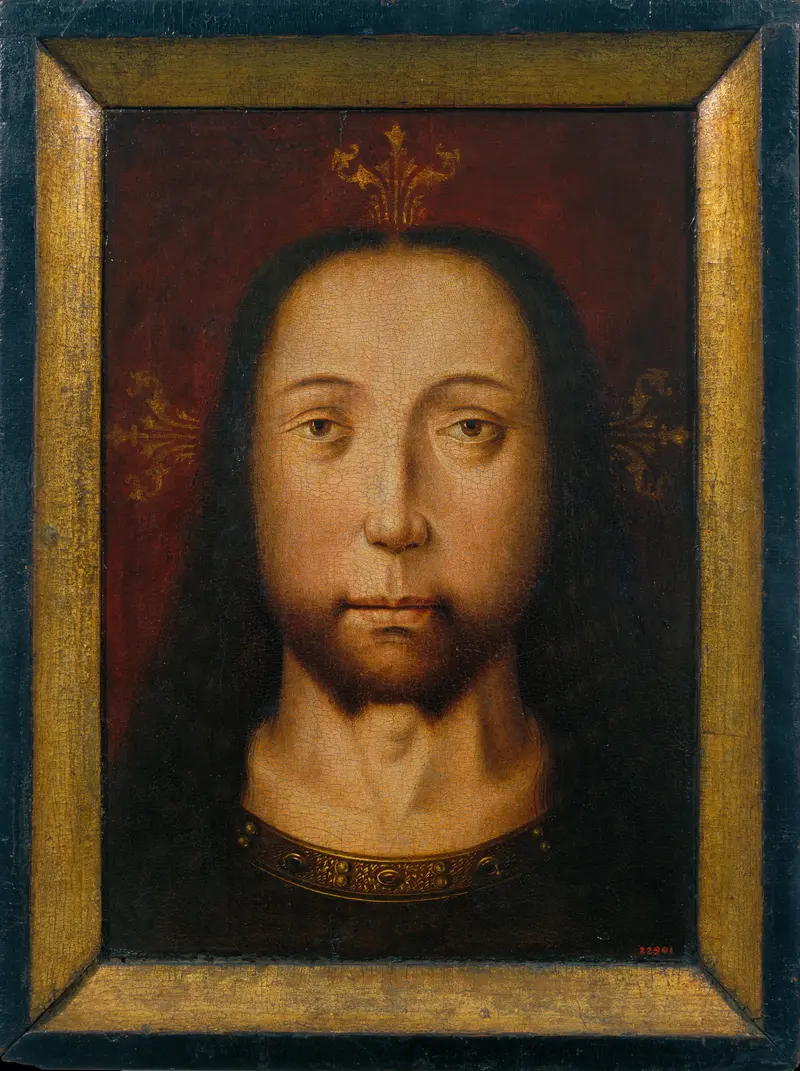
Holy Countenance
Aelbert Bouts
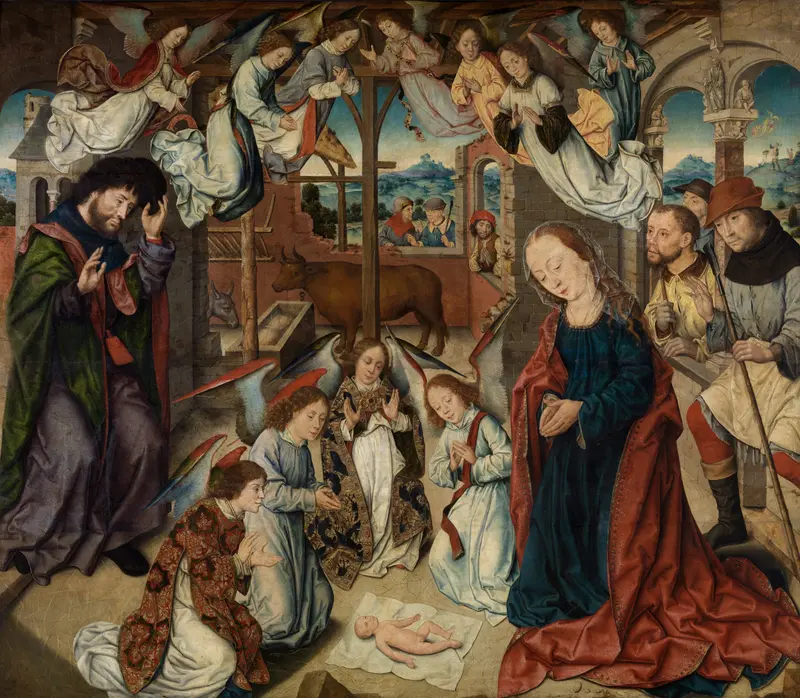
The Adoration of the Shepherds
Aelbert Bouts
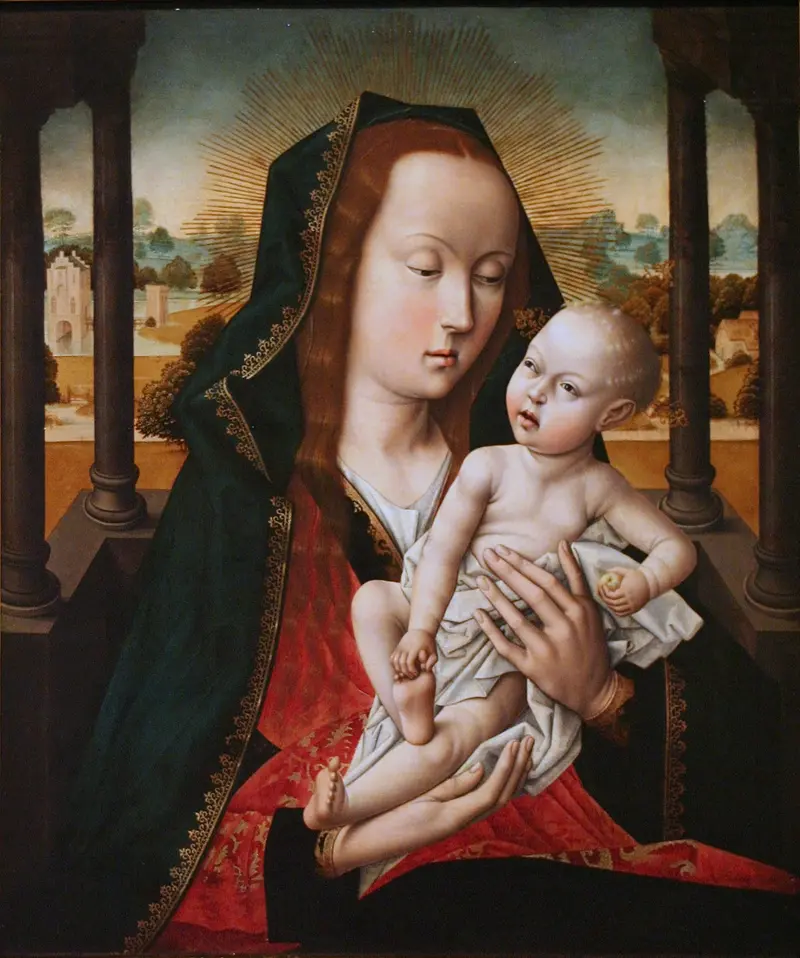
Madonna and Child
Aelbert Bouts
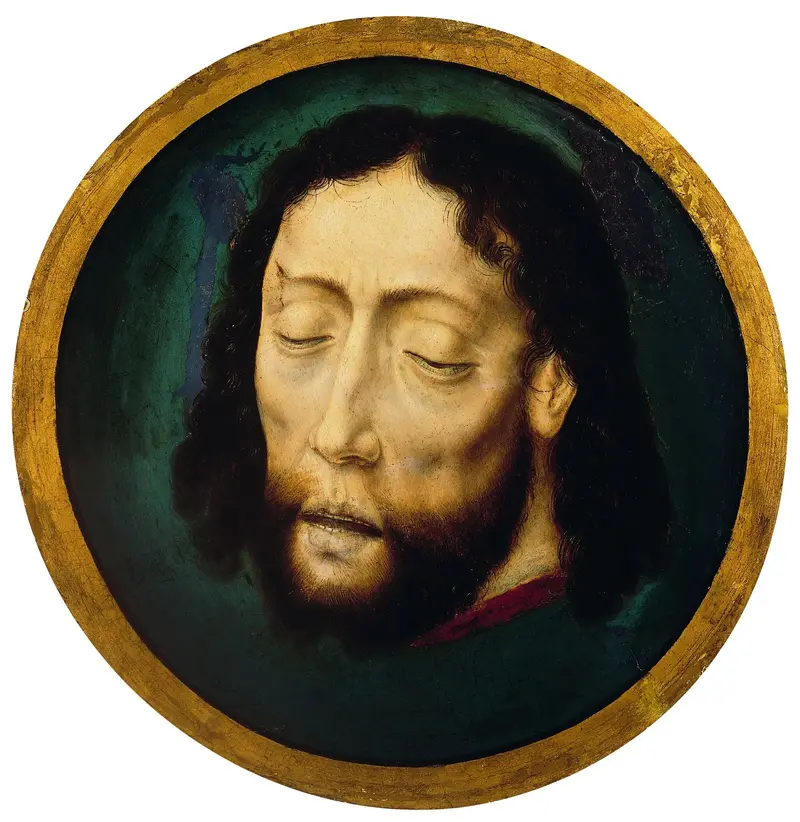
Head of St. John the Baptist
Aelbert Bouts
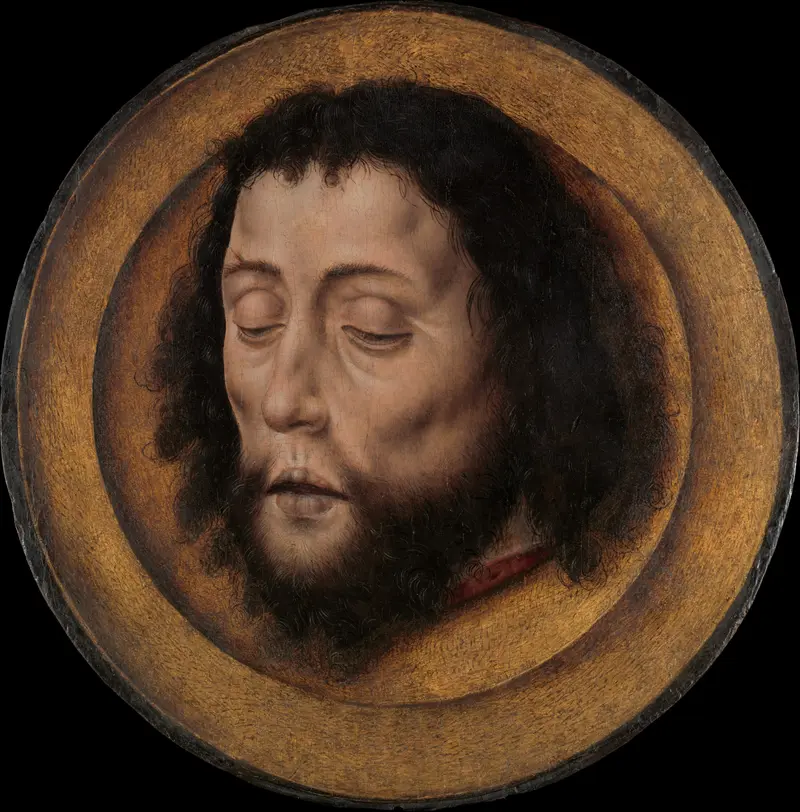
Head of Saint John the Baptist on a Charger
Aelbert Bouts
Head of Christ
Aelbert Bouts
Lamentation of Christ
Aelbert Bouts





