
The Adoration of the Shepherds — History & Facts
A hush falls over the scene, but it is not a silent night—every inch of The Adoration of the Shepherds by Aelbert Bouts is alive with movement and wonder. The newborn Christ lies on a simple cloth, at the very base of the composition, drawing the eye downward before it sweeps upward through the kneeling angels, their robes a riot of brocades and jewel tones. Mary’s bowed head and clasped hands form a gentle arc, echoed by the shepherds pressing forward from the right, their faces earnest and awestruck.
Overhead, a cascade of angels hovers beneath the broken beams of the stable, their bodies twisting in mid-flight, their hands folded in prayer—a celestial choir suspended between heaven and earth. The artist’s attention to gesture and gaze knits together the human and the divine, inviting the viewer to join the circle of adoration. This painting belongs to a world where religious images served as both instruction and invitation, guiding the faithful to contemplate mysteries through vivid storytelling. In the late fifteenth and early sixteenth centuries, such works were often commissioned by churches or wealthy patrons eager to display devotion and secure their place within the sacred narrative.
The Flemish tradition, to which Aelbert Bouts belonged, prized intricate detail and luminous color, qualities on full display here in the angels’ embroidered garments and the cool, distant landscape glimpsed through ruined arches. Though history has kept few traces of this particular panel’s early journey, it now resides in the collection of the KMSKA, a silent witness to centuries of changing faith and taste. The longer you look, the more the painting reveals: a world where the miraculous feels close enough to touch.
More Artworks by Aelbert Bouts
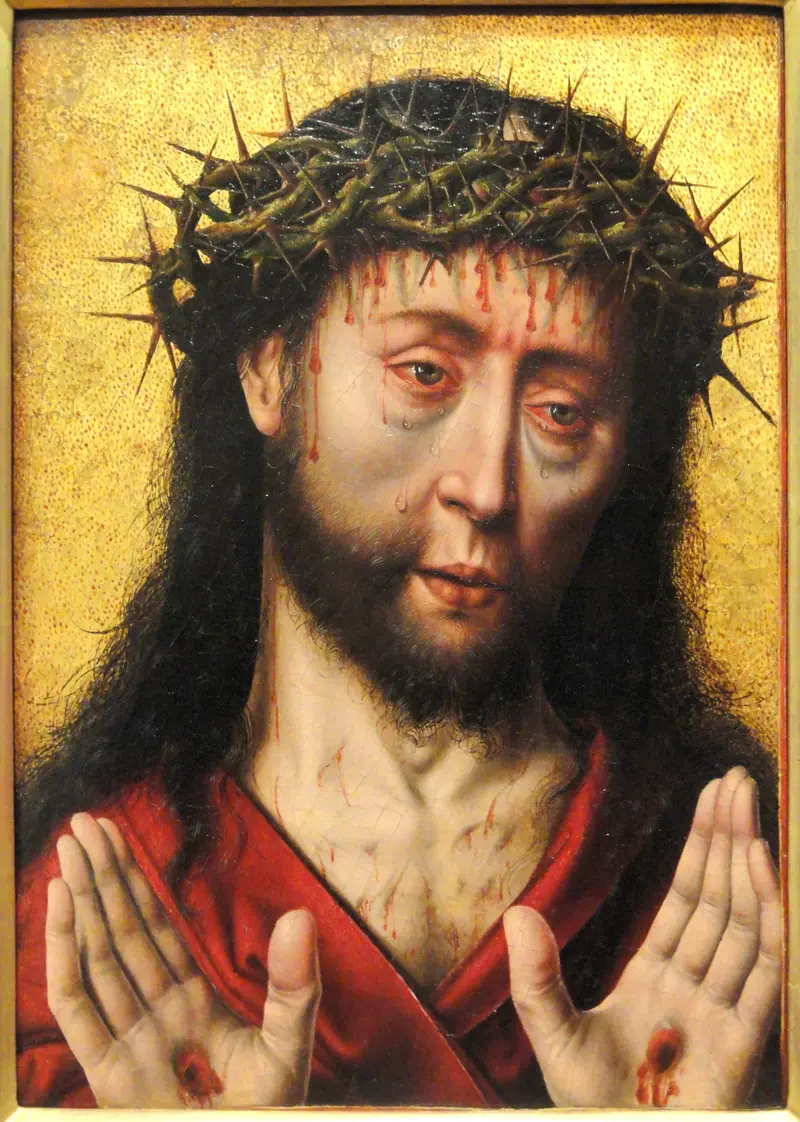
The Man of Sorrows
Aelbert Bouts
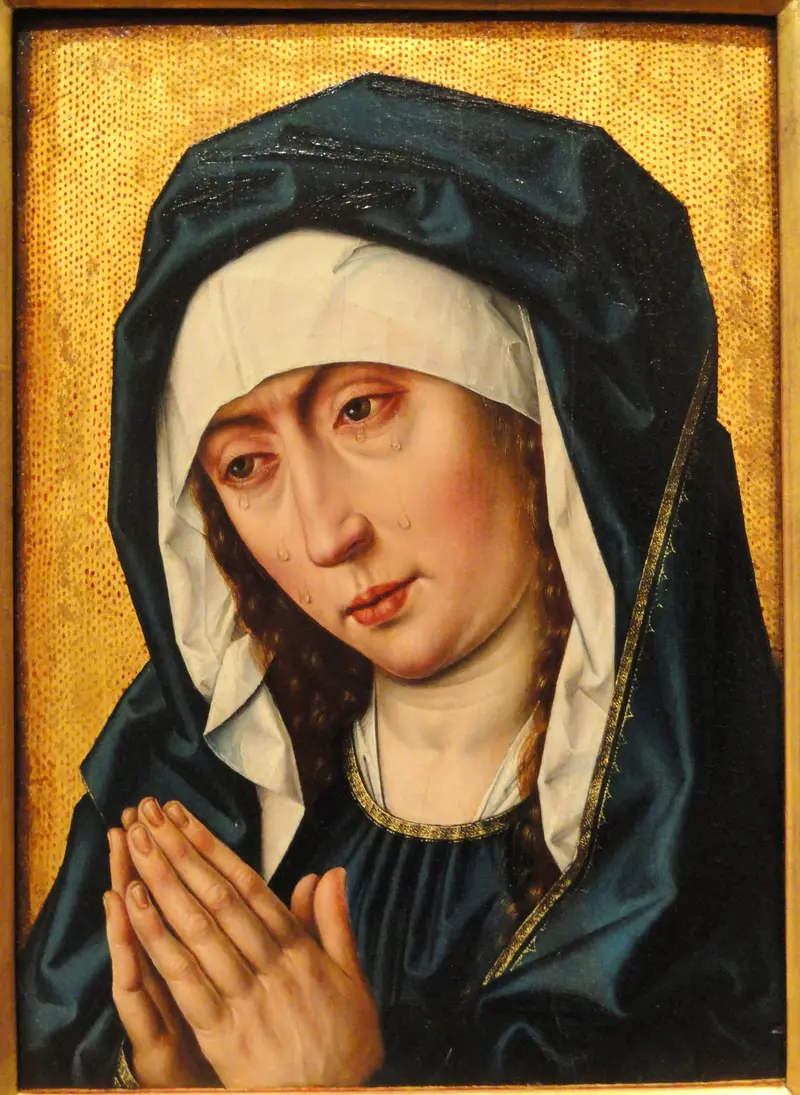
The Mater Dolorosa
Aelbert Bouts
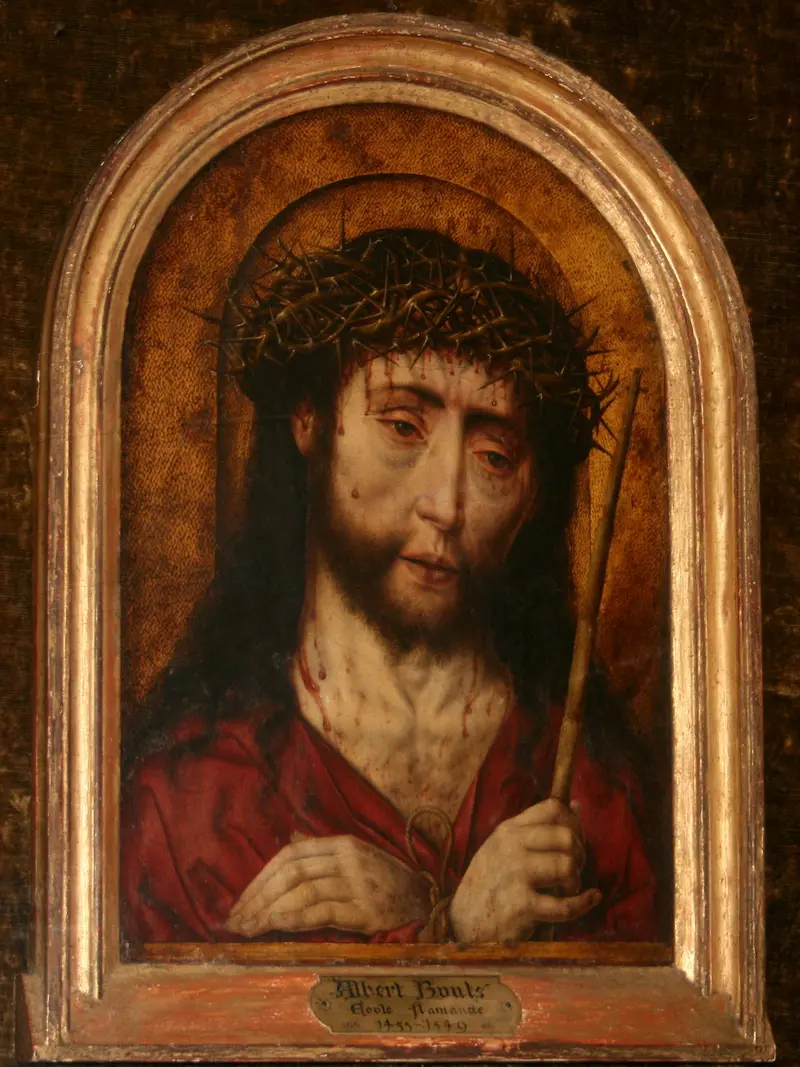
The Mocking of Christ
Aelbert Bouts
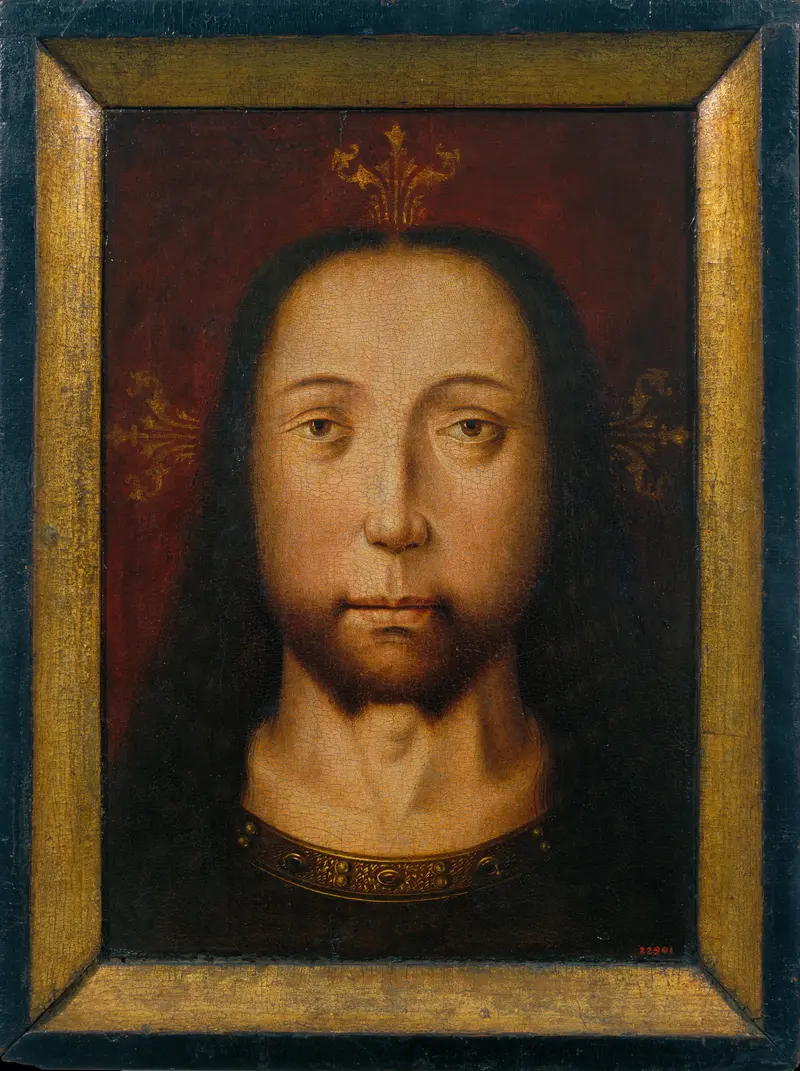
Holy Countenance
Aelbert Bouts
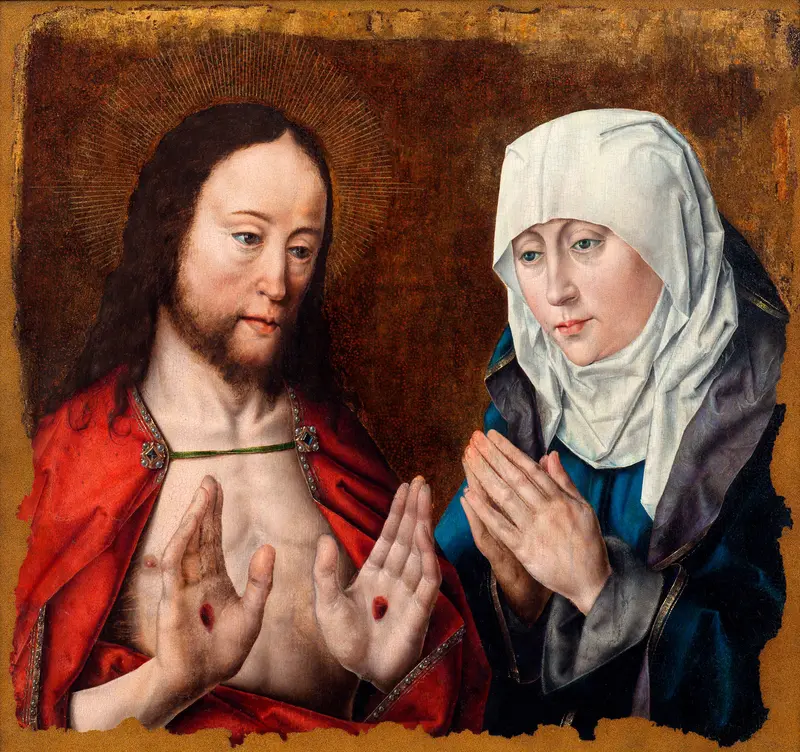
Christ appears to Mary
Aelbert Bouts
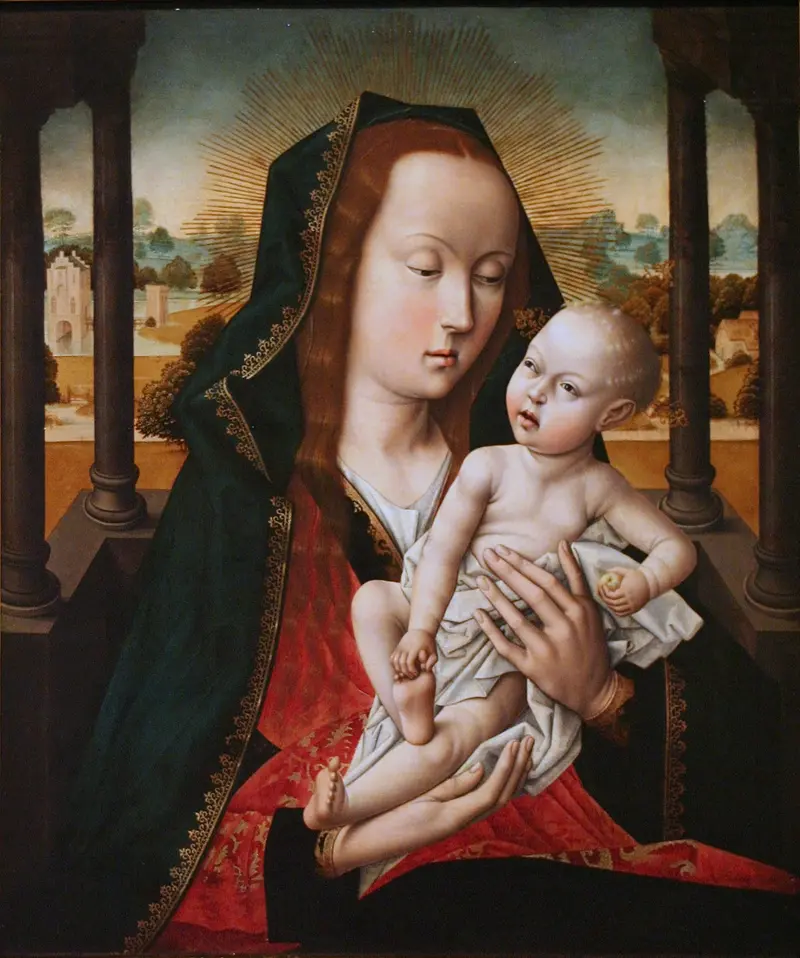
Madonna and Child
Aelbert Bouts
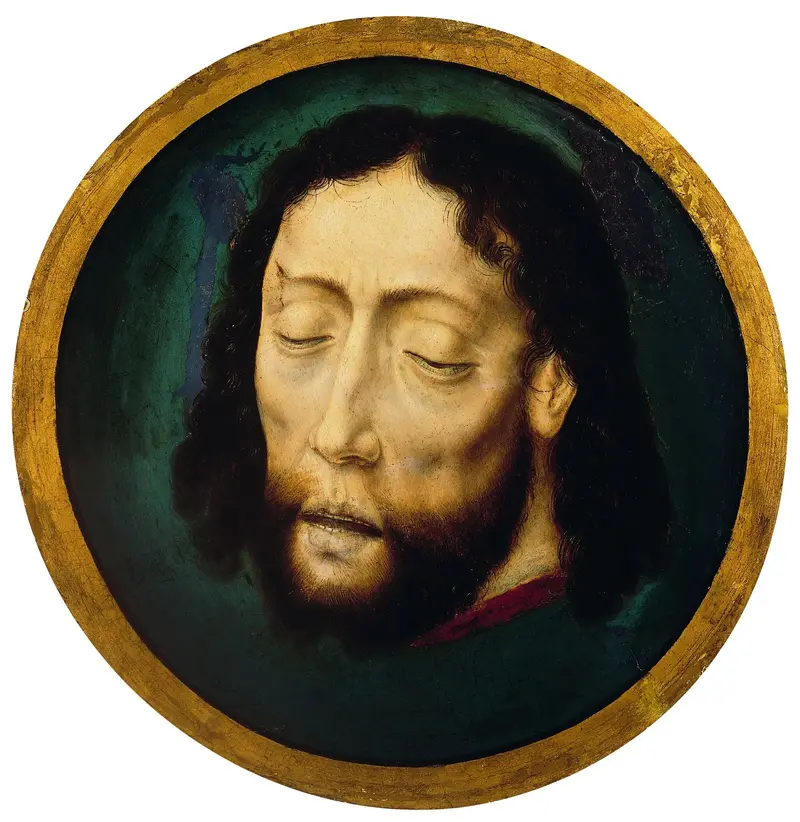
Head of St. John the Baptist
Aelbert Bouts
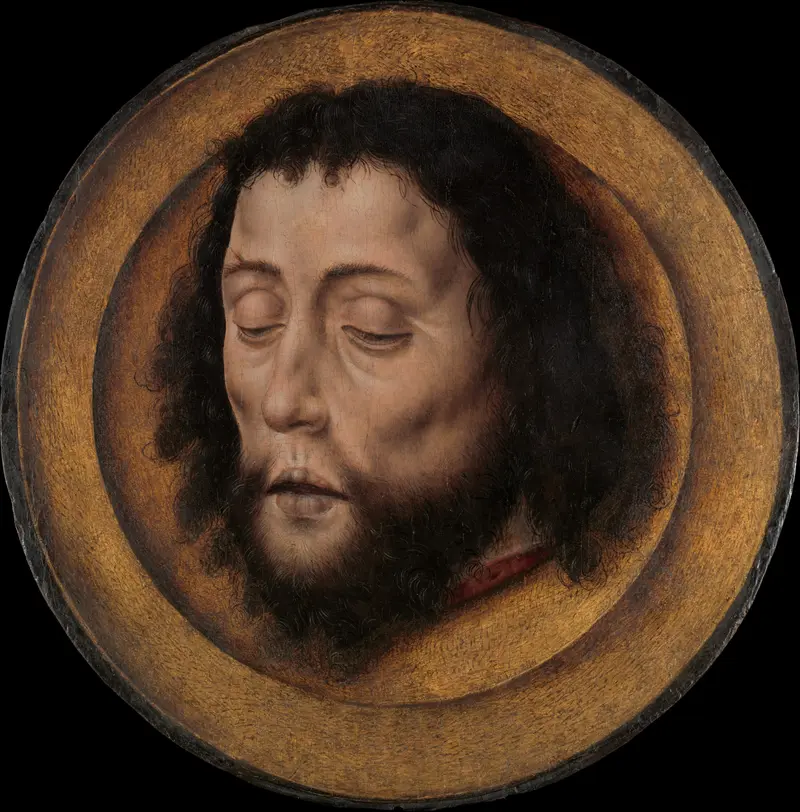
Head of Saint John the Baptist on a Charger
Aelbert Bouts
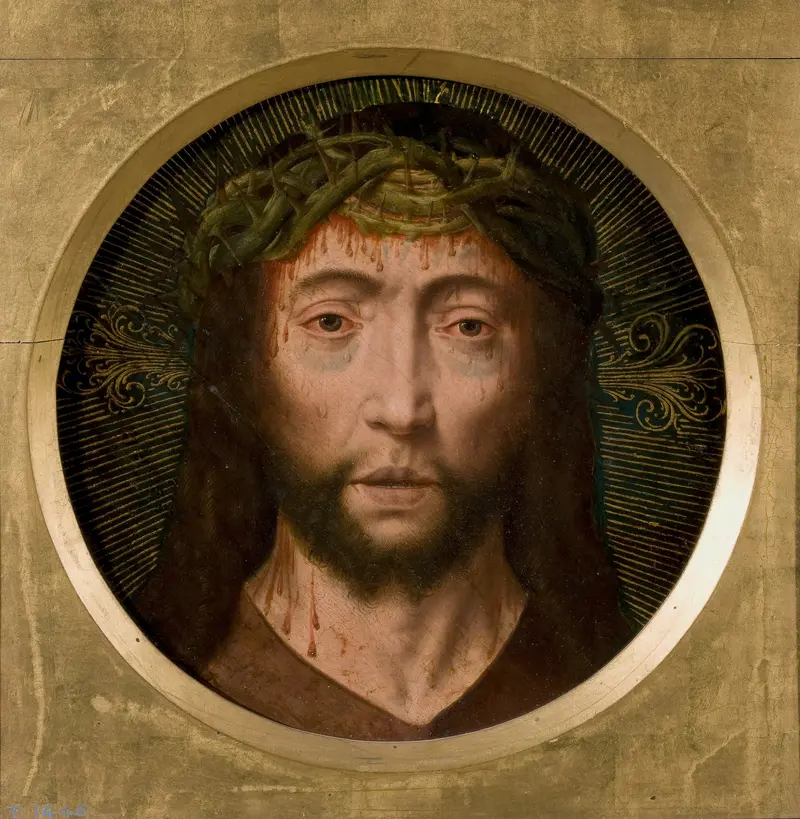
Head of Christ
Aelbert Bouts
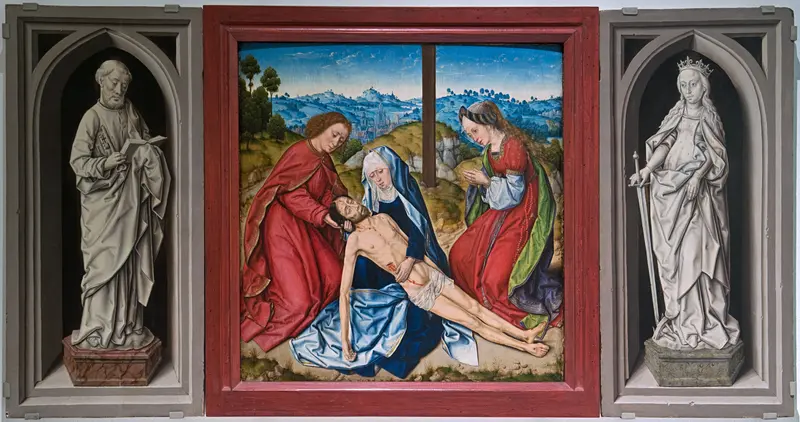
Lamentation of Christ
Aelbert Bouts





