
Head of Saint John the Baptist on a Charger — History & Facts
What draws the eye first is the haunting stillness of the face, ringed by a golden halo that seems to hover between the living and the eternal. Here, Aelbert Bouts chooses not to dramatize violence, but to hold the viewer in a moment of profound quiet: the eyelids rest gently closed, the lips part as if mid-prayer, and the flesh is rendered with a tenderness that refuses to sensationalize the horror of martyrdom. The charger—a shallow, gilded dish—frames the head like a relic, its circular form echoing the sanctity of the subject.
Every brushstroke in the beard and the subtle modeling of the cheekbones draw us closer, inviting contemplation rather than shock. The palette is restrained, the gold and earth tones lending a solemn dignity, as if the saint’s suffering has already been transfigured into something luminous. Painted around 1500, this work belongs to a moment in Northern Europe when devotional images were crafted for intense, private meditation. The story of Saint John the Baptist’s beheading was a favored theme, especially in the Low Countries, where artists like Bouts specialized in devotional panels that encouraged viewers to reflect on sacrifice and redemption.
Such images were often commissioned by individuals or confraternities for chapels and private altars, serving as aids to prayer and reminders of faith’s costs. While history has kept few traces of this particular panel’s early journey, its presence today—donated to the Metropolitan Museum of Art and shared through open access—lets us encounter the past face to face, and invites us to linger over the humanity in the saint’s features.
More Artworks by Aelbert Bouts
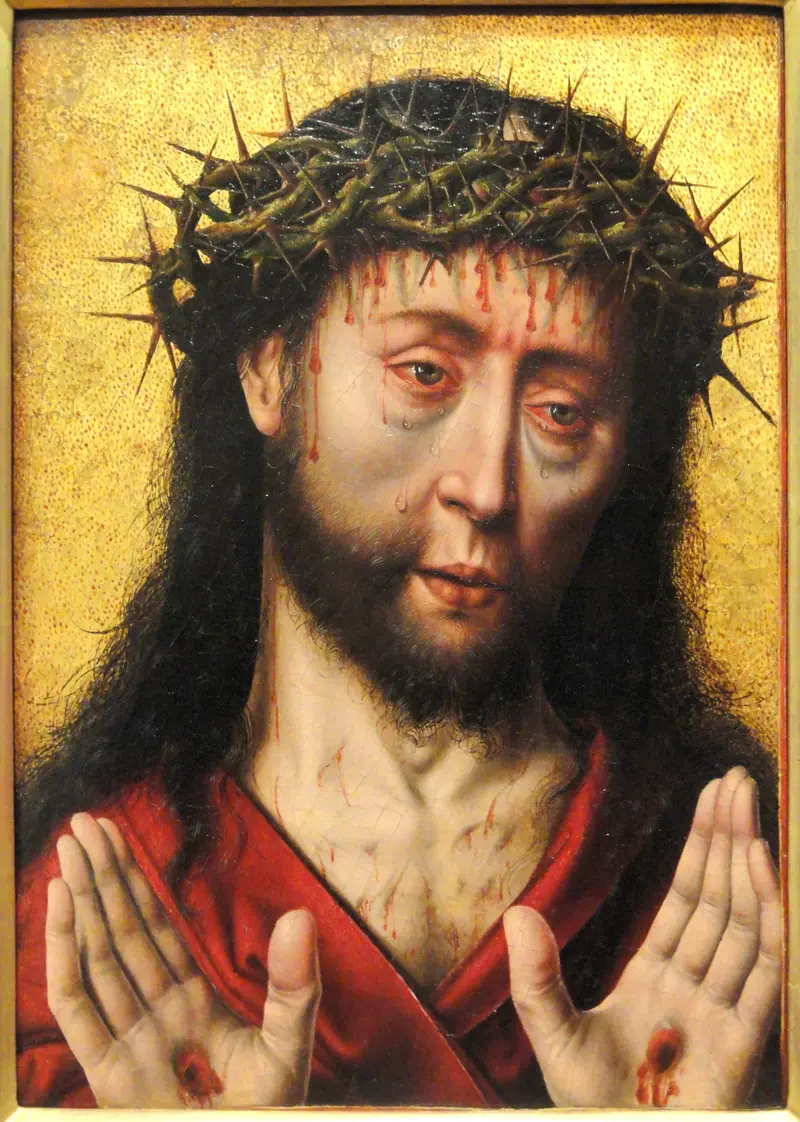
The Man of Sorrows
Aelbert Bouts
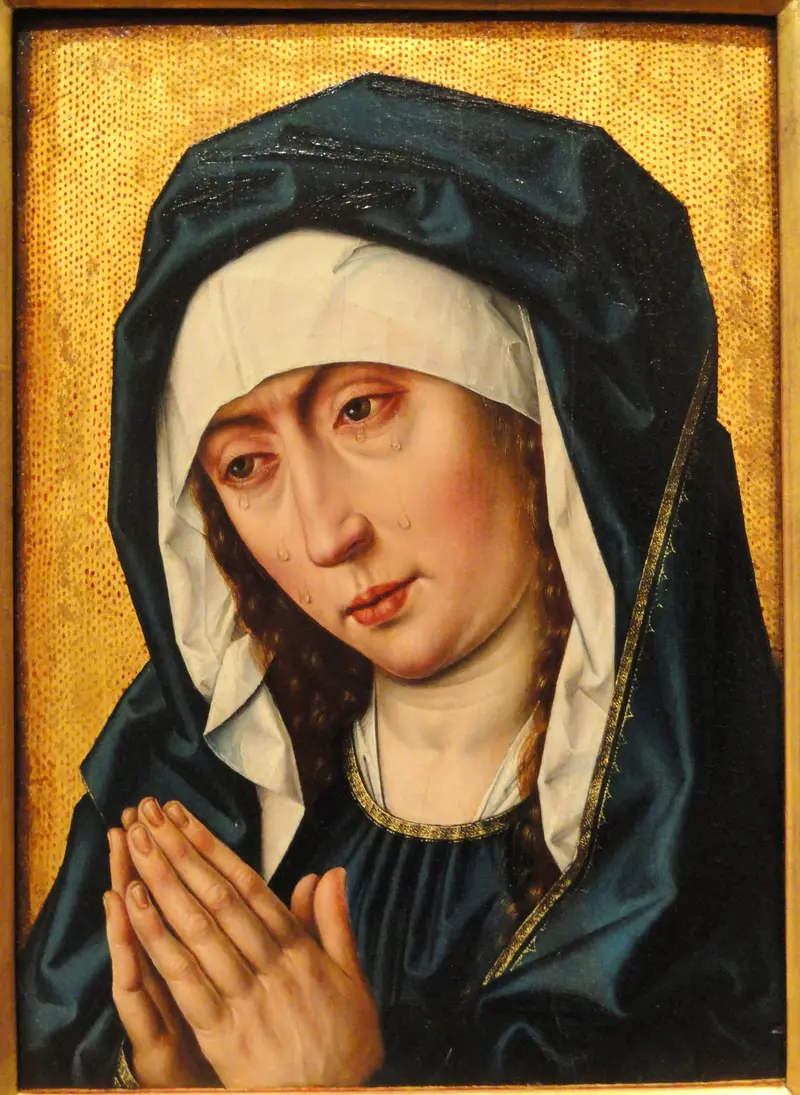
The Mater Dolorosa
Aelbert Bouts
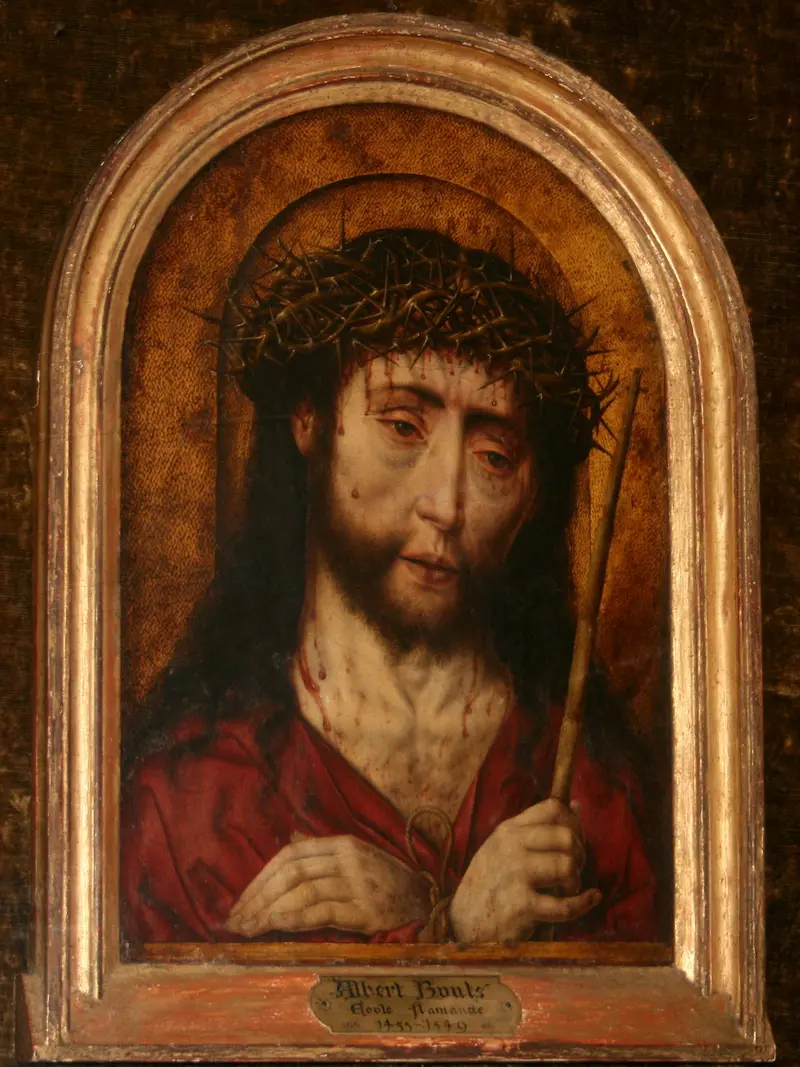
The Mocking of Christ
Aelbert Bouts
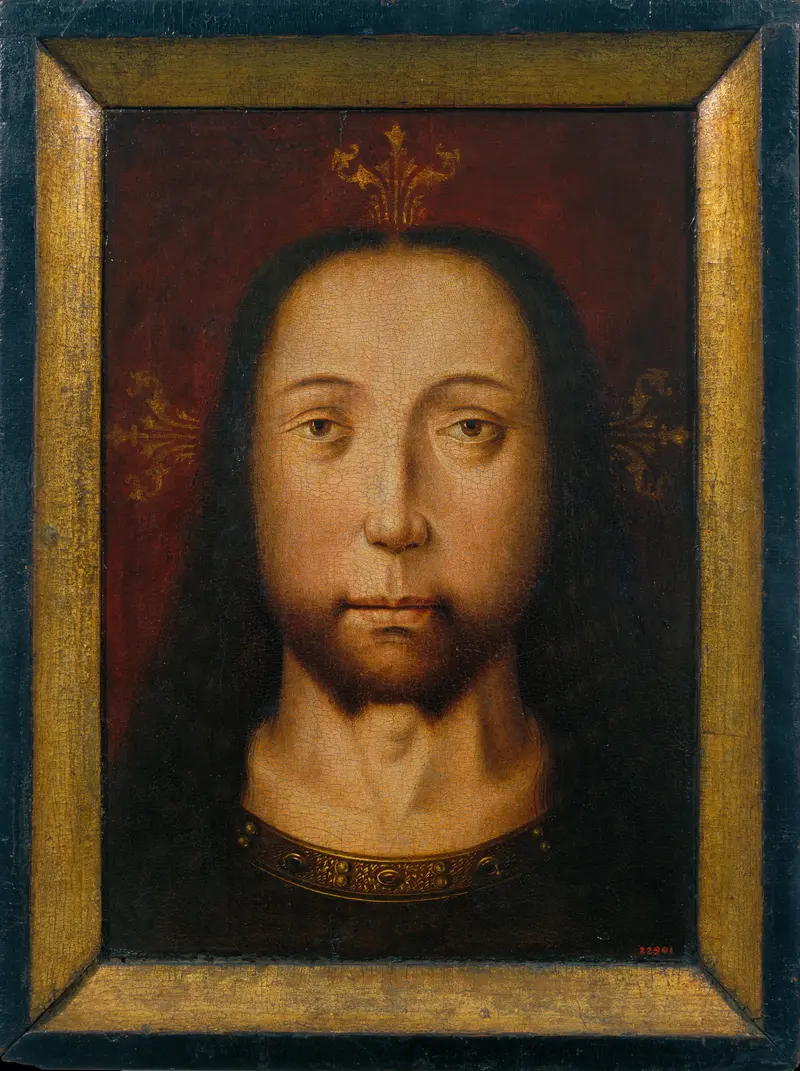
Holy Countenance
Aelbert Bouts
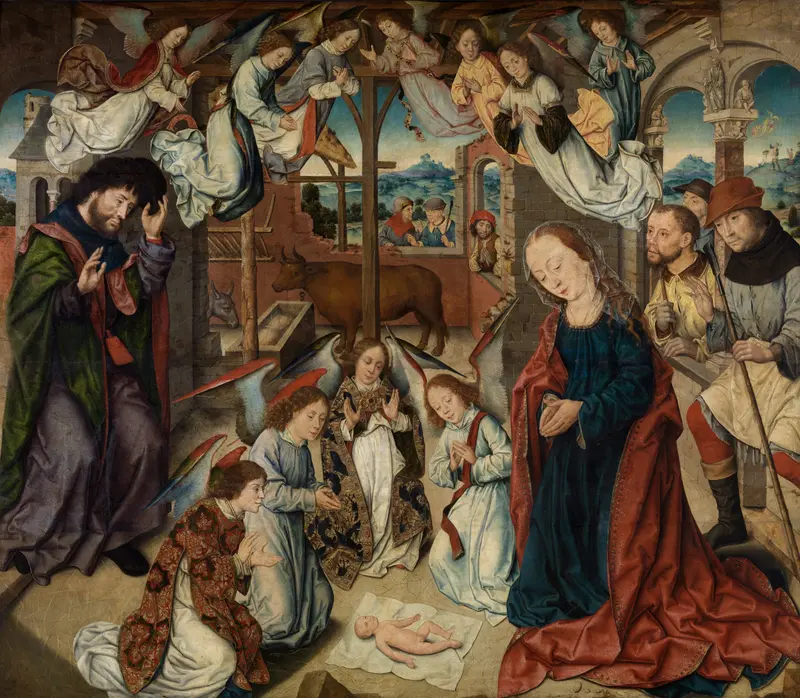
The Adoration of the Shepherds
Aelbert Bouts
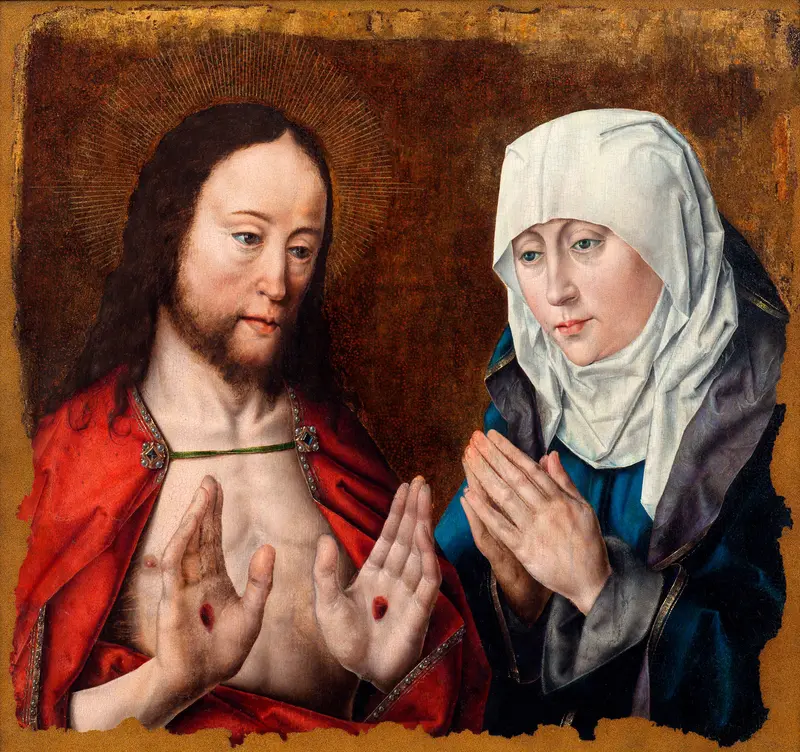
Christ appears to Mary
Aelbert Bouts
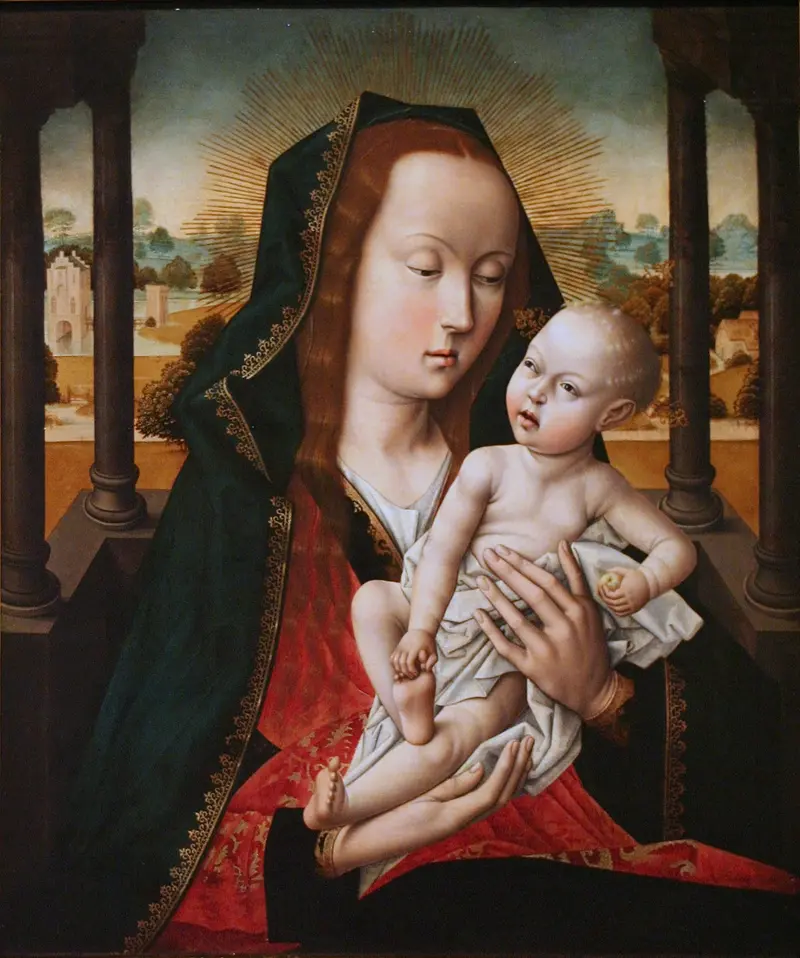
Madonna and Child
Aelbert Bouts
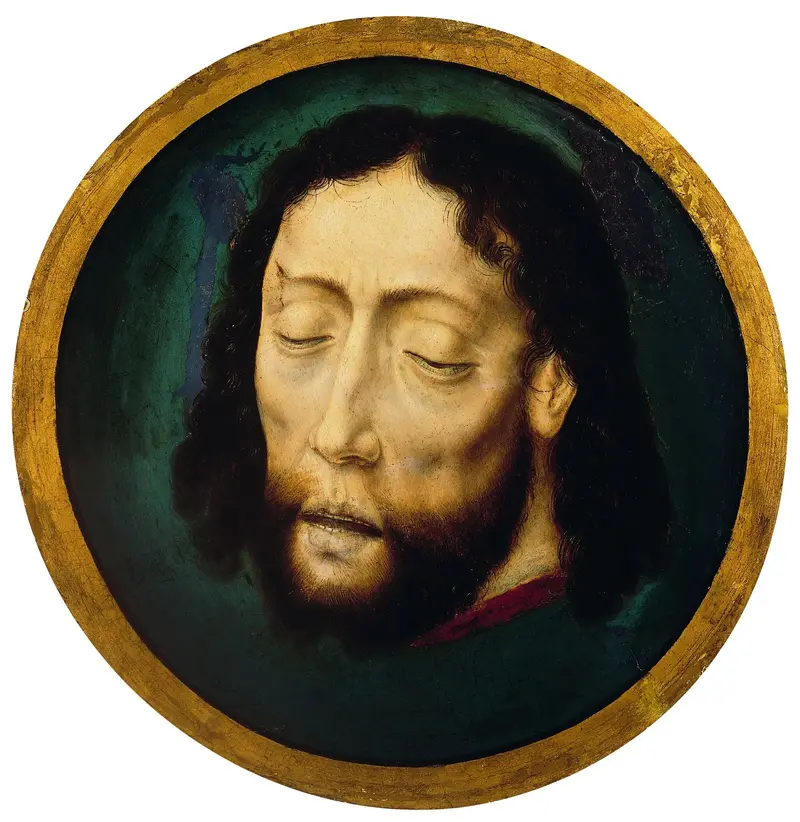
Head of St. John the Baptist
Aelbert Bouts
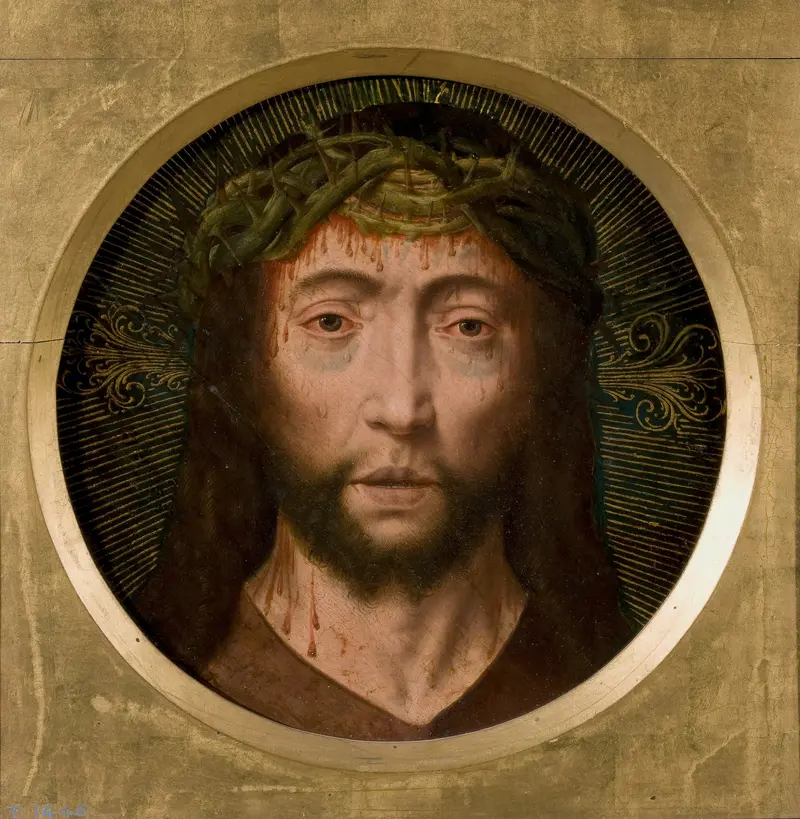
Head of Christ
Aelbert Bouts
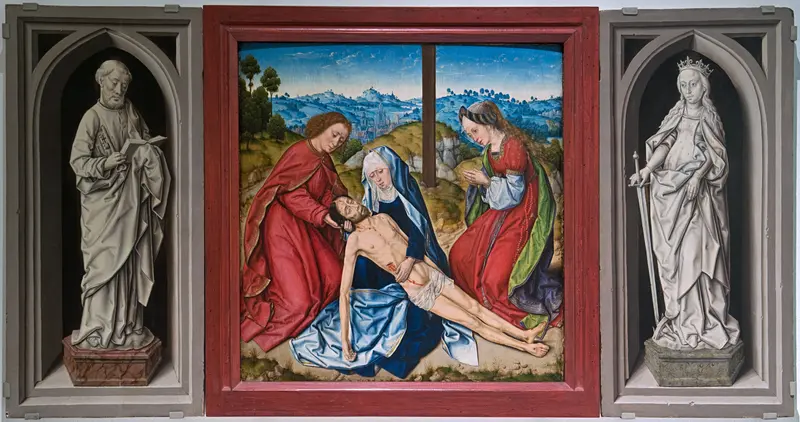
Lamentation of Christ
Aelbert Bouts





