
Head of Christ — History & Facts
The gaze in Head of Christ by Aelbert Bouts is unflinching—direct, sorrowful, and quietly insistent. Here, the artist offers no narrative distraction, no crowd or landscape, but instead confronts the viewer with the full weight of Christ’s suffering. The crown of thorns presses into the brow, its sharpness underscored by the beads of blood that trickle down the pale, almost translucent skin.
Every detail is designed to hold the eye: the delicate rendering of hair, the subtle modeling of flesh, the tearful eyes that seem to search for compassion. The background, a dark halo ringed with gold and fine lines, pushes the face forward, making the encounter inescapable. Works like this, created in the early sixteenth century, were often intended for private devotion, inviting the viewer into a personal meditation on Christ’s Passion. In the Low Countries, where Aelbert Bouts was active, such images became increasingly intimate and emotionally charged during this period.
The date given—between 1500 and 1525—places this painting at a moment when artists sought ever greater realism and psychological depth, responding to both religious reform and the tastes of a growing urban class. The Museo del Prado now holds this work, a survivor from an age when images were made to be looked at, not just seen—let your eyes linger, and notice how every brushstroke is a call to reflection.
More Artworks by Aelbert Bouts
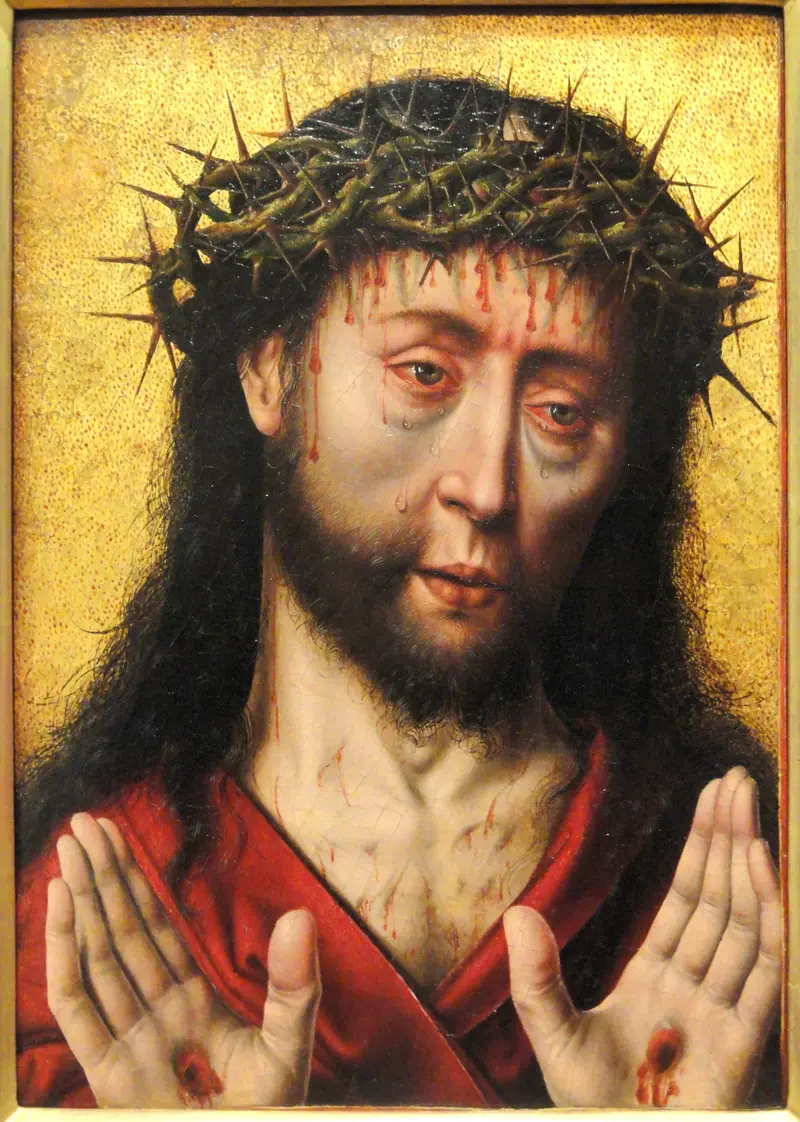
The Man of Sorrows
Aelbert Bouts
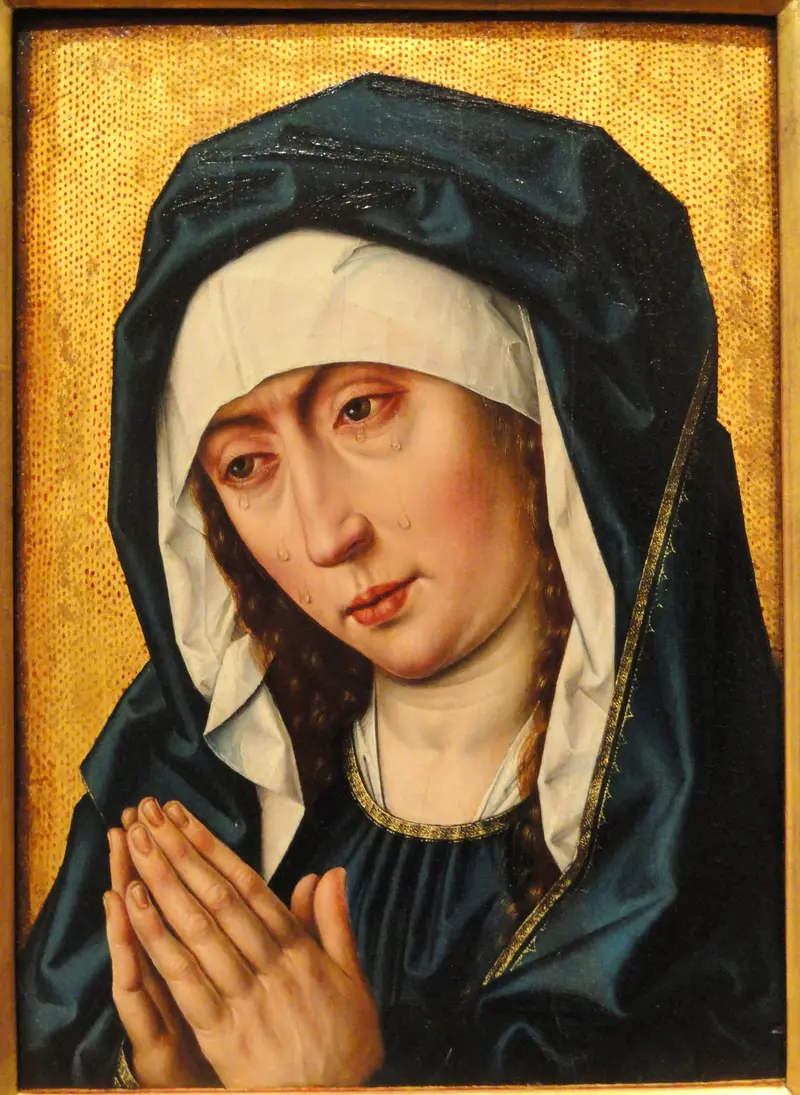
The Mater Dolorosa
Aelbert Bouts
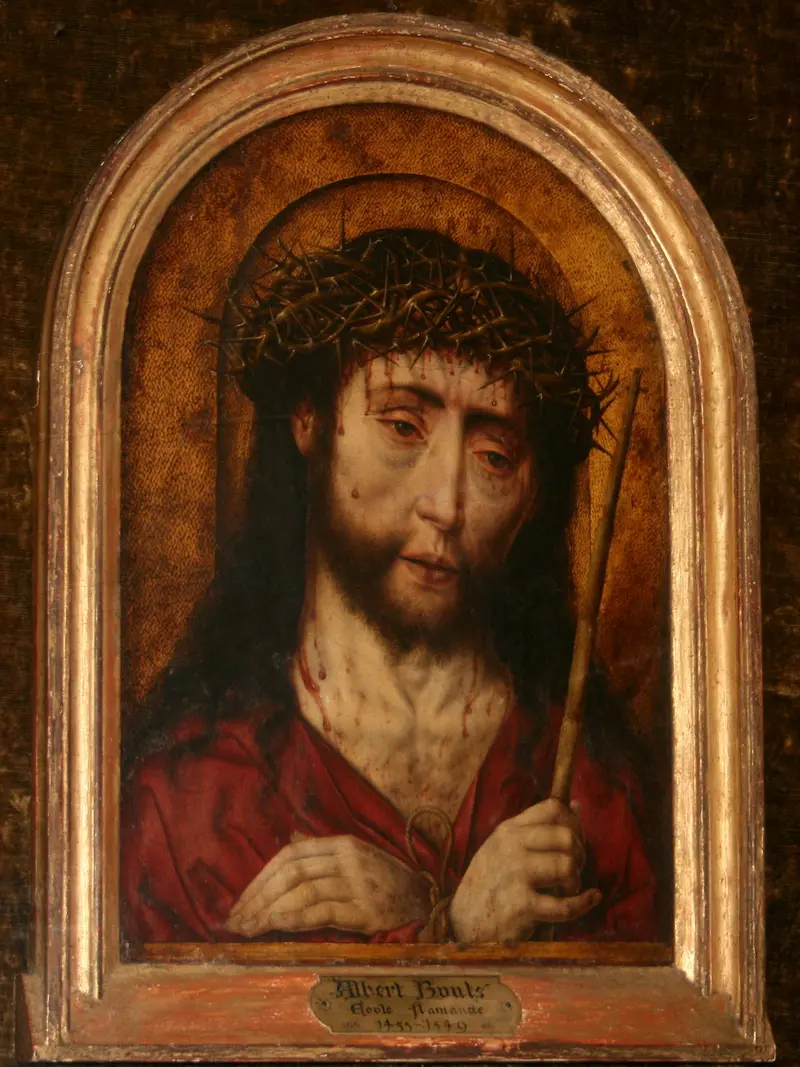
The Mocking of Christ
Aelbert Bouts
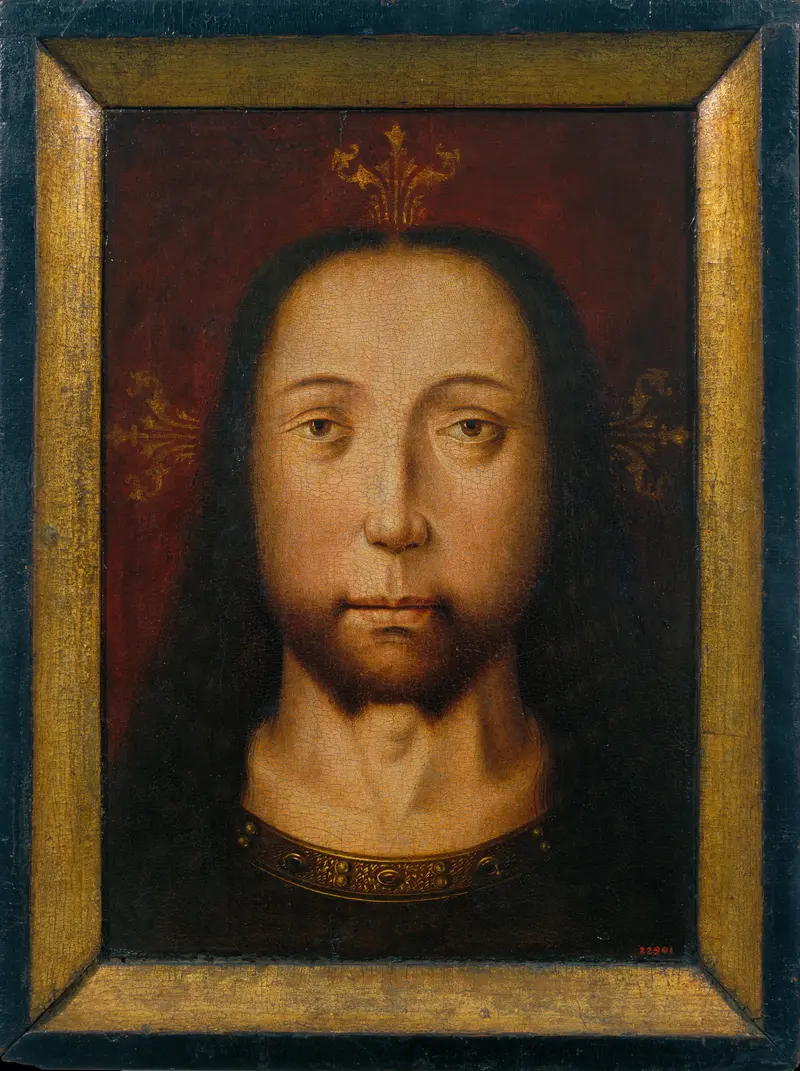
Holy Countenance
Aelbert Bouts
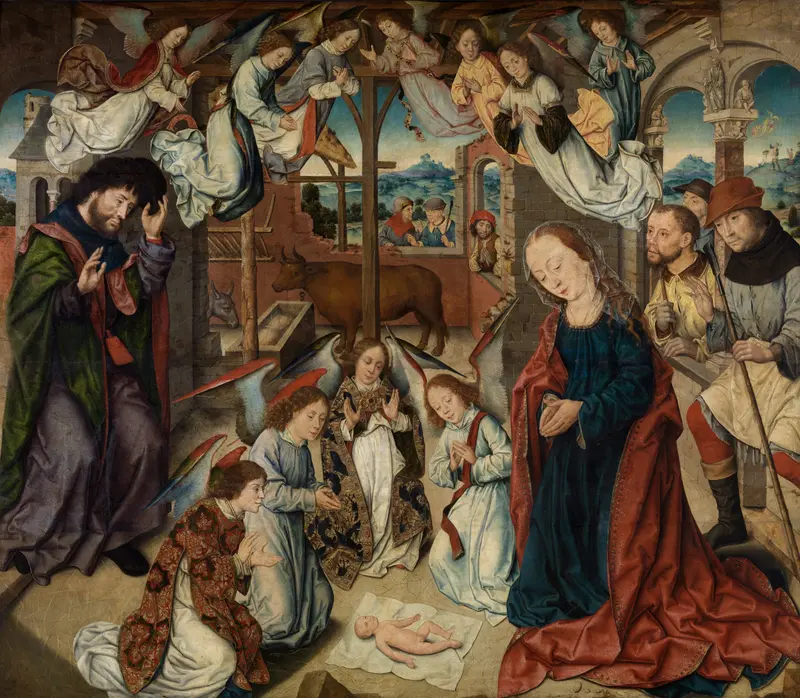
The Adoration of the Shepherds
Aelbert Bouts
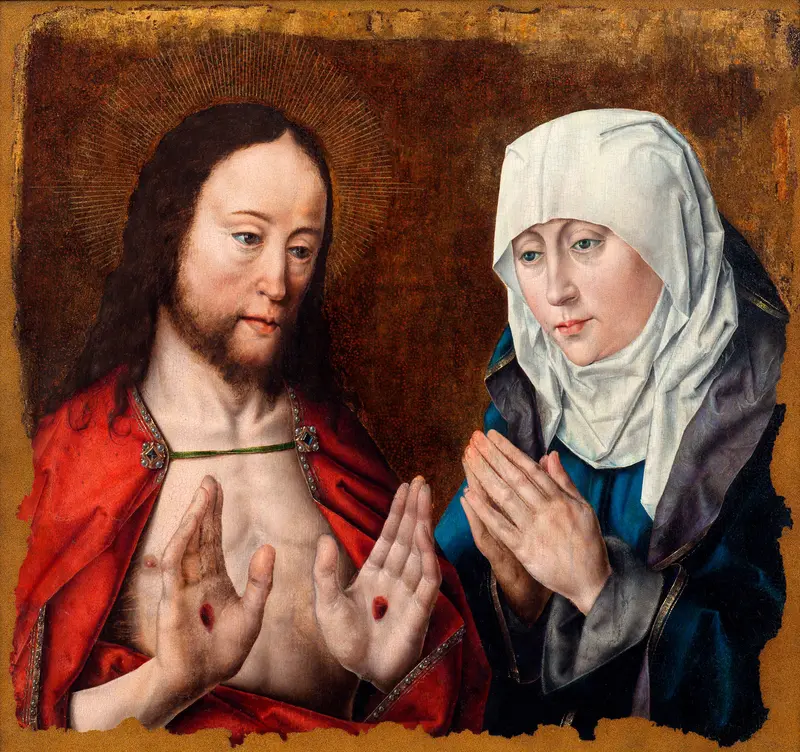
Christ appears to Mary
Aelbert Bouts
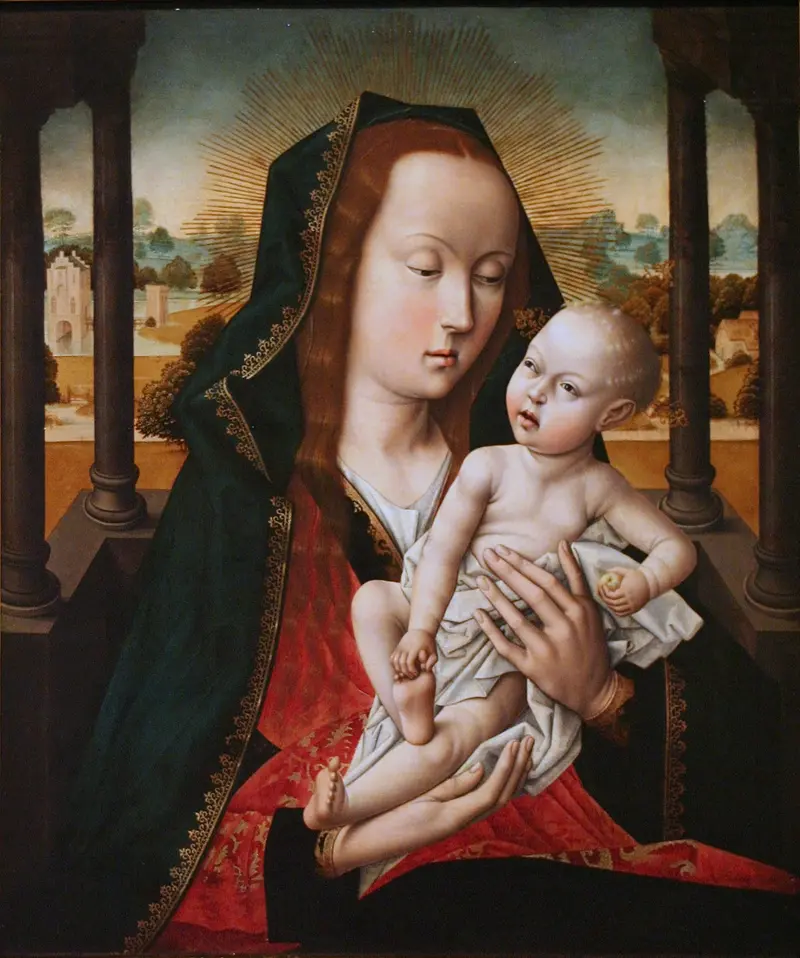
Madonna and Child
Aelbert Bouts
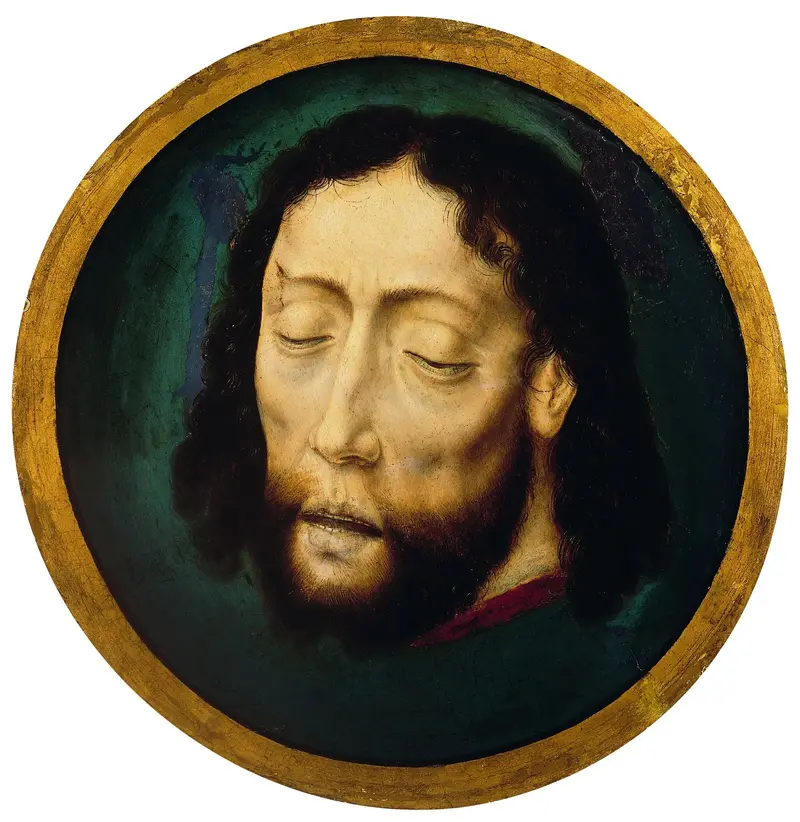
Head of St. John the Baptist
Aelbert Bouts
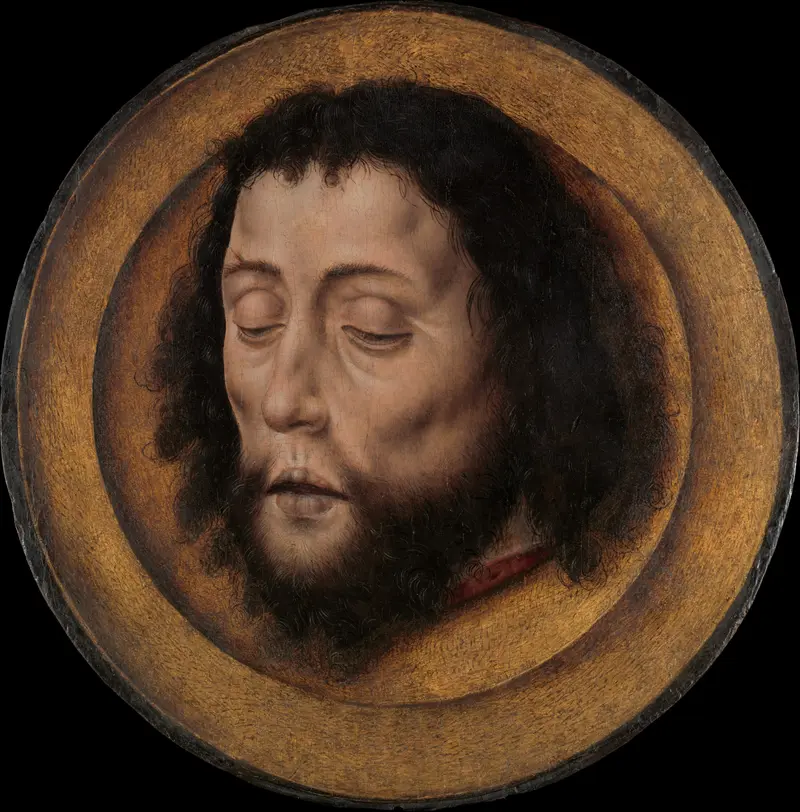
Head of Saint John the Baptist on a Charger
Aelbert Bouts
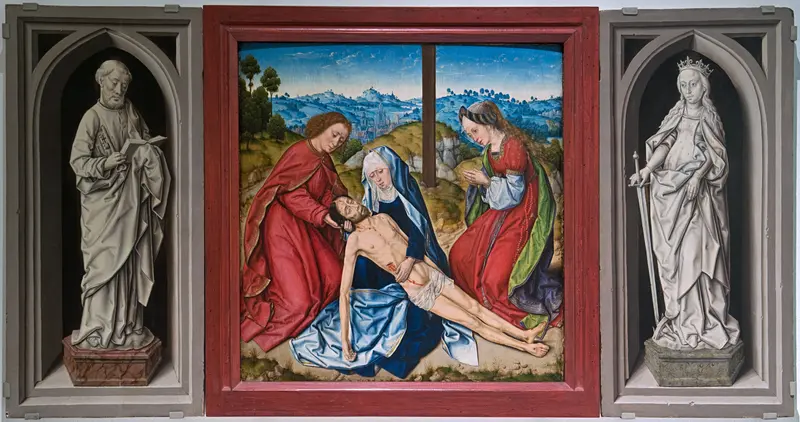
Lamentation of Christ
Aelbert Bouts





