
Allegory of Joy and Melancholy — History & Facts
A crown of fresh flowers and a goblet brimming with red wine: these are not just props, but signals, drawing us into the charged encounter at the heart of Allegory of Joy and Melancholy. The young figure, cheeks flushed and eyes intent, lifts her glass to the light, the liquid inside catching a warm glow that seems to promise delight. Yet just behind her, shadowed and slumped, an older woman leans on her elbow, her face drawn and her gaze heavy with fatigue or regret.
The contrast is immediate and theatrical—one figure animated by pleasure, the other weighed down by sorrow—inviting the viewer to linger on the uneasy balance between these two states. Painted in 1628 by Abraham Janssens, this work belongs to a world where allegory was a favored language for exploring the extremes of human experience. The lush, almost tactile rendering of the young woman's garland and the shimmering folds of her dress speak to the painter's command of texture and light, while the older woman’s rougher features and worn clothing ground the scene in a harsher reality. The composition pulls the eye from the exuberant gesture of the raised glass to the gnarled branch above, then down to the torn sleeve and the resigned posture of Melancholy.
In the early seventeenth century, such images were often commissioned by learned patrons who delighted in puzzles and moral lessons—here, the viewer is left to weigh the fleeting pleasures of joy against the enduring presence of sorrow. Now held in the Ashmolean Museum, this painting stands as a vivid testament to an age that saw life’s opposites not as contradictions, but as partners in the same dance.
More Artworks by Abraham Janssens

Jupiter Rebuked by Venus
Abraham Janssens
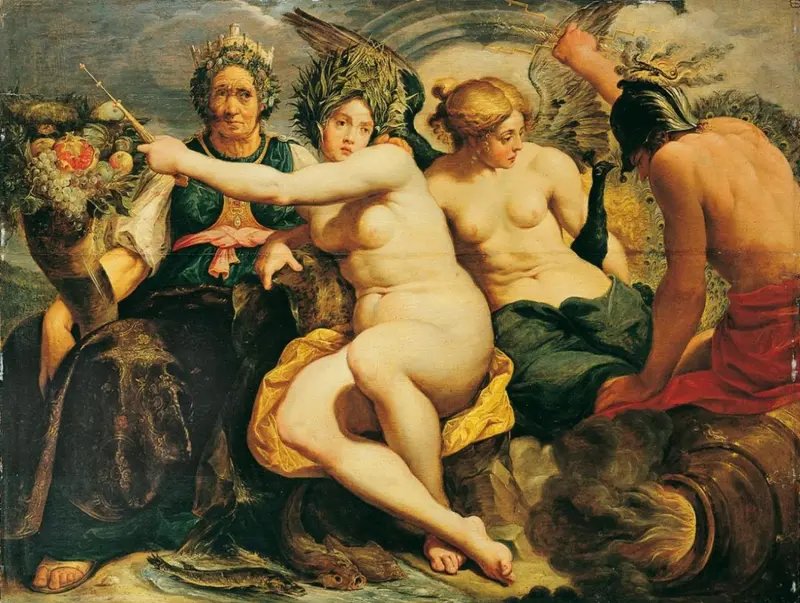
Allegorie der vier Elemente
Abraham Janssens
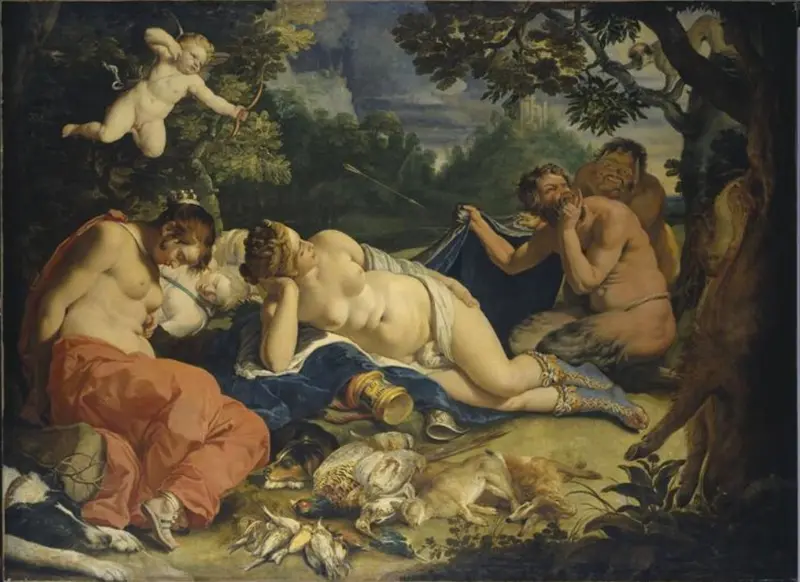
Diana and her nymphs spied on by satyrs
Abraham Janssens

Die Erweckung des Lazarus 153 Bavarian State Painting Collections
Abraham Janssens
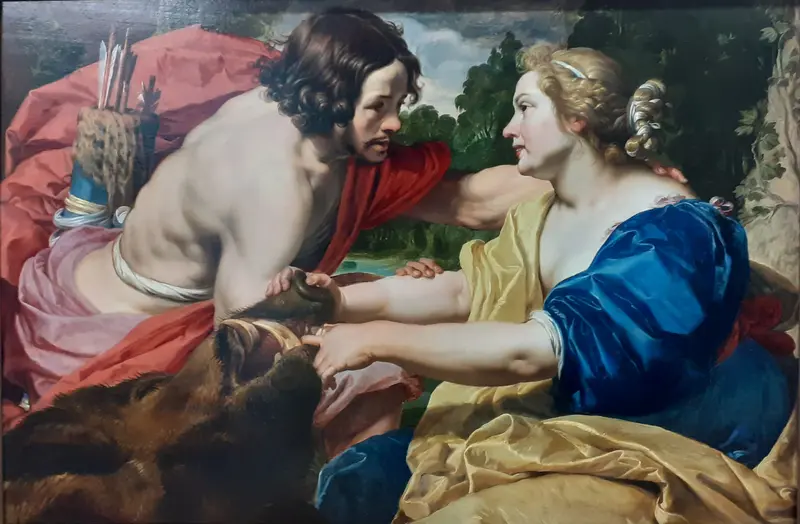
Meleager presents the head of the Calydonian Boar to Atalanta
Abraham Janssens
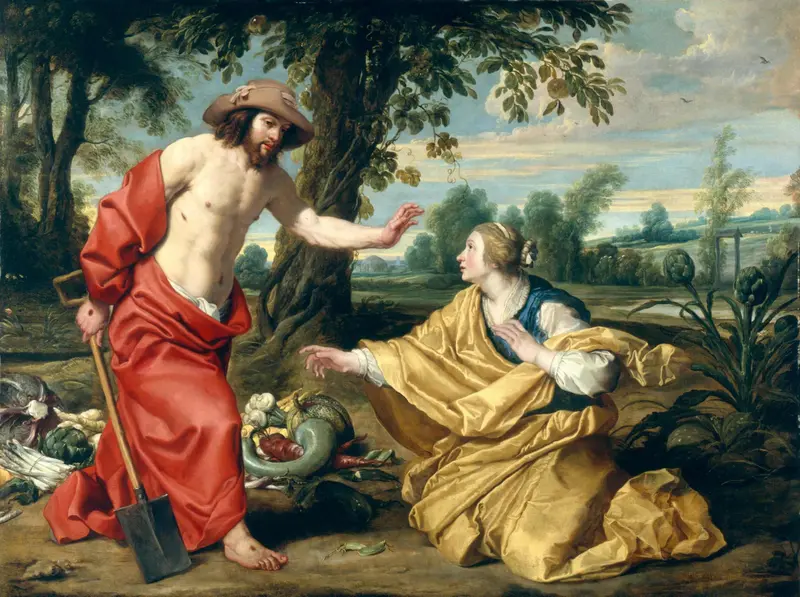
Noli me Tangere
Abraham Janssens
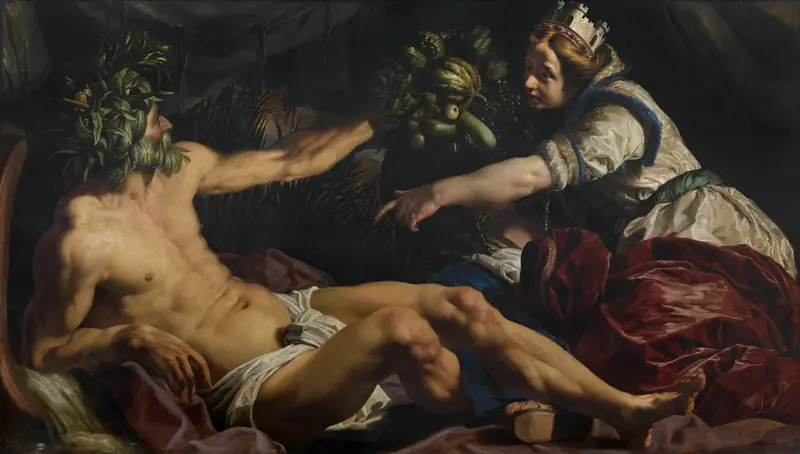
Scaldis and Antverpia
Abraham Janssens
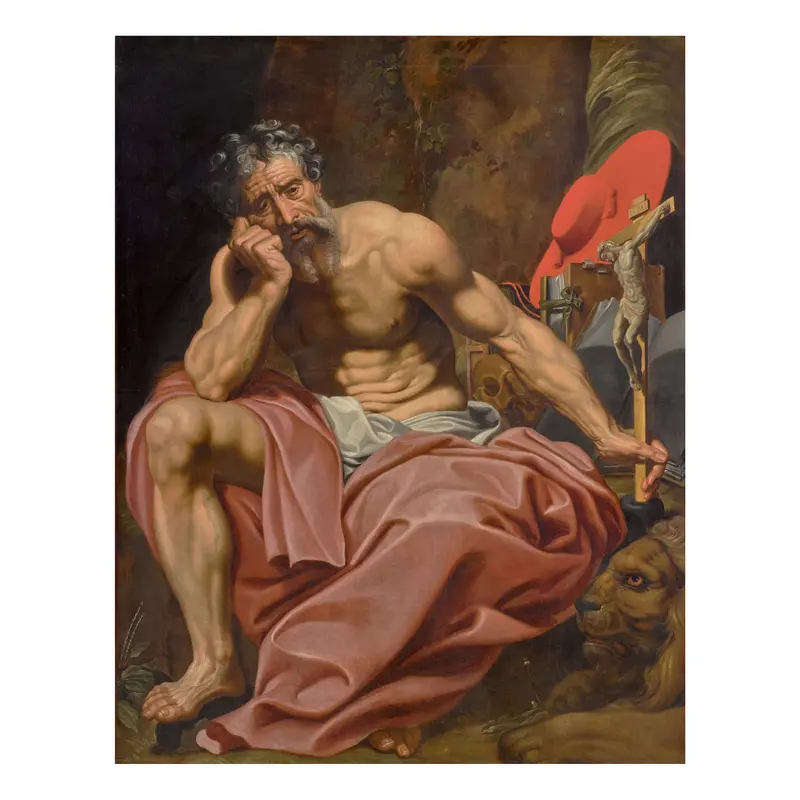
Saint Jerome
Abraham Janssens
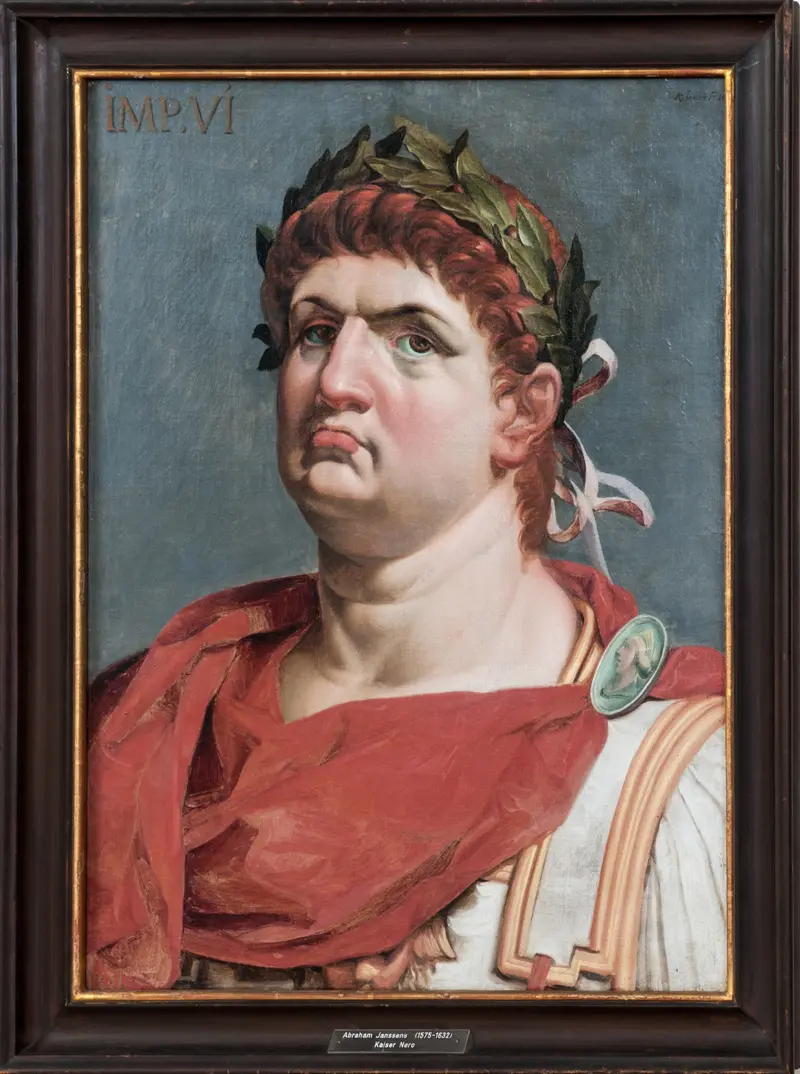
Nero
Abraham Janssens
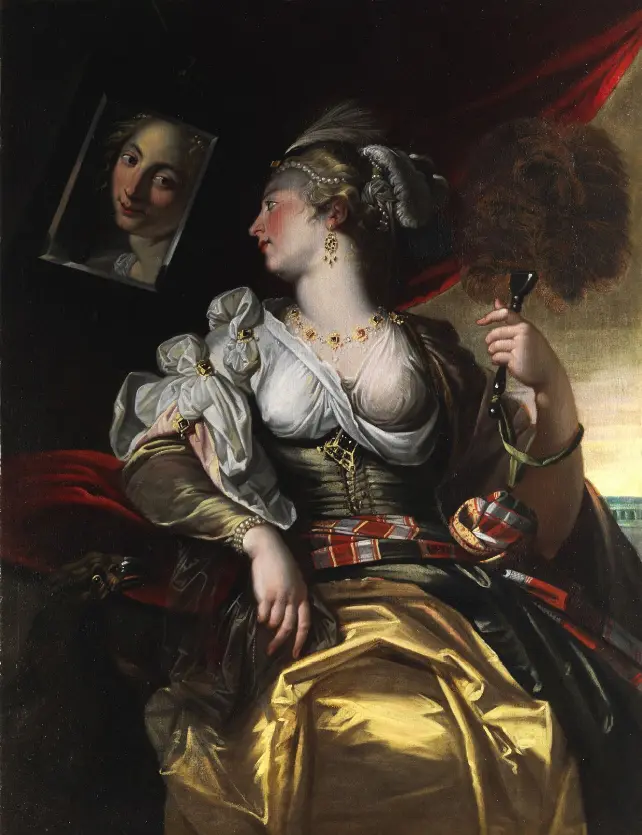
The Face
Abraham Janssens





