
Allegory of Sculpture — History & Facts
Few paintings so directly challenge the boundaries of art and artist as Allegory of Sculpture by Artemisia Gentileschi, created around 1620. This work stands out for its bold assertion of the female artist’s identity at a time when women were rarely acknowledged as professional painters. The painting is often discussed alongside Cesare Ripa’s Iconologia, a book that codified allegorical figures, yet Gentileschi’s interpretation is strikingly personal—many scholars believe she modeled the figure after herself, making a subtle claim for her own place in the world of art. In the painting, a robust woman sits at a worktable, chisel in hand, her gaze intent and her sleeves rolled up, caught in the very act of creation.
The attributes around her—a sculpted bust, mallet, and a thick chain—are drawn from Ripa’s description of Sculpture personified, but Gentileschi transforms the allegory into a living, breathing presence. The woman’s muscular arms and focused expression speak of labor and intellect, qualities rarely attributed to women in art of the time. Unlike Allegory of Sculpture by Guido Reni, where the figure is more decorative and passive, Gentileschi’s version pulses with agency and realism, the light sharpening the contours of flesh and marble alike. The early history of Allegory of Sculpture is not fully documented; the identity of its original patron remains uncertain, as does its intended destination.
What is clear is that the painting belongs to a series of allegorical works Gentileschi produced during her years in Florence, a period when she was gaining recognition among the city’s elite and joining the Accademia delle Arti del Disegno. Today, the painting is celebrated as a rare and assertive self-representation by a woman artist in the Baroque era, and it continues to inspire debate about authorship, identity, and the role of women in art. Its survival and prominence in modern collections underscore Gentileschi’s enduring significance.
More Artworks by Artemisia Gentileschi

Judith Beheading Holofernes
Artemisia Gentileschi
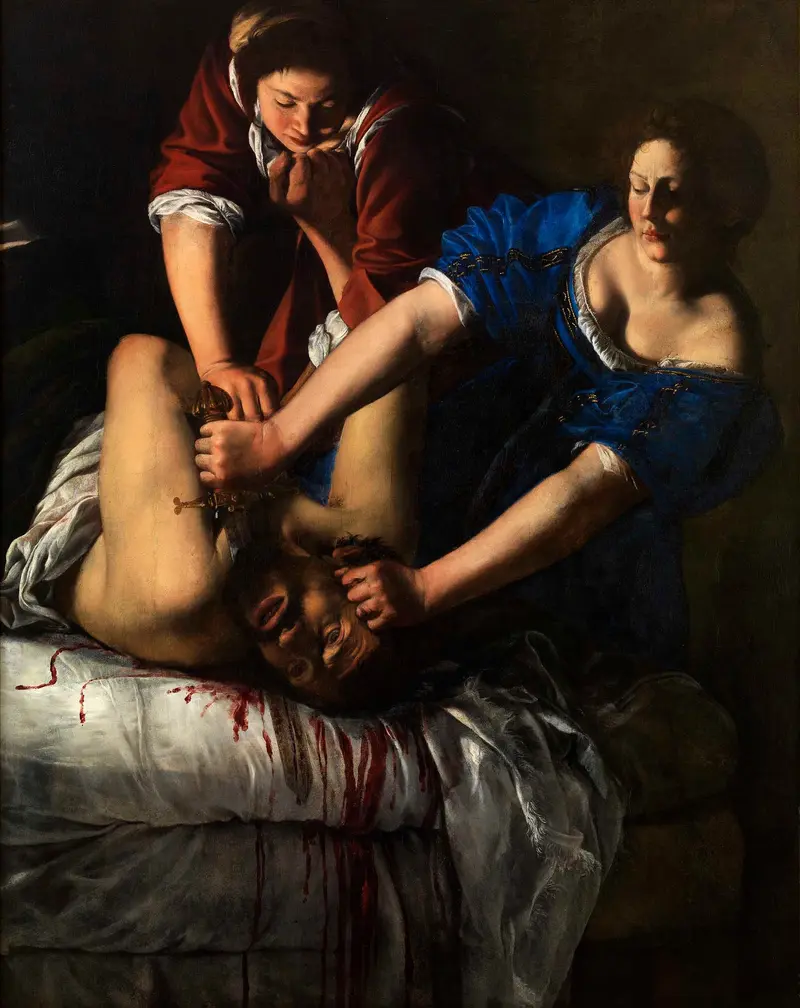
Judith Slaying Holofernes
Artemisia Gentileschi
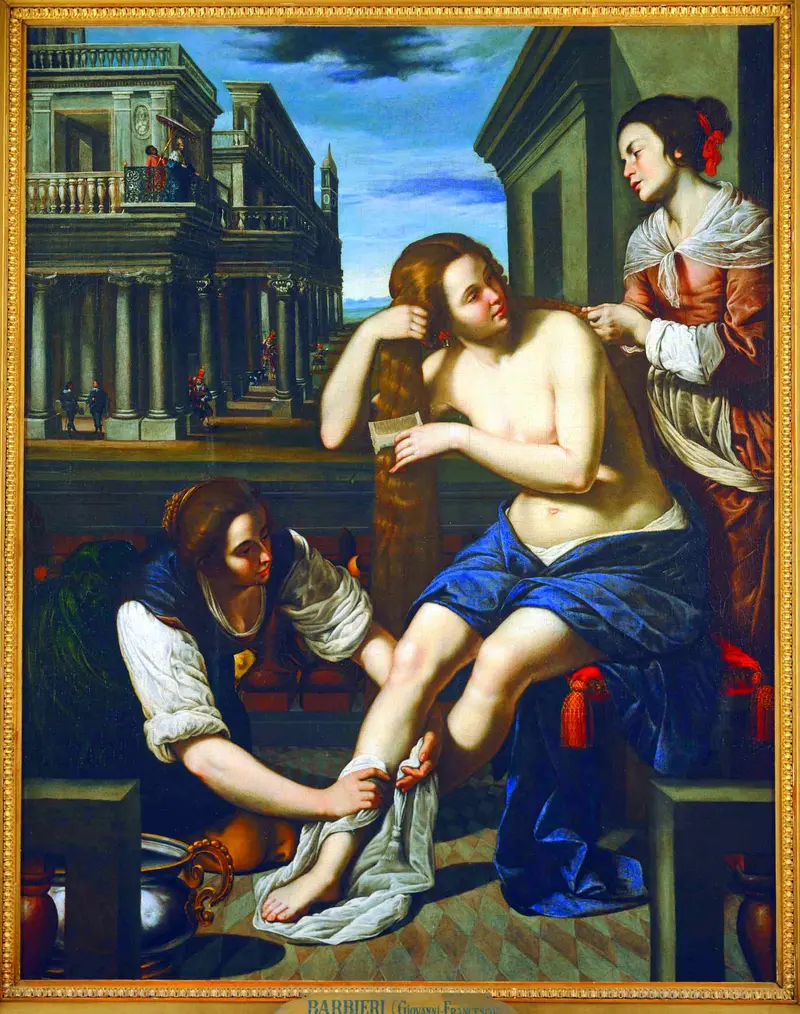
Bathsheba at Her Bath
Artemisia Gentileschi
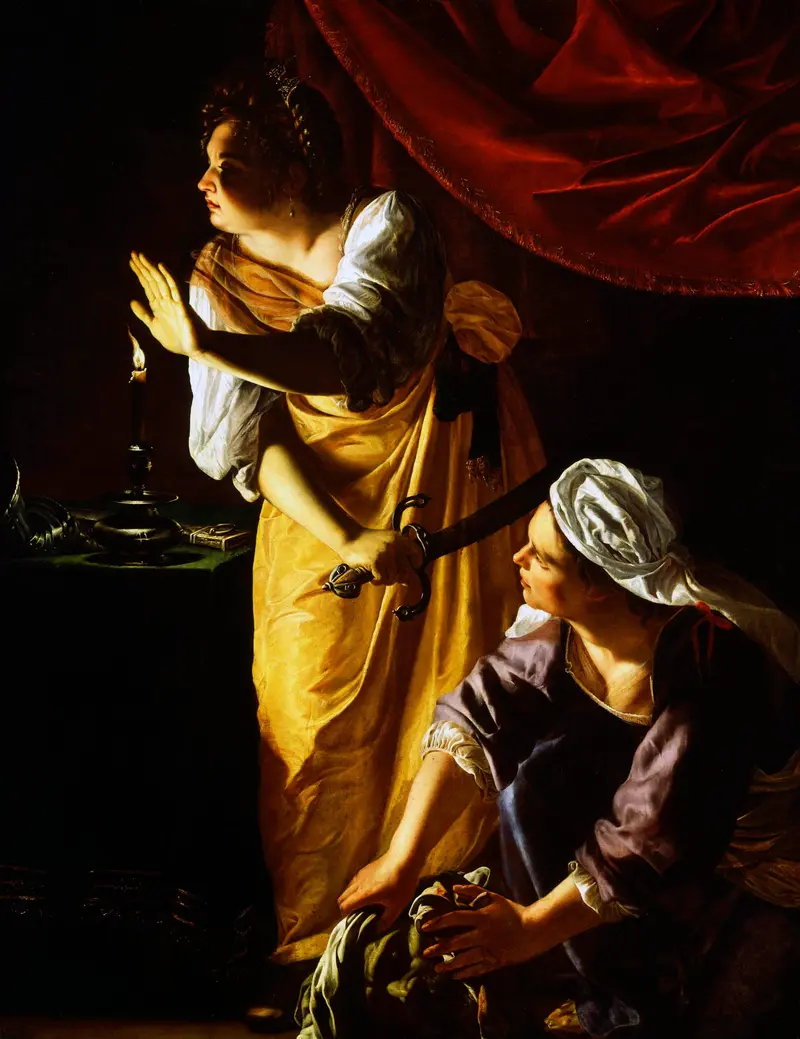
Judith and Maidservant with Head of Holofernes
Artemisia Gentileschi
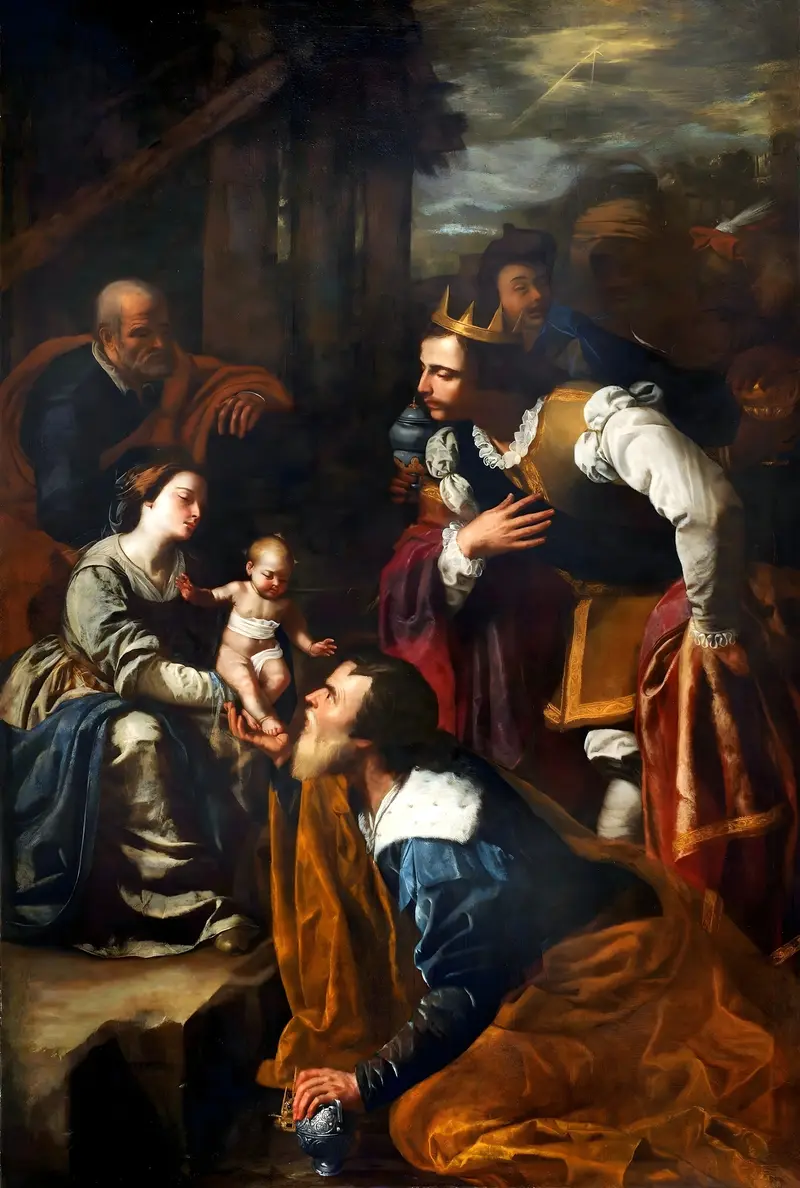
Adoration of the Magi
Artemisia Gentileschi
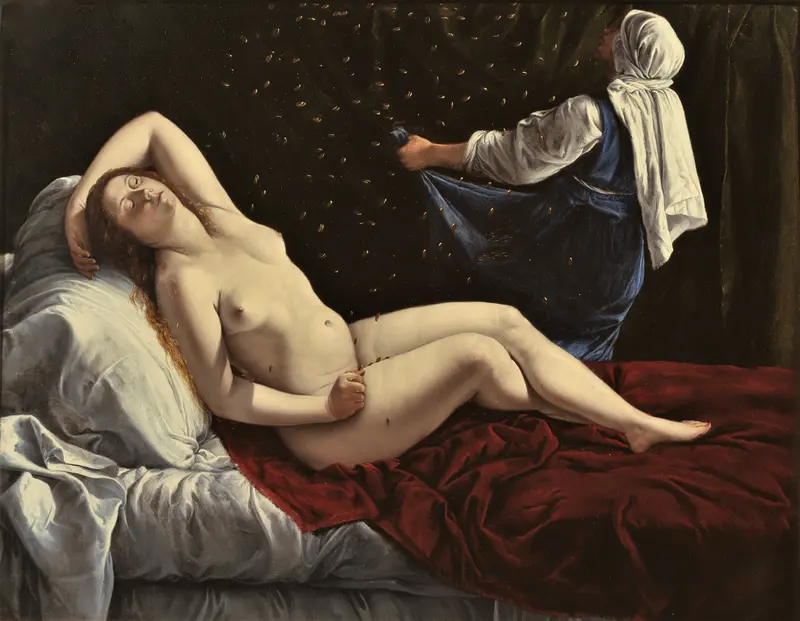
Danaë
Artemisia Gentileschi
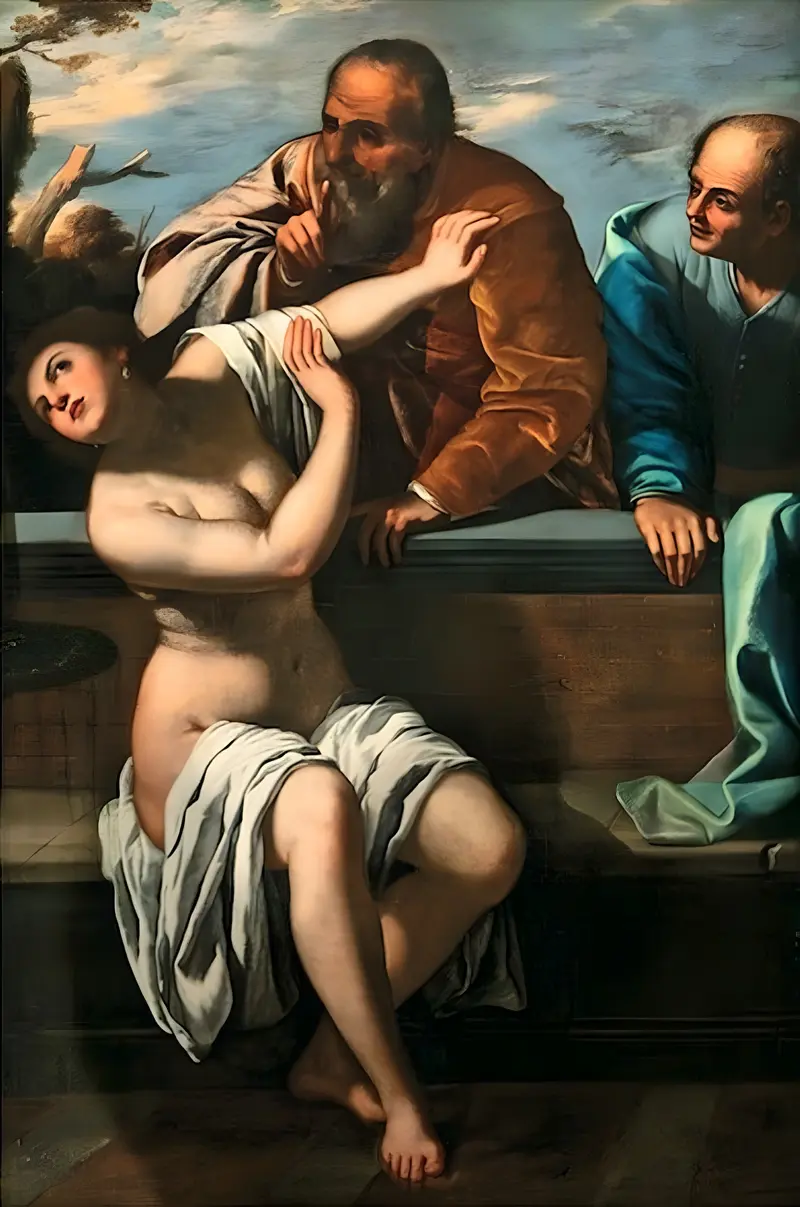
Susannah and the Elders
Artemisia Gentileschi

Judith and her Servant with the Head of Holofernes
Artemisia Gentileschi
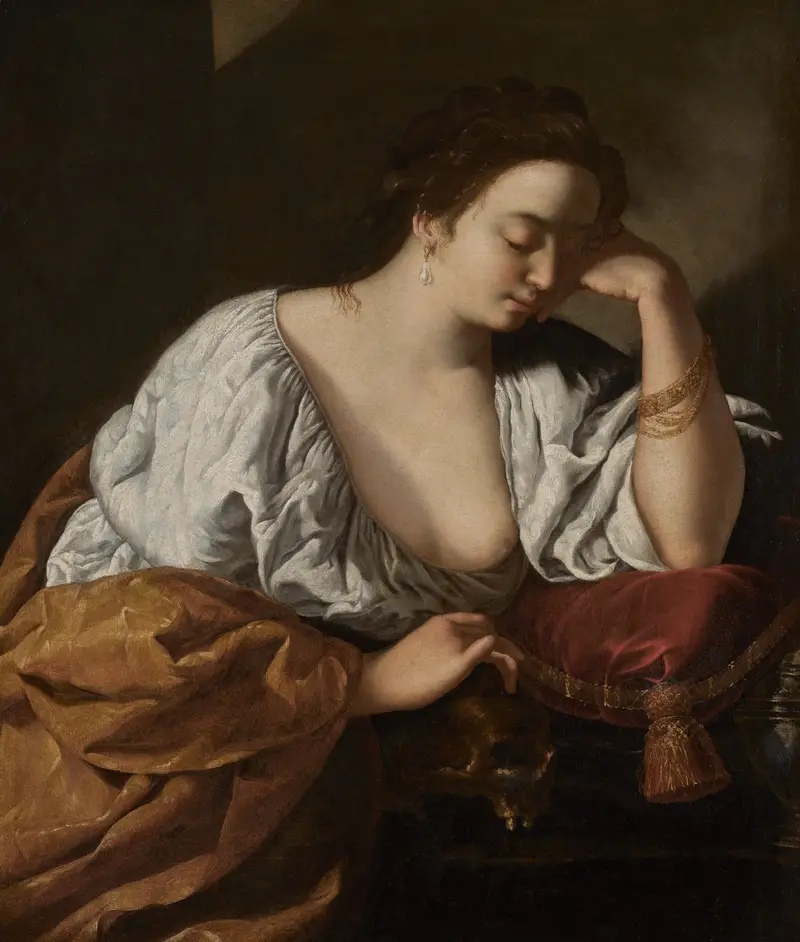
Madeleine pénitente, par
Artemisia Gentileschi
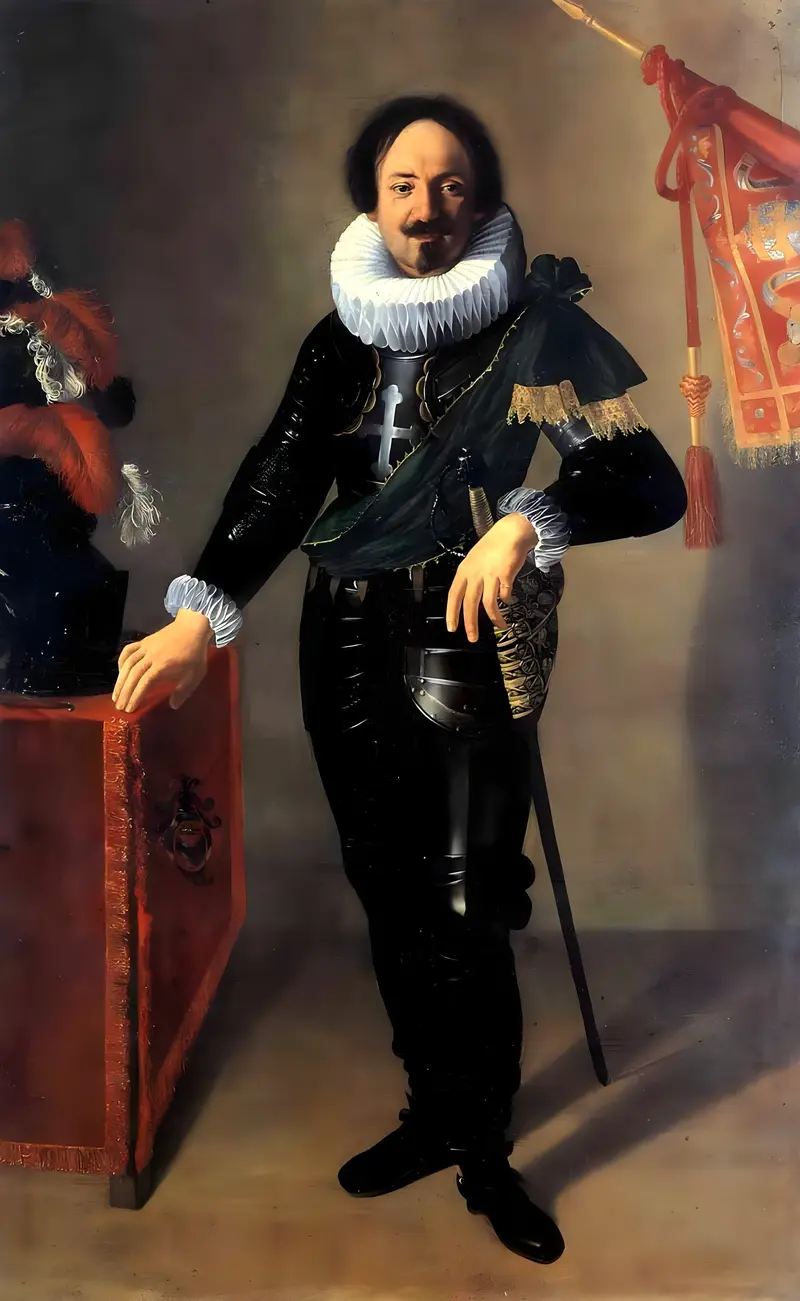
Portrait of a Gonfaloniere
Artemisia Gentileschi





