
Amparo Romero, señora de Sáenz y de la Barrera — History & Facts
What first draws the eye in Amparo Romero, señora de Sáenz y de la Barrera is the striking, almost direct gaze of the sitter—poised, composed, and quietly assured. The artist, Antonio Maria Esquivel, frames her against a dark, wooded backdrop, but it is the luminous blue of her dress and the delicate gold of her jewelry that command attention. Every detail seems chosen to convey not just status but personality: the intricate embroidery at her neckline, the careful arrangement of her hair, and the lace-edged handkerchief resting in her lap.
The light falls softly across her face and hands, heightening the sense of presence and inviting the viewer to linger on the subtle interplay of textures—velvet, lace, and skin. Painted in 1843, this portrait belongs to a world where such works served as both social record and personal statement. Portraits like this, especially in mid-19th century Spain, were often commissioned by families eager to assert their place in a changing society, their fortunes and alliances preserved in oil and canvas. While little is recorded about the individual history of this particular painting, its survival in the Prado’s collection speaks to the enduring value placed on these images of private dignity and public identity.
Look again at the sitter’s calm expression and the careful craftsmanship: here, the past is not distant, but quietly alive, waiting to meet your gaze.
More Artworks by Antonio Maria Esquivel

Baldomero Espartero
Antonio Maria Esquivel
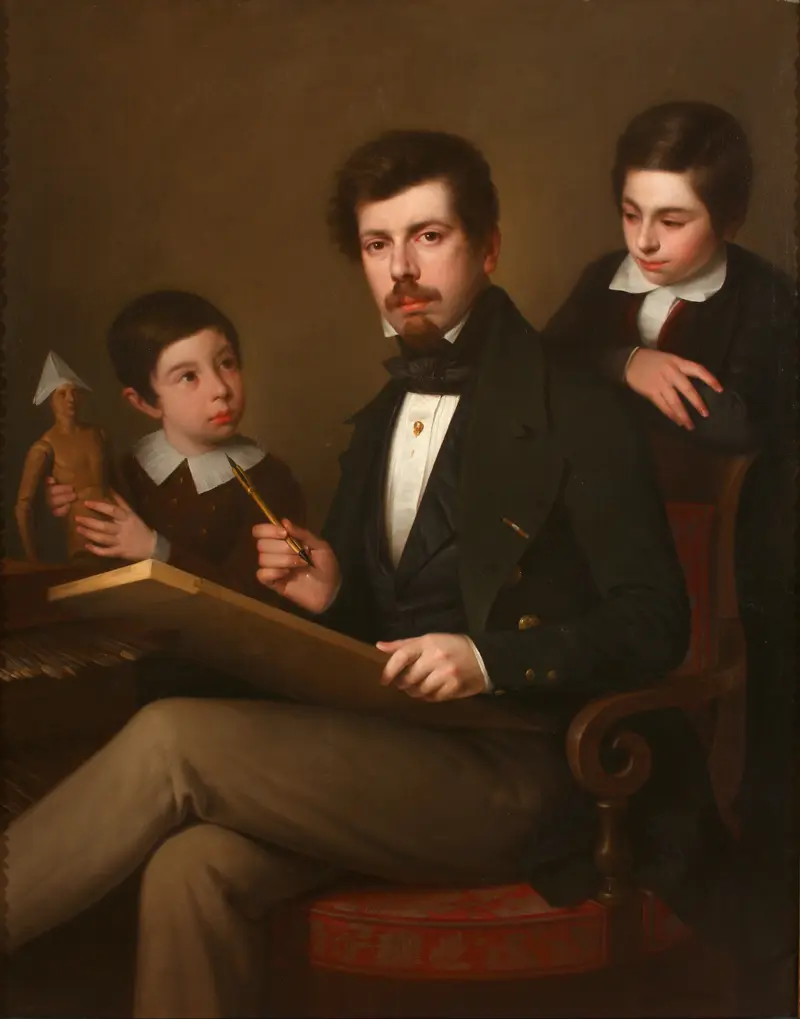
Self-portrait with his sons Carlos and Vicente
Antonio Maria Esquivel
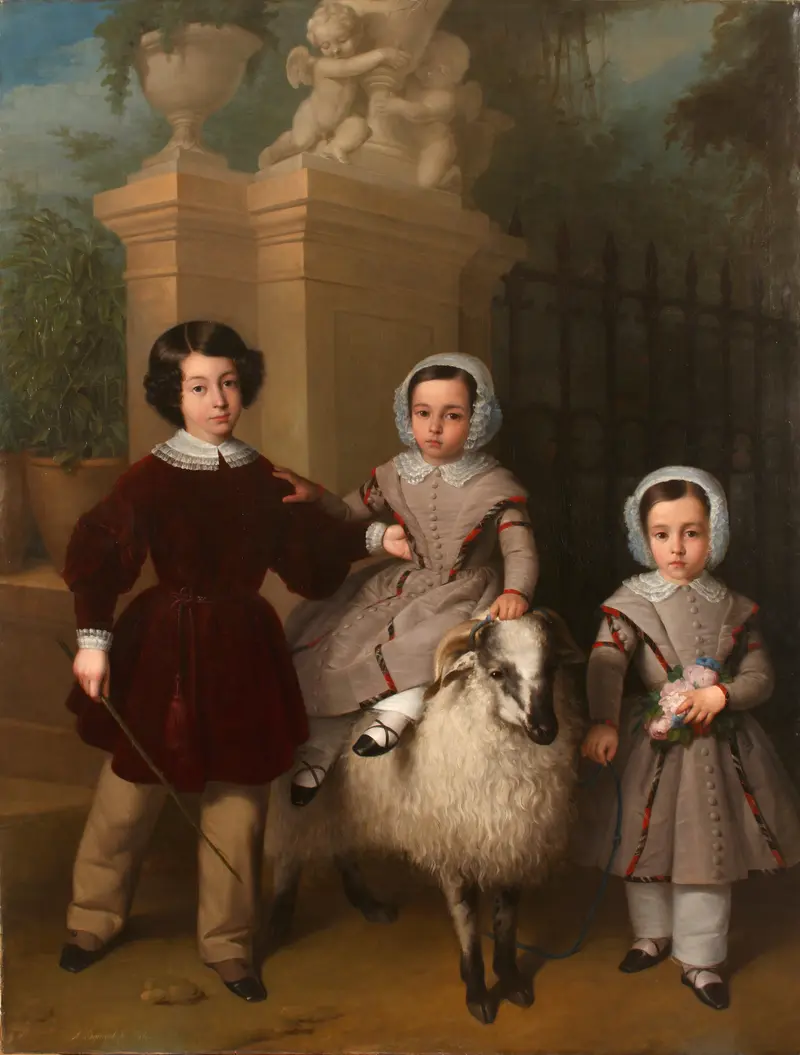
Children playing with a ram
Antonio Maria Esquivel
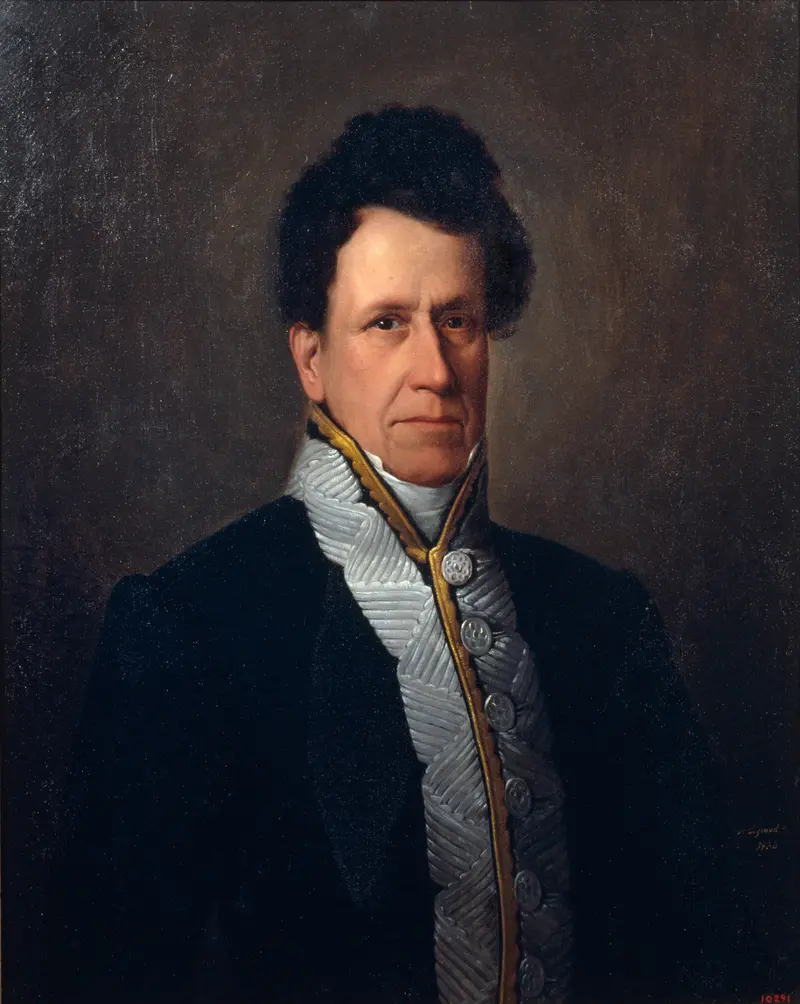
Portrait of Manuel Mª Gutiérrez
Antonio Maria Esquivel
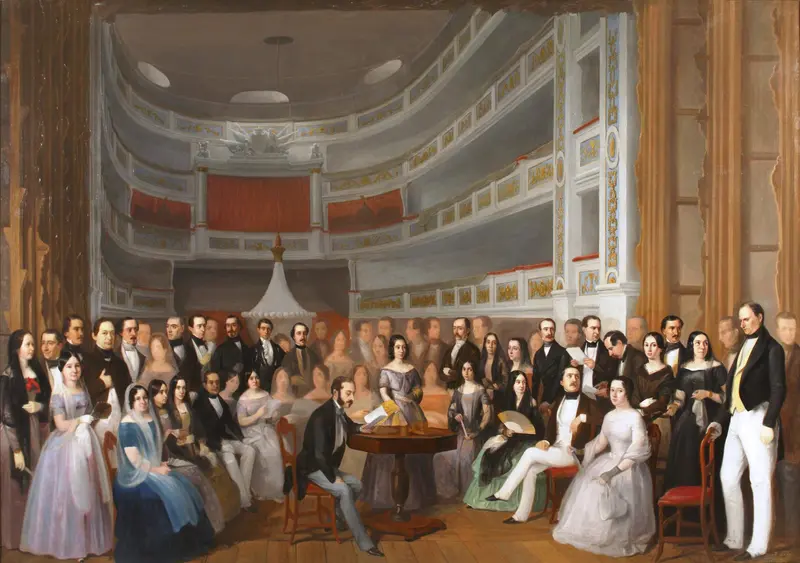
Ventura de la Vega reading a play at the Teatro del Príncipe
Antonio Maria Esquivel
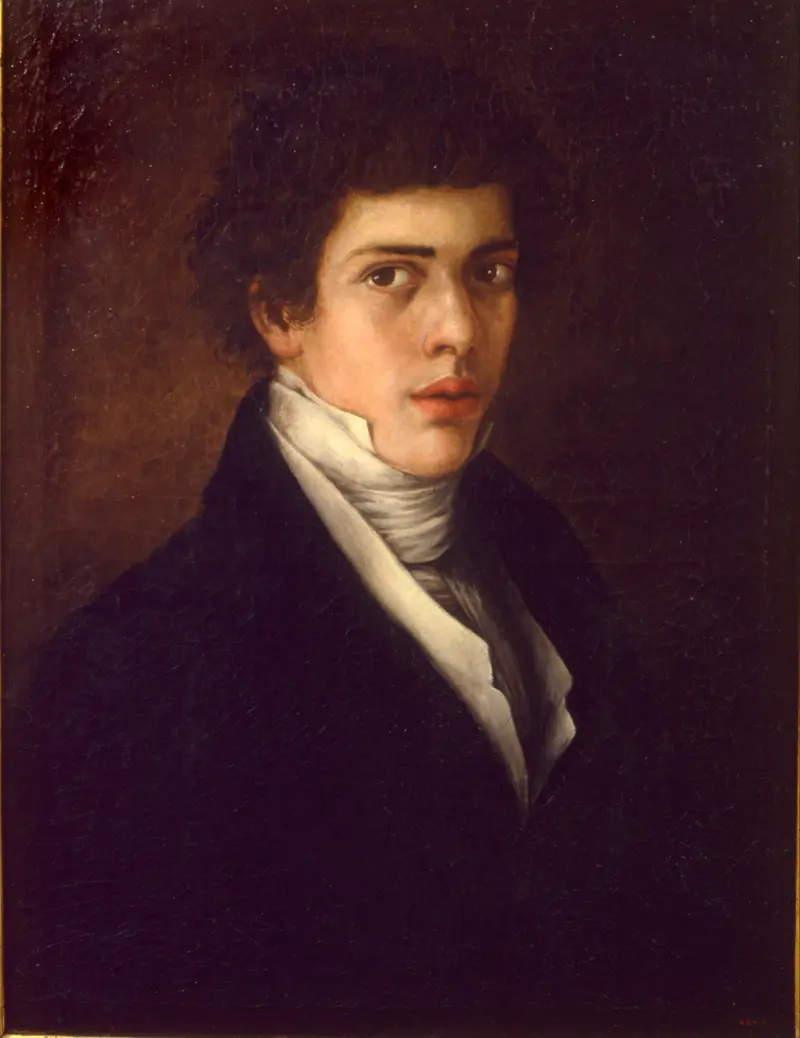
Self-portrait
Antonio Maria Esquivel
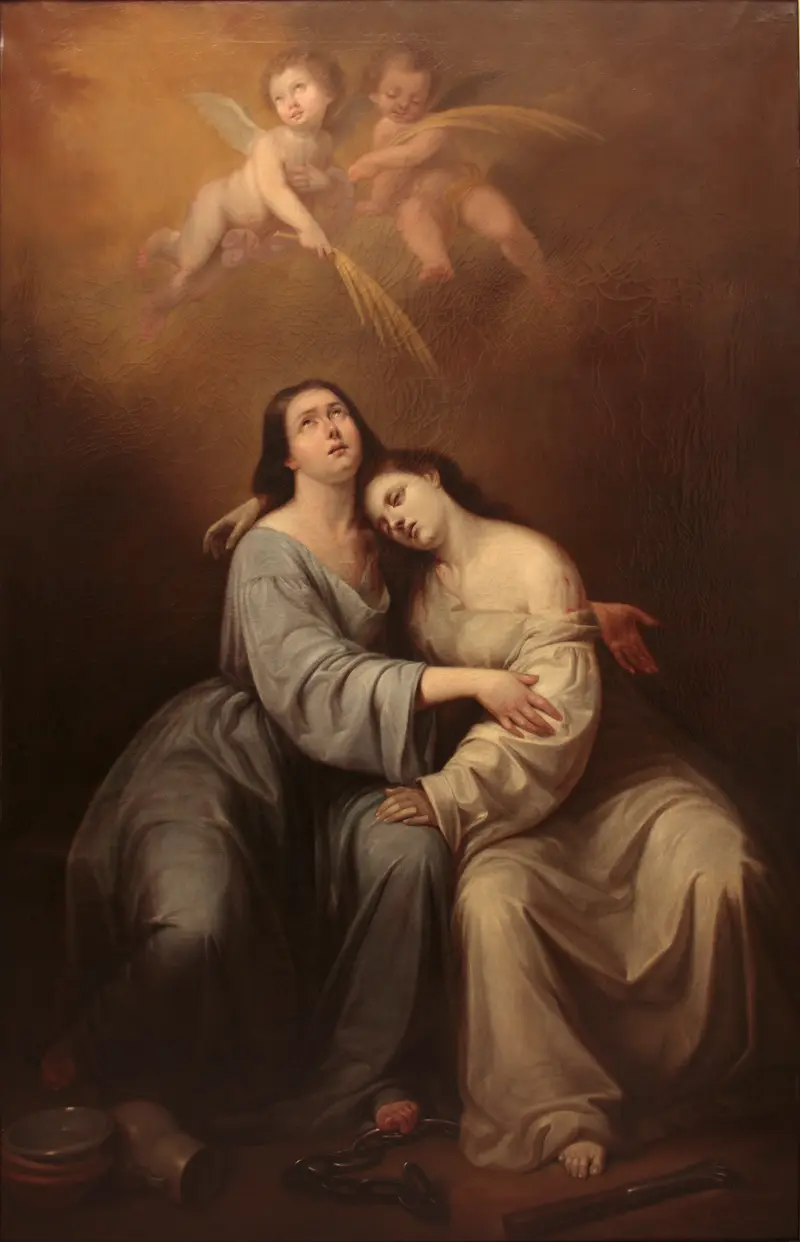
Saint Justa and Saint Rufina
Antonio Maria Esquivel
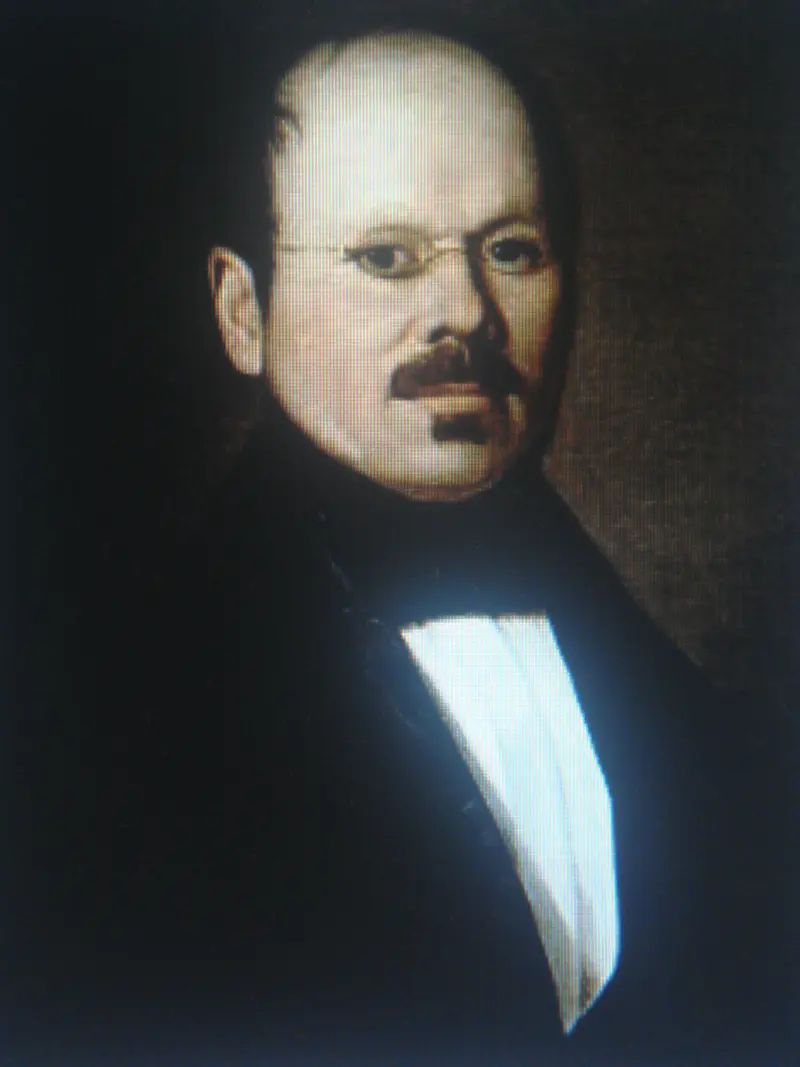
Antonio Benavides Fernández de Navarrete (Real Academia de la Historia)
Antonio Maria Esquivel
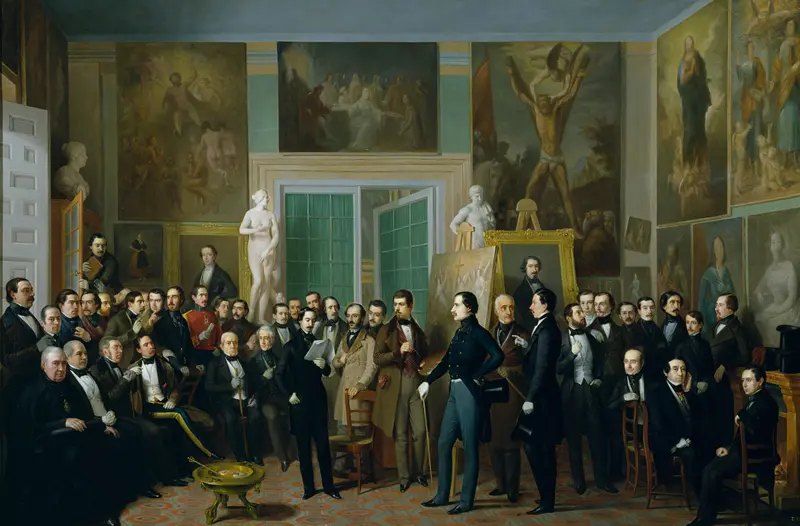
The Contemporary Poets. A Reading of Zorrilla in the Artist's Studio
Antonio Maria Esquivel
Portrait of Don Manuel José de Guerrico
Antonio Maria Esquivel





