
Portrait of Manuel Mª Gutiérrez — History & Facts
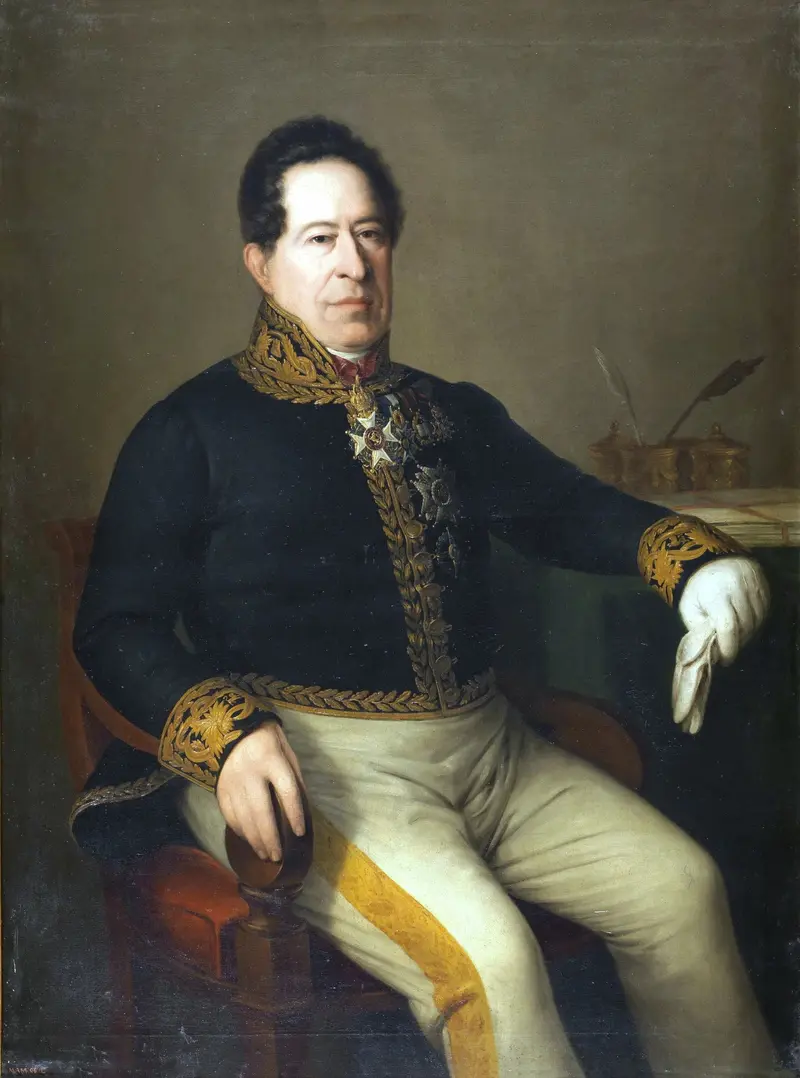
What first strikes the viewer in Portrait of Manuel Mª Gutiérrez is the unwavering directness of the sitter’s gaze, fixed with a steadiness that seems to challenge time itself. The artist, Antonio Maria Esquivel, has chosen a moment of poised formality, capturing his subject in a uniform whose elaborate braiding and bright buttons draw the eye upward to the face. The light falls cleanly across the left side of the sitter’s face, sharpening every line and crease, while the right recedes into a subtle shadow, lending a sense of depth and quiet authority.
The background is kept deliberately plain, ensuring that nothing distracts from the interplay between the sitter’s expression and the crisp, almost sculptural quality of his attire. Painted in 1834, this work belongs to a period when portraiture was both a record of status and a declaration of personal character. In the Spain of the early nineteenth century, such portraits were often commissioned by those who had achieved prominence in military or civic life, eager to assert their place in a rapidly changing society. Antonio Maria Esquivel was known for his ability to capture both the dignity and the individuality of his sitters, and here he delivers a likeness that is at once formal and deeply personal.
History has kept few traces of the sitter’s story, but the painting itself stands as a testament to the aspirations and self-image of its era. The longer you look, the more the details of uniform and expression invite you to imagine the world behind that steady gaze.
More Artworks by Antonio Maria Esquivel

Baldomero Espartero
Antonio Maria Esquivel
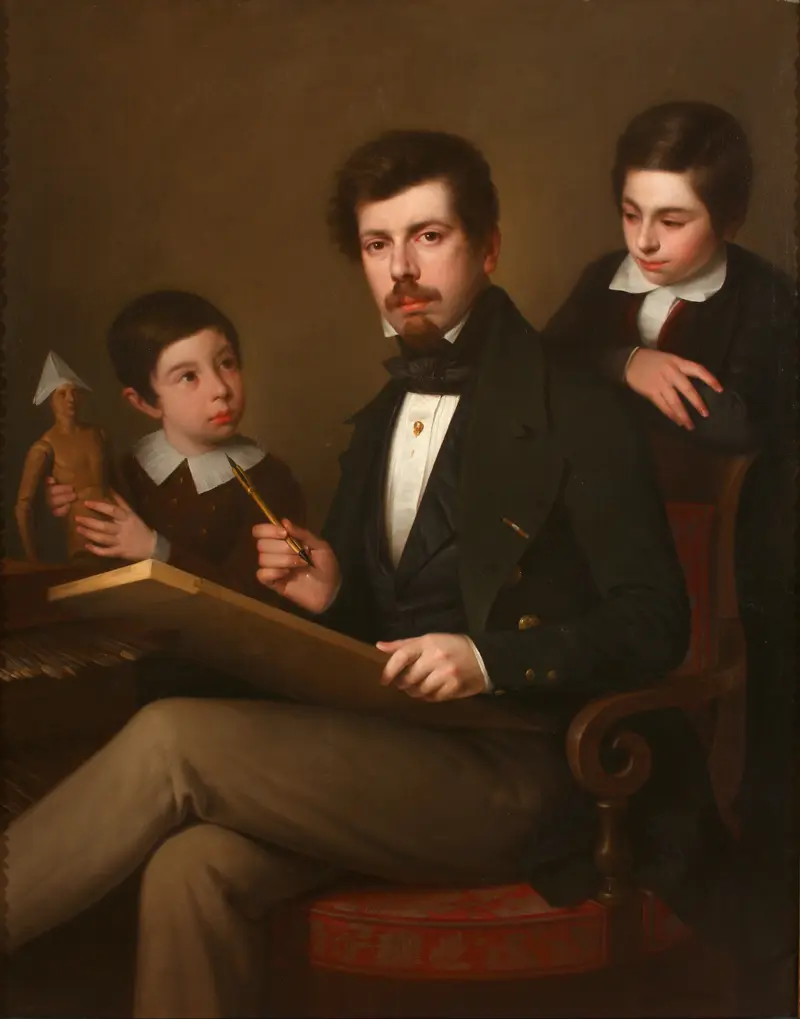
Self-portrait with his sons Carlos and Vicente
Antonio Maria Esquivel
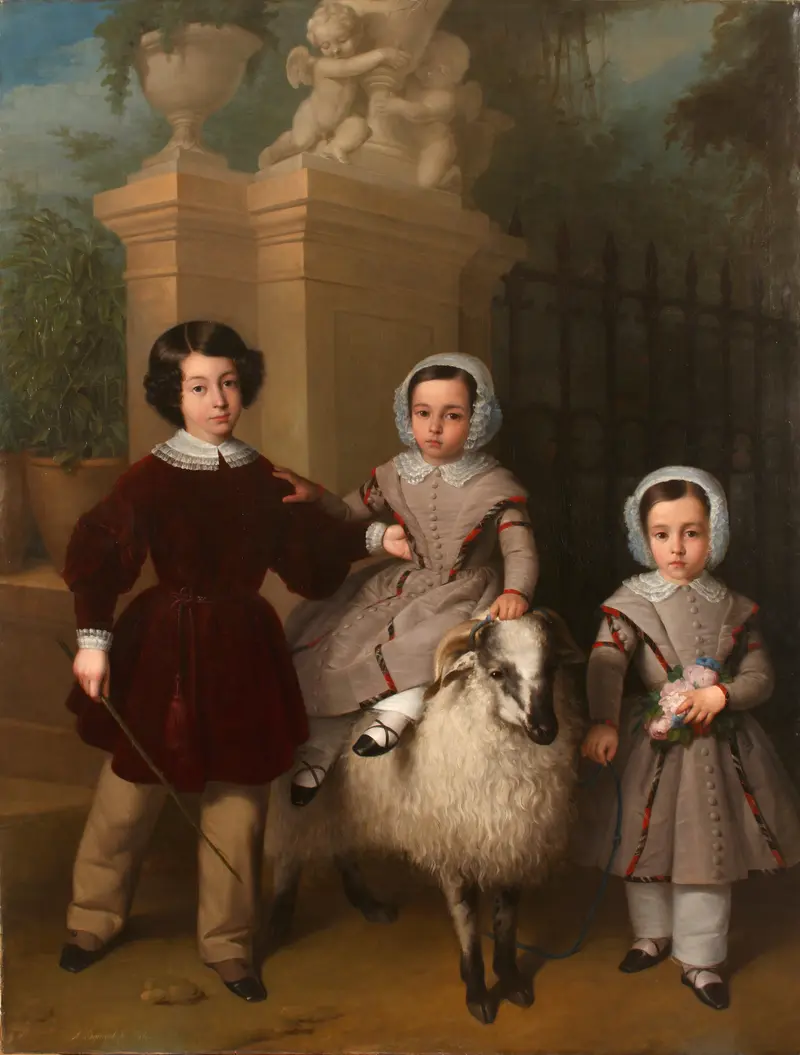
Children playing with a ram
Antonio Maria Esquivel
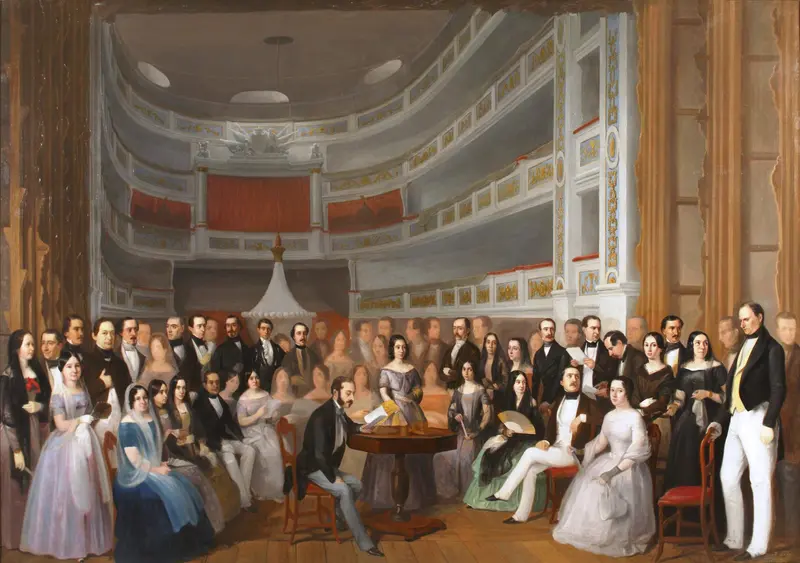
Ventura de la Vega reading a play at the Teatro del Príncipe
Antonio Maria Esquivel
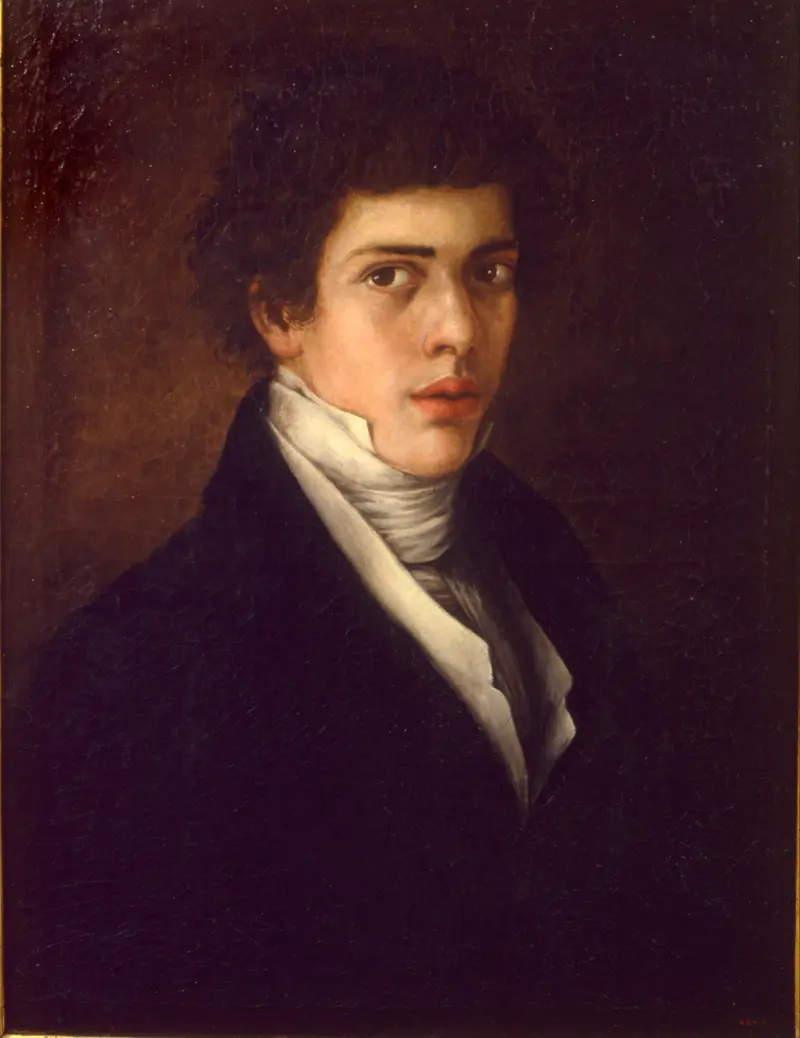
Self-portrait
Antonio Maria Esquivel
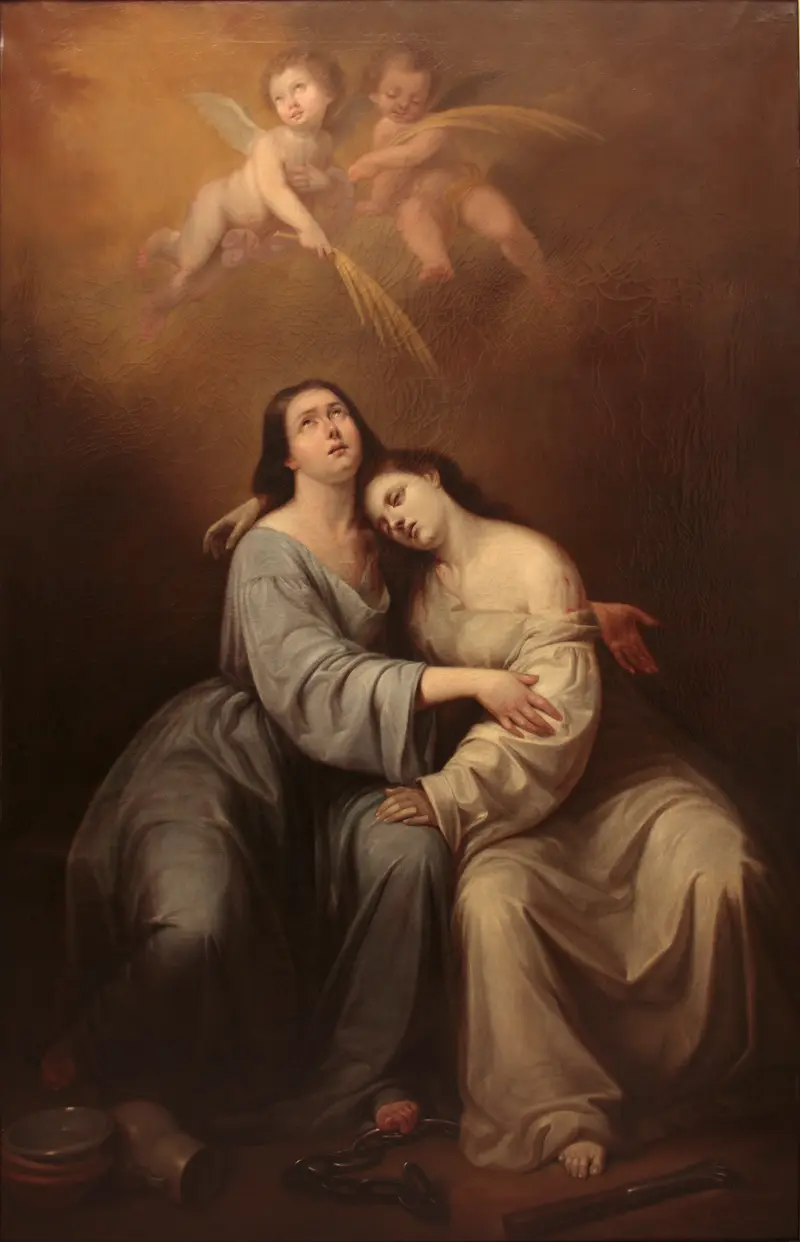
Saint Justa and Saint Rufina
Antonio Maria Esquivel
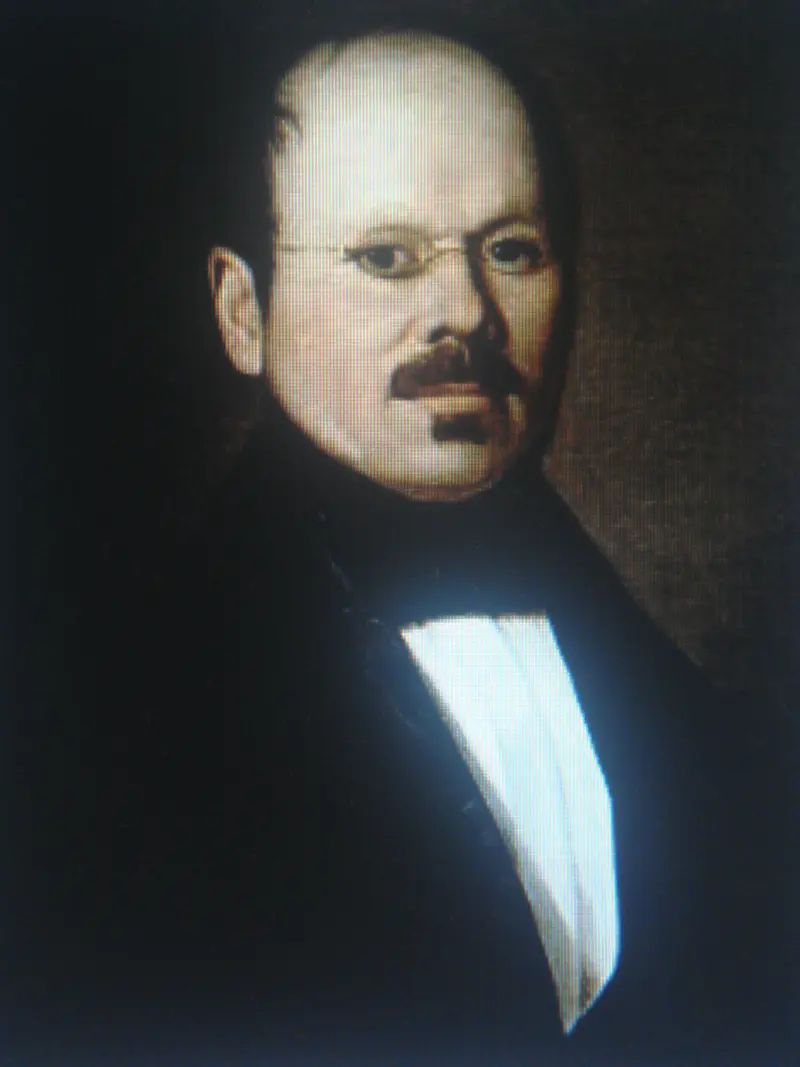
Antonio Benavides Fernández de Navarrete (Real Academia de la Historia)
Antonio Maria Esquivel
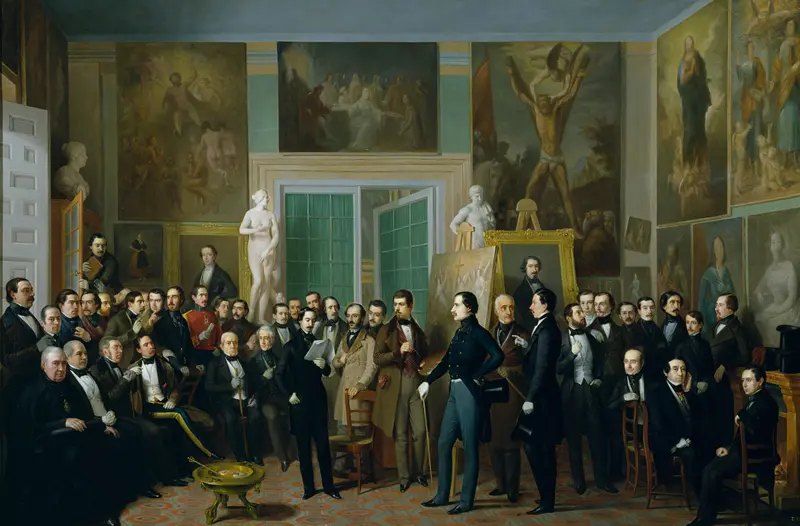
The Contemporary Poets. A Reading of Zorrilla in the Artist's Studio
Antonio Maria Esquivel
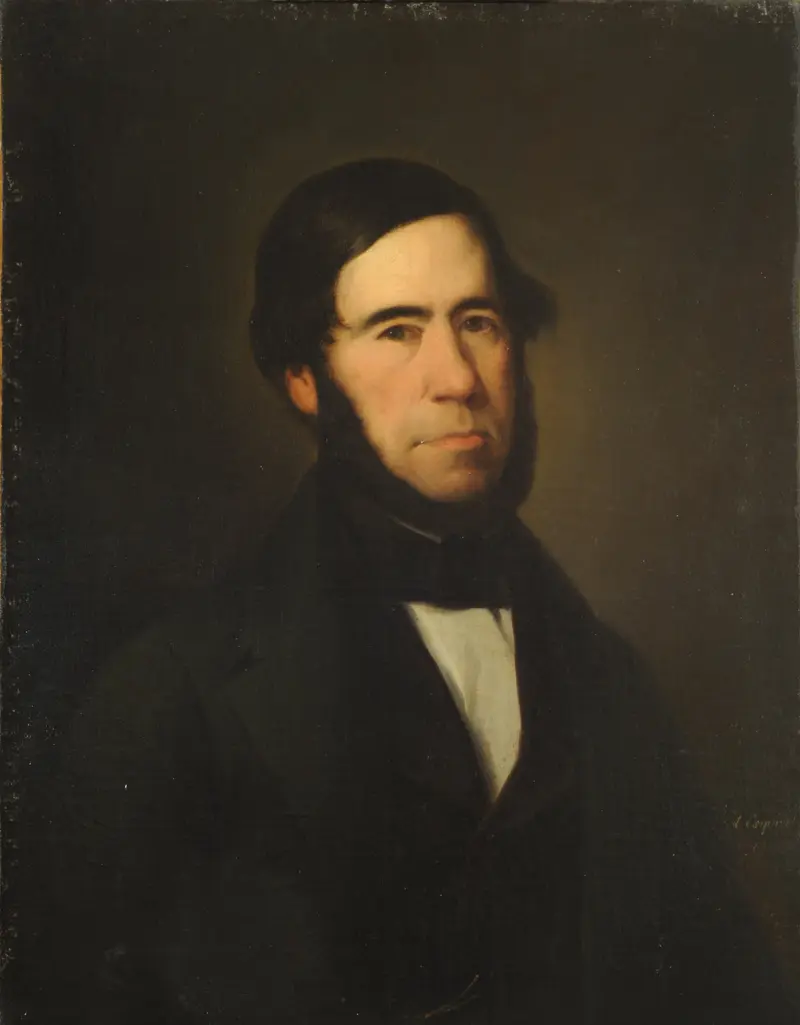
Portrait of Don Manuel José de Guerrico
Antonio Maria Esquivel
Portrait of Cesáreo María Sáenz y de la Barrera
Antonio Maria Esquivel





