
The Contemporary Poets. A Reading of Zorrilla in the Artist's Studio — History & Facts
Every inch of The Contemporary Poets. A Reading of Zorrilla in the Artist's Studio hums with the energy of an era that believed in the power of words to shape nations. The eye is drawn first to the tightly gathered assembly of men—writers, thinkers, and artists—caught in the act of listening, debating, or perhaps silently judging as one of their own reads aloud.
The painter, Antonio María Esquivel, places himself among them, not as a distant observer but as a participant in this living republic of letters. The careful choreography of glances, gestures, and postures makes the viewer almost feel the hush before a line lands, the collective intake of breath as poetry does its work. The studio itself becomes a character: walls crowded with paintings and sculptures, a testament to the omnipresence of art in these men’s lives. Statues and canvases loom above and behind, suggesting a lineage of inspiration and rivalry.
Light streams in from tall windows, illuminating faces and scattering across polished boots and velvet jackets, while the arrangement of figures in a semicircle draws the viewer into the heart of the discussion. Unlike the more formal, static group portraits of earlier centuries, this gathering feels alive—each man’s posture and expression a clue to his temperament and his stake in the conversation. The artist’s palette is rich but cool, dominated by the deep blues and browns of evening, punctuated by the white of paper and marble, as if to remind us that ideas—like light—can cut through any gloom. This painting stands as one of the most celebrated works of Spanish Romanticism, created in 1846 by Antonio María Esquivel, a Sevillian artist whose career was marked by both personal struggle and public acclaim.
Group portraits of intellectual circles were a hallmark of the Romantic period, serving not only as records of friendship and influence but as manifestos in paint—statements of who mattered, and why. In an age when Spanish letters were undergoing transformation, such works offered both tribute and challenge to the status quo. While the passage of time has blurred the fame of some faces here, the painting itself endures as a monument to a moment when poetry, painting, and politics converged in the same crowded room.
Look again, and you may catch the echo of their voices.
More Artworks by Antonio Maria Esquivel

Baldomero Espartero
Antonio Maria Esquivel
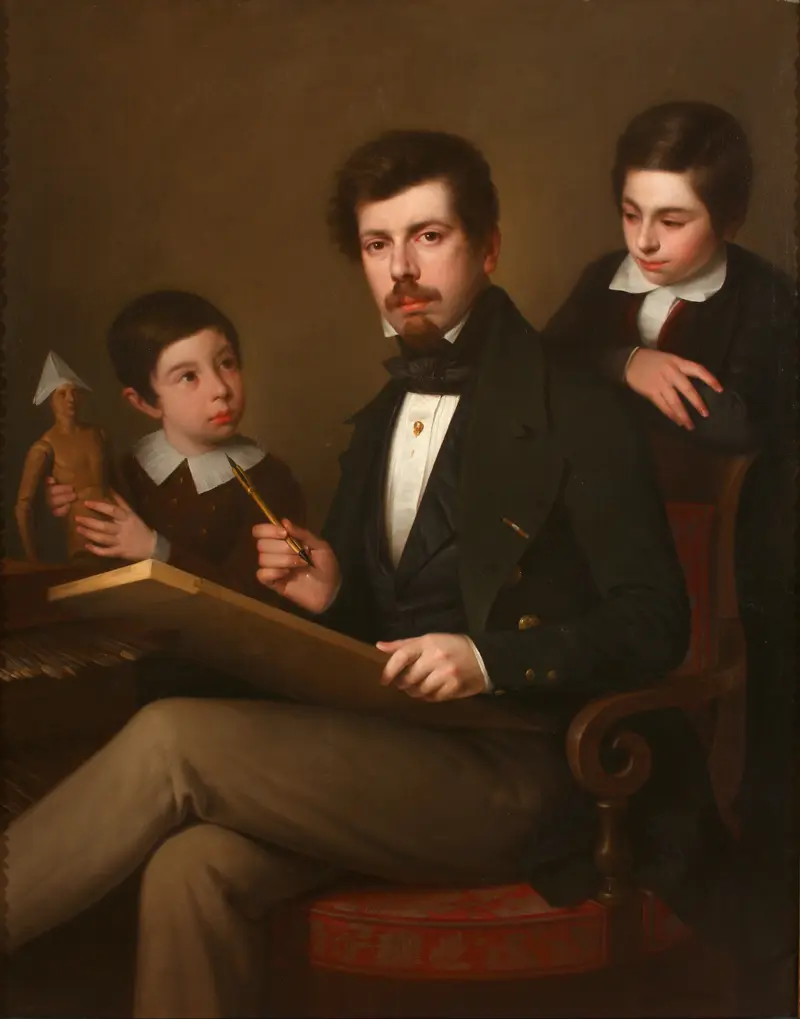
Self-portrait with his sons Carlos and Vicente
Antonio Maria Esquivel
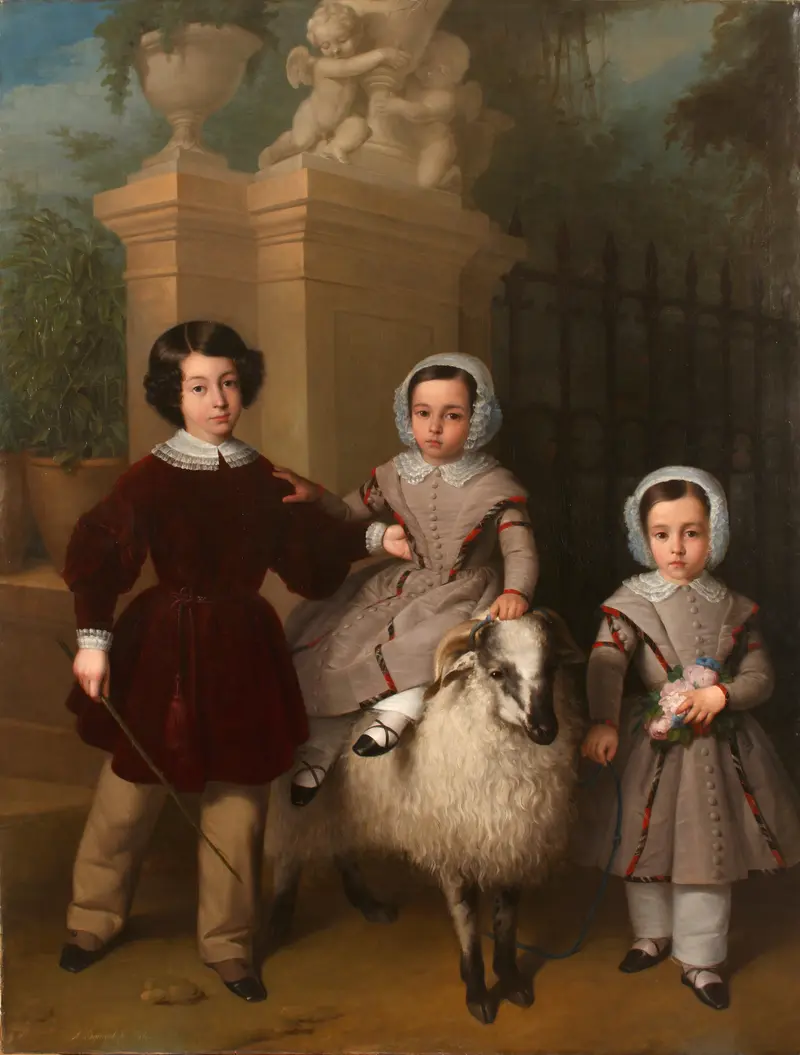
Children playing with a ram
Antonio Maria Esquivel
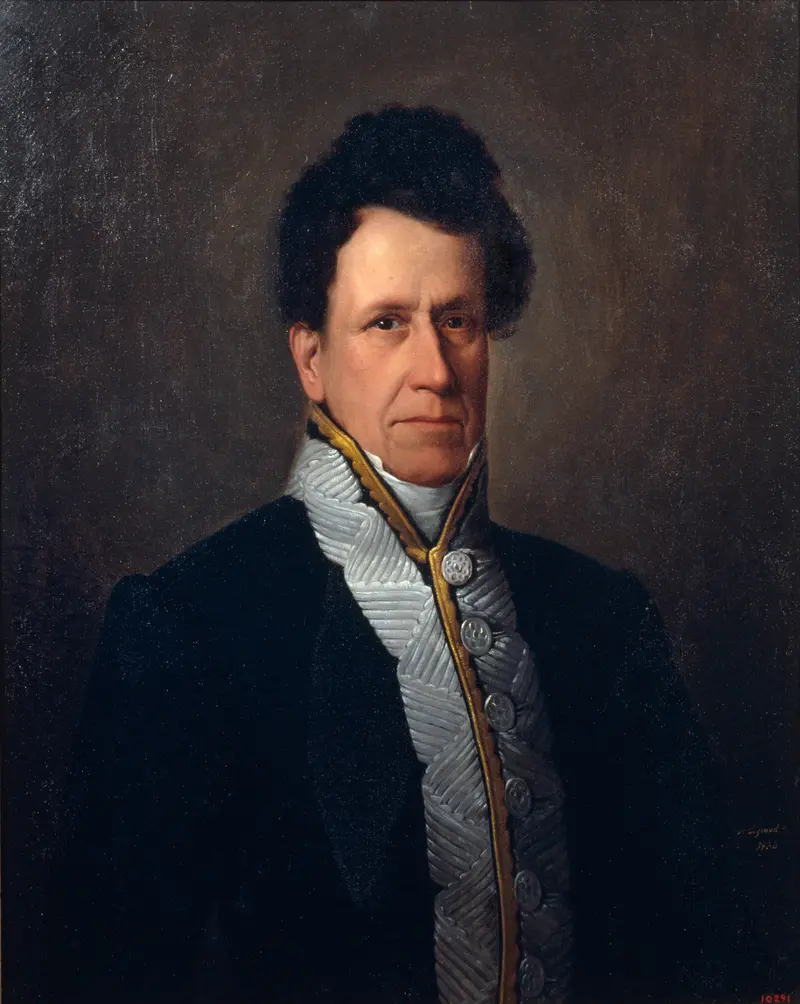
Portrait of Manuel Mª Gutiérrez
Antonio Maria Esquivel
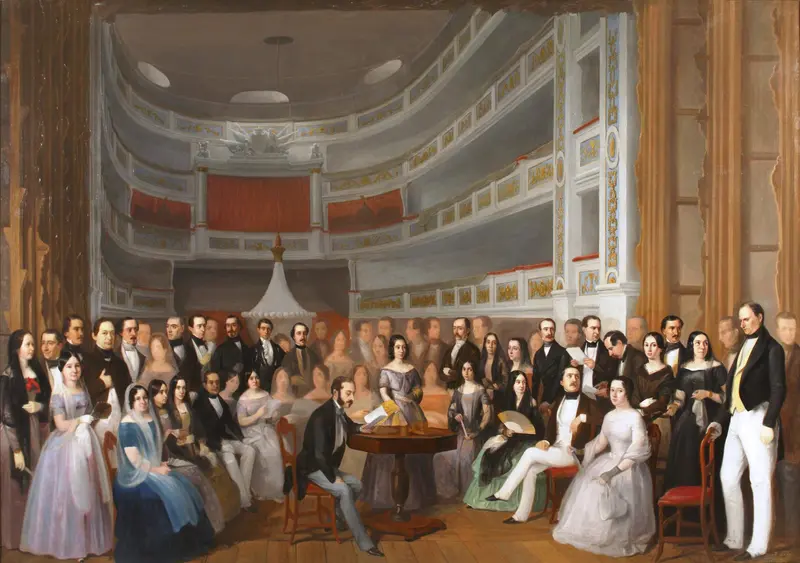
Ventura de la Vega reading a play at the Teatro del Príncipe
Antonio Maria Esquivel
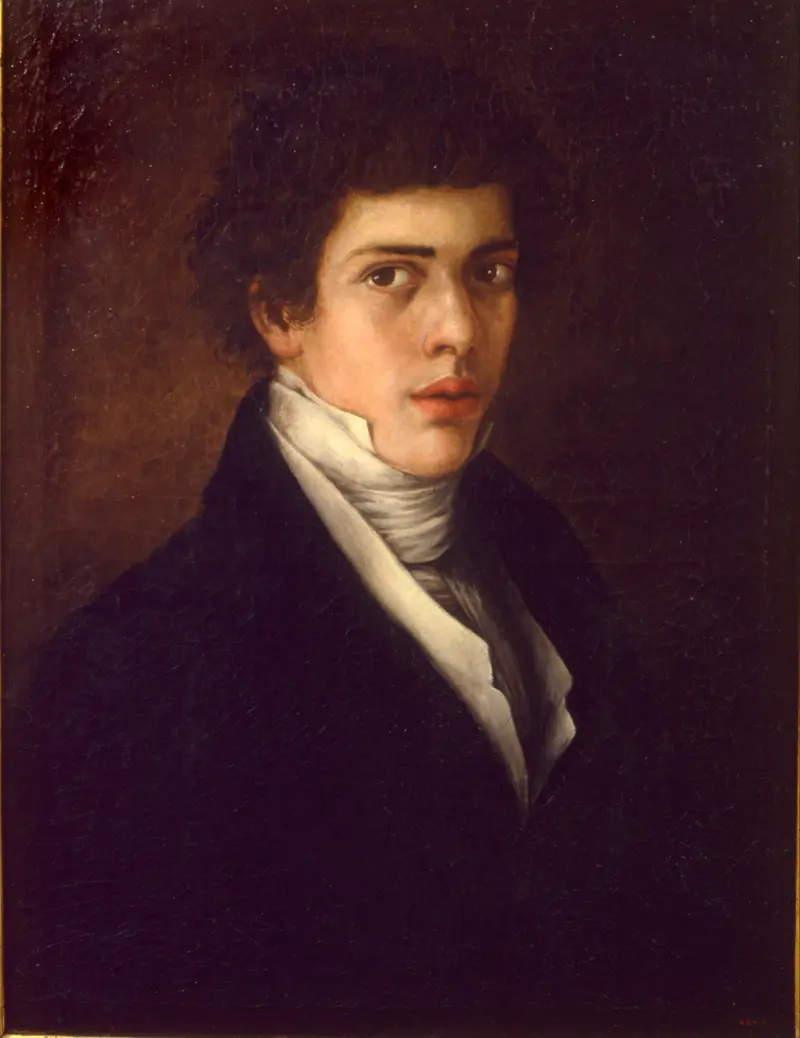
Self-portrait
Antonio Maria Esquivel
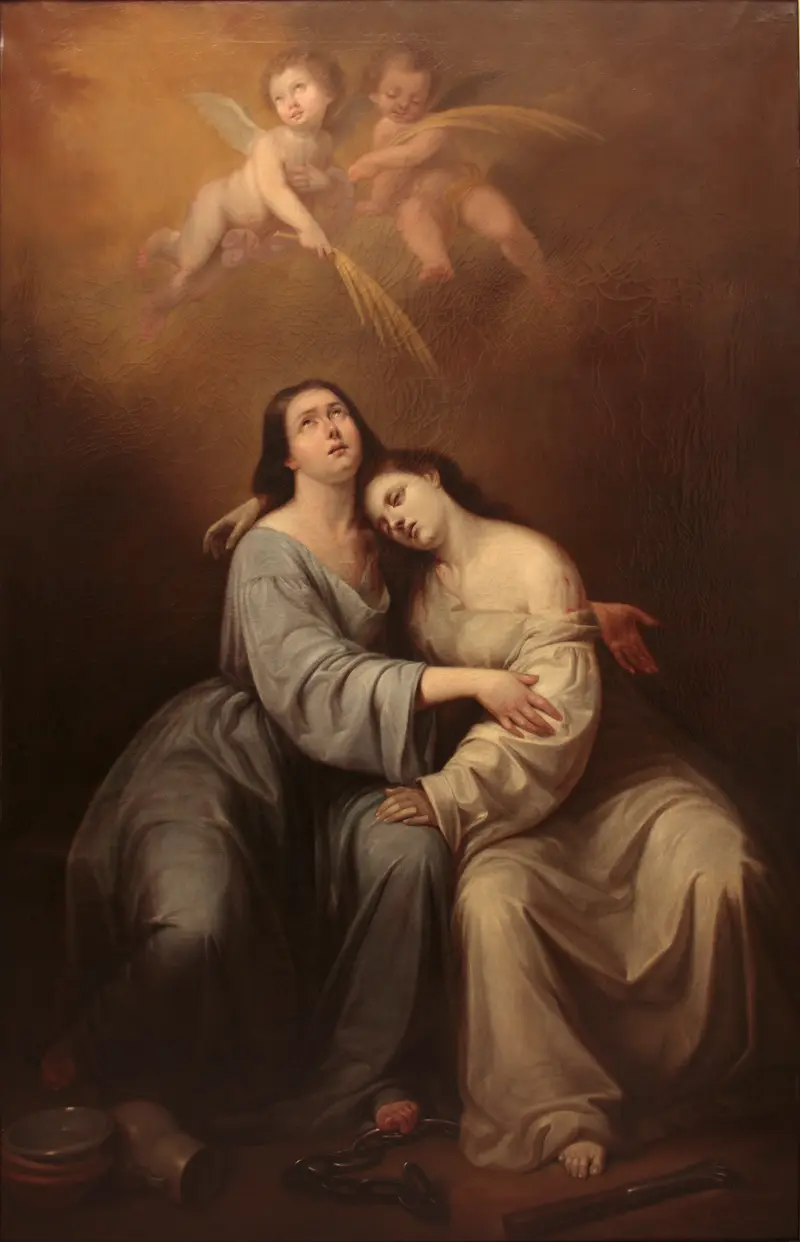
Saint Justa and Saint Rufina
Antonio Maria Esquivel
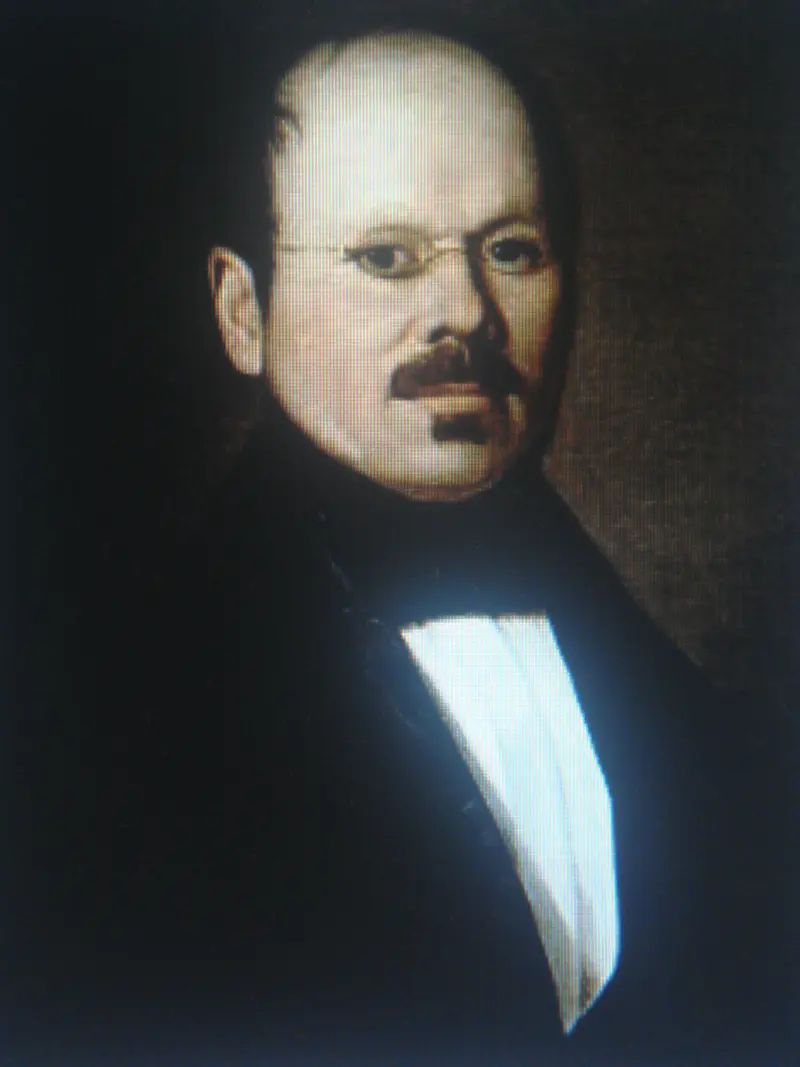
Antonio Benavides Fernández de Navarrete (Real Academia de la Historia)
Antonio Maria Esquivel
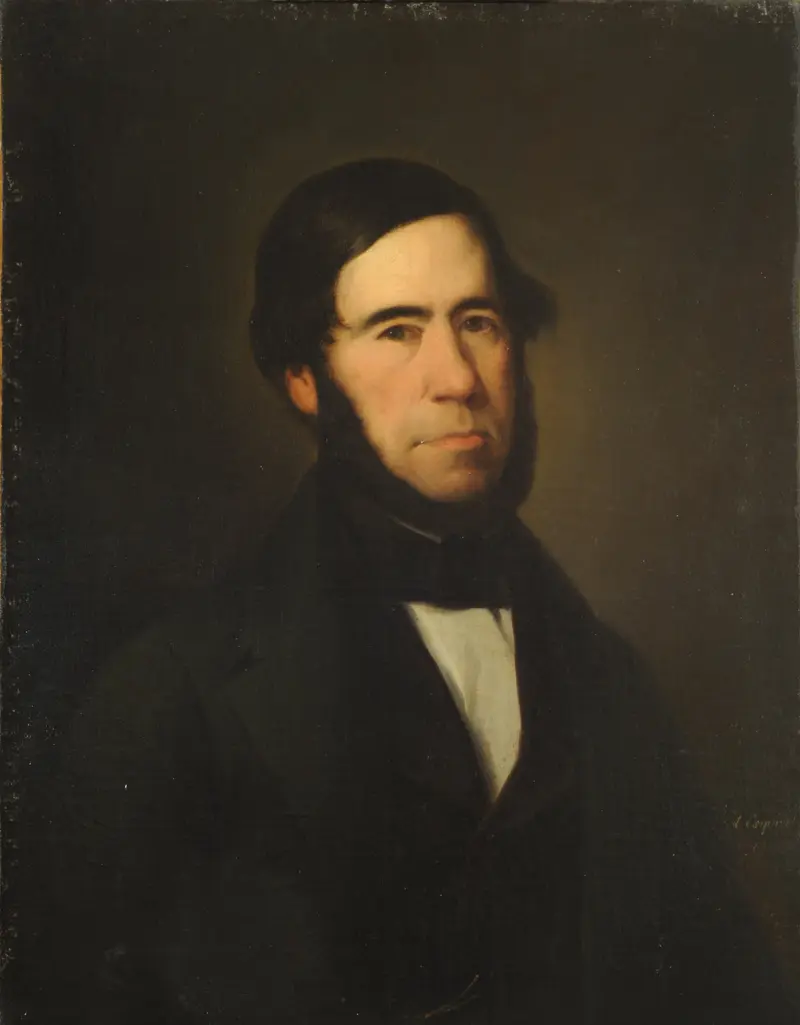
Portrait of Don Manuel José de Guerrico
Antonio Maria Esquivel
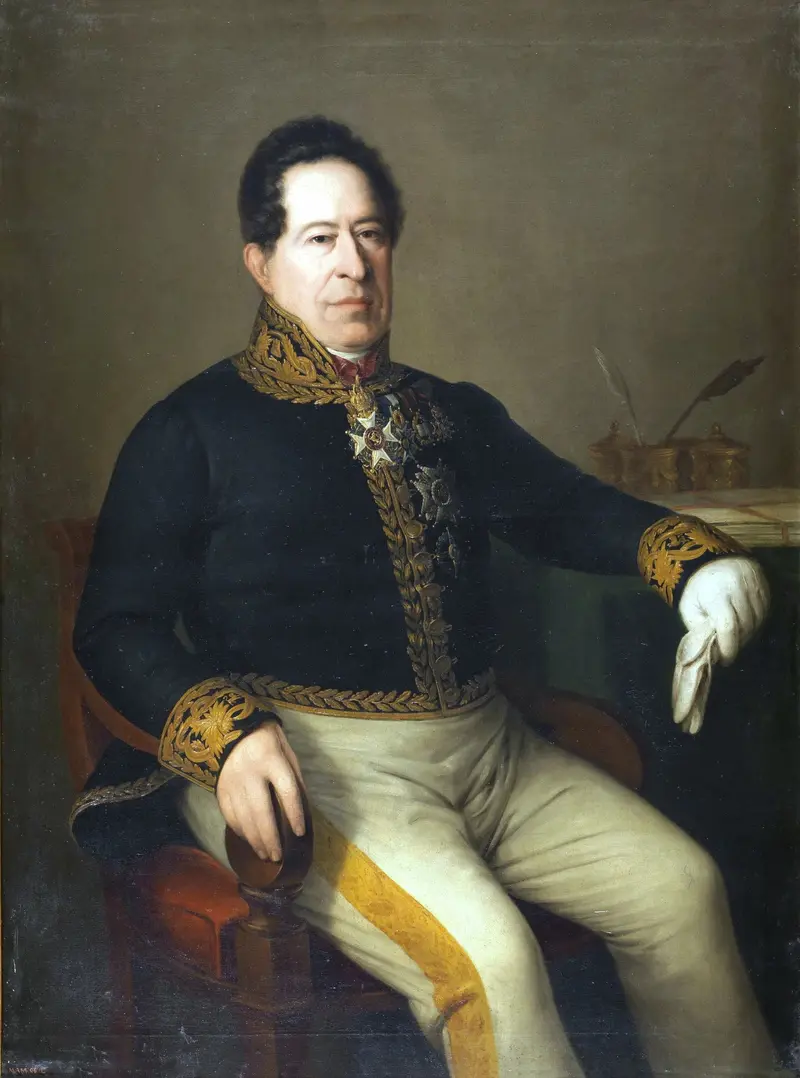
Portrait of Cesáreo María Sáenz y de la Barrera
Antonio Maria Esquivel
More Genre Scene Art

Banquet of the Officers of the St George Civic Guard
Frans Hals

Rembrandt and Saskia in the Scene of the Prodigal Son
Rembrandt van Rijn

Bal du moulin de la Galette
Pierre-Auguste Renoir

Quadrille at the Moulin Rouge
Henri de Toulouse-Lautrec

A Burial at Ornans
Gustave Courbet

When Will You Marry?
Paul Gauguin