
Antonio Benavides Fernández de Navarrete (Real Academia de la Historia) — History & Facts
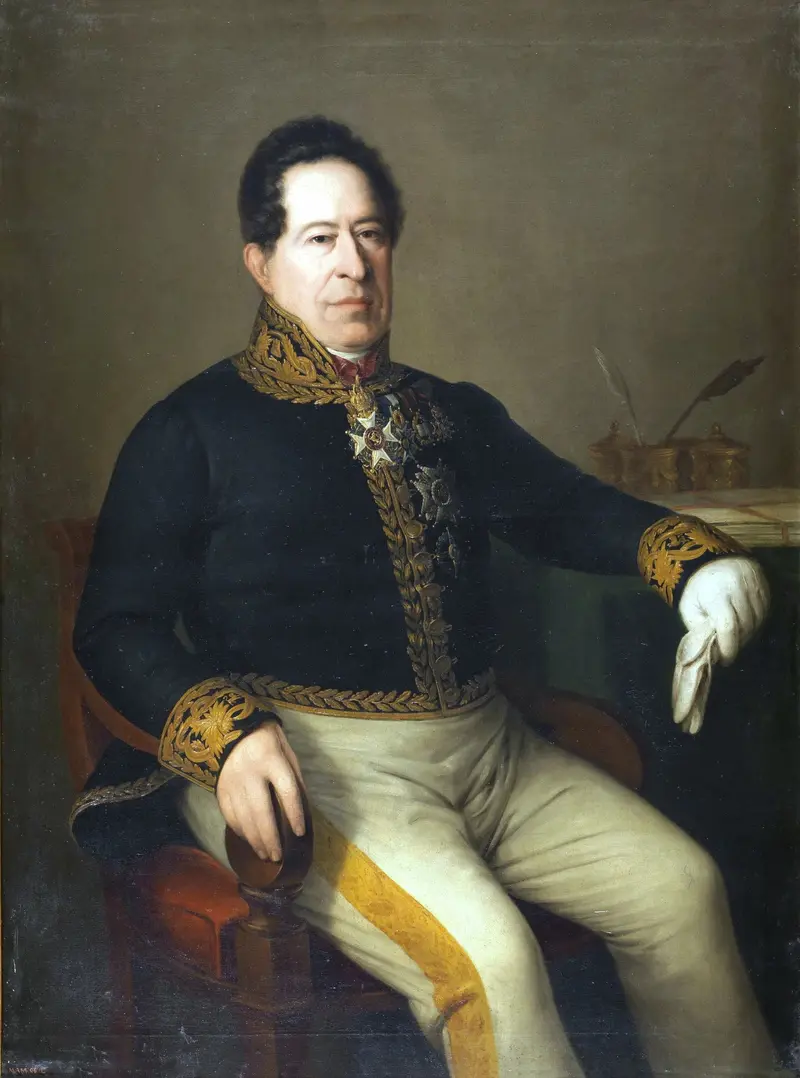
It is the quiet intensity of the sitter’s gaze that first draws the viewer in, a look that seems to weigh the world and invite the same in return. The sharply defined features—high forehead, carefully groomed mustache, and the glint of pince-nez spectacles—signal a life of intellect and authority. The light falls decisively across his face and crisp white shirtfront, carving him from the darkness and focusing all attention on the mind at work behind those steady eyes.
There is no distraction, no ornament; even the background recedes into shadow, as if to insist that nothing should compete with the presence of Antonio Benavides Fernández de Navarrete. This is a portrait that trades in restraint and certainty, painted in 1848 by Antonio Maria Esquivel at a time when Spanish portraiture was shifting toward psychological realism. The sitter’s upright posture and direct gaze convey both the dignity of his role as director of the Real Academia de la Historia and a private reserve. The severe palette—deep blacks, luminous flesh, and that single slash of white—serves to heighten the sense of gravitas.
In an age when portraits often flattered or embellished, Esquivel’s approach here is almost forensic, inviting the viewer to search for clues in the smallest details: the tension of the mouth, the slight tilt of the head, the clarity of the eyes. It is a painting that rewards close looking, each element working together to reveal the character of a man shaped by history and scholarship.
More Artworks by Antonio Maria Esquivel

Baldomero Espartero
Antonio Maria Esquivel
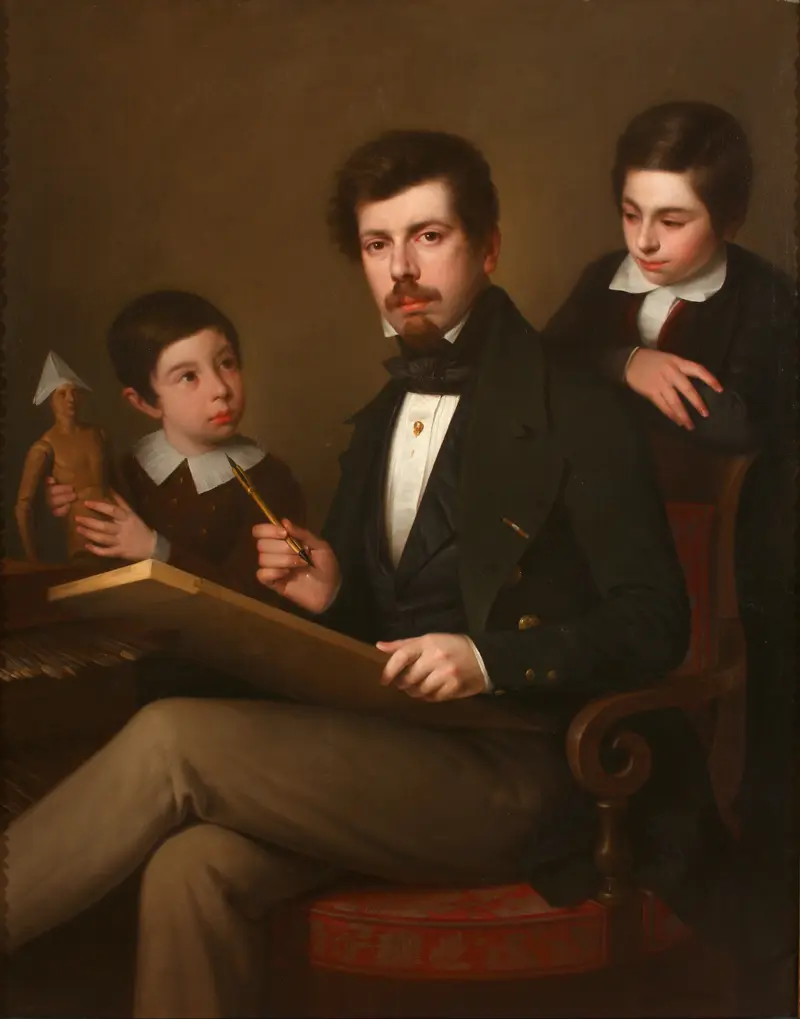
Self-portrait with his sons Carlos and Vicente
Antonio Maria Esquivel
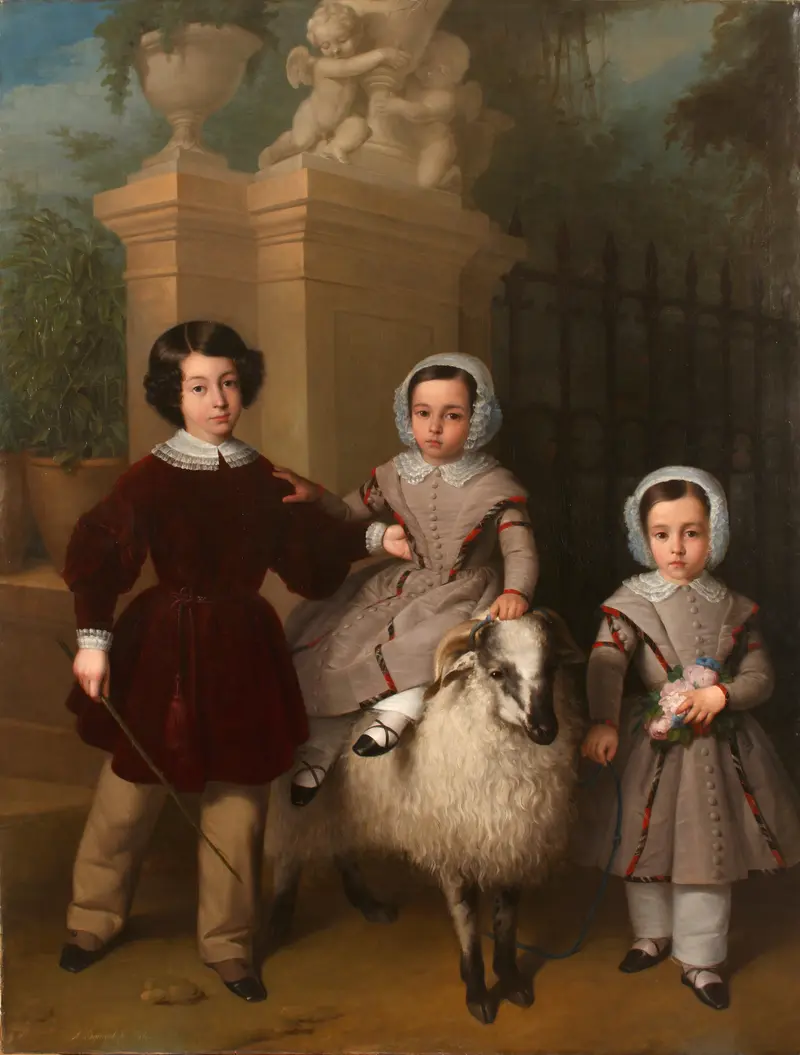
Children playing with a ram
Antonio Maria Esquivel
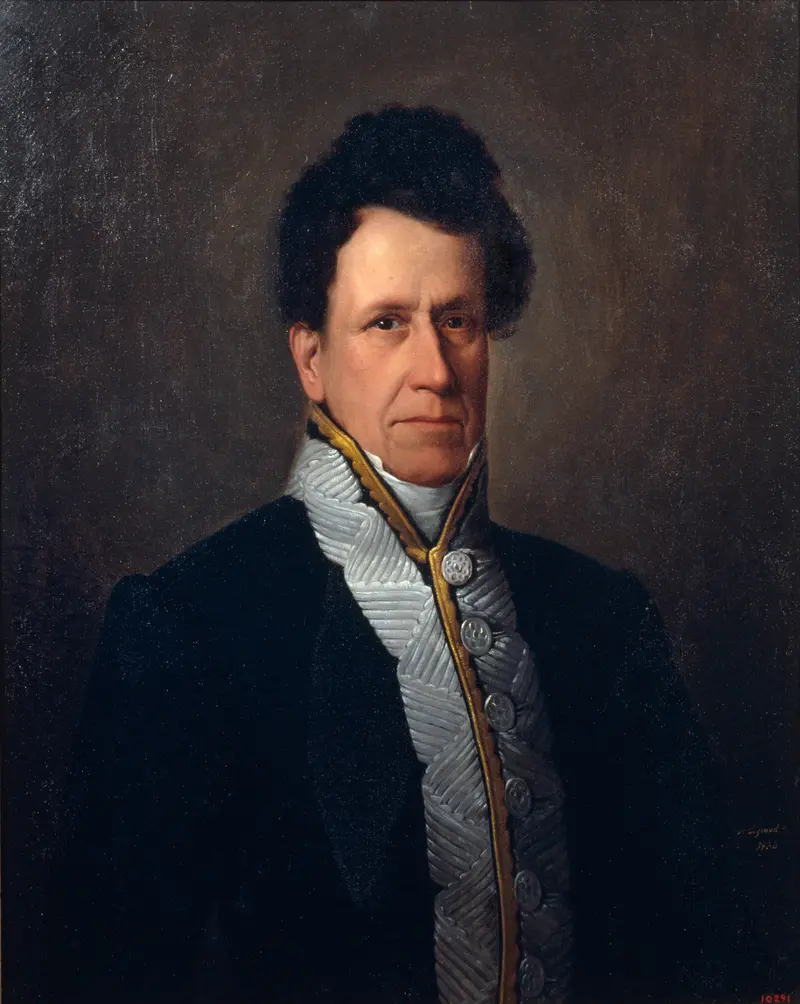
Portrait of Manuel Mª Gutiérrez
Antonio Maria Esquivel
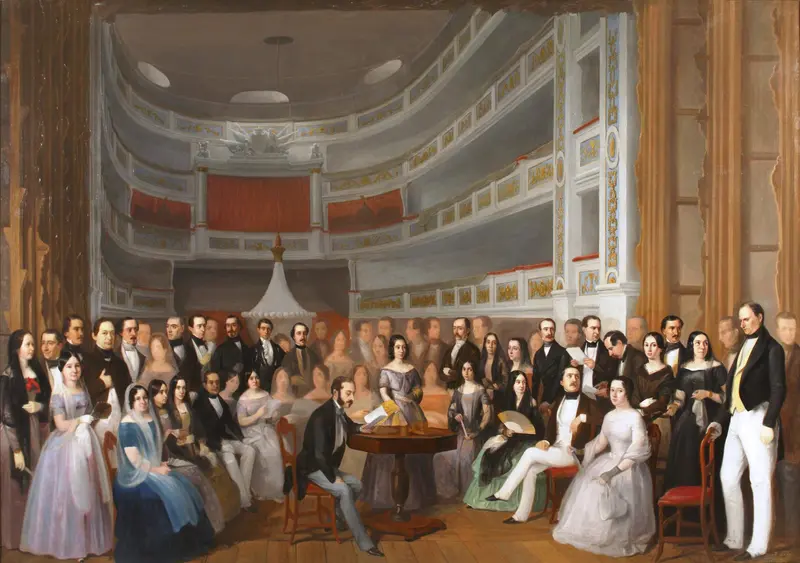
Ventura de la Vega reading a play at the Teatro del Príncipe
Antonio Maria Esquivel
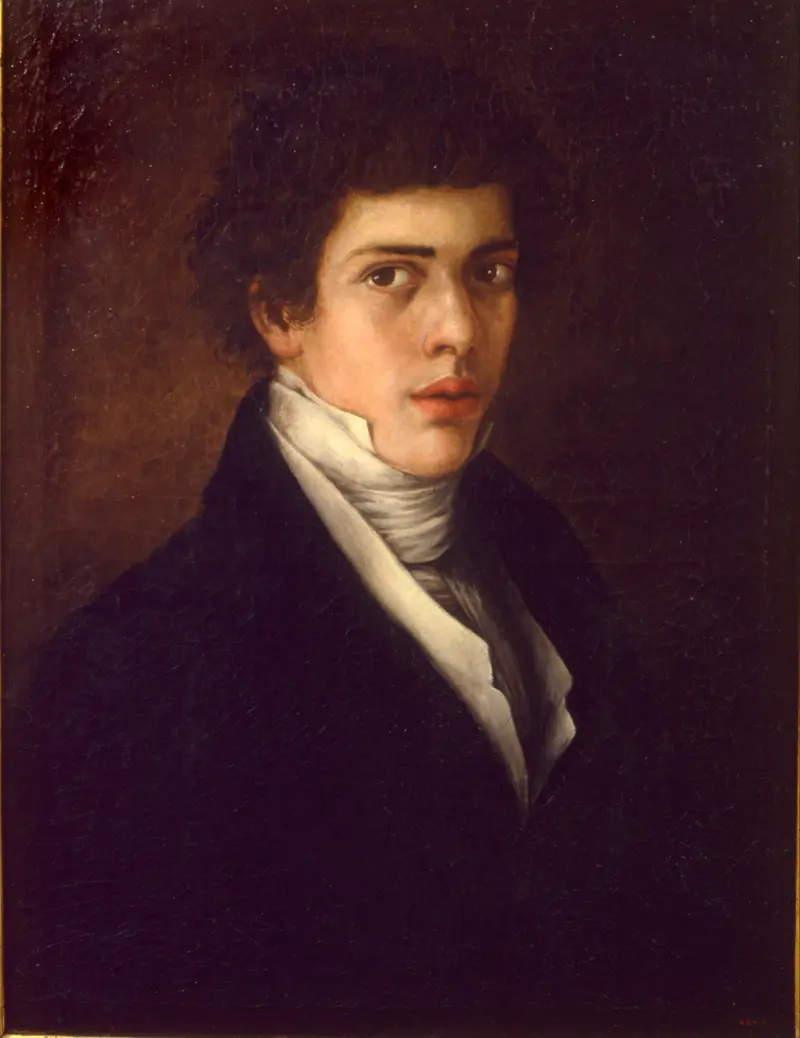
Self-portrait
Antonio Maria Esquivel
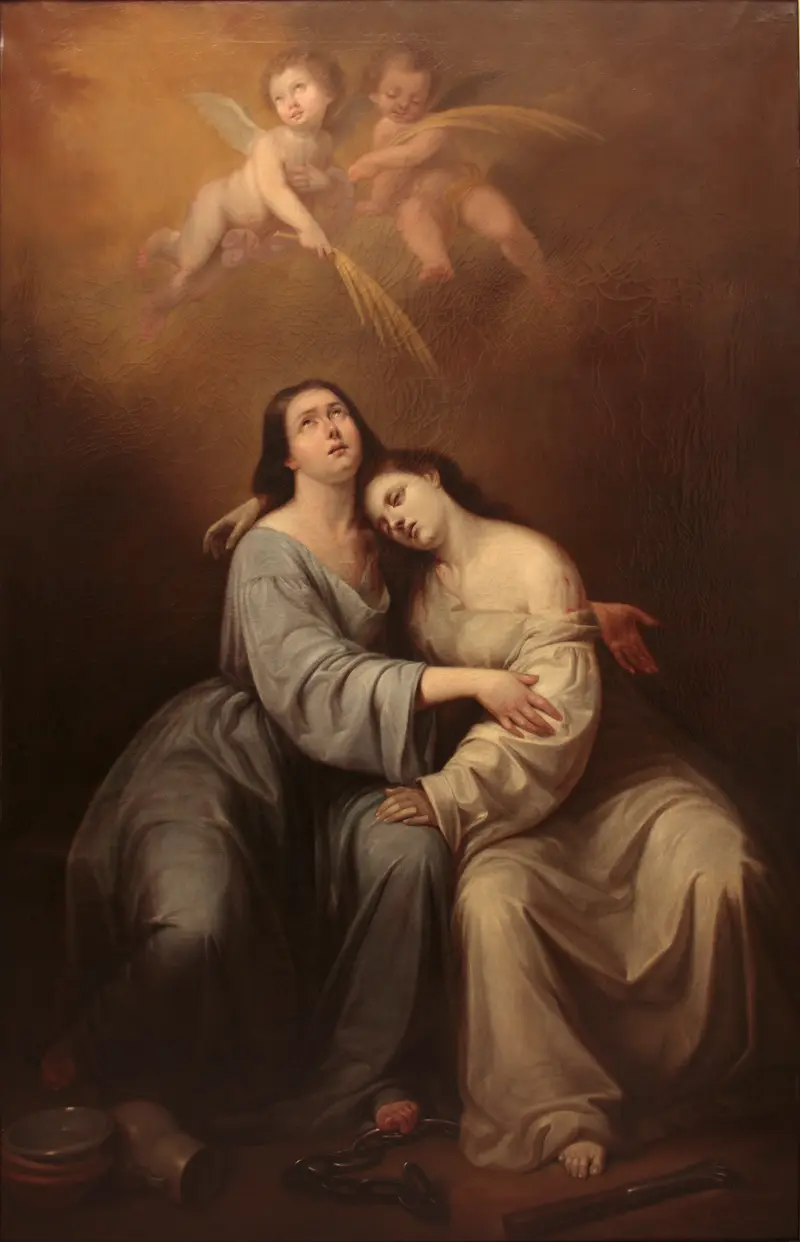
Saint Justa and Saint Rufina
Antonio Maria Esquivel
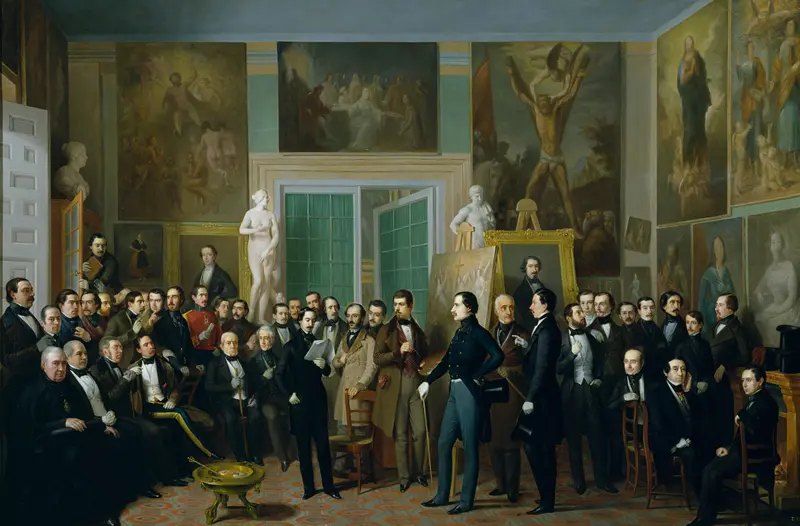
The Contemporary Poets. A Reading of Zorrilla in the Artist's Studio
Antonio Maria Esquivel
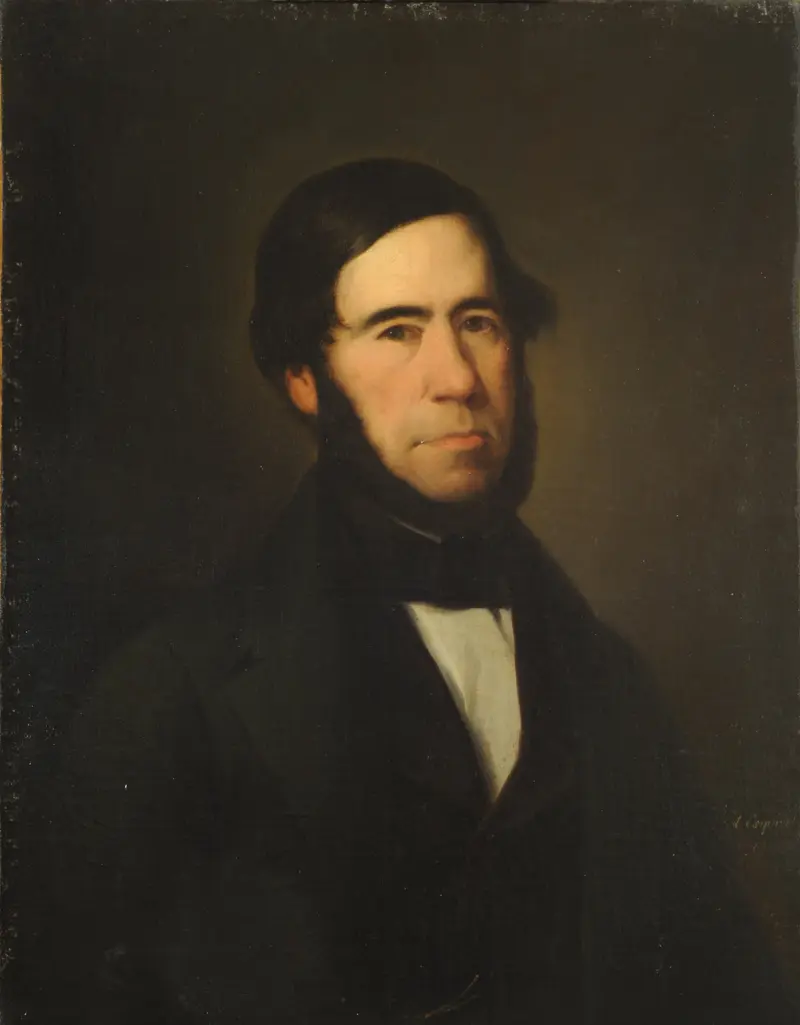
Portrait of Don Manuel José de Guerrico
Antonio Maria Esquivel
Portrait of Cesáreo María Sáenz y de la Barrera
Antonio Maria Esquivel





