
Self-portrait — History & Facts
What first catches the eye in Self-portrait by Antonio Maria Esquivel is the direct, almost searching gaze of the young artist. The sitter—his own subject—meets the viewer with a look that is neither entirely confident nor wholly reserved, as if caught in the act of self-examination. The strong light falls across his face and the crisp folds of his white cravat, drawing attention to the contrast between the luminous skin and the deep, enveloping darkness of his coat and the background.
Every brushstroke in the hair and collar seems to weigh the balance between shadow and clarity, suggesting a young man acutely aware of how he is seen and how he wishes to be remembered. Painted in 1824, this work belongs to a period when self-portraiture was both a declaration and a proving ground for artists across Europe. In the early nineteenth century, painters often used self-portraits to assert their professional identity and to experiment with new techniques in capturing character and mood. Antonio Maria Esquivel’s choice of a dark, neutral background and his focus on the face and upper torso are typical of the era’s Romantic sensibility, which prized psychological depth over decorative detail.
While history has kept few traces of this particular painting’s journey, its presence in a digital collection today offers a rare, close look at the artist as he wished to be seen at the dawn of his career—inviting us to meet his gaze across two centuries.
More Artworks by Antonio Maria Esquivel

Baldomero Espartero
Antonio Maria Esquivel
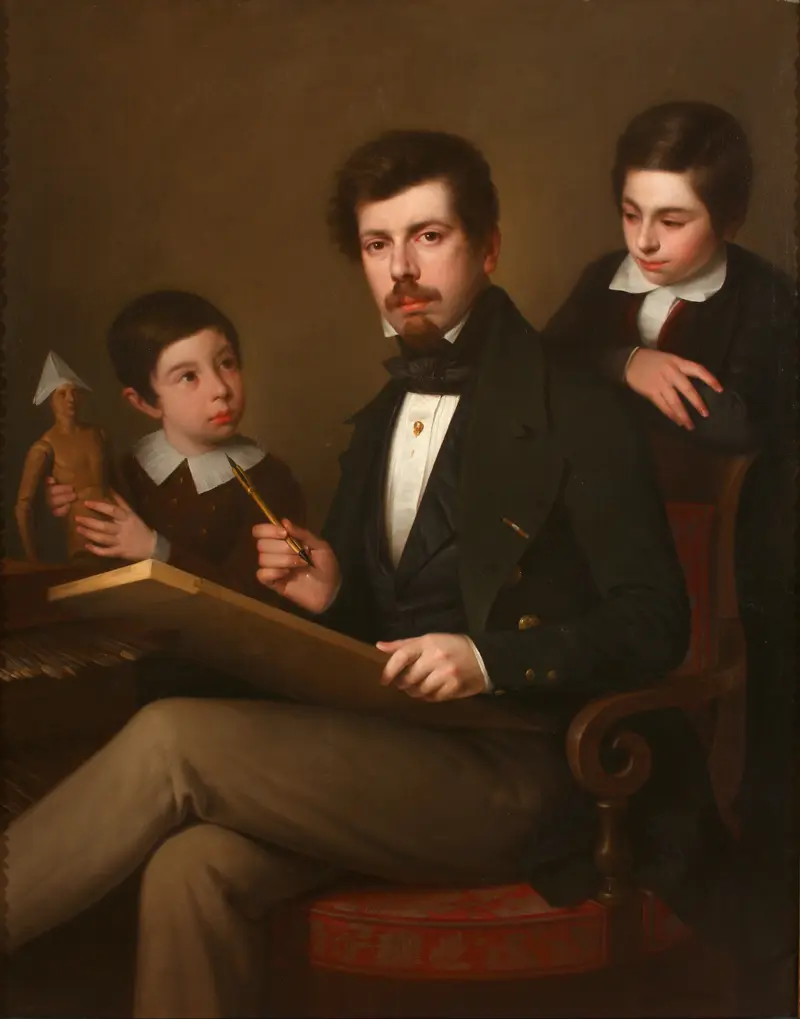
Self-portrait with his sons Carlos and Vicente
Antonio Maria Esquivel
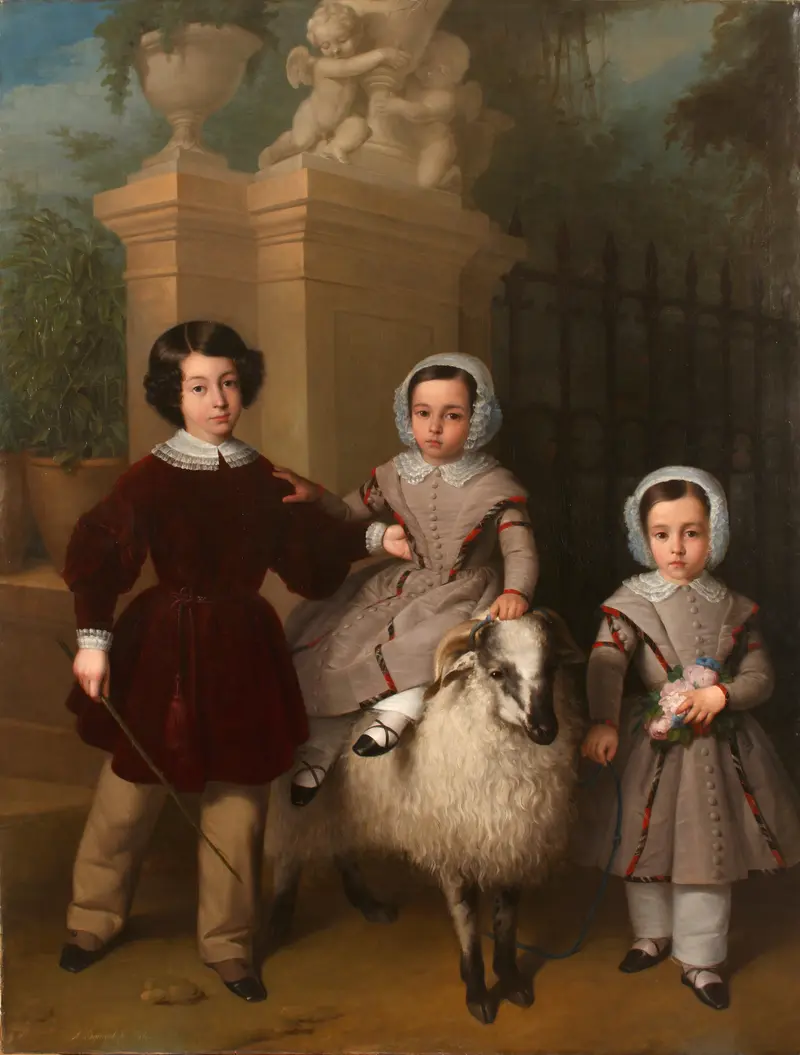
Children playing with a ram
Antonio Maria Esquivel
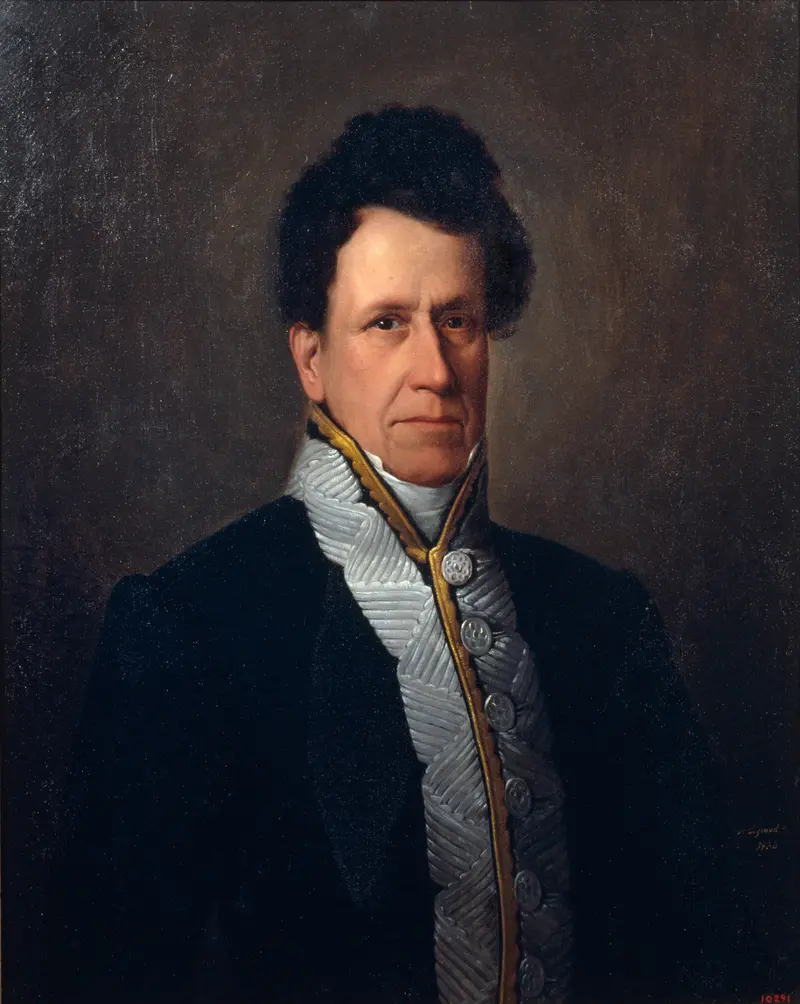
Portrait of Manuel Mª Gutiérrez
Antonio Maria Esquivel
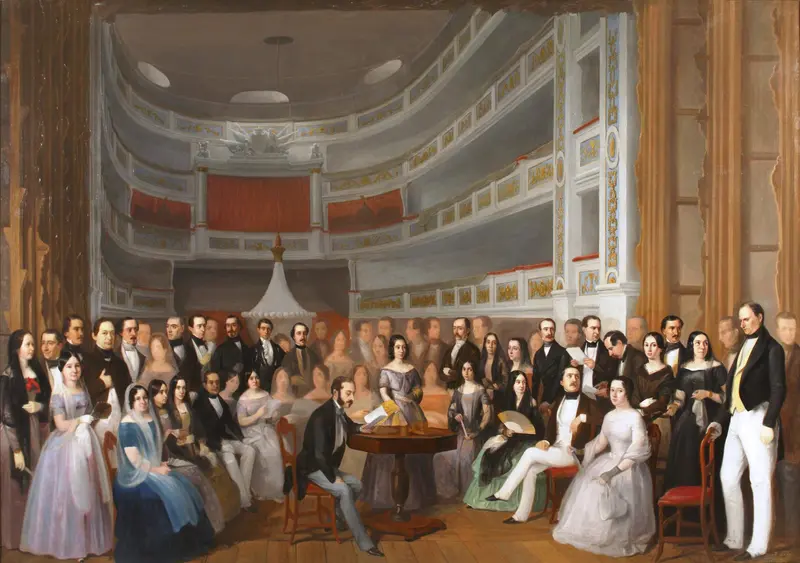
Ventura de la Vega reading a play at the Teatro del Príncipe
Antonio Maria Esquivel
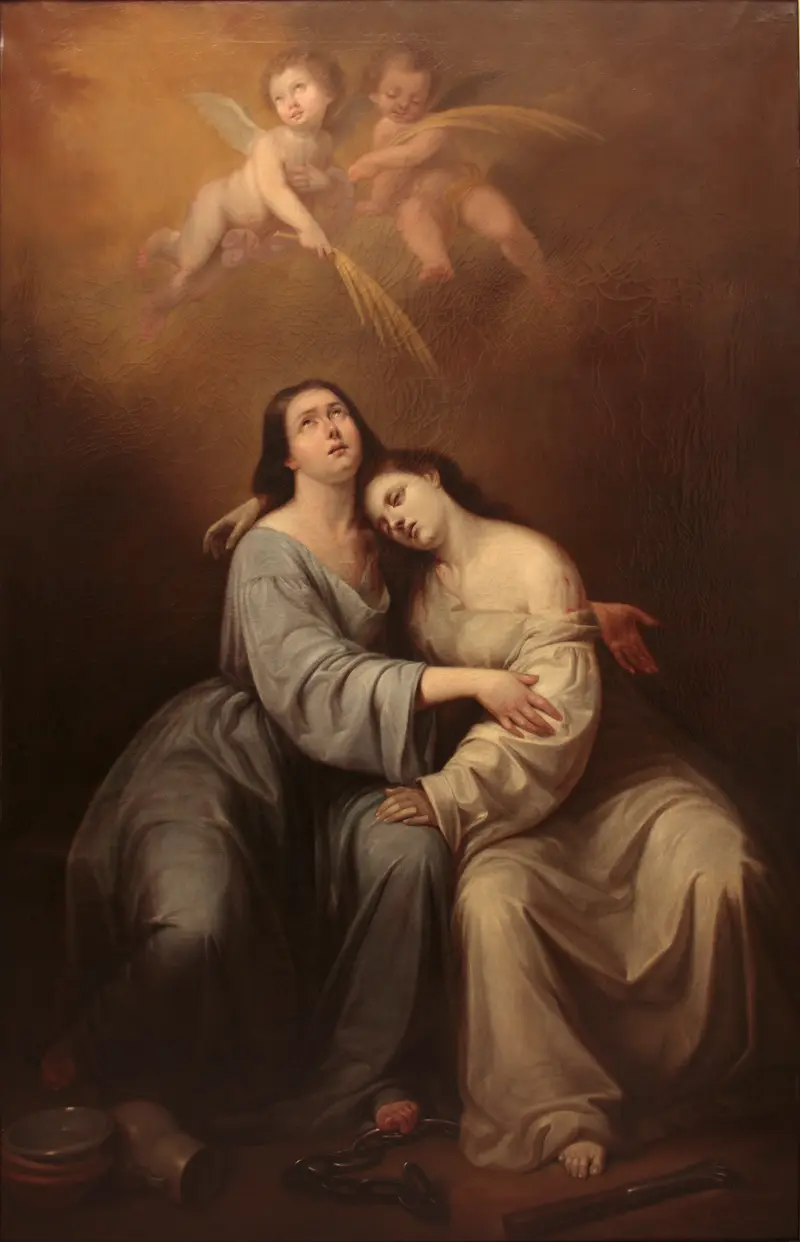
Saint Justa and Saint Rufina
Antonio Maria Esquivel
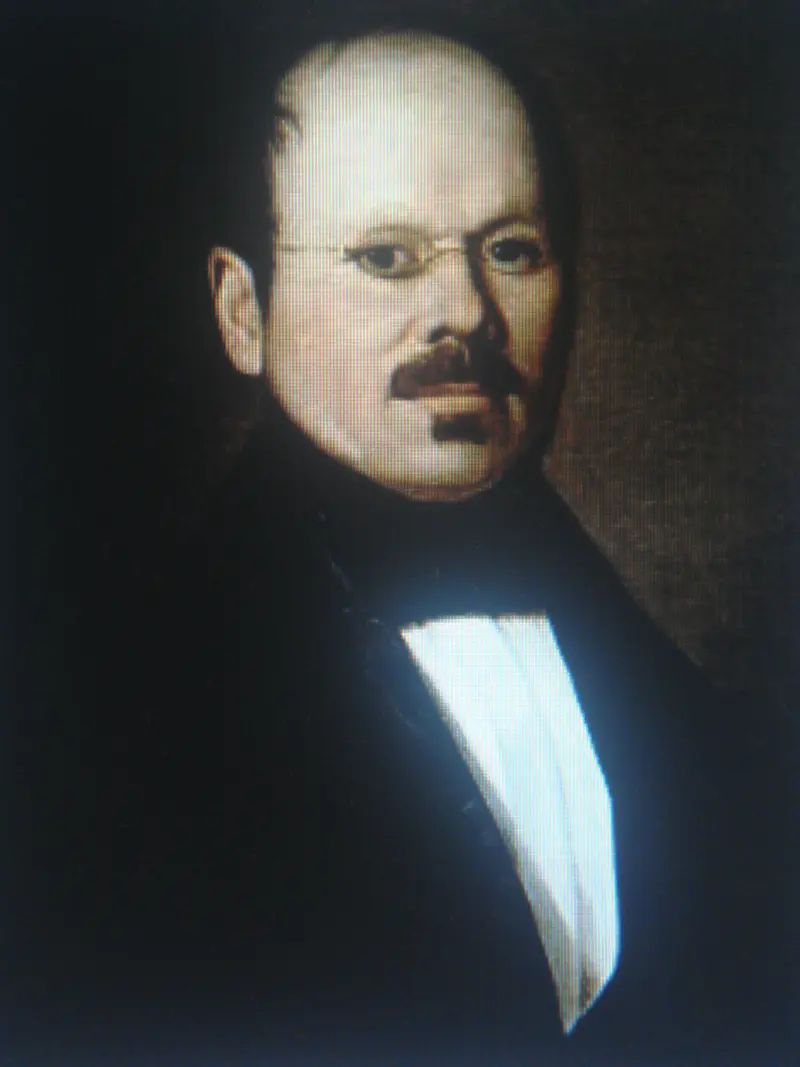
Antonio Benavides Fernández de Navarrete (Real Academia de la Historia)
Antonio Maria Esquivel
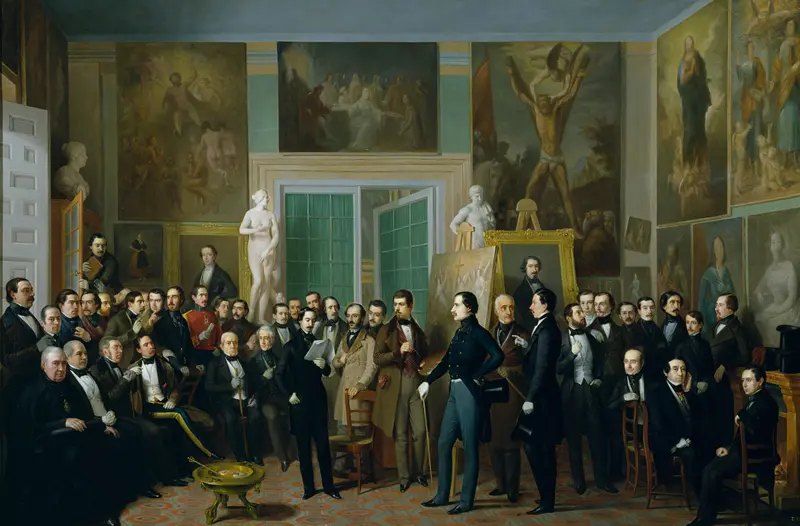
The Contemporary Poets. A Reading of Zorrilla in the Artist's Studio
Antonio Maria Esquivel
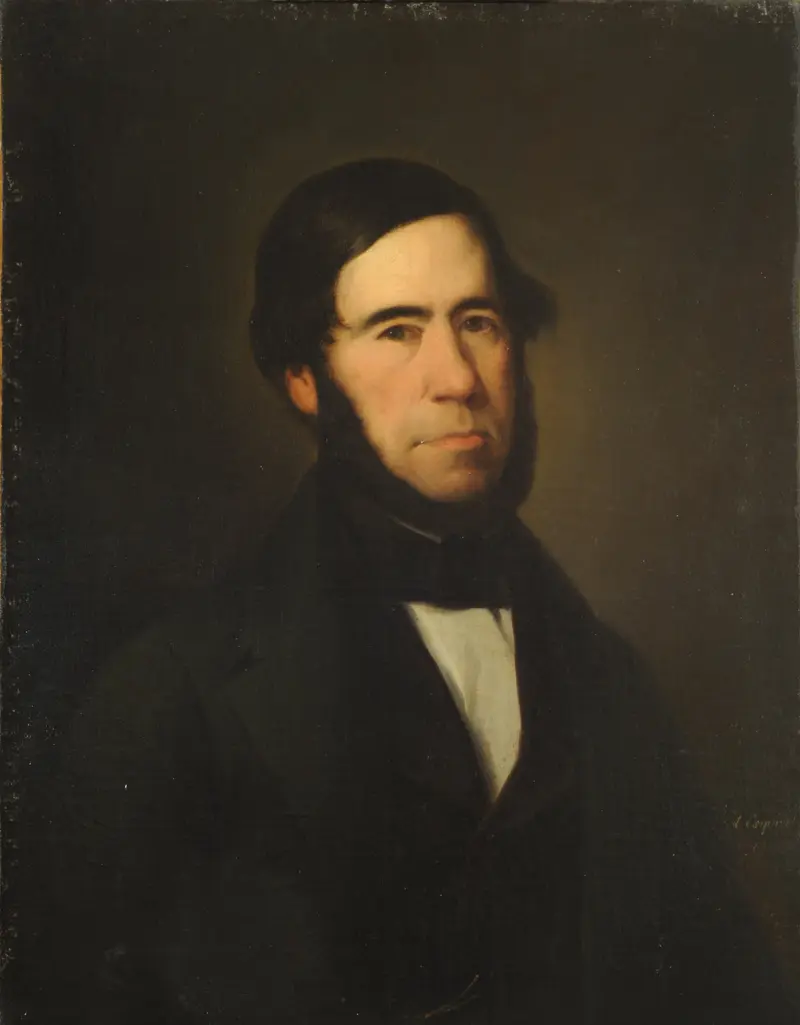
Portrait of Don Manuel José de Guerrico
Antonio Maria Esquivel
Portrait of Cesáreo María Sáenz y de la Barrera
Antonio Maria Esquivel





